Breyanzi Common Side Effects: A Doctor-Reviewed Guide to Uses and Safety

Breyanzi is a personalized CAR T-cell therapy used for certain blood cancers, including some lymphomas and leukemias. Common effects can include tiredness, fever, nausea, headache, diarrhea, swelling and changes in blood counts.
Key Takeaways
- Breyanzi is a personalized CAR T-cell therapy used for certain blood cancers, including some lymphomas and leukemias.
- Common effects can include tiredness, fever, nausea, headache, diarrhea, swelling and changes in blood counts.
- Cytokine release syndrome and neurologic toxicity are important potentially serious reactions that require prompt medical assessment.
- People receiving Breyanzi need regular blood tests, infection monitoring and follow-up with an experienced cancer care team.
- Any new fever, breathing difficulty, confusion, seizure, severe weakness or worsening symptoms should be reported urgently.
Breyanzi common side effects include fatigue, fever, nausea, headache, diarrhea, swelling, low blood cell counts and infections. Because Breyanzi is a CAR T-cell treatment that can also cause serious immune and neurologic reactions, it is given through specialized treatment centers with close monitoring.
Breyanzi at a glance
Breyanzi is the brand name for lisocabtagene maraleucel, a type of chimeric antigen receptor (CAR) T-cell therapy. It is made from a person’s own T cells, which are collected, genetically modified in a laboratory to recognize a target called CD19, and then returned by intravenous infusion. The modified cells are designed to find and attack certain cancer cells.
Breyanzi is approved for specific adults with certain B-cell cancers, including forms of large B-cell lymphoma, follicular lymphoma, mantle cell lymphoma, <a href="https://acibademinternational.com/diseases/chronic-lymphocytic-leukemia/”>chronic lymphocytic leukemia and small lymphocytic lymphoma in particular clinical settings. The exact approved use depends on the cancer type, prior treatments and other individual factors. A hematologist or oncologist can explain whether it is appropriate for a particular diagnosis, such as lymphoma.
This therapy is not an ordinary medicine taken at home. It is a one-time cell infusion delivered at a qualified treatment facility after preparatory chemotherapy. Its safety profile requires structured monitoring before, during and after infusion, as treatment-related reactions may occur early or later in recovery.
Breyanzi common side effects
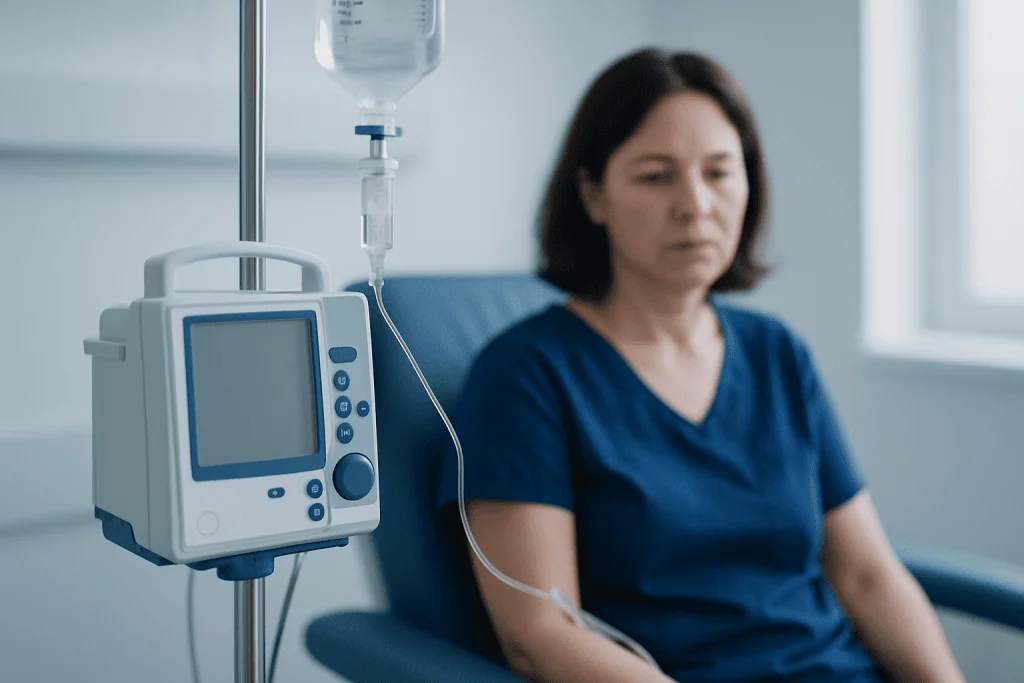
Breyanzi common side effects reported in clinical studies include fatigue, fever, nausea, headache, diarrhea, constipation, decreased appetite, cough, rash, swelling and muscle or joint pain. People may also feel generally weak or unwell while their immune system and blood counts recover after treatment.
Blood-related changes are also common. These can include low white blood cell levels, low red blood cell levels and low platelet levels. Low blood counts may increase the likelihood of infection, tiredness, shortness of breath, bruising or bleeding. The care team checks blood tests regularly and provides supportive care when needed.
Other possible laboratory changes include low levels of certain minerals in the blood and abnormal liver test results. The meaning of these findings varies from person to person. Some effects are mild and temporary, while others require monitoring or treatment, so patients should not try to interpret laboratory results without their oncology team.
- Fatigue or weakness
- Fever and chills
- Nausea, diarrhea or constipation
- Headache
- Low blood cell counts
- Infections or signs of infection
- Swelling, cough, rash, or reduced appetite
Important safety reactions to know about

Breyanzi carries important boxed warnings for cytokine release syndrome (CRS) and neurologic toxicities. CRS is an intense immune response that can happen when activated CAR T cells release inflammatory signaling proteins. Symptoms may include fever, chills, low blood pressure, fast heartbeat, low oxygen levels, shortness of breath, or severe tiredness. It can range from mild to life-threatening, which is why treatment is provided in specially prepared centers.
Neurologic toxicity, sometimes called immune effector cell-associated neurotoxicity syndrome, may cause confusion, sleepiness, difficulty speaking or writing, tremor, poor coordination, weakness, headache or seizures. These symptoms can occur with or without CRS. The healthcare team will assess alertness and neurologic function closely after the infusion.
Breyanzi can also raise the risk of serious infections, prolonged low blood cell counts, low levels of antibodies, and, rarely, other serious complications. Patients may be prescribed preventive medicines or receive blood products, immune support, or other care depending on their needs. The oncology team should be informed about all symptoms, even if they seem minor.
Healthcare professionals also monitor for a rare but serious condition called hemophagocytic lymphohistiocytosis/macrophage activation syndrome, which involves severe immune activation. Its features can overlap with CRS, including persistent fever and worsening blood counts. Prompt assessment is essential because early recognition helps guide treatment.
Before treatment: suitability, medicines and precautions
Before Breyanzi is planned, the cancer team reviews the diagnosis, previous treatments, overall health, current infections, organ function and blood counts. People should tell the team about prior neurologic conditions, heart or lung disease, autoimmune disease, recent infections and any history of hepatitis B or other significant infections. These factors do not automatically rule out treatment, but they may affect preparation and monitoring.
Patients should provide a complete list of prescription medicines, nonprescription products, vitamins, herbal remedies and supplements. Interactions and safety concerns may arise with medicines that suppress the immune system, including corticosteroids, as well as treatments used for infection or other cancer therapies. The care team will advise which medicines should be continued, paused or avoided around cell collection and infusion.
Live vaccines should generally be avoided for a period before and after Breyanzi according to the prescribing information and the treating clinician’s advice. Vaccine timing is individualized because immune responses may be reduced after CAR T-cell therapy. Patients should not receive a vaccine or start a supplement specifically to manage side effects without checking with their oncology team.
Pregnancy should be discussed before treatment. Breyanzi may pose risks to an unborn baby, and clinicians may recommend pregnancy testing and effective contraception where appropriate. People who are pregnant, planning pregnancy, or breastfeeding should seek individualized advice from their oncology and reproductive health teams.
What monitoring and recovery may involve
Preparation for Breyanzi commonly includes lymphodepleting chemotherapy, which reduces certain immune cells before the CAR T-cell infusion. Some symptoms and laboratory abnormalities around treatment may therefore relate to the preparatory chemotherapy, the cancer itself, an infection, or Breyanzi. The treating team considers the full clinical picture rather than attributing every symptom to one cause.
After infusion, people are monitored at the treatment center for signs of CRS, neurologic effects, infection and blood count changes. The official prescribing information includes specific monitoring requirements, and treatment centers give patients written instructions about where to stay, how often to attend follow-up, and which symptoms require urgent contact. It is important to follow these instructions even when a person feels well.
Patients may need a caregiver to help observe for changes in behavior, speech, coordination or alertness during the early recovery period. Driving, operating heavy machinery and activities requiring close attention may need to be avoided for a time, especially because neurologic symptoms can develop unexpectedly. The precise restrictions should come from the treating center.
Supportive oncology care may include infection prevention, transfusions, symptom relief, nutritional support and rehabilitation. For people undergoing complex blood-cancer care, stem cell transplant services may also be relevant at different points in the overall treatment pathway, depending on the diagnosis and treatment history.
When to seek medical care
Patients should contact their Breyanzi treatment team immediately for fever, chills, new or worsening cough, shortness of breath, dizziness, fainting, severe weakness, unusual bleeding, persistent vomiting or diarrhea, or symptoms that suggest infection. A fever after CAR T-cell therapy should never be managed only with home remedies without informing the care team, because it can be an early sign of CRS or infection.
Emergency medical care is needed for trouble breathing, chest pain, severe confusion, inability to stay awake, a seizure, new difficulty speaking, sudden weakness, loss of coordination, or a rapidly worsening condition. If emergency clinicians are involved, patients or caregivers should tell them that Breyanzi CAR T-cell therapy has been received and contact the treating oncology center as soon as possible.
People should keep their patient wallet card or treatment information available and share it with any healthcare professional involved in urgent or routine care. This helps clinicians recognize possible delayed treatment effects and coordinate safely with the CAR T-cell therapy team.
Practical questions for the oncology team
Before treatment, patients may find it helpful to ask what symptoms are expected, which symptoms require an immediate call, how long monitoring will continue, and whether a caregiver or nearby accommodation is needed. They can also ask how the team will monitor infections, blood counts, vaccinations, work or travel plans, and existing health conditions.
Dosage and infusion details are determined by the official product labeling and the specialized clinical team; patients should direct any dosage questions to their treating clinician. Breyanzi is a personalized cellular product, and its preparation and administration cannot be safely compared with standard medication schedules.
Acibadem International’s multidisciplinary specialists and JCI-accredited hospitals support international patients who need evaluation and treatment planning for complex blood cancers. Care should always be individualized, with decisions made jointly by the patient and an experienced hematology-oncology team.
Frequently asked questions
What are the most common side effects of Breyanzi?
Common side effects can include fatigue, fever, nausea, headache, diarrhea, constipation, reduced appetite, cough, swelling and low blood cell counts. Infections and changes in laboratory tests can also occur. The treating team monitors these effects with symptom checks and blood tests.
Can Breyanzi side effects be serious?
Yes. Breyanzi can cause serious cytokine release syndrome and neurologic toxicities, which is why it is administered at authorized facilities with close follow-up. Fever, breathing changes, low blood pressure, confusion, speech difficulty or seizures require urgent assessment.
How soon do Breyanzi side effects happen?
Some reactions can develop within days after infusion, while low blood counts, infection risk and fatigue may continue or emerge later. The timing varies between individuals and may also be influenced by preparatory chemotherapy and the underlying cancer. Patients should follow the monitoring plan provided by their treatment center.
Does Breyanzi weaken the immune system?
Breyanzi and the chemotherapy given before it can lower blood cell counts and affect immune function. This may increase susceptibility to infections and reduce antibody levels in some people. Clinicians monitor recovery and may recommend preventive or supportive treatments when appropriate.
Can someone take regular medicines while receiving Breyanzi?
Some medicines may need adjustment before or after CAR T-cell therapy, particularly immune-suppressing medicines and treatments for infections or cancer. Patients should give their team a complete medication and supplement list. They should not stop, start or change a medicine without professional advice.
Is Breyanzi chemotherapy?
Breyanzi is not traditional chemotherapy; it is a CAR T-cell therapy made from a patient’s own immune cells. However, chemotherapy is usually given beforehand to prepare the body for the CAR T-cell infusion. Both parts of treatment can contribute to side effects and require specialist supervision.
References
- U.S. Food and Drug Administration
- Breyanzi Prescribing Information
- National Cancer Institute
- American Society of Hematology
- European Society for Medical Oncology
This article is for general information only and is not a substitute for professional medical advice. Please consult a qualified doctor about your individual situation.
Persistent digestive symptoms? Get evaluated in Turkey
JCI-accredited · board-certified surgeons · reply within 24h
Add us as a Preferred Source to see more of our trusted health content across Google Search, AI Overviews and Discover.
Check your numbers in seconds
BMI, calories, due date, blood pressure and 30+ more clinical calculators — free, instant, doctor-reviewed ranges.