Anxiety Treatment: When Medication Helps and What Alternatives Exist

Anxiety treatment often works best when it is tailored to the person’s symptoms, triggers, and daily life. Medication can be helpful, especially when anxiety is persistent, severe, or interfering with sleep, work, or relationships.
Key Takeaways
- Anxiety treatment often works best when it is tailored to the person’s symptoms, triggers, and daily life.
- Medication can be helpful, especially when anxiety is persistent, severe, or interfering with sleep, work, or relationships.
- Psychotherapy, especially cognitive behavioral therapy, is a core treatment and may be used with or without medication.
- Lifestyle habits such as sleep, exercise, stress management, and reducing caffeine can support recovery.
- A medical evaluation is important because physical health conditions can sometimes mimic or worsen anxiety.
Anxiety treatment is not the same for everyone. Many people improve with therapy, lifestyle changes, medication, or a carefully planned combination based on the type and severity of anxiety.
Overview of Anxiety Treatment
Anxiety is a normal human response to stress, uncertainty, or perceived danger. However, when worry, fear, panic, or physical tension become frequent, hard to control, or disruptive to daily life, professional treatment may be helpful. Anxiety treatment aims to reduce symptoms, improve daily functioning, and help the person feel more in control of thoughts, emotions, and physical reactions.
There is no single best treatment for every person. The most suitable plan depends on the type of anxiety symptoms, how long they have been present, their impact on work or relationships, and whether other medical or mental health conditions are also present. Treatment may include psychotherapy, medication, practical self-care strategies, or a combination of these approaches.
Many people worry that starting treatment means they will need medication immediately or indefinitely. In reality, care is usually individualized. Some people improve with therapy alone, while others benefit from medicine, especially if symptoms are intense, long-lasting, or causing major distress. A structured assessment can help determine the best next step for anxiety.
When Anxiety Medication May Help
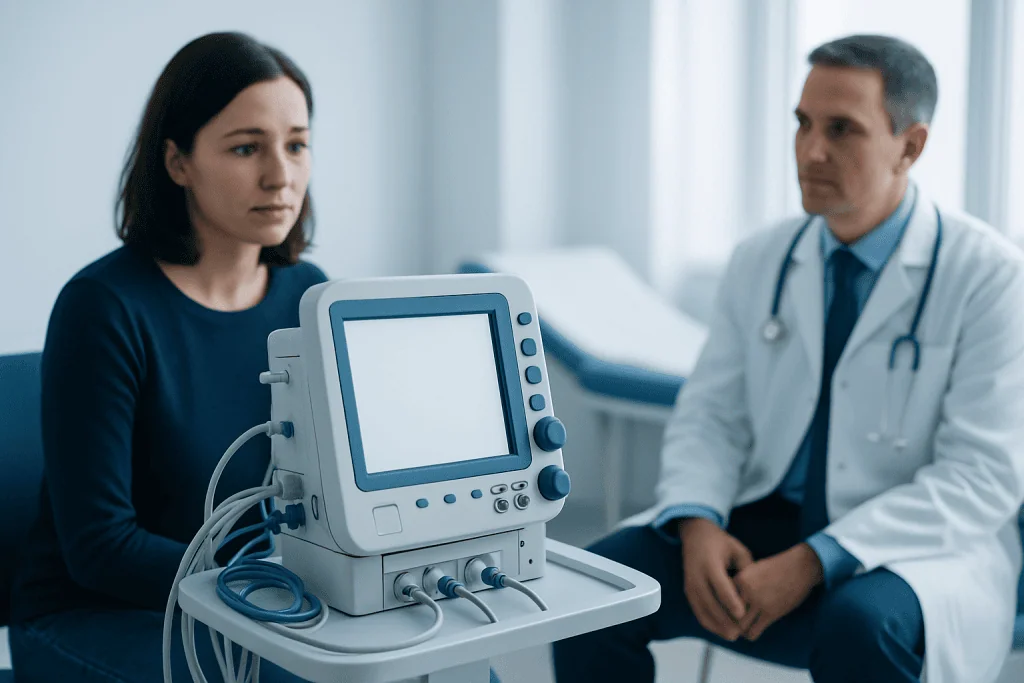
Medication may be considered when anxiety symptoms are moderate to severe, occur most days, or significantly interfere with daily life. It can also be useful when anxiety causes ongoing sleep problems, repeated panic attacks, trouble concentrating, avoidance of normal activities, or emotional distress that makes therapy harder to engage in. For some people, medicine helps create enough stability to begin and benefit more fully from psychotherapy.
Doctors may also consider medication when non-drug approaches have not provided enough relief, or when anxiety occurs alongside depression, trauma-related symptoms, or certain chronic medical conditions. The goal is not to change a person’s personality or remove all stress, but to reduce excessive symptoms and improve coping.
Common medication groups used for anxiety include antidepressants such as selective serotonin reuptake inhibitors and serotonin-norepinephrine reuptake inhibitors, as well as some other medicines chosen for specific situations. Certain short-term medicines may reduce acute symptoms quickly, but they are usually prescribed carefully because of side effects, drowsiness, and the potential for dependence. Medication choice should always be guided by a qualified clinician who can explain expected benefits, possible risks, and how progress will be monitored.
What Alternatives to Medication Exist?

Psychotherapy is one of the most effective alternatives to medication and is often a first-line treatment for anxiety. Cognitive behavioral therapy, commonly called CBT, helps people identify unhelpful thought patterns, reduce avoidance, and practice healthier responses to triggers. Other evidence-based approaches may include exposure-based therapy, acceptance and commitment therapy, mindfulness-based techniques, or counseling tailored to stress, trauma, or relationship difficulties. In some care settings, this may be part of a broader psychiatric evaluation and treatment plan.
Self-care and lifestyle strategies can also make a meaningful difference. While they may not replace professional treatment in more severe cases, they often strengthen recovery and support long-term symptom control. Helpful habits may include:
- Keeping a regular sleep schedule
- Engaging in consistent physical activity
- Limiting caffeine, nicotine, and excess alcohol
- Practicing breathing exercises, relaxation, or meditation
- Eating regular, balanced meals
- Reducing stress where possible and setting realistic daily routines
Some people also benefit from support groups, structured stress management programs, or family education. If symptoms are related to a specific stressor, such as work strain or illness, addressing that trigger can be an important part of treatment. Non-medication approaches are often most effective when used consistently and with guidance from a mental health professional.
How Doctors Decide on the Best Approach
Choosing the right anxiety treatment starts with a careful evaluation. A doctor or mental health professional will ask about symptoms, how long they have been present, what situations trigger them, and how they affect sleep, concentration, work, study, or relationships. They may also ask about past treatment, family history, substance use, recent stress, and any coexisting symptoms such as low mood or panic attacks.
It is also important to rule out physical causes or contributing factors. Symptoms such as palpitations, sweating, dizziness, shortness of breath, or restlessness can occur with anxiety, but they may also appear with thyroid disorders, heart rhythm problems, medication side effects, sleep disorders, or stimulant use. Depending on the person’s history, the clinician may recommend laboratory testing or other assessments to support an accurate diagnosis.
After the assessment, treatment is usually matched to the person’s needs. Mild symptoms may improve with therapy and self-care alone. More severe or persistent symptoms may call for a combined plan that includes medication. If diagnosis is uncertain or symptoms are complex, a specialist in mental health care may help guide management.
Benefits, Limits, and Side Effects of Medication
Anxiety medication can be very helpful, but it is important to have realistic expectations. Most medications do not work immediately, and some can take several weeks to show their full effect. During this time, follow-up matters. The doctor may adjust the treatment plan based on symptom relief, side effects, and how the medicine fits the person’s daily routine and health history.
Possible side effects vary depending on the medication. Some people may notice nausea, headache, changes in sleep, digestive upset, restlessness, or sexual side effects. Others may feel drowsy or temporarily more sensitive when treatment first begins. Short-acting anti-anxiety medicines can have additional concerns, including sedation, memory effects, and dependence if used inappropriately or for long periods.
Medication alone may not address the underlying patterns that keep anxiety going, such as avoidance, catastrophic thinking, or long-term stress. That is why many clinicians recommend combining medication with therapy whenever possible. If anxiety occurs together with depression or other mental health concerns, treatment may need to address more than one condition at the same time.
Practical Self-Care During Treatment
Whether a person uses medication, therapy, or both, everyday habits can support recovery. Sleep is especially important, since poor sleep can intensify anxious thoughts, irritability, and physical tension. Gentle routines around bedtime, regular wake times, and reduced screen exposure late at night may help improve rest. In some cases, symptoms overlap with sleep-related problems, and further evaluation may be useful through sleep assessment and care.
Regular physical activity can reduce stress hormones, improve mood, and help regulate the body’s stress response. It does not need to be intense to be helpful. Walking, stretching, swimming, yoga, or other enjoyable activities done consistently can support treatment. Balanced nutrition and limiting stimulants such as caffeine may also reduce shakiness, palpitations, and feelings of being on edge.
It can also help to track symptoms and triggers. A simple journal of sleep, stress, anxiety episodes, and coping strategies may reveal patterns over time. This information can be valuable during medical appointments, especially when deciding whether treatment is working or needs adjustment. Near the end of the care journey, some international patients may seek multidisciplinary support; Acibadem International’s specialists in JCI-accredited hospitals diagnose and treat anxiety-related conditions as part of coordinated care.
When to See a Doctor
A doctor should be consulted when anxiety feels overwhelming, lasts for weeks or longer, or begins to interfere with normal life. Warning signs include avoiding usual activities, frequent panic symptoms, trouble sleeping, poor concentration, persistent irritability, or physical symptoms that are hard to explain. Medical advice is also important if anxiety appears suddenly, worsens quickly, or starts after beginning a new medication or substance.
Urgent help is needed if anxiety is accompanied by chest pain, fainting, severe shortness of breath, confusion, thoughts of self-harm, or inability to function safely. These symptoms should not be assumed to be “just stress,” because they may signal a medical or mental health emergency. Prompt assessment helps clarify the cause and supports safe treatment.
Even when symptoms are not urgent, early care can make treatment easier and more effective. A qualified professional can explain the available options, answer questions about anxiety medication and alternatives, and create a plan that is practical and reassuring. The aim is steady improvement, not perfection, and many people do feel better with the right support.
Frequently asked questions
Is medication always necessary for anxiety treatment?
No. Many people improve with psychotherapy, lifestyle changes, or a combination of non-drug approaches. Medication is usually considered when symptoms are more severe, long-lasting, or interfering with daily life.
What is the first-line treatment for anxiety?
For many anxiety disorders, psychotherapy, especially cognitive behavioral therapy, is considered a first-line treatment. In some cases, doctors may also recommend medication, particularly if symptoms are intense or therapy alone is not enough.
How long does anxiety medication take to work?
Some commonly prescribed medications for anxiety take several weeks to reach their full effect. This is why regular follow-up with a doctor is important, especially in the early stages of treatment.
Can anxiety be treated without medication?
Yes. Therapy, stress management, exercise, sleep improvement, mindfulness practices, and reducing stimulants such as caffeine can all help. The best approach depends on symptom severity and the person’s overall health.
What are the common side effects of anxiety medication?
Side effects depend on the specific medicine but may include nausea, headache, sleep changes, digestive upset, drowsiness, or restlessness. A doctor can explain what to expect and when to report side effects.
How do doctors know if anxiety is caused by another health problem?
Doctors review symptoms, medical history, medications, and possible triggers, and they may recommend tests when needed. This helps rule out conditions such as thyroid disease, heart rhythm problems, sleep disorders, or medication-related effects.
References
- World Health Organization
- National Institute of Mental Health
- American Psychiatric Association
- National Institute for Health and Care Excellence
- Mayo Clinic
This article is for general information only and is not a substitute for professional medical advice. Please consult a qualified doctor about your individual situation.
Explore treatments in Turkey — costs, top hospitals & a free quote
JCI-accredited · board-certified surgeons · reply within 24h
Add us as a Preferred Source to see more of our trusted health content across Google Search, AI Overviews and Discover.