Aortic Aneurysm Repair: When Surgery or Stenting Is Recommended

Not every aortic aneurysm needs immediate repair; some can be monitored safely over time. Surgery or stenting is usually considered when the aneurysm is large, growing quickly, or causing symptoms.
Key Takeaways
- Not every aortic aneurysm needs immediate repair; some can be monitored safely over time.
- Surgery or stenting is usually considered when the aneurysm is large, growing quickly, or causing symptoms.
- Repair may be performed with open surgery or an endovascular stent graft, depending on the aneurysm and the patient.
- Controlling blood pressure, stopping smoking, and regular imaging follow-up are central parts of care.
- Urgent medical evaluation is needed for sudden severe chest, back, or abdominal pain.
Aortic aneurysm repair may be advised when the aorta becomes dangerously widened and the risk of rupture or dissection increases. Treatment decisions depend on the aneurysm’s size, location, growth rate, symptoms, and the person’s overall health.
Overview: What Aortic Aneurysm Repair Means
An aortic aneurysm is a weakened, bulging area in the wall of the aorta, the body’s main artery. It can develop in the chest, called a thoracic aortic aneurysm, or in the abdomen, called an abdominal aortic aneurysm. Some aneurysms remain stable for years, while others enlarge and become more dangerous over time.
Aortic aneurysm repair is a treatment used to lower the risk of serious complications such as rupture or, in some locations, dissection. Repair does not simply depend on the presence of an aneurysm. Instead, specialists look at several factors, including the aneurysm’s size, how quickly it is growing, whether it is causing symptoms, and the person’s age and overall health.
There are two main approaches to repair. One is open surgery, in which the damaged section of the aorta is replaced with a synthetic graft. The other is an endovascular procedure, in which a stent graft is guided through blood vessels to reinforce the weakened area from inside the artery. The most suitable option depends on the aneurysm’s anatomy and the expertise of the treatment team.
Symptoms and Warning Signs
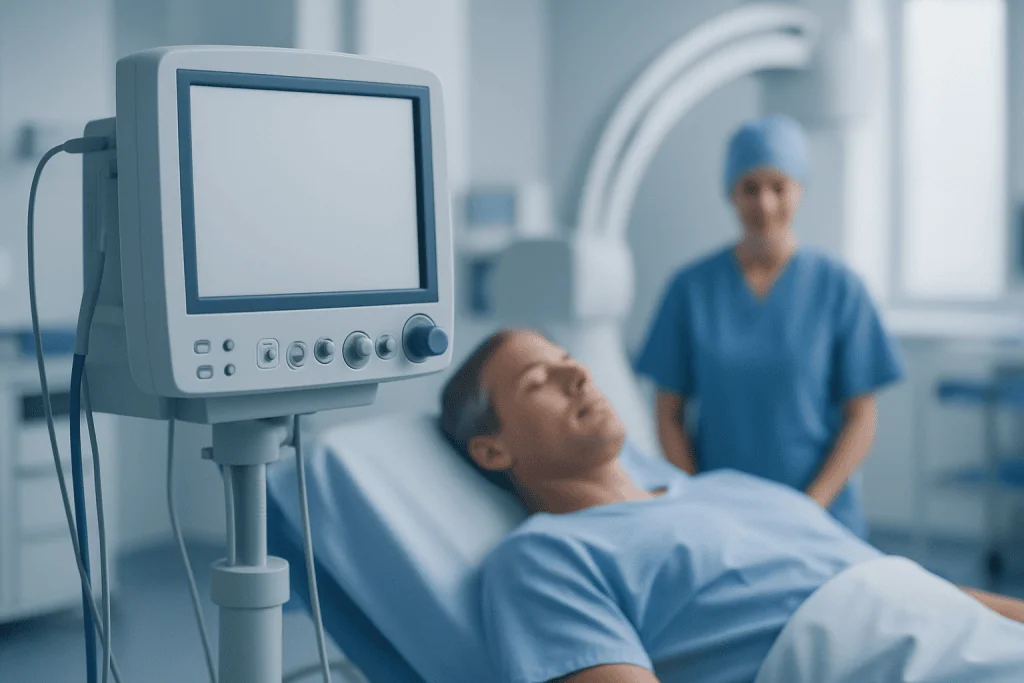
Many aortic aneurysms cause no symptoms at all and are found incidentally during imaging tests done for another reason. This is especially common with abdominal aortic aneurysms. Because aneurysms can be silent, people may not realize they have one until it has become large or is discovered through screening or evaluation of another health issue.
When symptoms do occur, they vary depending on location. A thoracic aneurysm may cause chest pain, back pain, hoarseness, cough, or shortness of breath if it presses on nearby structures. An abdominal aneurysm may cause deep abdominal pain, back pain, or a pulsating sensation in the abdomen. These symptoms do not always mean an emergency, but they do need prompt medical assessment.
Certain symptoms require urgent care because they may suggest rupture or dissection. Warning signs include sudden severe chest, back, abdominal, or flank pain; fainting; dizziness; sudden weakness; or signs of shock such as clammy skin and confusion. A ruptured aneurysm is a medical emergency and should be treated without delay.
When Surgery or Stenting Is Recommended
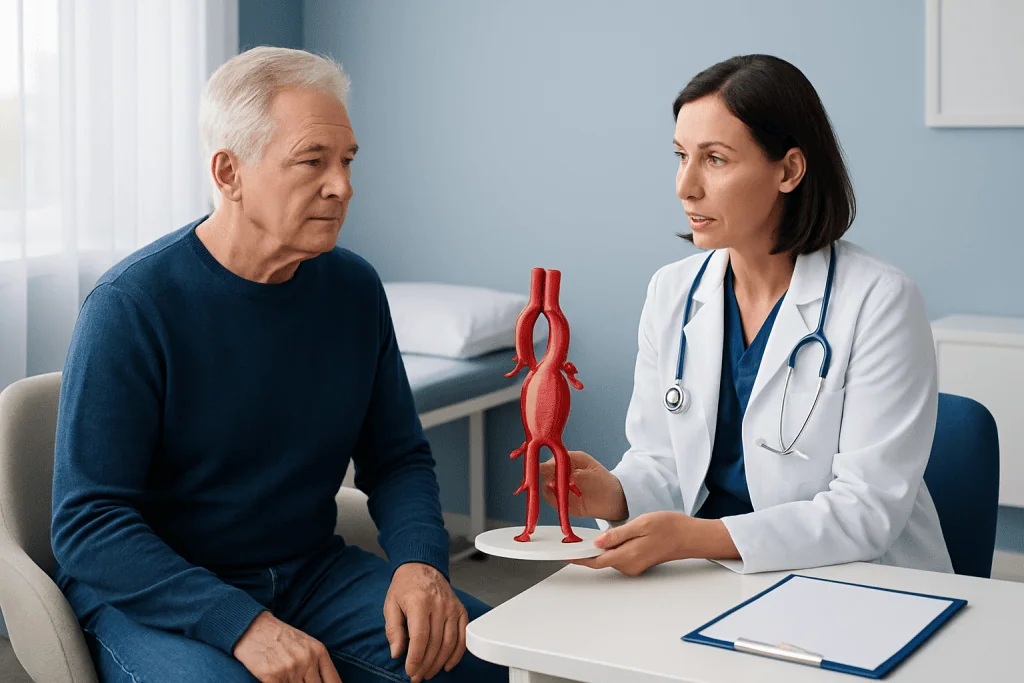
The decision to repair an aortic aneurysm is individualized, but there are well-established reasons why doctors may advise intervention. In general, repair is recommended when the aneurysm reaches a size at which the risk of rupture or dissection becomes higher than the risk of treatment. Thresholds differ depending on whether the aneurysm is in the chest or abdomen, whether the patient is male or female, and whether there are related genetic or connective tissue conditions.
Repair may also be recommended if the aneurysm is growing quickly on repeated imaging, even if it has not yet reached the usual size threshold. Symptoms such as ongoing chest, back, or abdominal pain thought to be related to the aneurysm are another important reason to consider treatment. In some cases, aneurysms affecting the aortic root or ascending aorta are treated earlier because of their location and potential complications.
Other factors matter as well. Doctors consider family history, body size, smoking history, blood pressure control, and conditions such as Marfan syndrome, Loeys-Dietz syndrome, bicuspid aortic valve disease, or previous aortic dissection. These features can increase risk and may change the timing of repair. A vascular surgeon or cardiovascular team may also compare open vascular surgery with less invasive stent-based techniques to determine the safest and most durable strategy.
Emergency repair is usually needed if the aneurysm has ruptured, is leaking, or is causing acute dissection. In these situations, treatment aims to save life and stabilize circulation as quickly as possible. For non-emergency cases, careful planning helps match the procedure to the patient’s anatomy and long-term needs.
Causes and Risk Factors
Aortic aneurysms develop when the wall of the aorta weakens over time. Aging is an important contributor, but it is rarely the only factor. Long-standing high blood pressure can place stress on the aortic wall, while atherosclerosis, or hardening of the arteries, can damage blood vessels and raise the chance of aneurysm formation, especially in the abdomen.
Smoking is one of the strongest modifiable risk factors, particularly for abdominal aortic aneurysm. Risk is also higher in people with a family history of aneurysm, in older adults, and in those with certain inherited connective tissue disorders. Men are more commonly affected by abdominal aneurysms, although women may still be at significant risk and may have different treatment thresholds.
Some aneurysms are linked to structural heart or vessel conditions, including bicuspid aortic valve disease. Others occur after trauma, infection, or inflammatory blood vessel disease, though these causes are less common. People who already have aortic aneurysm in one part of the aorta may also need assessment of the rest of the vessel, because aneurysmal disease can involve more than one segment.
How Doctors Diagnose and Monitor an Aneurysm
Diagnosis usually begins with imaging. Abdominal ultrasound is commonly used to detect and follow abdominal aortic aneurysms because it is simple and noninvasive. For thoracic aneurysms, or when more detail is needed, doctors often use CT angiography or MR angiography to measure the aneurysm accurately and assess its shape, extent, and relationship to nearby branches of the aorta.
Echocardiography may be used when the aneurysm involves the aortic root or ascending aorta near the heart. Imaging is not only used to confirm the diagnosis; it also guides treatment decisions. The exact diameter of the aneurysm, the condition of the surrounding vessel, and the suitability for a stent graft are all important in planning repair.
People whose aneurysm does not yet need intervention are usually monitored with repeat imaging at intervals recommended by their specialist. The frequency depends on size, location, and growth rate. This watchful approach helps identify changes early while avoiding unnecessary procedures. Blood pressure management and cardiovascular risk reduction continue during surveillance.
Treatment Options: Open Repair and Endovascular Repair
Open aortic aneurysm repair has been used for many years and remains an important option, especially for younger patients, complex anatomy, or aneurysms in locations where endovascular repair may not be ideal. During open surgery, the surgeon removes or excludes the weakened segment and replaces it with a durable synthetic graft. Recovery is longer than with endovascular treatment, but open repair can offer excellent long-term results in selected patients.
Endovascular aneurysm repair uses a stent graft delivered through blood vessels, usually from the groin, to line the inside of the aorta and reduce pressure on the aneurysm wall. This approach is less invasive and often allows a shorter hospital stay and recovery period. It is commonly used for many abdominal aneurysms and some thoracic aneurysms when anatomy is suitable. In practical terms, this may involve endovascular treatment with a custom-selected device.
Each method has benefits and limitations. Endovascular repair may not be possible if the aneurysm’s shape or branch vessels do not allow secure placement, and it typically requires lifelong imaging follow-up to check for leaks or device movement. Open surgery may be more physically demanding upfront, so overall fitness, heart and lung function, kidney health, and the urgency of the situation are all considered before treatment is chosen.
In experienced centers, care is often planned by a multidisciplinary team that may include vascular surgeons, cardiovascular surgeons, interventional specialists, anesthesiologists, and imaging experts. Near the end of the treatment journey, some international patients may seek evaluation at Acibadem International, where multidisciplinary specialists and JCI-accredited hospitals diagnose and treat complex aortic conditions.
Prevention, Self-care, and Recovery After Repair
Not all aneurysms can be prevented, but reducing strain on the aorta can lower risk and support long-term health. Stopping smoking is one of the most important steps. Careful blood pressure control, cholesterol management, regular physical activity appropriate to the person’s condition, and a heart-healthy diet can all help protect the cardiovascular system. Doctors may also advise avoiding heavy straining or extreme exertion in some cases.
After repair, follow-up remains essential. People who have had endovascular repair usually need periodic imaging to confirm that the graft remains in position and that blood is not re-entering the aneurysm sac. Those who have had open surgery also need routine medical review, although imaging schedules may differ. Medication for blood pressure and other cardiovascular conditions often remains part of long-term care.
Recovery varies by procedure. After endovascular repair, people often return to light daily activities sooner, while open surgery usually requires a longer period of healing. During recovery, patients should follow advice on wound care, activity limits, medications, and follow-up appointments. If there is new pain, fever, leg symptoms, shortness of breath, or any sudden concerning change, the care team should be contacted promptly.
When to See a Doctor
A person should speak with a doctor if they have persistent chest, back, or abdominal pain that does not have a clear explanation, especially if they have risk factors such as older age, smoking history, high blood pressure, or a family history of aneurysm. Medical assessment is also sensible for anyone who has been told an aneurysm was seen on a scan and is unsure what follow-up is needed.
People with known aneurysms should keep scheduled imaging appointments and contact their specialist if symptoms change. This is particularly important if pain becomes more frequent or more intense, or if there are signs of reduced blood flow to the legs or other organs. Prompt review can help determine whether the aneurysm is stable or whether treatment timing should be reconsidered.
Emergency care is needed for sudden severe chest, back, or abdominal pain, fainting, sudden weakness, or symptoms of shock. These may indicate rupture, leakage, or dissection. Early treatment can be lifesaving, so these symptoms should never be ignored.
Frequently asked questions
Does every aortic aneurysm need surgery?
No. Many aortic aneurysms can be monitored safely with regular imaging and risk-factor control. Repair is usually considered when the aneurysm is large, growing quickly, causing symptoms, or has features that increase the chance of rupture or dissection.
What is the difference between open repair and stent repair?
Open repair involves surgery to replace the weakened part of the aorta with a synthetic graft. Stent repair, also called endovascular repair, places a graft inside the artery through blood vessels, usually using smaller incisions. The best option depends on aneurysm location, shape, and the patient’s overall health.
How do doctors decide when an aneurysm is large enough to treat?
Doctors use imaging measurements and consider the aneurysm’s location, growth rate, symptoms, and personal risk factors. The treatment threshold is not the same for every patient. Certain genetic conditions or a family history of aortic disease may lead to repair at a smaller size.
Can lifestyle changes help if someone has an aortic aneurysm?
Yes, lifestyle changes are an important part of care even when repair is planned or has already been done. Stopping smoking, controlling blood pressure, managing cholesterol, and attending follow-up appointments can reduce complications and support long-term vascular health.
Is endovascular repair always less risky than open surgery?
Not always. Endovascular repair is less invasive and may allow faster recovery, but it is not suitable for every aneurysm and often requires ongoing imaging for surveillance. Open surgery may be a better long-term choice for some patients, especially when anatomy is complex or durability is a key concern.
What symptoms suggest an aneurysm emergency?
Sudden severe chest, back, or abdominal pain is a major warning sign, especially if it is accompanied by fainting, dizziness, weakness, or signs of shock. These symptoms can suggest rupture or dissection and need emergency medical care right away.
References
- American Heart Association
- Society for Vascular Surgery
- European Society for Vascular Surgery
- National Heart, Lung, and Blood Institute
- Centers for Disease Control and Prevention
This article is for general information only and is not a substitute for professional medical advice. Please consult a qualified doctor about your individual situation.
Aortic Aneurysm in Turkey — costs, top hospitals & a free quote
JCI-accredited · board-certified surgeons · reply within 24h
Add us as a Preferred Source to see more of our trusted health content across Google Search, AI Overviews and Discover.
Check your numbers in seconds
BMI, calories, due date, blood pressure and 30+ more clinical calculators — free, instant, doctor-reviewed ranges.

Cardiology Department
Diagnosis and treatment of heart and vascular conditions, from prevention to advanced interventional procedures.
93 specialists in this unit