Aortic aneurysm Treatment Options: From Medication to Surgery
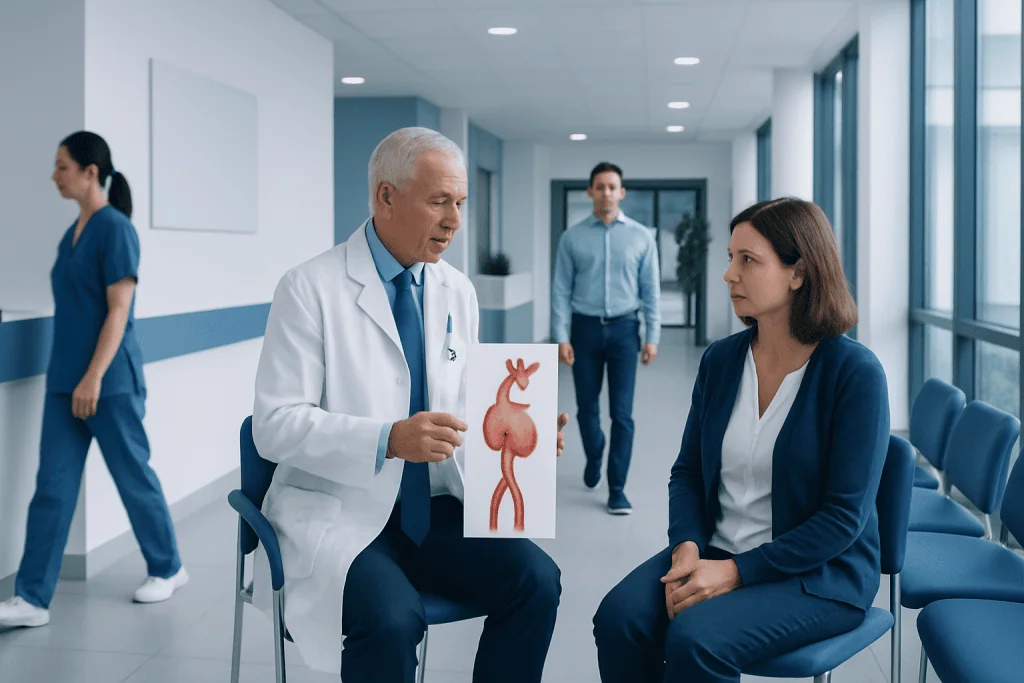
Small, stable aortic aneurysms often need regular imaging rather than immediate surgery. Medicines do not remove an aneurysm, but they can help control blood pressure and reduce cardiovascular risk.
Key Takeaways
- Small, stable aortic aneurysms often need regular imaging rather than immediate surgery.
- Medicines do not remove an aneurysm, but they can help control blood pressure and reduce cardiovascular risk.
- Endovascular repair uses a stent graft placed through blood vessels; open surgery replaces the affected aortic segment with a graft.
- The choice between surveillance, endovascular repair, and open surgery depends on anatomy, symptoms, growth, and individual health factors.
- Sudden severe chest, back, abdominal, or tearing pain with collapse or breathlessness requires emergency medical care.
Aortic aneurysm treatment is tailored to the aneurysm’s location, size, growth rate, symptoms, and the person’s overall health. Many small aneurysms are safely monitored with imaging and risk-factor care, while larger, fast-growing, or symptomatic aneurysms may need endovascular repair or open surgery to lower the risk of rupture.
Aortic aneurysm treatment: the main options
Aortic aneurysm treatment aims to prevent an aneurysm from rupturing or separating within the wall of the aorta, called dissection. The best approach depends on where the aneurysm is located—such as the chest (thoracic aorta) or abdomen (abdominal aorta)—as well as its size, rate of growth, shape, symptoms, and the person’s other medical conditions.
For many people, the safest first step is active surveillance: scheduled scans combined with treatment of blood pressure, cholesterol, smoking, and other cardiovascular risks. Intervention is considered when the chance of rupture or other complications becomes greater than the expected risks of a procedure.
Repair may be performed with a minimally invasive endovascular technique or with open surgery. A vascular surgeon, cardiologist, cardiac surgeon, radiologist, and anesthesiology team may work together to plan care. The overall condition and its outlook are described in aortic aneurysm information.
How doctors choose the right treatment
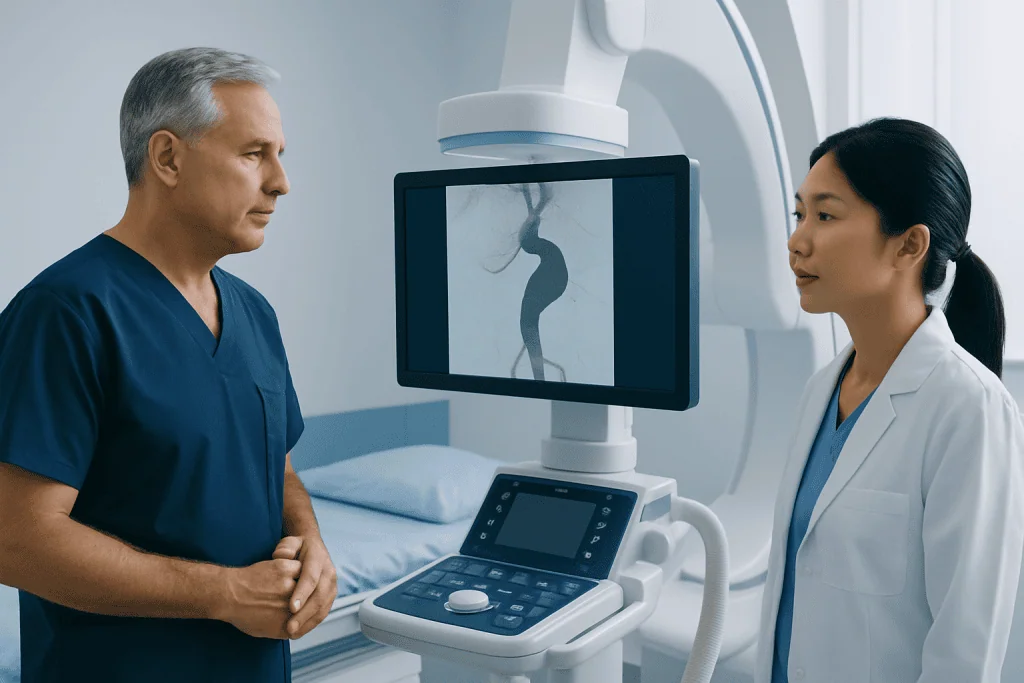
Doctors assess the aneurysm carefully before recommending treatment. Imaging shows the aorta’s diameter, shape, exact location, and relationship to nearby branches and organs. Measurements are compared over time because an aneurysm that is enlarging quickly may need earlier attention than one that has remained stable.
Symptoms matter. Persistent pain related to the aneurysm, signs of pressure on nearby structures, or concerns about leakage can change the treatment plan. The care team also considers age, heart and lung function, kidney function, previous operations, connective-tissue conditions, family history, and whether the aortic anatomy is suitable for a stent graft.
Thresholds for repair are individualized. They can vary by the part of the aorta involved, body size, sex, genetic conditions, and the presence of symptoms. Rather than relying on one measurement alone, clinicians weigh the complete pattern of risk and discuss the expected benefits and limitations of each option.
- Surveillance may suit a smaller, symptom-free aneurysm that is not growing rapidly.
- Endovascular repair may suit people whose aortic anatomy can securely hold a stent graft.
- Open surgery may be preferred for certain locations, complex anatomy, infection, connective-tissue disorders, or when long-term durability is especially important.
Monitoring and medication-based care
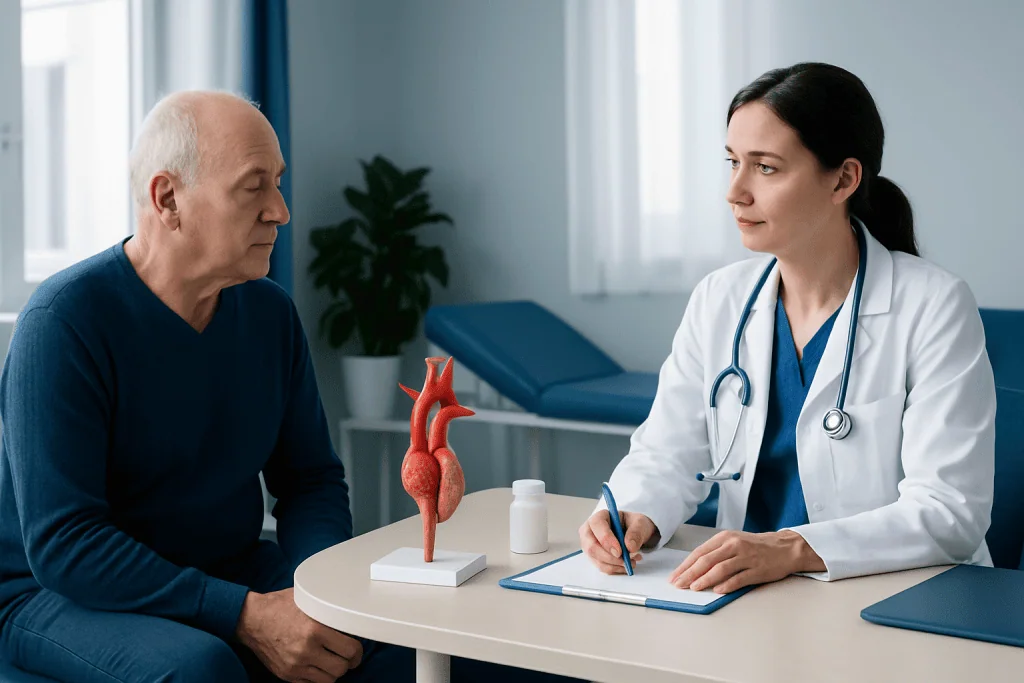
Regular monitoring is an active form of care, not a decision to ignore the aneurysm. Depending on its location and size, follow-up may use ultrasound, computed tomography (CT), magnetic resonance imaging (MRI), or echocardiography. The interval between scans is determined by the aneurysm’s features and whether its size has changed.
No medicine has been shown to make an existing aortic aneurysm disappear. However, medication can be important for lowering stress on the aortic wall and reducing the risk of heart attack or stroke. Doctors may prescribe treatment for high blood pressure, high cholesterol, diabetes, or other cardiovascular conditions when appropriate.
Blood pressure management is particularly important. Patients should take prescribed medication consistently and ask their doctor about suitable targets, home monitoring, and exercise. Starting, stopping, or changing medicines without clinical advice is not recommended, especially for people with heart or kidney disease.
Risk-factor care also includes stopping smoking, eating a heart-healthy diet, maintaining an appropriate body weight, and managing sleep apnea or diabetes when present. Moderate activity is often encouraged, but heavy lifting and strenuous exertion may need individualized limits because they can cause sudden rises in blood pressure.
Endovascular repair: how a stent graft works
Endovascular aneurysm repair is a minimally invasive procedure that reinforces the weakened part of the aorta from the inside. A fabric-covered metal stent, called a stent graft, is guided through an artery—usually from small incisions in the groin—and positioned across the aneurysm. Blood then flows through the graft rather than pressing directly on the weakened aortic wall.
This approach can be used for some abdominal and thoracic aneurysms, often referred to as EVAR and TEVAR. Candidacy depends on detailed CT or MRI planning. The landing zones above and below the aneurysm must be suitable for the graft to seal securely, and the access vessels must allow the device to be safely delivered.
During the procedure, the patient receives anesthesia or sedation appropriate to the repair. The team inserts guidewires and catheters into the blood vessel, uses live X-ray guidance and contrast imaging to place the graft, checks for leaks around it, and closes the access sites. Procedure details differ according to the aortic segment being treated.
Endovascular repair generally involves less surgical trauma and may allow a shorter initial recovery than open surgery. However, it requires lifelong imaging follow-up because the graft can shift, leak around its edges, narrow, or need additional treatment. Patients considering this option can learn more about aortic aneurysm treatment options.
Open aortic aneurysm surgery
Open repair is a major operation in which the surgeon reaches the aorta through an incision in the chest, abdomen, or both, depending on the aneurysm’s location. The affected section of aorta is repaired or replaced with a durable synthetic graft. Blood flow is restored through the graft, reducing pressure on the aneurysm.
Open surgery may be recommended when a stent graft is not anatomically suitable, when the aneurysm involves important branches of the aorta, or when an individual has a connective-tissue disorder that can affect the long-term performance of endovascular devices. It may also be necessary in selected emergency situations.
The operation is performed under general anesthesia. Depending on the area being repaired, the surgical team may use specialized methods to protect the heart, brain, spinal cord, kidneys, and other organs while blood flow is temporarily managed. The exact steps and expected hospital stay should be discussed with the operating surgeon.
Open repair has a longer initial recovery than endovascular repair, but it can offer durable reconstruction and may require less frequent device-specific imaging afterward. As with any major surgery, decisions should reflect the individual’s operative risk, aortic anatomy, future follow-up needs, and personal preferences.
Recovery, benefits, and possible risks
Recovery differs substantially between treatment approaches. After uncomplicated endovascular repair, some people leave hospital within a few days and gradually resume light daily activity over the following weeks. After open repair, hospital recovery is usually longer, and full recovery can take weeks to months as the incision, muscles, and overall stamina heal.
Before discharge, patients receive guidance on wound care, walking and activity progression, driving, lifting, medicines, and follow-up scans. Attending follow-up appointments is essential. Imaging after endovascular repair checks that the stent graft remains in position and that blood is not continuing to enter the aneurysm sac.
The major benefit of repair is lowering the risk of a dangerous aneurysm complication. Possible risks vary by procedure and location but can include bleeding, infection, blood clots, kidney problems related to contrast or surgery, heart or lung complications, stroke, injury to nearby organs, and the need for further procedures. Endovascular repair also carries specific risks such as endoleak, graft migration, or blockage.
Patients should seek medical advice promptly during recovery for fever, increasing redness or drainage from an incision, worsening pain, new leg swelling, shortness of breath, fainting, or other concerning symptoms. The treatment team can explain which symptoms are expected and which require urgent review.
Living well with an aortic aneurysm
Whether an aneurysm is being monitored or has been repaired, long-term cardiovascular care remains important. Smoking cessation is one of the most valuable steps because smoking can contribute to aneurysm growth and vascular disease. Support programs, counseling, and stop-smoking medicines may help people who find quitting difficult.
Regular, moderate physical activity can support heart health, mood, and circulation. However, exercise recommendations should be individualized, particularly for thoracic aneurysms or people with uncontrolled blood pressure. A clinician may advise avoiding competitive exertion, heavy resistance training, or breath-holding while lifting, which can sharply increase blood pressure.
Patients should keep a record of their imaging schedule, medications, blood pressure readings if advised, and family history. Some aortic conditions can run in families, so clinicians may recommend screening or genetic assessment for relatives in certain situations. A balanced diet and ongoing management of cholesterol, diabetes, and kidney health also support overall vascular wellbeing.
Acibadem International’s multidisciplinary specialists and JCI-accredited hospitals diagnose and treat aortic conditions for international patients, with care plans based on each patient’s imaging findings and clinical needs.
When to seek medical care
Anyone diagnosed with an aortic aneurysm should remain in regular contact with the clinician overseeing surveillance or treatment. It is important not to delay scheduled imaging, even when there are no symptoms, because aneurysms can grow without causing noticeable changes.
Emergency evaluation is needed for sudden, severe, persistent, or tearing pain in the chest, upper back, abdomen, flank, or groin—especially if it occurs with fainting, severe weakness, sweating, shortness of breath, confusion, or a rapid heartbeat. These symptoms can have several causes, but they may signal a serious aortic emergency and should not be managed at home.
Medical review is also appropriate for new or worsening chest, back, or abdominal discomfort; a pulsating feeling in the abdomen; changes in exercise tolerance; or symptoms after a known aneurysm repair. People with a close relative who had an aortic aneurysm or dissection should ask a qualified doctor whether screening is appropriate for them.
Frequently asked questions
Can an aortic aneurysm be treated without surgery?
Yes. Many small, stable aortic aneurysms are managed with regular imaging, blood pressure control, cardiovascular risk reduction, and lifestyle support. This approach is appropriate only when a clinician judges that the aneurysm’s current risk is low enough for monitoring.
What medication is used for aortic aneurysm treatment?
Medicines may be used to control high blood pressure, cholesterol, diabetes, or other conditions that affect cardiovascular health. They do not remove an existing aneurysm, but they may reduce stress on the aorta and lower the risk of related heart and blood-vessel problems.
Which is better: endovascular repair or open surgery?
Neither option is best for everyone. Endovascular repair is less invasive and can offer a faster initial recovery for suitable anatomy, while open surgery may be more appropriate for complex aneurysms, certain genetic conditions, or situations requiring durable reconstruction.
How long does recovery take after aortic aneurysm repair?
Recovery after endovascular repair is often measured in days to weeks, although follow-up imaging remains lifelong. Recovery after open surgery is generally longer and may take weeks to months, depending on the aortic area treated and the person’s health.
Can an aortic aneurysm shrink with lifestyle changes?
Healthy lifestyle changes are important for reducing cardiovascular risk and may help slow aneurysm growth, particularly smoking cessation and blood pressure management. However, they do not reliably shrink an established aneurysm, so planned imaging follow-up is still necessary.
What symptoms suggest a ruptured aortic aneurysm?
Possible warning symptoms include sudden severe chest, back, or abdominal pain, fainting, marked weakness, sweating, shortness of breath, or signs of shock. These symptoms require immediate emergency assessment because rupture and dissection are time-sensitive medical emergencies.
References
- American Heart Association
- Society for Vascular Surgery
- European Society for Vascular Surgery
- National Heart, Lung, and Blood Institute
- Mayo Clinic
This article is for general information only and is not a substitute for professional medical advice. Please consult a qualified doctor about your individual situation.
Aortic Aneurysm in Turkey — costs, top hospitals & a free quote
JCI-accredited · board-certified surgeons · reply within 24h
Add us as a Preferred Source to see more of our trusted health content across Google Search, AI Overviews and Discover.
Check your numbers in seconds
BMI, calories, due date, blood pressure and 30+ more clinical calculators — free, instant, doctor-reviewed ranges.

Cardiology Department
Diagnosis and treatment of heart and vascular conditions, from prevention to advanced interventional procedures.
91 specialists in this unit