Appendix Symptoms in Female: Common Causes, Related Conditions, and When to See a Doctor

Appendix symptoms in female commonly include abdominal pain that shifts to the lower right side, along with nausea, loss of appetite, and sometimes fever. Symptoms can overlap with ovarian cysts, pelvic inflammatory disease, urinary tract problems, and gastrointestinal illness.
Key Takeaways
- Appendix symptoms in female commonly include abdominal pain that shifts to the lower right side, along with nausea, loss of appetite, and sometimes fever.
- Symptoms can overlap with ovarian cysts, pelvic inflammatory disease, urinary tract problems, and gastrointestinal illness.
- Appendicitis is usually diagnosed through a physical exam, blood tests, and imaging such as ultrasound or CT.
- Sudden, worsening, or severe right lower abdominal pain needs prompt medical attention.
- Treatment depends on the cause, but appendicitis often requires urgent surgical evaluation.
Appendix symptoms in female most often involve pain that starts near the belly button and moves to the lower right side, sometimes with nausea, vomiting, fever, or loss of appetite. Because similar symptoms can also come from gynecologic, urinary, or digestive conditions, prompt medical assessment is important when pain is severe, worsening, or persistent.
Overview: what appendix symptoms in female can feel like
Appendix symptoms in female usually refer to signs of irritation or inflammation of the appendix, a small pouch attached to the large intestine. The most classic pattern is pain that begins around the belly button or upper abdomen and then moves to the lower right side. Many women also notice nausea, reduced appetite, and discomfort that becomes sharper with movement, coughing, or pressing on the area.
However, symptoms are not always textbook. In women and girls, pelvic organs and the urinary tract can cause similar pain, so the source is not always obvious at first. Menstrual cramps, ovarian cysts, pelvic infections, and even constipation or gastroenteritis may look similar in the early stages.
This overlap matters because true appendicitis can worsen over hours and may lead to complications if treatment is delayed. For that reason, persistent or increasing lower abdominal pain should not be ignored, especially when it is paired with fever, vomiting, or tenderness on the right side.
Common symptoms and how they may differ in women
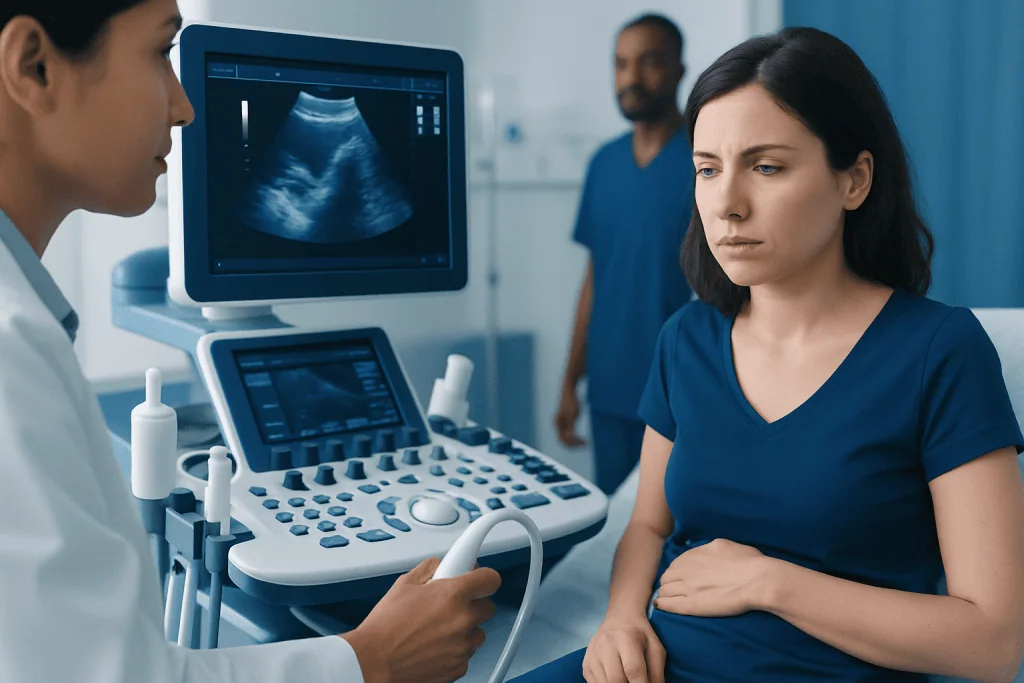
The hallmark symptom is abdominal pain, but the exact location and timing can vary. Pain may start as a vague ache near the navel before settling in the right lower abdomen. Some women describe it as cramping at first, while others notice a sharper or stabbing pain that gets worse with walking, coughing, or sudden movement.
Other common symptoms can include nausea, vomiting, loss of appetite, mild fever, bloating, and a general feeling of being unwell. Some people also have constipation or diarrhea. In pregnancy, the growing uterus can shift the appendix upward, so pain may be felt higher than expected.
Women may be more likely to wonder if pain is related to menstruation or reproductive organs, especially when discomfort is low in the pelvis. Symptoms that suggest the appendix rather than routine period pain include a steadily worsening pattern, pain focused more on one side, tenderness when the area is touched, and associated fever or vomiting.
- Pain that moves to the lower right abdomen
- Loss of appetite
- Nausea or vomiting after pain begins
- Low-grade fever
- Tenderness, especially with movement
- Bloating or change in bowel habits
Common causes and related conditions that can mimic appendix pain

The most important appendix-related cause is appendicitis, which means inflammation of the appendix. This can happen when the appendix becomes blocked by hardened stool, swelling of nearby tissue, or, less commonly, other causes. As pressure and inflammation build, pain and digestive symptoms tend to increase. For more on the condition itself, readers may find appendicitis helpful.
In females, several gynecologic conditions can resemble appendicitis. Examples include ovulation pain, ovarian cysts, ovarian torsion, endometriosis, ectopic pregnancy, and pelvic inflammatory disease. Some of these can also require urgent treatment, which is why severe or one-sided pelvic pain should always be assessed carefully.
Urinary and digestive conditions can also be mistaken for appendix pain. Kidney stones, urinary tract infections, constipation, inflammatory bowel conditions, and stomach infections may all cause lower abdominal discomfort. In some people, doctors also consider Crohn's disease or other bowel disorders if symptoms are ongoing or recurrent rather than sudden.
Because the symptom overlap is broad, self-diagnosis is unreliable. A healthcare professional considers the exact pain pattern, associated symptoms, age, menstrual history, pregnancy status, and test results before deciding on the likely cause.
How doctors diagnose the cause of right lower abdominal pain
Diagnosis starts with a detailed medical history and physical examination. The clinician asks when the pain started, where it began, whether it moved, and what other symptoms are present. Questions about the menstrual cycle, possible pregnancy, vaginal symptoms, urinary symptoms, and bowel changes are especially important in women.
Blood tests may look for signs of infection or inflammation, and urine tests can help identify urinary tract problems or kidney stones. In many women of reproductive age, a pregnancy test is also recommended because ectopic pregnancy can cause symptoms that mimic appendicitis and requires urgent attention.
Imaging often helps confirm the diagnosis. Ultrasound may be used first, especially in younger patients or during pregnancy, because it avoids radiation and can also evaluate the ovaries and uterus. Computed tomography can provide more detail when the diagnosis remains unclear. In selected situations, magnetic resonance imaging may also be considered.
The aim is not only to confirm appendicitis but also to rule out other urgent conditions. If imaging and examination suggest a surgical cause, a doctor may arrange prompt review by specialists experienced in general surgery.
Treatment options for appendicitis and other causes
Treatment depends on the diagnosis. If appendicitis is confirmed or strongly suspected, the standard treatment is often surgical removal of the appendix, particularly when symptoms are progressing or there is concern for rupture. In some carefully selected cases, doctors may discuss whether antibiotics are appropriate, but this decision depends on the clinical picture and imaging findings.
Surgery for appendicitis is commonly performed using minimally invasive techniques. This approach may support smaller incisions and a smoother recovery for many patients, although the best method depends on the individual’s condition. When surgery is needed, evaluation by teams experienced in laparoscopic surgery can be part of care planning.
If the pain is caused by another condition, treatment is directed at that problem. Ovarian cysts may need observation or gynecologic treatment, urinary infections may require antibiotics, and kidney stones may need pain control and additional procedures depending on size and location. Persistent digestive symptoms may lead to referral for gastroenterology assessment.
At the end of evaluation, some patients are discharged with advice to return if pain worsens or new symptoms appear. This is because abdominal pain can evolve over time, and a condition that seems unclear early on may become easier to diagnose later.
Prevention, self-care, and what not to do at home
There is no reliable way to prevent appendicitis, and it is not usually caused by anything a person did wrong. In general, maintaining overall digestive health with a balanced diet, enough fluids, and regular physical activity supports well-being, but these steps do not guarantee prevention.
For mild abdominal discomfort, rest and hydration may help while symptoms are being observed. Still, ongoing or localized right lower abdominal pain should not be managed at home for long without medical advice. People should be cautious about assuming pain is due to a menstrual period, indigestion, or a minor stomach bug if it keeps getting worse.
It is also wise to avoid taking strong pain medicine repeatedly to mask severe symptoms before assessment, since this can delay care. Heating pads, laxatives, or home remedies should not replace medical evaluation when appendicitis is possible. If there is uncertainty, it is safer to speak with a qualified clinician.
When to seek medical care
Medical care should be sought promptly if abdominal pain is severe, getting worse, or focused in the lower right side. The same is true when pain is accompanied by fever, vomiting, marked tenderness, bloating, inability to pass gas, faintness, or a rigid abdomen. These features can suggest appendicitis or another urgent abdominal or pelvic condition.
Immediate evaluation is especially important during pregnancy, after recent abdominal surgery, or when there is a chance of ectopic pregnancy. Women with one-sided pelvic pain plus dizziness, vaginal bleeding, or sudden worsening symptoms should not wait to see if it passes.
If symptoms are milder but continue for more than several hours, become more localized, or interfere with eating, drinking, walking, or sleeping, professional assessment is still recommended. Early evaluation can help distinguish appendix symptoms from other causes and reduce the risk of complications.
For patients seeking coordinated assessment, Acibadem International’s multidisciplinary specialists and JCI-accredited hospitals evaluate abdominal and pelvic pain in international patients and provide treatment when needed.
Frequently asked questions
Where is appendix pain usually felt in females?
Appendix pain often starts near the belly button and then moves to the lower right side of the abdomen. In some women, especially during pregnancy, the pain may be felt higher or more in the pelvis. The pattern can vary, which is why symptoms should be assessed in context.
Can appendix symptoms in female be mistaken for period pain?
Yes, they can. Menstrual cramps, ovulation pain, and ovarian conditions may feel similar at first, especially when pain is low in the abdomen. Pain that steadily worsens, becomes one-sided, or is associated with fever, nausea, or vomiting should be checked by a doctor.
What conditions can mimic appendicitis in women?
Common examples include ovarian cysts, pelvic inflammatory disease, ectopic pregnancy, kidney stones, urinary tract infections, constipation, and stomach infections. Some bowel conditions can also cause similar pain. Because several of these need urgent care, a professional evaluation is important.
Is appendicitis always accompanied by fever?
No. Some people have only mild fever or no noticeable fever early on. The absence of fever does not rule out appendicitis if the pain pattern and tenderness are concerning.
How quickly do appendix symptoms develop?
Symptoms often develop over several hours and may worsen over 12 to 24 hours, but the course is not identical in everyone. Pain that becomes more focused on the right lower abdomen and intensifies over time deserves attention. Early assessment is helpful when the pattern is changing.
Should someone eat or drink if appendicitis is suspected?
If appendicitis is strongly suspected, it is best to follow medical advice promptly rather than continue normal eating and drinking. In many cases, doctors prefer patients to avoid food for a period in case tests or surgery are needed. A healthcare professional can give the safest guidance based on the situation.
References
- National Institute of Diabetes and Digestive and Kidney Diseases
- American College of Obstetricians and Gynecologists
- American College of Surgeons
- National Health Service
- Mayo Clinic
This article is for general information only and is not a substitute for professional medical advice. Please consult a qualified doctor about your individual situation.
Persistent digestive symptoms? Get evaluated in Turkey
JCI-accredited · board-certified surgeons · reply within 24h
Add us as a Preferred Source to see more of our trusted health content across Google Search, AI Overviews and Discover.
Check your numbers in seconds
BMI, calories, due date, blood pressure and 30+ more clinical calculators — free, instant, doctor-reviewed ranges.

More from the Health Library



Related Specialists

Assoc. Prof. Dr. Esma Kobak Tur
Neurology
Prof. Dr. Yıldız Okuturlar
Internal Medicine
Fzt. Sabit Kılıç
Physical Medicine & Rehabilitation
Dr. Ulambadrakh Khenchbish
Orthopedic Surgery & Traumatology