Apple cider vinegar for kidney stones: A Complete Medical Guide for Patients

Apple cider vinegar has not been proven to dissolve kidney stones or replace medical treatment. Kidney stones differ by type, and treatment depends on stone size, location, symptoms, and infection risk.
Key Takeaways
- Apple cider vinegar has not been proven to dissolve kidney stones or replace medical treatment.
- Kidney stones differ by type, and treatment depends on stone size, location, symptoms, and infection risk.
- Hydration, dietary changes, and sometimes medicines are the main evidence-based ways to help prevent stones.
- Severe pain, fever, vomiting, or trouble passing urine need prompt medical assessment.
- Recurring stones should be evaluated to identify the cause and reduce future episodes.
Apple cider vinegar for kidney stones is widely discussed online, but it is not a proven way to dissolve or treat most stones. People with suspected kidney stones need the right diagnosis, pain control, hydration guidance, and a prevention plan based on the stone type.
Overview: Can apple cider vinegar help kidney stones?
Apple cider vinegar for kidney stones is a popular home-remedy topic, but current medical evidence does not show that it reliably dissolves kidney stones or treats an active stone episode. While vinegar contains acetic acid and may be used safely in small amounts as a food ingredient for many people, it should not be considered a substitute for a proper diagnosis or treatment plan.
Kidney stones are hard deposits that form when certain minerals and salts crystallize in the urine. Some small stones pass on their own, but others can cause significant pain, blockage, bleeding, or infection. The safest approach is to first confirm whether symptoms are truly due to a stone and then match treatment to the stone’s size, location, and likely type.
For people interested in complementary approaches, it helps to separate what is plausible from what is proven. Some dietary habits can change urine chemistry in helpful ways, especially when they increase fluid intake or citrate levels. However, apple cider vinegar itself is not an established therapy in kidney stone guidelines, and relying on it alone may delay care when medical treatment is needed.
What kidney stones are and why they happen
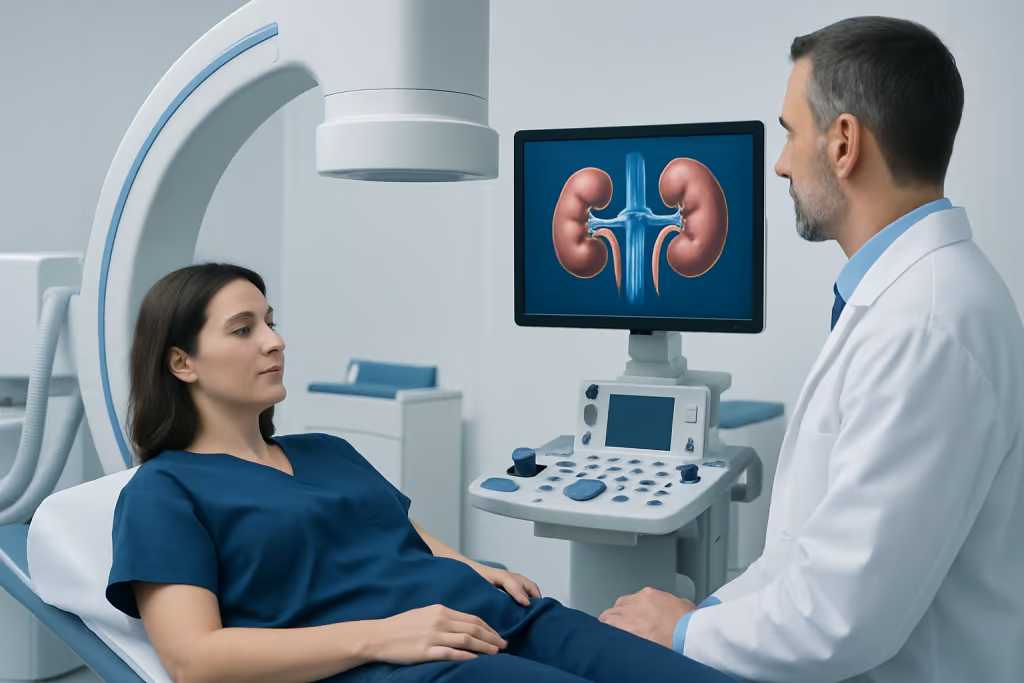
Kidney stones can form anywhere in the urinary tract, most often in the kidneys, and may move into the ureter, the tube that carries urine to the bladder. The most common stones are calcium oxalate stones, but other types include uric acid stones, struvite stones, and cystine stones. Each type has different risk factors and prevention strategies.
Stones usually develop when the urine becomes concentrated, allowing minerals to stick together and crystallize. This can happen with low fluid intake, excessive sweating without enough replacement, or certain dietary patterns. Some people also have inherited tendencies, digestive conditions that affect absorption, or medical problems that increase stone formation.
Because kidney stones are not all the same, there is no single home remedy that works for everyone. A plan that helps one person may be unhelpful or even inappropriate for another. That is why clinicians often recommend stone analysis, urine testing, and sometimes blood tests after a stone episode, especially if stones keep returning.
Symptoms and how a stone episode may feel

A kidney stone may cause sudden, intense pain in the side or back, often below the ribs. The pain can move toward the lower abdomen or groin as the stone travels. Many people describe the discomfort as coming in waves and changing in intensity.
Other common symptoms include nausea, vomiting, blood in the urine, pain or burning with urination, and needing to urinate more often. If a stone blocks urine flow, the pain may become severe. Some people may notice cloudy or foul-smelling urine, especially if an infection is also present.
Not every stone causes symptoms right away. Small stones can remain unnoticed until they move. A healthcare professional can help determine whether symptoms are due to a stone or another condition, such as a urinary tract infection, appendicitis, gallbladder disease, or another cause of abdominal pain. Patients with recurring urinary symptoms may benefit from evaluation for kidney stones.
Apple cider vinegar: what it may do, and its limits
The theory behind apple cider vinegar usually centers on its acetic acid content and the idea that acidity might break down stones. In practice, the body tightly regulates blood chemistry, and what matters more for stone formation is the composition of the urine over time. There is not enough good-quality clinical evidence showing that apple cider vinegar can dissolve existing stones in a reliable or predictable way.
Some people may feel better when taking vinegar diluted in water, but this does not prove that the stone is dissolving. Improvement can occur because a small stone is passing on its own, because the person is drinking more fluids overall, or because symptoms naturally fluctuate. This is one reason self-treatment can be misleading.
Apple cider vinegar may also have downsides. In larger amounts or when taken undiluted, it can irritate the throat, worsen reflux symptoms, affect tooth enamel, or upset the stomach. It may also interact with some medicines or be unsuitable for people with certain digestive concerns. For these reasons, patients should discuss regular use with a qualified doctor rather than using it as a primary treatment.
For active stone pain, evidence-based care is more important than home experimentation. Medical teams may recommend fluids, pain relief, observation, or procedures depending on the situation. If a stone is unlikely to pass, a specialist may discuss options such as ureteroscopy or shock wave lithotripsy.
Evidence-based diagnosis and treatment options
Diagnosis usually begins with a medical history, symptom review, urine tests, and imaging. Depending on the person and the urgency of the situation, imaging may include ultrasound or computed tomography. These tests help show the stone’s size and location and whether there is any blockage or complication.
Treatment depends on several factors. Small stones may pass with time, hydration guidance, and pain management. Doctors may also use medicines that help relax the ureter in selected cases. Larger stones, severe symptoms, obstruction, or infection may require urgent treatment to protect kidney function and relieve blockage.
Procedures are chosen based on the stone and the patient’s overall health. In addition to lithotripsy and ureteroscopy, some people need percutaneous nephrolithotomy for larger or more complex stones. The goal is not only to treat the current stone but also to reduce the risk of future episodes.
After the acute problem is managed, stone analysis and metabolic evaluation can be very helpful, especially for recurrent stones. This can identify whether calcium, uric acid, low citrate, high oxalate, or another factor is contributing. A targeted plan is usually more effective than general internet advice.
Prevention and self-care that are supported by medical guidance
The most consistently recommended prevention step is adequate fluid intake. The goal is to produce enough urine to keep it pale and less concentrated, though a doctor may give more specific targets based on an individual’s history. Water is usually the best main choice, and fluids should be spread through the day.
Diet can also matter. Depending on the stone type, clinicians may advise moderating sodium intake, avoiding excessive animal protein, and maintaining normal dietary calcium rather than cutting calcium too low. For calcium oxalate stones, some patients are advised to be mindful of high-oxalate foods and to pair oxalate-containing foods with calcium-containing foods at meals.
Citrate can help reduce stone formation in some people, and citrus fruits may be recommended as part of a broader prevention plan. However, this is different from assuming that any acidic food or drink can dissolve a stone. Supplements or medicines may be needed in some cases, especially when urine testing shows a specific imbalance.
Healthy weight management, regular follow-up, and treating related conditions such as recurrent urinary infections are also important. Patients who have repeated episodes may need a fuller urology workup, and related urinary tract problems may sometimes be assessed alongside conditions such as urinary tract infection.
When to seek medical care
Kidney stone symptoms should be assessed promptly if the pain is severe, if there is fever, if vomiting prevents keeping fluids down, or if there is difficulty passing urine. These can be warning signs of blockage, dehydration, or infection, all of which may need urgent treatment.
Medical advice is also important for pregnant patients, older adults, people with one kidney, and those with chronic kidney disease or weakened immune systems. Blood in the urine always deserves professional evaluation, even if it seems to come and go.
If symptoms are mild but persistent, or if stones keep recurring, a planned medical visit is still worthwhile. Identifying the stone type and the reason it formed can help prevent future episodes. Near the end of the care pathway, some international patients may choose centers such as Acibadem International, where multidisciplinary specialists in JCI-accredited hospitals diagnose and treat stone disease in a coordinated way.
Frequently asked questions
Can apple cider vinegar dissolve kidney stones?
There is no strong clinical evidence that apple cider vinegar can reliably dissolve kidney stones. Some stones pass on their own, which can make a home remedy seem effective when it may not be the true reason for improvement. A doctor can advise treatment based on the stone’s size, type, and location.
Is it safe to drink apple cider vinegar if someone has kidney stones?
Small amounts used in food are often tolerated by many people, but regular or concentrated use can irritate the stomach, throat, or tooth enamel. It may also not be suitable for everyone, especially those with reflux or certain medication needs. It is best discussed with a healthcare professional.
What actually helps prevent kidney stones?
The most evidence-based steps are drinking enough fluids, following dietary advice matched to the stone type, and taking prescribed medicines when needed. Prevention often depends on urine chemistry, so two people with stones may receive different recommendations. A tailored plan is usually more effective than a one-size-fits-all remedy.
When is a kidney stone an emergency?
A stone can become urgent if it causes fever, chills, uncontrolled pain, repeated vomiting, or trouble passing urine. These symptoms may suggest infection or significant blockage. Prompt medical care helps protect the kidneys and reduces complications.
Can lemon juice or citrate help more than apple cider vinegar?
Citrate is medically relevant because it can help reduce stone formation in some people, especially as part of an overall prevention plan. Lemon or other citrus intake may support citrate levels, but it is still not a stand-alone treatment for an active stone. Medical guidance is important to decide what is appropriate.
Should someone keep the stone if it passes?
Yes, if possible. Catching and saving a passed stone for analysis can help identify its type, which guides prevention. This information can be useful for reducing the risk of future stones.
References
- National Institute of Diabetes and Digestive and Kidney Diseases
- American Urological Association
- European Association of Urology
- National Kidney Foundation
- Mayo Clinic
This article is for general information only and is not a substitute for professional medical advice. Please consult a qualified doctor about your individual situation.
Explore treatments in Turkey — costs, top hospitals & a free quote
JCI-accredited · board-certified surgeons · reply within 24h
Add us as a Preferred Source to see more of our trusted health content across Google Search, AI Overviews and Discover.