Arching: An Evidence-Based Guide for Patients

Arching is a sign or posture pattern, not a diagnosis by itself. The meaning of arching depends on age, timing, associated symptoms, and how often it happens.
Key Takeaways
- Arching is a sign or posture pattern, not a diagnosis by itself.
- The meaning of arching depends on age, timing, associated symptoms, and how often it happens.
- In babies, arching may be linked to discomfort, reflux, overstimulation, or less commonly a neurologic problem.
- In older children and adults, arching can relate to posture, muscle spasm, pain, injury, or nervous system conditions.
- Urgent care is needed if arching happens with breathing difficulty, seizures, severe pain, weakness, confusion, fever, or after trauma.
Arching describes a backward bending posture of the back, neck, or whole body. It can happen for harmless reasons such as stretching or posture habits, but in some cases it may point to pain, reflux, muscle problems, or a neurologic condition and should be assessed in context.
What arching means
Arching usually refers to a noticeable backward bending of the body, most often the back and neck. People may use the word to describe several different patterns: a baby who throws the head and back backward, an adult who stands with an exaggerated lower-back curve, or a person whose body stiffens into a rigid arched position during pain or a neurologic event. Because the term is broad, the key question is not simply whether arching occurs, but when it happens, how often, and what other symptoms appear with it.
In many situations, arching is not dangerous by itself. It can happen during stretching, normal movement, emotional upset, or from posture habits developed over time. However, repeated or sudden arching can also be the body’s response to discomfort, muscle imbalance, injury, or a medical condition affecting the digestive system, spine, muscles, or brain and nerves.
For patients and families, it helps to think of arching as a clue rather than a diagnosis. A clinician will usually look at the person’s age, triggers, developmental stage, medical history, medications, and exam findings. That broader picture helps separate a normal behavior from a pattern that needs treatment.
How arching can look at different ages
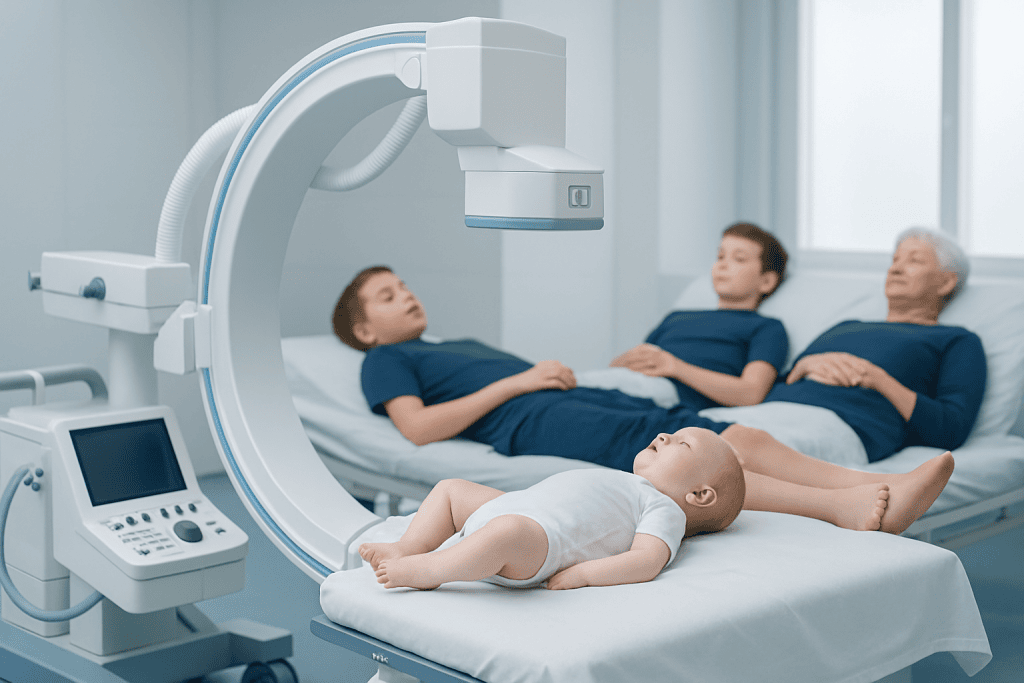
In infants, arching often means the baby stiffens the back, extends the neck, and pushes the body backward. This may happen during crying, feeding, burping, or when the baby is tired or overstimulated. Some babies arch briefly as part of normal movement, but frequent episodes, feeding problems, poor weight gain, unusual stiffness, or developmental concerns deserve medical review.
In toddlers and older children, arching may be seen with tantrums, sensory overload, muscle tightness, constipation discomfort, or less commonly neurologic disorders. Children may also arch because of pain in the abdomen, hips, or back, or because they are trying to avoid a position that feels uncomfortable.
In adults, arching often refers to an increased curve in the lower back, pain-related guarding, or episodes of body stiffening. It may be linked to poor posture, prolonged sitting, core weakness, pregnancy-related postural changes, arthritis, muscle spasm, or spinal problems. If the posture change is new, painful, progressive, or associated with numbness, weakness, balance changes, or bladder or bowel symptoms, formal assessment is important.
Common causes and contributing factors

One of the most common explanations for arching is discomfort. Babies may arch when they have gas, constipation, feeding discomfort, or reflux. Adults may arch in response to lower-back pain, abdominal pain, muscle strain, or joint stiffness. In these cases, the posture is often the body’s attempt to reduce pressure or cope with discomfort, even if it does not provide much relief.
Muscle and posture factors are also common. Tight hip flexors, weak abdominal muscles, poor sitting habits, spinal alignment issues, and repetitive physical strain can all contribute to an exaggerated lower-back curve. Some patients with scoliosis or other structural spine conditions may notice asymmetry, stiffness, or compensatory arching. When back or neck pain is persistent, doctors may evaluate for disc, joint, or soft tissue causes and may recommend rehabilitation or spine care evaluation when appropriate.
Neurologic causes are less common but important to recognize. Body arching can occur with seizures, severe muscle spasms, certain movement disorders, and conditions that affect muscle tone. In babies, marked stiffness, persistent arching, delayed milestones, or unusual movements may lead doctors to assess the nervous system more closely, sometimes including evaluation for conditions such as cerebral palsy. Medications, especially those that affect dopamine or cause dystonic reactions, can also lead to abnormal arching or twisting postures in both children and adults.
Other contributing factors may include injury, infection with high fever, severe anxiety, or rare disorders affecting the brain, muscles, or metabolism. Because the range is broad, recurrent arching should be interpreted alongside the rest of the person’s symptoms rather than in isolation.
Symptoms that may happen along with arching
Associated symptoms often provide the strongest clues about what arching means. In babies, doctors ask about feeding difficulty, frequent spit-up, choking, excessive crying, poor sleep, trouble gaining weight, unusual stiffness or floppiness, and whether the baby seems comforted by being held upright. Developmental milestones and how the baby uses the arms, legs, and eyes are also important.
In older children and adults, useful details include whether arching happens with pain, exercise, stress, certain positions, or after taking a new medication. People may also notice muscle spasm, reduced flexibility, numbness, tingling, weakness, headaches, dizziness, or balance problems. A rigid arched posture with confusion, loss of awareness, or shaking raises concern for a seizure or other urgent neurologic problem.
It can help to keep track of timing and triggers. For example, arching that appears mainly after feeds suggests a different pattern than arching that appears during walking, sleep, or after a fall. A short video of repeated episodes, especially in infants or when symptoms are hard to describe, can sometimes help a clinician understand the pattern more accurately.
- Possible clues to record: when it starts, how long it lasts, what happened just before it, and whether it can be interrupted.
- Also note: fever, vomiting, breathing changes, color change, severe crying, weakness, altered consciousness, or recent injury.
How doctors diagnose the cause
Diagnosis starts with a careful history and physical examination. The doctor will ask what arching looks like, whether it is intermittent or constant, and if it seems painful or involuntary. In infants, feeding patterns, growth, birth history, and development are reviewed. In adults, doctors often ask about work posture, exercise, prior injuries, medications, and symptoms involving the back, neck, digestion, or nerves.
The physical exam may assess posture, spinal alignment, muscle tone, strength, reflexes, joint movement, and tenderness. Depending on what is suspected, the evaluation may focus on the digestive tract, musculoskeletal system, or nervous system. If reflux, severe back pain, seizure-like activity, trauma, or a movement disorder is a possibility, more targeted testing may be considered.
Tests are not always needed. When they are, they may include blood tests, developmental assessment, imaging of the spine or brain, EEG for possible seizures, or specialist assessment in pediatrics, neurology, gastroenterology, or orthopedics. For persistent structural or pain-related problems, clinicians may recommend MRI imaging or referral for physical therapy and rehabilitation to better understand movement patterns and improve function.
Treatment and management options
Treatment depends on the underlying cause. If arching is related to posture, muscle imbalance, or mechanical back pain, first-line care often includes activity modification, stretching, strengthening, ergonomic advice, and guided rehabilitation. Building core strength, improving hip mobility, and changing prolonged sitting habits can reduce repeated strain on the lower back and improve posture over time.
When discomfort from feeding or digestion seems to be involved in infants, doctors may review feeding technique, positioning, burping, and whether symptoms fit reflux or another digestive issue. Families should avoid self-diagnosing based on arching alone, because many babies with simple fussiness or overstimulation can look similar to babies with pain. A pediatric assessment helps decide whether reassurance, monitoring, or additional treatment is needed.
If a neurologic problem, medication reaction, or severe muscle spasm is suspected, treatment focuses on that specific cause. This may include urgent care, medication review, or specialist referral. For patients with significant pain, weakness, developmental delay, repeated seizure-like episodes, or progressive deformity, a multidisciplinary approach can be useful. Near the end of the care pathway, some international patients choose centers such as Acibadem International, where multidisciplinary specialists in JCI-accredited hospitals evaluate and treat complex musculoskeletal, digestive, and neurologic causes of arching.
Self-care, prevention, and when to seek medical care
Self-care should match the likely cause. For adults with posture-related arching, practical steps include taking movement breaks, adjusting desk height, avoiding long periods in one position, strengthening the core and gluteal muscles, and stretching tight hip and chest muscles. Gentle exercise, supportive sleep positioning, and learning safe lifting techniques may also help. Babies may benefit from calm feeding routines, upright holding after feeds, paced burping, and avoiding overstimulation when tired.
Prevention is not always possible, especially when arching is caused by a neurologic or structural condition. Still, early attention to persistent pain, developmental concerns, medication side effects, and posture problems can reduce complications. Parents and caregivers should trust patterns they notice repeatedly, especially if the child seems uncomfortable or is not feeding or developing as expected.
Medical care should be sought promptly if arching happens with difficulty breathing, blue or pale color, loss of consciousness, shaking, severe or worsening pain, fever, repeated vomiting, new weakness, numbness, inability to walk, loss of bladder or bowel control, or after a head, neck, or back injury. In a baby, urgent evaluation is warranted for poor feeding, fewer wet diapers, marked lethargy, persistent inconsolable crying, developmental regression, or unusual stiffness. If symptoms are not urgent but keep recurring, a qualified doctor can help identify the cause and guide safe treatment.
Frequently asked questions
Is arching always a sign of a serious problem?
No. Arching can be a normal movement, a posture habit, or a response to temporary discomfort. It becomes more concerning when it is frequent, painful, new, progressive, or happens with other symptoms such as breathing changes, weakness, seizures, or feeding difficulties.
Why do babies arch their backs?
Babies may arch because they are upset, tired, overstimulated, or uncomfortable during or after feeds. Sometimes reflux, gas, constipation, or less commonly a neurologic issue can contribute. A pediatrician can help interpret the pattern in the context of feeding, growth, and development.
Can poor posture cause arching in adults?
Yes. Prolonged sitting, weak core muscles, tight hip flexors, and repetitive strain can all lead to an exaggerated lower-back curve or pain-related arching. Posture-related arching often improves with exercise, ergonomic changes, and physical therapy.
When should arching be treated as an emergency?
Emergency care is important if arching occurs with trouble breathing, severe injury, loss of consciousness, seizure-like movements, sudden weakness, confusion, or loss of bladder or bowel control. In babies, urgent care is also needed for poor feeding, dehydration, unusual sleepiness, or color change.
How is the cause of arching diagnosed?
Doctors usually start with a detailed history and physical examination. They may ask about triggers, associated symptoms, development, medications, and pain. Depending on the findings, tests such as imaging, neurologic studies, or specialist evaluations may be recommended.
Can arching be prevented?
Not always, because prevention depends on the cause. In adults, maintaining good posture, flexibility, and core strength can lower the risk of posture-related arching. In infants, careful feeding routines and prompt assessment of persistent discomfort or developmental concerns can be helpful.
This article is for general information only and is not a substitute for professional medical advice. Please consult a qualified doctor about your individual situation.
Persistent digestive symptoms? Get evaluated in Turkey
JCI-accredited · board-certified surgeons · reply within 24h
Add us as a Preferred Source to see more of our trusted health content across Google Search, AI Overviews and Discover.

More from the Health Library
Inversion Table — Explained by Medical Evidence, Not Myths

Catnip Tea — Explained by Medical Evidence, Not Myths

Prozac Withdrawal — Explained by Medical Evidence, Not Myths

Glp-1: What Patients Need to Know

Red Nose: An Evidence-Based Guide for Patients