Are Styes Contagious? Here Is What the Evidence Says

Most styes are harmless, short-term eyelid bumps that improve with warm compresses. A stye itself is usually not contagious, but bacteria from the skin or eyelid can spread on hands, towels, or eye makeup.
Key Takeaways
- Most styes are harmless, short-term eyelid bumps that improve with warm compresses.
- A stye itself is usually not contagious, but bacteria from the skin or eyelid can spread on hands, towels, or eye makeup.
- Redness that spreads, severe pain, vision changes, fever, or a bump that does not improve should be assessed by a doctor.
- Doctors diagnose styes mainly by examining the eyelid and checking for signs of other eye conditions.
- Good eyelid hygiene, hand washing, and not sharing eye products can help reduce recurrence and spread of bacteria.
In most cases, styes are not considered contagious in the same way as common eye infections such as pink eye. They are usually a localized blockage and infection of an eyelid oil gland, although the bacteria involved can sometimes be transferred through shared items or poor hand hygiene.
Overview: Are styes contagious?
Usually, the answer to are styes contagious is no. A stye is most often a small, localized infection or inflammation involving an oil gland or eyelash follicle in the eyelid, and it does not typically spread from person to person the way viral conjunctivitis can.
That said, the bacteria commonly linked to styes, often bacteria that normally live on the skin, can be transferred by touch. If a person rubs the eye and then shares towels, pillowcases, makeup, or contact lens items, bacteria may spread to another person or to the other eye. This does not mean a stye is highly contagious, but it does mean careful hygiene matters.
Most styes are harmless and improve within days to a couple of weeks with simple self-care. The main concerns are comfort, preventing irritation, and recognizing when symptoms may point to a deeper infection or another eyelid condition that needs medical attention.
What a stye is and how it differs from other eye problems
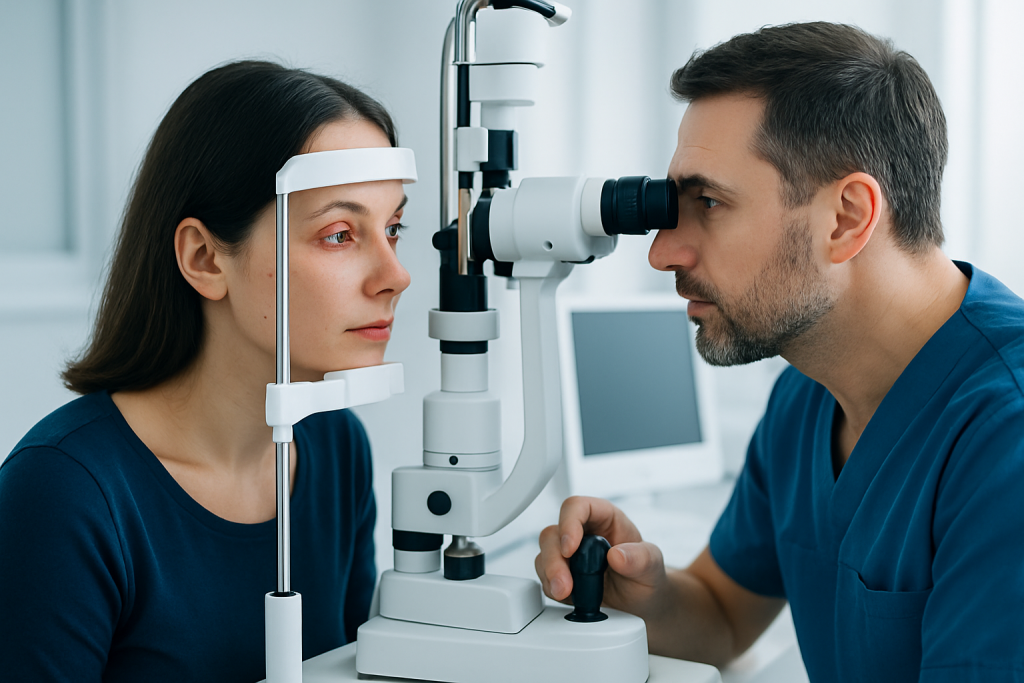
A stye, also called a hordeolum, is a tender red bump that forms near the edge of the eyelid or sometimes a little deeper inside it. It develops when an oil-producing gland or eyelash follicle becomes blocked and inflamed, often with bacterial involvement. The area may look similar to a pimple and can feel sore, warm, or swollen.
Styes are commonly confused with a chalazion, which is another eyelid lump caused by a blocked oil gland. A chalazion is usually less painful and may persist longer because it is often more of an inflammatory blockage than an active infection. People may also confuse styes with conjunctivitis, but conjunctivitis usually affects the eye surface and causes more diffuse redness, discharge, or itching rather than a single painful bump on the eyelid.
Knowing the difference is helpful because the answer to “are styes contagious” is not the same as the answer for some other eye conditions. For example, certain forms of conjunctivitis can spread easily, while a typical stye remains localized. If an eyelid lump keeps returning or does not behave like a simple stye, an eye doctor may look for other causes.
Symptoms to expect and red flags to watch for

The most common stye symptoms include a painful or tender bump on the eyelid, mild swelling, redness, tearing, and a sensation that something is in the eye. Some people notice crusting along the lashes or increased sensitivity to light. The bump may point outward near the eyelashes or inward if a deeper gland is involved.
Many styes remain small and improve gradually. Warm compresses often help the blocked gland drain naturally, and discomfort usually eases as swelling goes down. Even when the stye looks prominent, it is often more uncomfortable than dangerous.
However, certain signs deserve prompt medical review. These include redness spreading beyond the eyelid, marked swelling that makes it hard to open the eye, worsening pain, fever, pus that seems excessive, vision changes, double vision, or symptoms that do not improve after about one to two weeks. These features can suggest a broader eyelid infection such as cellulitis around the eye area or another problem needing treatment.
Why styes happen and whether they can spread
Styes often develop when an eyelid oil gland becomes blocked and bacteria multiply in that trapped material. The bacteria most often involved are common skin bacteria, especially Staphylococcus species. This is why a person can develop a stye without having “caught” it from someone else.
Several factors can raise the chance of developing a stye. These include touching the eyes with unwashed hands, not removing eye makeup, using old or contaminated eye cosmetics, wearing contact lenses without proper hygiene, chronic blepharitis, oily skin conditions, and rosacea. People who have repeated eyelid inflammation may be more prone to recurrent styes or chalazia.
So, can styes spread at all? The stye itself does not usually pass directly from one person to another as a disease. But bacteria from the affected eyelid can move by contact. For that reason, it is sensible not to share face cloths, towels, eye drops, eyeliner, mascara, or contact lens supplies until the eye has healed.
- Wash hands before and after touching the face or eyes.
- Avoid squeezing or popping the bump.
- Do not share eye makeup or personal linens.
- Replace old eye makeup after recovery.
How doctors diagnose a stye
If symptoms are typical, doctors usually diagnose a stye through a simple clinical examination. They look closely at the eyelid margin, the size and location of the bump, the degree of redness and swelling, and whether there is crusting, drainage, or tenderness. In many cases, no special tests are needed.
Because most styes are mild, doctors first focus on confirming that the problem is indeed a stye and not another cause of eyelid swelling. Depending on symptoms, they may also check the surface of the eye, eye movements, visual clarity, and the surrounding skin. This helps distinguish a routine stye from a chalazion, blepharitis, conjunctivitis, allergic swelling, or a deeper infection.
If a lump is persistent, keeps returning in the same location, or has unusual features, an ophthalmologist may recommend closer follow-up. This is important because not every eyelid bump is a simple stye. At centers such as Acibadem International, multidisciplinary specialists in JCI-accredited hospitals evaluate eyelid and eye complaints for international patients using a careful, stepwise approach.
Treatment options and home care
Most styes improve with conservative care. The usual first step is a warm compress placed over the closed eyelid for several minutes, several times a day. Heat can help soften blocked material and encourage natural drainage. The eyelid should be kept clean, and rubbing, squeezing, or trying to pop the bump should be avoided because this can worsen inflammation.
During recovery, it is usually best to stop using eye makeup and to avoid contact lenses until the eyelid has healed. If eyelid inflammation is ongoing, doctors may suggest lid hygiene measures such as gentle cleansing of the eyelid margins. For people with repeated styes related to underlying lid disease, managing blepharitis or skin conditions can lower the chance of recurrence.
Some patients need medical treatment if the stye is large, very painful, or not improving. A doctor may prescribe medicines in selected cases, especially if there are signs of bacterial spread or associated eyelid disease. If the lump becomes persistent or behaves more like a chalazion, an ophthalmologist may discuss further options, including minor chalazion or eyelid lump treatment or a broader eye assessment.
Prevention and self-care habits that help
Preventing styes is mostly about reducing blockage and bacterial transfer around the eyelids. Gentle daily hygiene can be particularly helpful for people who wear eye makeup, have blepharitis, or are prone to oily eyelids. Small routines often make a noticeable difference over time.
Useful preventive steps include washing hands regularly, removing makeup before sleep, cleaning contact lenses exactly as advised, replacing eye cosmetics on schedule, and avoiding shared eye products. If eyelid crusting or irritation is frequent, regular lid cleansing may help keep the gland openings clearer.
People who get repeated styes should not assume this is simply bad luck. Recurrent episodes can be linked to chronic eyelid inflammation, rosacea, seborrheic dermatitis, or meibomian gland dysfunction. In such cases, an eye specialist may recommend assessment for related conditions and, if needed, additional care such as a detailed eye examination.
When to seek medical care
Although most styes settle without complications, medical review is sensible when symptoms are severe or not following the usual pattern. A doctor should assess a stye if it does not improve after a week or two of home care, keeps coming back, or causes significant swelling, drainage, or pain.
Urgent assessment is especially important if there is fever, redness spreading into the cheek or around the eye, inability to move the eye normally, vision changes, or a child with increasing swelling and discomfort. These symptoms can suggest a problem beyond a simple stye and should not be ignored.
An eye specialist may recommend treatment for related eyelid disorders or investigate other causes of a persistent lump. If symptoms point to a more complex eye condition, the evaluation may also involve care pathways related to ophthalmology assessment and treatment. Seeking timely advice is reassuring because most causes of eyelid swelling are very manageable once correctly identified.
Frequently asked questions
Can someone catch a stye from another person?
Usually, no. A stye is generally a localized eyelid problem rather than an infection that spreads easily from person to person. However, bacteria can be transferred on hands, towels, or eye makeup, so hygiene is still important.
Is it safe to go to work or school with a stye?
In most cases, yes, because a typical stye is not considered highly contagious. The key is to avoid touching the eye, wash hands often, and not share personal items such as towels or cosmetics. If there is significant discharge, severe swelling, or another suspected eye infection, medical advice is sensible.
Should a stye be popped or squeezed?
No. Squeezing a stye can worsen irritation and may spread bacteria or inflammation into nearby tissue. Warm compresses are the safer first step because they support natural drainage without added trauma.
How long does a stye usually last?
Many styes start to improve within a few days and resolve within one to two weeks. Recovery can vary depending on the size of the stye and whether there is associated eyelid inflammation. If it persists or recurs, a doctor should evaluate it.
Can eye makeup or contact lenses cause a stye?
They can contribute, especially if makeup is old, contaminated, or not removed properly, or if contact lens hygiene is poor. These factors can increase blockage and bacterial transfer around the eyelid. Avoiding makeup and contact lenses during an active stye is usually recommended.
What is the difference between a stye and pink eye?
A stye usually causes a tender, localized bump on the eyelid. Pink eye, or conjunctivitis, affects the surface of the eye and often causes more widespread redness, discharge, burning, or itching. Some forms of conjunctivitis are contagious, while a typical stye usually is not.
This article is for general information only and is not a substitute for professional medical advice. Please consult a qualified doctor about your individual situation.
Explore treatments in Turkey — costs, top hospitals & a free quote
JCI-accredited · board-certified surgeons · reply within 24h
Add us as a Preferred Source to see more of our trusted health content across Google Search, AI Overviews and Discover.

More from the Health Library

Adrenal Cancer Symptoms Explained: Common Triggers and Red Flags

Can Wiping with a Paper Towel Irritate? A Doctor-Reviewed Answer

Is Cholesterol a Steroid? Here Is What the Evidence Says

When Will Positive Pregnancy Test? Causes, Explanations, and Next Steps

Is Fluoride Bad for You? Causes, Explanations, and Next Steps