Artificial Heart: What Patients Need to Know
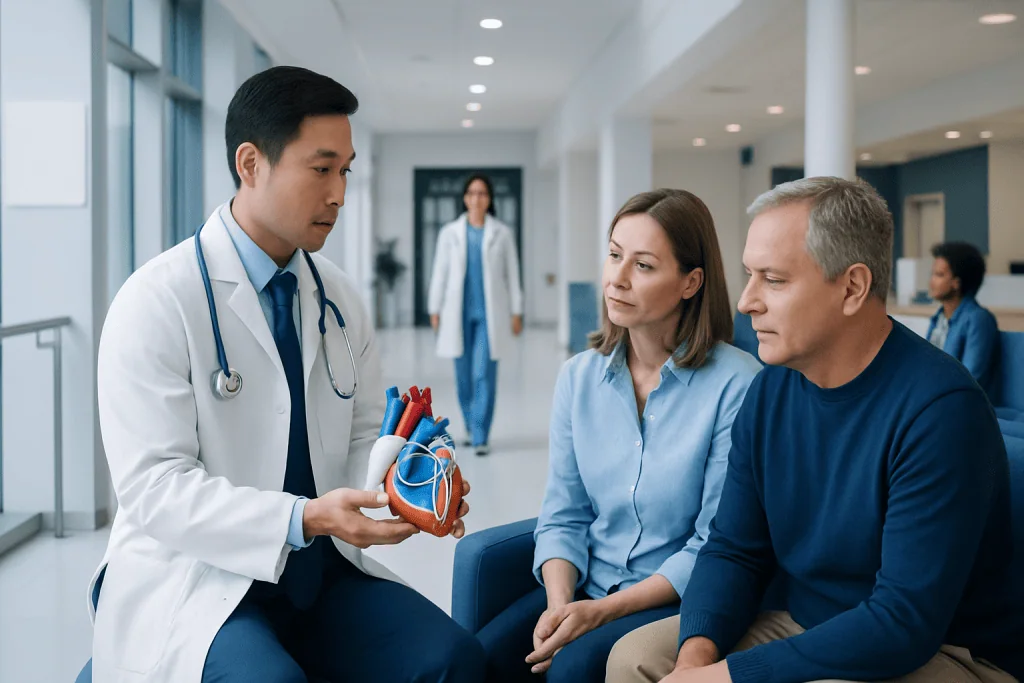
An artificial heart is used for severe heart failure when standard treatments are no longer enough. Some devices replace the heart’s pumping function, while others help the existing heart pump blood.
Key Takeaways
- An artificial heart is used for severe heart failure when standard treatments are no longer enough.
- Some devices replace the heart’s pumping function, while others help the existing heart pump blood.
- These devices may be used as a bridge to heart transplant, during recovery, or as longer-term therapy in selected patients.
- Care involves surgery, close follow-up, medicines, and daily device management.
- Early specialist evaluation is important for people with worsening symptoms of advanced heart failure.
An artificial heart is a mechanical device used when the natural heart can no longer pump enough blood to meet the body’s needs. In practice, this may mean a total artificial heart that replaces the heart’s pumping chambers, or a ventricular assist device that helps one or both sides of the heart work more effectively.
Overview: What an Artificial Heart Means
An artificial heart is a mechanical device that helps maintain blood circulation when the natural heart is unable to pump blood effectively enough for daily life. For many patients, the term is used broadly, but it can refer to different technologies. A total artificial heart replaces the pumping action of the heart’s lower chambers, while a ventricular assist device supports the weakened heart rather than replacing it completely.
These devices are most often considered in advanced heart failure, when symptoms continue despite medicines, lifestyle changes, and other heart treatments. They are not routine treatments for common heart disease. Instead, they are highly specialized options used after careful assessment by a multidisciplinary team.
The main goal is to improve blood flow to vital organs, reduce severe symptoms such as breathlessness and exhaustion, and support patients who are waiting for a transplant or who are not transplant candidates. In some situations, doctors may discuss device therapy alongside other advanced options for heart failure and heart transplant.
Types of Artificial Heart Devices
There are two main categories patients may hear about. A total artificial heart is designed to take over the work of both lower pumping chambers of the heart, called the ventricles. It is generally used in very specific situations when both sides of the heart are severely failing and other support methods are not suitable.
More commonly, patients receive a ventricular assist device, often called a VAD. A left ventricular assist device, or LVAD, helps the left side of the heart pump blood to the body. A right ventricular assist device supports the right side, and in some cases both sides may need support. Because these devices assist the heart rather than fully replace it, many people still have part of their own heart functioning.
Doctors choose the device type based on the cause and severity of heart failure, overall health, transplant eligibility, and whether the heart problem may improve. Related treatment planning may include ventricular assist device (VAD) therapy or advanced procedures such as heart surgery depending on the patient’s condition.
Patients may also hear terms such as bridge to transplant, bridge to recovery, and destination therapy. These describe the purpose of the device rather than the device itself. For example, a device may keep someone stable until a donor heart becomes available, support temporary recovery, or serve as longer-term treatment when transplant is not planned.
Who May Need an Artificial Heart
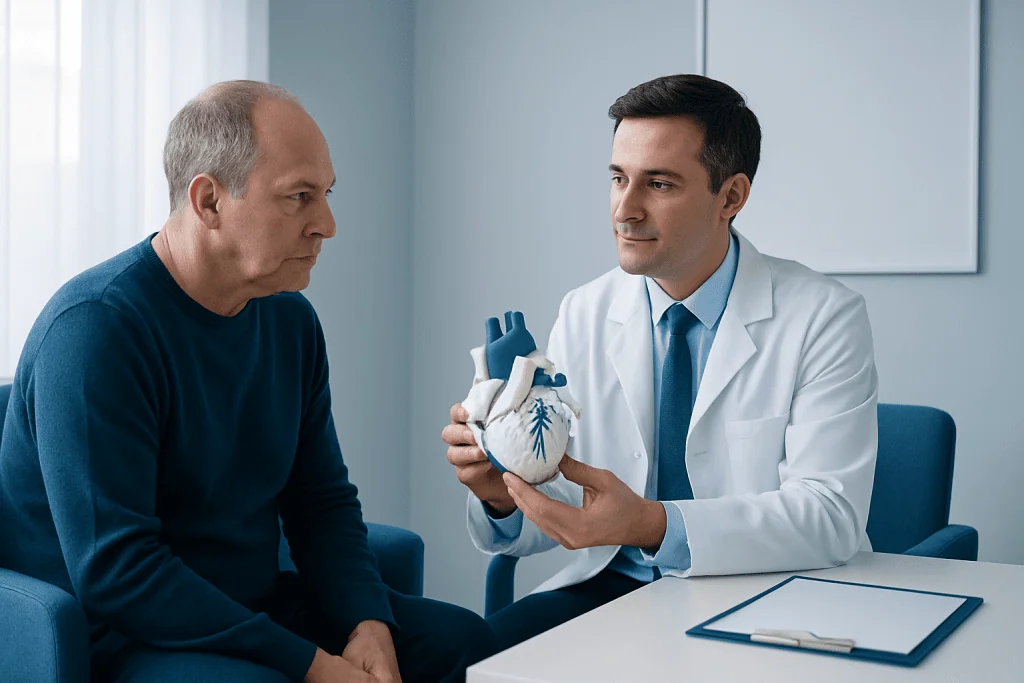
Artificial heart devices are usually considered for people with advanced or end-stage heart failure. This means the heart can no longer pump enough blood even with guideline-based medicines and other standard treatments. Symptoms often include shortness of breath with minimal activity, severe fatigue, swelling in the legs or abdomen, frequent hospital stays, and difficulty carrying out everyday tasks.
Several conditions can lead to this stage of illness. These include severe weakening of the heart muscle, damage after a major heart attack, inherited cardiomyopathies, viral injury to the heart, and certain valve or congenital heart conditions. In some patients, the heart becomes too weak over time despite careful treatment.
Not everyone with severe heart disease is a candidate. Doctors also look at kidney function, lung health, infection risk, bleeding risk, nutritional status, and the patient’s ability to manage follow-up care. Emotional readiness, family support, and understanding of daily device care are important parts of the decision as well.
Because these devices are complex, evaluation is usually performed in centers with expertise in advanced heart failure and mechanical circulatory support. The aim is to decide which option offers the safest and most meaningful improvement in quality of life and long-term care planning.
How Doctors Evaluate and Diagnose the Need
The need for an artificial heart is not based on one test alone. Specialists begin with a detailed review of symptoms, prior heart disease, current medicines, and how much daily activity the patient can tolerate. They also assess whether episodes of low blood pressure, repeated hospital admissions, or signs of poor organ perfusion are present.
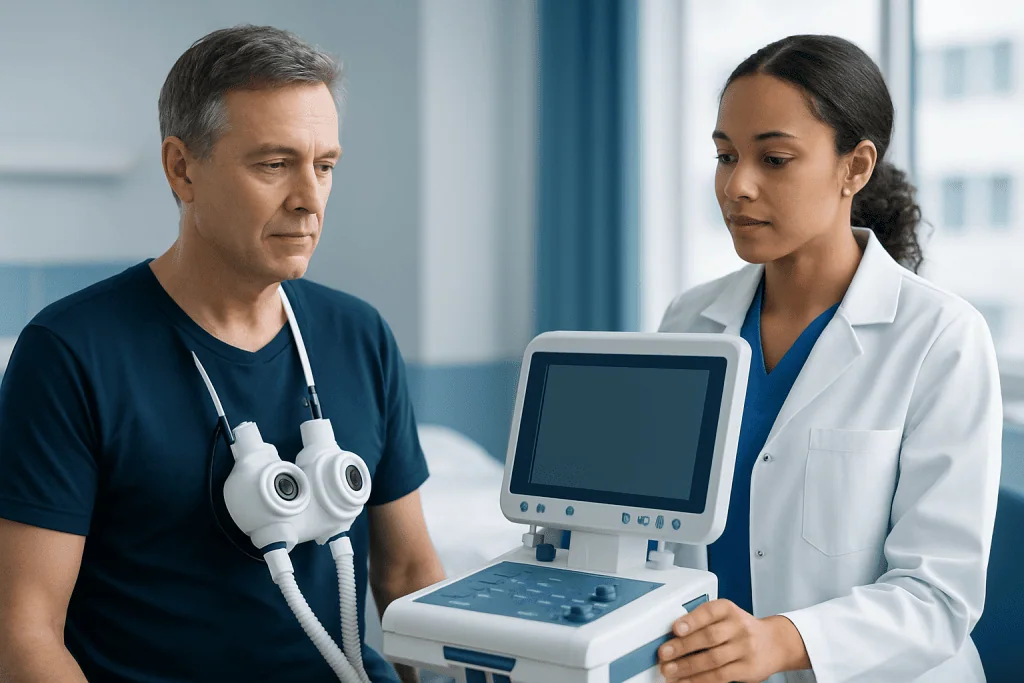
Testing often includes echocardiography to measure pumping strength and examine the heart’s structure. Blood tests help evaluate kidney and liver function, anemia, infection, and markers of heart strain. Electrocardiograms, chest imaging, exercise evaluation, and right heart catheterization may also be used to understand circulation and pressure within the heart and lungs.
Doctors then review whether all appropriate standard treatments have been tried. This may include medicines, implantable rhythm devices, revascularization, or surgery for structural problems. If symptoms remain severe despite these measures, advanced support options become part of the discussion.
The evaluation process also includes screening for transplant suitability, discussion of risks and goals, and practical planning for rehabilitation and home care. Patients and families are encouraged to ask questions and understand both the benefits and responsibilities of living with a mechanical support device.
Treatment, Surgery, and Life After Implantation
Implanting an artificial heart device requires major surgery performed by an experienced cardiac team. The device is connected to the heart and blood vessels so it can move blood through the body. After surgery, patients are monitored closely in intensive care, where doctors watch heart function, blood pressure, breathing, kidney function, and the performance of the device itself.
Recovery continues over weeks to months and usually includes rehabilitation, medication adjustment, wound care, and education on how to manage the device. Many patients need blood-thinning medicines to reduce the risk of clot formation. Teams also teach patients and caregivers how to handle power supplies, alarms, batteries, and the driveline or external components when present.
Life with an artificial heart device can improve symptoms and activity for some people, but it also requires ongoing medical follow-up. Possible complications include bleeding, blood clots, stroke, infection, device malfunction, and problems related to the right side of the heart or other organs. Because of these risks, regular appointments and prompt reporting of new symptoms are essential.
In selected international cases, Acibadem International’s multidisciplinary specialists in JCI-accredited hospitals assess advanced heart failure and provide device-based treatment pathways for patients who may need highly specialized cardiac support.
Daily Self-care and Practical Living Considerations
Self-care after implantation focuses on safety, consistency, and communication with the care team. Patients are usually advised to take medicines exactly as prescribed, attend follow-up visits, monitor for swelling or breathlessness, and keep all device components clean and functioning correctly. Learning these routines can feel demanding at first, but structured teaching and support often make them more manageable over time.
Daily life may need some adjustments. Physical activity is often encouraged in a supervised and gradual way because movement can support recovery and strength. However, the type and intensity of exercise should always follow the medical team’s instructions. Nutrition, fluid guidance, and weight tracking may also be part of the care plan, especially for patients with ongoing heart failure.
Infection prevention is especially important when a device has an external driveline. Patients should follow wound-care instructions carefully and report redness, drainage, fever, or pain. They may also need practical advice for sleep, bathing, travel, and emergency planning, including carrying device information and backup equipment.
Emotional adjustment matters too. It is common to experience worry, frustration, or uncertainty while adapting to a device. Counseling, family education, support groups, and cardiac rehabilitation can help patients build confidence and maintain quality of life.
When to Seek Medical Care
Anyone with symptoms of worsening heart failure should seek medical advice promptly. This includes increasing shortness of breath, severe fatigue, swelling of the legs or abdomen, rapid weight gain, dizziness, fainting, chest discomfort, or repeated need for urgent care. These symptoms do not always mean an artificial heart is needed, but they do require timely evaluation.
For people already living with a device, urgent medical assessment is important if alarms sound unexpectedly, the power system is interrupted, bleeding occurs, or signs of stroke develop such as facial drooping, sudden weakness, confusion, or difficulty speaking. Fever, worsening wound redness, or drainage should also be reported quickly because infection can become serious.
Emergency care is needed for severe breathing difficulty, loss of consciousness, sudden collapse, or major chest pain. Patients and caregivers should know in advance whom to call during and after working hours and should keep device instructions and emergency contacts readily available.
Early referral to an advanced heart failure center can help clarify whether symptoms are best managed with medicines, procedures, transplant evaluation, or mechanical support. Seeking help before the condition becomes critical often improves planning and decision-making.
Frequently asked questions
Is an artificial heart the same as a pacemaker?
No. A pacemaker helps control the heart’s electrical rhythm, while an artificial heart device helps move blood when the heart muscle cannot pump well enough. They are used for very different problems.
Does an artificial heart permanently replace the human heart?
Sometimes, but not always. A total artificial heart can take over pumping function in selected cases, while a ventricular assist device usually supports the patient’s own heart. The exact role depends on the device type and the patient’s treatment plan.
Who is a candidate for an artificial heart device?
Candidates are usually people with advanced heart failure whose symptoms remain severe despite standard treatment. Doctors also consider overall health, other organ function, infection risk, and whether the patient can safely manage long-term follow-up and device care.
Can a person live at home with an artificial heart device?
Many patients can return home after recovery and training, especially with ventricular assist devices. Safe home living depends on medical stability, understanding of device management, caregiver support, and regular follow-up with the treatment team.
What are the main risks of an artificial heart?
Important risks include bleeding, blood clots, stroke, infection, and device malfunction. These risks vary by device type and by the patient’s underlying health, which is why close monitoring is so important.
Is an artificial heart only used while waiting for a transplant?
No. Some devices are used as a bridge to transplant, but others may be used while the heart recovers or as longer-term therapy when transplant is not suitable. The treatment goal is individualized for each patient.
References
- American Heart Association
- National Heart, Lung, and Blood Institute
- Centers for Disease Control and Prevention
- European Society of Cardiology
- International Society for Heart and Lung Transplantation
This article is for general information only and is not a substitute for professional medical advice. Please consult a qualified doctor about your individual situation.
Explore treatments in Turkey — costs, top hospitals & a free quote
JCI-accredited · board-certified surgeons · reply within 24h
Add us as a Preferred Source to see more of our trusted health content across Google Search, AI Overviews and Discover.
Check your numbers in seconds
BMI, calories, due date, blood pressure and 30+ more clinical calculators — free, instant, doctor-reviewed ranges.