Ascites in Cancer: Abdominal Swelling, Causes, and Relief Options

Ascites in cancer is a buildup of fluid in the abdomen, often called malignant ascites. Common symptoms include abdominal swelling, bloating, early fullness, shortness of breath, and discomfort.
Key Takeaways
- Ascites in cancer is a buildup of fluid in the abdomen, often called malignant ascites.
- Common symptoms include abdominal swelling, bloating, early fullness, shortness of breath, and discomfort.
- Doctors diagnose ascites with a physical exam, imaging, and sometimes testing a sample of the fluid.
- Treatment may include draining the fluid, medicines, and cancer treatment when appropriate.
- Prompt medical advice is important if swelling worsens quickly, breathing becomes difficult, or fever develops.
Ascites in cancer means fluid builds up inside the abdomen, leading to swelling, pressure, and discomfort. Relief is often possible through drainage, medicines, and treatment of the underlying cancer, with care tailored to the person’s symptoms and overall health.
Overview
Ascites in cancer is a condition in which fluid collects inside the abdominal cavity. This can make the belly look swollen or feel tight and heavy. In people with cancer, this fluid buildup may happen when cancer affects the lining of the abdomen, blocks normal fluid drainage, or changes how the body handles fluid.
The term malignant ascites is often used when the fluid buildup is directly related to cancer. It can occur with several cancers, especially ovarian, gastrointestinal, pancreatic, liver, and other advanced cancers. In some people, ascites is one of the signs that a cancer is progressing. In others, it may appear earlier and become part of ongoing symptom management.
Although ascites can be distressing, treatment can often help reduce symptoms and improve comfort. Management usually focuses on two goals: relieving pressure from the fluid and addressing the underlying cause whenever possible. A care plan is usually individualized based on symptoms, the type of cancer, and the person’s overall condition.
Symptoms of Ascites in Cancer
Symptoms may develop gradually or appear more quickly, depending on how fast the fluid builds up. The most noticeable sign is abdominal swelling. Clothes may feel tighter, body weight may increase even without eating more, and the abdomen may feel stretched or firm.
Many people also notice pressure, bloating, indigestion, or pain. The fluid can press on the stomach, leading to early fullness, nausea, or reduced appetite. This may make eating regular meals difficult and can contribute to weakness over time.
If the fluid becomes more significant, it can push upward on the diaphragm and make breathing less comfortable, especially when lying down. Some people may also have reduced mobility, fatigue, constipation, or a feeling of heaviness in the lower abdomen.
- Abdominal swelling or increased waist size
- Bloating, pressure, or discomfort
- Feeling full quickly when eating
- Nausea or reduced appetite
- Shortness of breath, especially when reclining
- Unexplained weight gain from fluid retention
Causes and Risk Factors

In cancer, ascites can develop for several reasons. Cancer cells may spread to the peritoneum, the thin lining of the abdomen, and irritate it so that extra fluid is produced. Tumors can also block lymphatic channels, which normally help remove fluid. When drainage is impaired, fluid may gradually collect.
Another cause is increased pressure in blood vessels or changes in protein levels in the blood. Some cancers, especially those involving the liver or affecting liver function, can contribute to fluid retention. In certain cases, treatment side effects or poor nutrition may also play a role.
Ascites is more commonly associated with cancers of the ovary, colon, stomach, pancreas, and liver, but it can happen with other cancers as well. People who have advanced abdominal or pelvic cancers may be at higher risk. However, not every person with these cancers develops ascites, and the exact reason can differ from one individual to another.
Because abdominal swelling can have other causes, doctors often consider a broad range of possibilities. These may include liver disease, infection, heart or kidney problems, or other conditions unrelated to cancer. Careful evaluation helps guide the most appropriate treatment plan.
How Doctors Diagnose It
Diagnosis begins with a medical history and physical examination. A doctor may ask when the swelling started, whether it is worsening, and what other symptoms are present, such as pain, nausea, constipation, or breathing changes. During the examination, the abdomen may appear enlarged, tense, or unusually full.
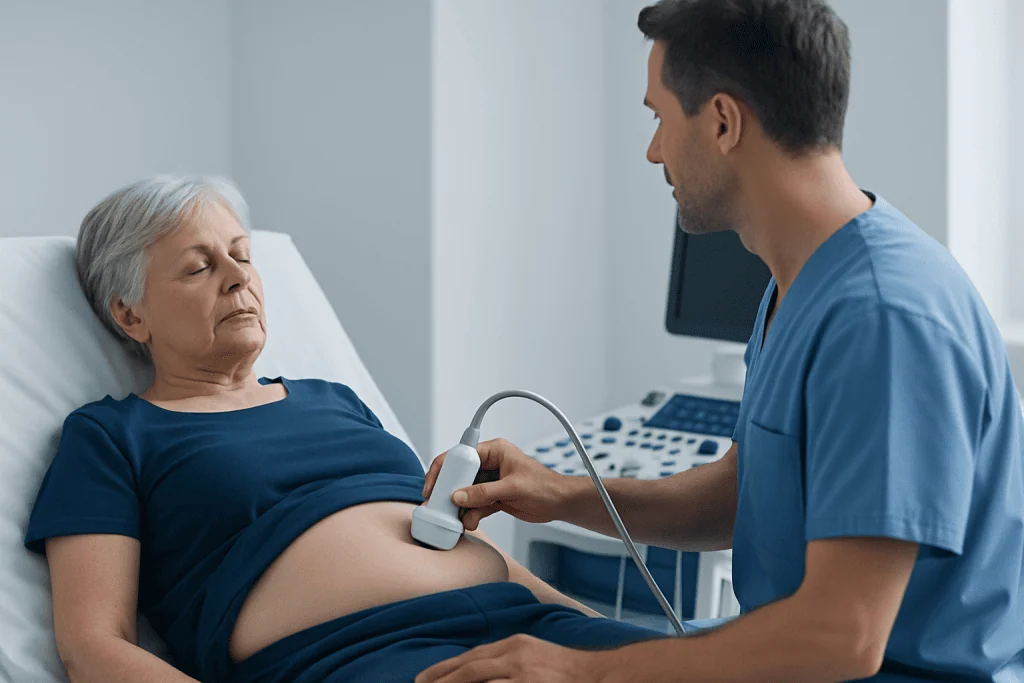
Imaging tests are commonly used to confirm the presence of fluid and estimate how much is there. Ultrasound is often a first step because it can show even relatively small amounts of fluid. Computed tomography may also be used, especially when the care team needs more detail about the cancer and surrounding organs; in some situations, PET-CT imaging may help assess the broader cancer picture.
Doctors may recommend a procedure called paracentesis, in which a needle is used to remove some fluid from the abdomen. This can be done to relieve symptoms and also to test the fluid. Laboratory analysis may look at protein levels, signs of infection, and whether cancer cells are present.
The diagnosis process also helps distinguish malignant ascites from other causes. This matters because treatment choices can be different depending on whether the fluid is mainly related to cancer spread, liver involvement, inflammation, or another medical problem.
Treatment and Relief Options
Treatment depends on how severe the symptoms are, how quickly the fluid returns, and what type of cancer is involved. The most direct way to relieve pressure is paracentesis, which drains fluid from the abdomen. Many people feel more comfortable afterward, with less tightness, better breathing, and improved ability to eat.
If fluid builds up again, repeated drainage may be needed. In selected cases, the care team may discuss longer-term drainage approaches or other supportive measures. Medicines such as diuretics may help some patients, although they are not equally effective for all types of cancer-related ascites.
Treating the underlying cancer may also reduce fluid buildup in some situations. Depending on the cancer type and overall treatment plan, options may include chemotherapy, targeted therapy, or other systemic treatments. When there is a known related cancer diagnosis, such as ovarian cancer, controlling the cancer can sometimes improve ascites symptoms.
Supportive and palliative care are also important. The aim is not only to treat disease but also to reduce discomfort, support nutrition, and maintain quality of life. Near the end of the care pathway, patients may also benefit from multidisciplinary assessment; Acibadem International’s specialists at JCI-accredited hospitals diagnose and treat cancer-related conditions for international patients.
Self-care, Nutrition, and Daily Living
Self-care cannot remove ascites on its own, but it can help a person feel more comfortable between medical visits. Small, frequent meals are often easier than large meals when abdominal pressure causes early fullness. Gentle movement, when possible, may support comfort and mobility.
Some people are advised to monitor their weight and abdominal size over time, as gradual changes can help the care team understand whether fluid is increasing. In certain cases, doctors may suggest limiting sodium, but this should follow individualized medical advice rather than a one-size-fits-all rule.
It can also help to rest in positions that make breathing easier, such as sitting more upright. Loose clothing may reduce discomfort from abdominal tightness. If nausea, constipation, or poor appetite are present, the care team may offer practical strategies and supportive treatments.
Emotional support matters too. Visible swelling and repeated procedures can be tiring and upsetting. Clear communication with oncology, palliative care, nutrition, and nursing teams can help people and families feel more informed and supported throughout treatment.
When to See a Doctor
Anyone with cancer who develops new abdominal swelling, a rapidly enlarging belly, or increasing pressure should contact their doctor. Although ascites may be manageable, symptoms can worsen if the fluid continues to build. Medical review is especially important if eating, walking, or sleeping becomes more difficult.
Urgent medical attention is needed if there is significant shortness of breath, severe abdominal pain, fever, vomiting, confusion, or very little urine output. These symptoms may suggest complications such as infection, dehydration, bowel problems, or strain on other organs.
People who have already been treated for ascites should also let their care team know if relief is short-lived or symptoms return quickly. Adjusting the care plan may improve comfort and help prevent unnecessary distress. Regular follow-up is an important part of safe management.
Because ascites can overlap with other conditions, it should not be self-diagnosed. A qualified doctor can determine the cause and recommend the most appropriate options for symptom relief and ongoing care.
Frequently asked questions
What is ascites in cancer?
Ascites in cancer is a buildup of fluid inside the abdomen related to cancer or its effects on the body. It is often called malignant ascites when the fluid is directly linked to cancer spread or cancer-related changes.
Does ascites always mean cancer is advanced?
Not always, but it often occurs when cancer has affected the abdominal lining, lymphatic drainage, or liver function. The meaning can vary depending on the cancer type, overall health, and how the disease is behaving.
How is ascites relieved quickly?
The fastest symptom relief is often achieved with paracentesis, a procedure that drains fluid from the abdomen. This can reduce pressure, improve breathing, and make eating more comfortable.
Can ascites come back after treatment?
Yes, ascites can return, especially if the underlying cause is still active. Some people need repeated drainage or additional cancer treatment and supportive care to manage recurring symptoms.
Are diuretics helpful for malignant ascites?
They may help some patients, but they are not effective in every case of cancer-related ascites. A doctor decides whether they are appropriate based on the likely cause of the fluid and the person’s overall medical condition.
What symptoms mean urgent medical attention is needed?
Urgent evaluation is important for severe shortness of breath, intense abdominal pain, fever, vomiting, confusion, or a sudden decline in urine output. These symptoms may point to complications that need prompt care.
References
- World Health Organization
- National Cancer Institute
- American Society of Clinical Oncology
- National Institute for Health and Care Excellence
- European Society for Medical Oncology
This article is for general information only and is not a substitute for professional medical advice. Please consult a qualified doctor about your individual situation.
Oncology care in Turkey — second opinion and treatment plan
JCI-accredited · board-certified surgeons · reply within 24h
Add us as a Preferred Source to see more of our trusted health content across Google Search, AI Overviews and Discover.

Medical Oncology Department
Medical treatment of cancer with chemotherapy, immunotherapy and targeted therapies under a multidisciplinary tumor board.
60 specialists in this unit