Asperger Syndrome: Symptoms, Causes, and Treatment Options

Asperger syndrome is no longer a separate formal diagnosis in many current guidelines and is usually considered within autism spectrum disorder. Common features include differences in social interaction, intense interests, routines, and sensory sensitivities.
Key Takeaways
- Asperger syndrome is no longer a separate formal diagnosis in many current guidelines and is usually considered within autism spectrum disorder.
- Common features include differences in social interaction, intense interests, routines, and sensory sensitivities.
- There is no single medical test for diagnosis; assessment is based on developmental history, behavior, and specialist evaluation.
- Treatment is individualized and may include behavioral, speech-language, educational, and mental health support.
- Many people with Asperger-related traits have important strengths, and early understanding can improve quality of life.
Asperger syndrome is an older term that is now generally understood as part of autism spectrum disorder (ASD), often describing people with average or strong language and thinking skills who have differences in social communication, sensory processing, and behavior. Support focuses on understanding individual strengths and challenges, improving daily functioning, and addressing related concerns such as anxiety, attention difficulties, or sleep problems.
Overview
Asperger syndrome is an older term used for a pattern of neurodevelopmental differences that is now usually included under autism spectrum disorder (ASD). People described with Asperger syndrome often have average or above-average intelligence and no major delay in early language, but they may have noticeable differences in social communication, sensory responses, routines, and focused interests.
Today, many clinicians use the term autism spectrum disorder rather than Asperger syndrome because modern diagnostic systems group these related features together. Even so, the older term is still familiar to many families and adults who were diagnosed years ago, and some people continue to use it to describe their identity or experiences.
It is important to approach Asperger syndrome in a balanced way. It is not an illness caused by poor parenting or a lack of effort. Instead, it reflects a different pattern of brain development. Some people need only limited support, while others benefit from structured therapies, school accommodations, workplace strategies, or help with related conditions such as anxiety or attention difficulties.
How Asperger Syndrome May Appear in Daily Life
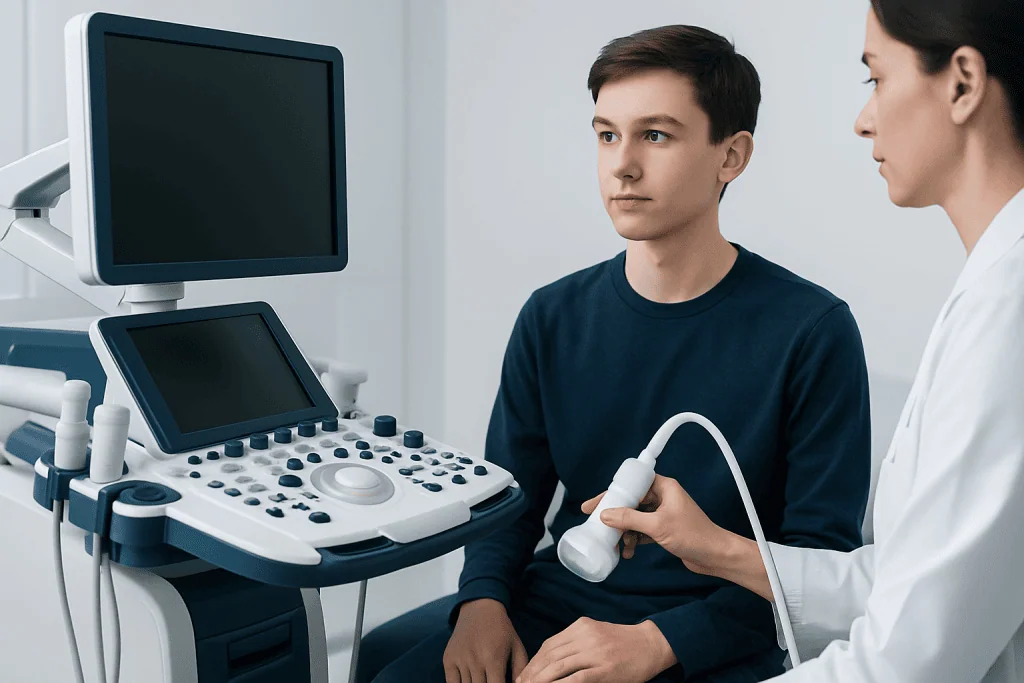
The features linked with Asperger syndrome can vary widely from person to person. In many cases, the first signs are seen in social situations rather than in language milestones. A child may speak well but find it hard to read facial expressions, understand sarcasm, take turns naturally in conversation, or know how to join group play. Adults may also notice long-standing difficulties with social nuance, flexibility, or sensory overload.
Another common feature is a strong preference for routine and predictability. Changes in plans, unfamiliar settings, or interruptions to a preferred activity may feel stressful. Some people also develop very deep interests in specific topics and may talk about them in great detail. These interests can become strengths, especially in learning or work, but may also affect social balance if support is needed.
Sensory differences are also common. A person may be highly sensitive to certain sounds, textures, lights, smells, or crowds. Others may seek sensory input, such as movement or pressure. These experiences are real and can influence behavior, mood, sleep, and concentration.
- Difficulty understanding unspoken social rules
- Literal interpretation of language
- Intense or highly focused interests
- Need for routines or sameness
- Sensory sensitivity or sensory seeking
- Differences in eye contact, body language, or conversation style
Symptoms and Related Challenges
Asperger syndrome symptoms usually involve social communication and patterns of behavior or interests. Socially, a person may want friendships but struggle with reading cues, understanding another person’s perspective in the moment, or adjusting communication to fit a setting. Conversation may seem one-sided, unusually formal, or focused on a preferred topic. Some individuals speak in a typical way but have difficulty with tone, rhythm, or nonverbal communication.
Behavioral features often include repetitive habits, strong routines, or distress when expectations change. Focused interests can be highly developed and may provide enjoyment, expertise, and comfort. Motor coordination differences may also occur in some people, such as clumsiness, awkward handwriting, or unusual posture.
Related conditions are common and can have a significant effect on well-being. These may include anxiety, depression, attention-deficit/hyperactivity disorder, sleep problems, learning differences, or gastrointestinal complaints. In some cases, assessment may overlap with other developmental conditions, and clinicians may consider autism spectrum disorder as part of a broader evaluation.
Symptoms can look different by age and gender. Some girls and women may be recognized later because they develop coping strategies that mask social difficulty. Adults may seek assessment only after years of feeling socially out of step, overwhelmed by sensory input, or exhausted by trying to adapt in school, work, or relationships.
Causes and Risk Factors
There is no single known cause of Asperger syndrome. Current evidence supports a strong neurodevelopmental and genetic basis. In many families, autistic traits or related developmental differences appear across generations, suggesting inherited influences. Researchers believe that multiple genes, together with differences in early brain development, contribute to the condition.
It is equally important to clarify what does not cause Asperger syndrome. It is not caused by parenting style, emotional neglect, personality weakness, or vaccines. Families often benefit from clear, evidence-based information because misinformation can create unnecessary guilt or confusion.
Risk factors for autism spectrum traits in general may include a family history of autism or other neurodevelopmental conditions. However, risk factors do not predict a person’s abilities, personality, or long-term outcomes. Each person has a unique profile of strengths and support needs, and the focus of care is on understanding that profile rather than searching for blame.
How Diagnosis Is Made
There is no blood test, brain scan, or single laboratory test that can diagnose Asperger syndrome. Diagnosis is based on a detailed developmental history, observation of behavior, and assessment of communication, social interaction, and repetitive or restricted patterns of behavior. This process may involve pediatricians, child psychiatrists, psychologists, neurologists, speech-language therapists, or developmental specialists.
For children, parents are usually asked about early milestones, play style, peer relationships, language development, emotional regulation, and sensory responses. Teachers may also provide valuable information about classroom behavior, attention, flexibility, and social functioning. In adults, clinicians often explore childhood patterns as well as current challenges at home, work, and in relationships.
The evaluation may include screening questionnaires and structured diagnostic tools, but these are only part of the picture. Doctors also consider whether symptoms are better explained by another condition or whether more than one condition is present. This can include looking for learning difficulties, anxiety disorders, attention problems, or speech and language differences. In some situations, a broader check-up and diagnosis process helps identify related medical or developmental concerns that affect care planning.
A clear diagnosis can be helpful because it gives language to lifelong experiences and opens access to support. At the same time, not every person who has autistic traits will need the same services. The goal is not to place a label alone, but to understand practical needs and strengths.
Treatment Options and Support
There is no single cure for Asperger syndrome, and treatment is not about changing a person’s identity. Instead, support aims to improve communication, daily function, emotional well-being, and participation in school, work, and relationships. The best plan is individualized and based on age, strengths, goals, and coexisting concerns.
Children may benefit from structured behavioral and developmental support, social communication training, educational accommodations, and family guidance. Speech-language therapy can help with pragmatic language, conversation skills, and understanding social cues, even when general vocabulary is strong. Occupational therapy may be useful for sensory regulation, motor coordination, and daily routines. When needed, speech and language therapy and occupational therapy can form part of a broader care plan.
For adolescents and adults, support may include psychological counseling, social skills coaching, workplace or university accommodations, and practical strategies for managing stress, change, or sensory overload. Mental health treatment is often important when anxiety, depression, or burnout is present. Doctors may also treat related conditions such as sleep problems or attention difficulties. If emotional regulation, coexisting mood symptoms, or diagnostic uncertainty are significant, referral for psychiatric assessment and support may be appropriate.
Family understanding is a key part of treatment. When parents, partners, teachers, or employers understand how the person processes communication and sensory input, daily life often becomes easier. Near the end of the care journey, some families seek multidisciplinary assessment and follow-up at centers such as Acibadem International, where JCI-accredited hospitals support international patients with neurodevelopmental and mental health needs.
Self-care, School, and Everyday Strategies
Practical adjustments can make a meaningful difference in daily life. Many people do better when expectations are clear, routines are predictable, and transitions are explained in advance. Visual schedules, written instructions, noise-reducing tools, planned breaks, and quiet spaces can help reduce overwhelm. It is often more helpful to build supportive environments than to expect a person to simply “try harder.”
School and workplace support should match real-life needs. A child may need help with group work, unstructured social times, sensory triggers, or organization. An adult may benefit from clear communication, advance notice of changes, and a workspace that reduces distractions. Strength-based planning is especially valuable because intense interests, honesty, attention to detail, and deep subject knowledge can be important assets.
Self-care also includes sleep hygiene, regular movement, balanced nutrition, and time for recovery after socially or sensory demanding situations. If stress or isolation begins to grow, mental health support should be considered early. Families should remember that progress may look different for each person; success is best measured by comfort, function, and quality of life rather than by trying to appear “typical.”
When to Seek Medical Care
Medical or specialist advice is worth seeking if a child or adult has ongoing difficulties with social communication, extreme distress around changes, sensory reactions that disrupt daily life, or repetitive behaviors that interfere with learning, work, or relationships. It is also a good idea to ask for assessment when there are concerns about anxiety, depression, sleep, school refusal, attention problems, or developmental differences that have not yet been explained.
Parents may wish to speak with a pediatrician if a child has trouble making friends, understanding social rules, coping with transitions, or managing intense interests in a way that affects everyday functioning. Adults should consider evaluation if long-standing patterns are causing strain at work, in relationships, or in mental health. Early recognition does not change who the person is, but it can guide support and reduce misunderstanding.
Urgent mental health care should be sought if there are signs of self-harm, suicidal thinking, severe withdrawal, or major loss of daily functioning. In those situations, prompt professional support is important.
Frequently asked questions
Is Asperger syndrome still an official diagnosis?
In many current diagnostic systems, Asperger syndrome is no longer listed as a separate diagnosis. Instead, it is generally included within autism spectrum disorder, while still recognizing that people can have different support needs and abilities.
What are the main symptoms of Asperger syndrome?
Common symptoms include differences in social communication, difficulty reading social cues, a preference for routines, intense interests, and sensory sensitivities. Some people also have coordination differences or related conditions such as anxiety, sleep problems, or attention difficulties.
Can Asperger syndrome be diagnosed in adults?
Yes. Many adults are diagnosed after recognizing lifelong patterns in social interaction, sensory processing, or rigidity that were not identified earlier. Adult diagnosis usually includes a detailed personal and developmental history and may help guide support at work, in relationships, and in mental health care.
What causes Asperger syndrome?
The exact cause is not known, but research supports genetic and neurodevelopmental factors. It is not caused by parenting style, personality, or vaccines.
Is there a cure for Asperger syndrome?
There is no cure, and treatment is not aimed at changing a person’s identity. Support focuses on improving daily function, communication, emotional well-being, and management of related difficulties when needed.
What treatments can help someone with Asperger syndrome?
Helpful approaches may include speech-language therapy, occupational therapy, psychological support, educational accommodations, and coaching for daily living or social communication. Treatment plans are individualized and often work best when families, schools, and healthcare professionals coordinate support.
References
- Centers for Disease Control and Prevention
- National Institute of Mental Health
- American Psychiatric Association
- National Institute of Neurological Disorders and Stroke
- World Health Organization
This article is for general information only and is not a substitute for professional medical advice. Please consult a qualified doctor about your individual situation.
Explore treatments in Turkey — costs, top hospitals & a free quote
JCI-accredited · board-certified surgeons · reply within 24h
Add us as a Preferred Source to see more of our trusted health content across Google Search, AI Overviews and Discover.