Asphyxiation: An Evidence-Based Guide for Patients

Asphyxiation means the body is not getting enough oxygen, often because airflow is blocked or the lungs cannot exchange gases properly. Common warning signs include trouble breathing, choking, bluish lips or skin, confusion, loss of consciousness, and chest distress.
Key Takeaways
- Asphyxiation means the body is not getting enough oxygen, often because airflow is blocked or the lungs cannot exchange gases properly.
- Common warning signs include trouble breathing, choking, bluish lips or skin, confusion, loss of consciousness, and chest distress.
- Immediate emergency care is essential because brain and organ injury can begin within minutes of severe oxygen deprivation.
- Treatment depends on the cause and may include airway support, oxygen, removal of a blockage, and care for complications.
- Prevention includes safe eating habits, water safety, smoke and carbon monoxide protection, and control of underlying lung disease.
Asphyxiation is a life-threatening state in which the body does not get enough oxygen and cannot remove carbon dioxide effectively. It is not a disease itself but a medical emergency that can result from choking, strangulation, drowning, smoke inhalation, severe asthma, or other conditions that block or impair breathing.
Overview
Asphyxiation is a medical emergency in which the body is deprived of adequate oxygen. This can happen when air cannot reach the lungs, when the lungs cannot exchange oxygen and carbon dioxide properly, or when oxygen in the environment is too low to support normal breathing. Without timely treatment, asphyxiation can quickly affect the brain, heart, and other organs.
People often use the term broadly, but in medicine it covers several mechanisms. These include choking on food or an object, strangulation, drowning, smoke inhalation, carbon monoxide exposure, severe allergic reactions that swell the airway, and serious lung conditions. In newborns, doctors may also talk about birth asphyxia, which is a separate situation related to oxygen deprivation around the time of delivery.
The seriousness of asphyxiation depends on how complete the lack of oxygen is and how long it lasts. Even a brief interruption can be dangerous, especially in children, older adults, and people with heart or lung disease. Quick recognition and emergency response can be life-saving and may reduce the risk of lasting complications.
How Asphyxiation Affects the Body
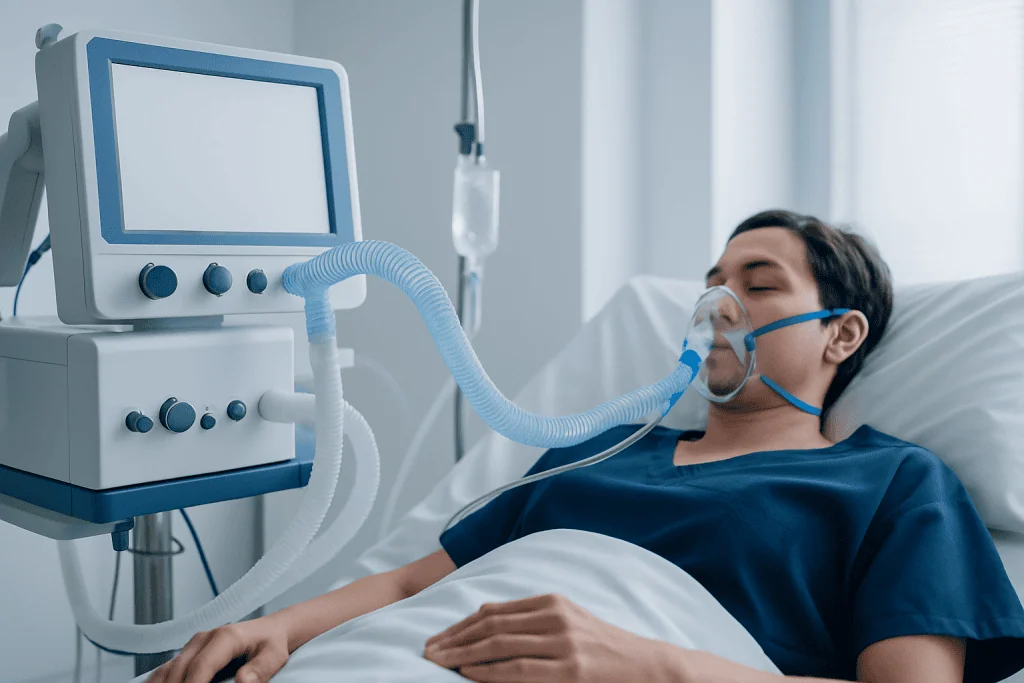
The body needs a constant supply of oxygen to make energy and keep cells functioning. At the same time, it must remove carbon dioxide, a waste product of normal metabolism. During asphyxiation, oxygen levels fall and carbon dioxide often rises, disturbing the body’s acid-base balance and placing stress on every organ system.
The brain is especially sensitive to oxygen deprivation. When oxygen drops, a person may first become anxious, restless, or confused. If the problem continues, they can lose consciousness, have seizures, or develop permanent neurologic injury. The heart may also develop rhythm problems, and severe oxygen deprivation can lead to cardiac arrest.
Asphyxiation does not always look the same. In some cases, the main problem is a blocked upper airway, such as a lodged piece of food. In others, air reaches the lungs but gas exchange is impaired, as can happen in severe lung disease, drowning, or smoke inhalation. Understanding the underlying cause helps doctors choose the most appropriate treatment.
Symptoms and Warning Signs

Early symptoms of asphyxiation can include a sensation of choking, difficulty speaking, noisy breathing, coughing, and obvious distress. Some people clutch their throat, gasp for air, or become unable to make sounds if the airway is severely blocked. In partial obstruction, breathing may still be possible, but it is often labored and ineffective.
As oxygen levels continue to fall, signs can become more serious. These may include bluish lips or fingertips, rapid heartbeat, sweating, dizziness, confusion, agitation, and extreme drowsiness. In young children, warning signs may be subtle and include weak crying, poor feeding, unusual sleepiness, or pauses in breathing.
Severe asphyxiation can lead to collapse, unresponsiveness, seizures, and cardiac arrest. Anyone with sudden breathing difficulty, signs of choking, or loss of consciousness should be treated as a medical emergency. While some breathing problems are caused by conditions such as asthma, it is not always possible to tell the cause without medical assessment.
- Trouble breathing or inability to breathe
- Choking or inability to speak
- Bluish lips, face, or nails
- Confusion, panic, or sudden drowsiness
- Loss of consciousness
Causes and Risk Factors
Asphyxiation has many possible causes. Mechanical blockage of the airway is one of the most familiar, especially choking on food, toys, or other foreign bodies. Drowning and strangulation also prevent oxygen from reaching the lungs. Swelling of the throat from an allergic reaction or infection can narrow the airway enough to cause dangerous breathing problems.
Other causes do not fully block the airway but still interfere with oxygen delivery. Smoke inhalation, toxic gas exposure, and carbon monoxide poisoning can prevent the body from using oxygen effectively. Severe asthma attacks, major chest trauma, certain neurological disorders, or advanced respiratory diseases can also lead to inadequate oxygenation. In hospitals, clinicians sometimes use imaging such as chest X-ray or other tests to look for lung injury or airway problems.
Risk factors vary by age and environment. Small children are at higher risk of choking because they explore objects with their mouths and have smaller airways. Older adults may be more vulnerable because of swallowing difficulties, dentures, or neurological disease. People with seizure disorders, substance intoxication, sleep-related breathing disorders, or chronic lung illness may also face increased risk, including conditions related to sleep apnea.
Diagnosis and Emergency Evaluation
Doctors diagnose asphyxiation based first on the clinical situation. A person who is choking, unconscious after submersion, exposed to smoke, or struggling to breathe is evaluated immediately rather than waiting for tests. The first priorities are to check whether the airway is open, whether breathing is effective, and whether the heart is circulating blood properly.
Once the person is stabilized, the medical team looks for the cause and any complications. Monitoring may include oxygen saturation, blood pressure, heart rhythm, and blood tests that measure oxygen, carbon dioxide, and acid-base status. Depending on the situation, doctors may use bronchoscopy to inspect the airways, remove a foreign body, or assess inhalation injury. Imaging studies may be used if lung damage, aspiration, or trauma is suspected.
Assessment does not end when breathing improves. Doctors also watch for delayed effects such as pneumonia after aspiration, swelling of the airway after smoke exposure, or neurologic injury after a period of low oxygen. A careful history from family members or witnesses can be very helpful, especially if the patient is unable to speak.
Treatment Options
Treatment depends on the cause, severity, and how long the oxygen deprivation lasted. In an emergency, the immediate goal is to restore oxygen delivery. This may involve opening the airway, giving oxygen, removing an obstruction, or providing assisted ventilation. If the person is not breathing or has no pulse, cardiopulmonary resuscitation should be started by trained responders while emergency help is on the way.
Specific care varies. Choking may require first aid maneuvers and removal of the object. Severe allergic swelling may need emergency medications. Drowning victims often need oxygen and observation for lung complications. Smoke inhalation and toxic exposures require rapid removal from the source and supportive treatment. Some patients need intensive care for close monitoring, ventilator support, or treatment of organ complications.
After the emergency phase, treatment focuses on the underlying condition and recovery. This may include management of aspiration pneumonia, evaluation of swallowing problems, treatment of asthma or other lung disease, and rehabilitation if neurologic injury occurred. The outlook is generally better when oxygen is restored quickly and the cause is treated promptly.
Prevention and Self-Care
Many cases of asphyxiation are preventable. Safe eating habits are important: chew food well, avoid talking or laughing with food in the mouth, and supervise young children during meals. Small objects, batteries, balloons, and age-inappropriate toys should be kept away from infants and toddlers. People with swallowing difficulties may benefit from medical evaluation and changes in food texture or eating technique.
Environmental safety also matters. Install and maintain smoke alarms and carbon monoxide detectors, follow water safety practices, and use protective equipment in workplaces where inhalation hazards may exist. People with severe allergies should follow their clinician’s emergency plan and carry prescribed rescue medication if advised. Those with chronic respiratory problems should keep treatment plans updated and seek review if symptoms are worsening.
Learning basic first aid can make a critical difference. Knowing how to respond to choking and when to call emergency services may save a life. Self-care after a mild event should never replace medical assessment if there was loss of consciousness, ongoing cough, breathing difficulty, chest pain, or suspected aspiration of water, food, or vomit.
When to Seek Medical Care
Emergency medical care is needed immediately for any suspected asphyxiation. This includes choking with inability to speak or breathe, bluish skin or lips, collapse, seizure, severe shortness of breath, or unresponsiveness. Even if the person seems to recover, urgent evaluation is important after drowning, smoke inhalation, strangulation, or significant toxic exposure because delayed complications can occur.
Prompt medical review is also recommended after a choking episode that causes persistent coughing, throat pain, wheezing, hoarseness, or the feeling that something is still stuck. Children, older adults, and people with chronic heart or lung disease should be assessed with a lower threshold because they may deteriorate more quickly. Anyone with repeated choking should be evaluated for swallowing or neurological problems.
For international patients who need further evaluation or treatment, Acibadem International’s multidisciplinary specialists and JCI-accredited hospitals provide diagnosis and care for respiratory and emergency conditions. A doctor can help determine whether symptoms are related to airway blockage, toxic exposure, infection, or another underlying problem and guide the next steps safely.
Frequently asked questions
What is asphyxiation?
Asphyxiation is a dangerous lack of oxygen reaching the body, often along with a buildup of carbon dioxide. It can happen if the airway is blocked, breathing stops, or the lungs cannot exchange gases properly. Because it can rapidly harm the brain and other organs, it is considered a medical emergency.
Is asphyxiation the same as choking?
Not exactly. Choking is one possible cause of asphyxiation, usually due to a foreign object blocking the airway. Asphyxiation can also result from drowning, strangulation, smoke inhalation, severe allergic reactions, or serious lung disease.
What are the first signs of asphyxiation?
Early signs can include trouble breathing, coughing, gasping, inability to speak normally, and visible distress. As oxygen levels fall, a person may become confused, blue around the lips, very sleepy, or unresponsive. Any sudden breathing difficulty should be taken seriously.
Can someone seem fine after asphyxiation and still need a doctor?
Yes. Some complications, such as airway swelling, aspiration pneumonia, or delayed lung problems after drowning or smoke inhalation, may appear later. Medical evaluation is especially important if there was loss of consciousness, persistent cough, chest discomfort, or ongoing breathing symptoms.
How is asphyxiation treated in the hospital?
Hospital treatment focuses first on restoring breathing and oxygen delivery. This may include oxygen, airway support, removal of a blockage, assisted ventilation, and treatment of the underlying cause. Doctors also monitor for complications affecting the lungs, heart, and brain.
Can asphyxiation cause long-term damage?
It can, especially if oxygen deprivation was severe or prolonged. Possible long-term effects include memory problems, difficulty concentrating, movement problems, or heart and lung complications. Early treatment improves the chance of recovery and may reduce the risk of permanent injury.
References
- World Health Organization
- American Heart Association
- National Institute of Neurological Disorders and Stroke
- National Heart, Lung, and Blood Institute
- MedlinePlus
This article is for general information only and is not a substitute for professional medical advice. Please consult a qualified doctor about your individual situation.
Explore treatments in Turkey — costs, top hospitals & a free quote
JCI-accredited · board-certified surgeons · reply within 24h
Add us as a Preferred Source to see more of our trusted health content across Google Search, AI Overviews and Discover.