Astringent — Explained by Medical Evidence, Not Myths

An astringent is a substance that causes temporary tissue tightening and can reduce oil on the skin surface. Astringents are common in skincare, but they are not the same as all toners and are not necessary for every routine.
Key Takeaways
- An astringent is a substance that causes temporary tissue tightening and can reduce oil on the skin surface.
- Astringents are common in skincare, but they are not the same as all toners and are not necessary for every routine.
- Overuse can damage the skin barrier, causing dryness, burning, redness, or rebound oiliness.
- People with acne, sensitive skin, rosacea, eczema, or very dry skin should choose products carefully and may benefit from medical advice.
- The best approach is to match the product to the skin concern rather than following myths or trends.
Astringent is a broad medical and skincare term for substances that temporarily tighten tissue, reduce surface oil, and create a dry, constricted feeling. It is not automatically beneficial for everyone, and the safest use depends on the ingredient, the skin type, and the underlying reason it is being used.
Overview: what “astringent” really means
An astringent is a substance that causes body tissues to contract temporarily. In everyday health and skincare language, this usually refers to products applied to the skin to reduce surface oil, make pores appear less visible for a short time, and leave the skin feeling tighter or drier. The term describes an effect rather than one single ingredient.
Medical evidence supports that some astringent ingredients can reduce oiliness or dry out moist tissue surfaces. However, this does not mean they are always the best choice. A “tight” feeling after use is not necessarily a sign of healthier skin. In some people, it reflects irritation or disruption of the skin barrier.
Astringents are often discussed in relation to acne and oily skin, but they may also be found in products for scalp care, aftershaves, and minor skin cleansing. Common examples include witch hazel, alcohol-based formulas, and ingredients such as salicylic acid, depending on how the product is designed.
Because the word is used loosely in advertising, it helps to focus on the ingredient list and the product’s purpose. Astringent products may be useful in selected situations, but they should be used thoughtfully, especially by people with sensitive, inflamed, or very dry skin.
How astringents work on the skin
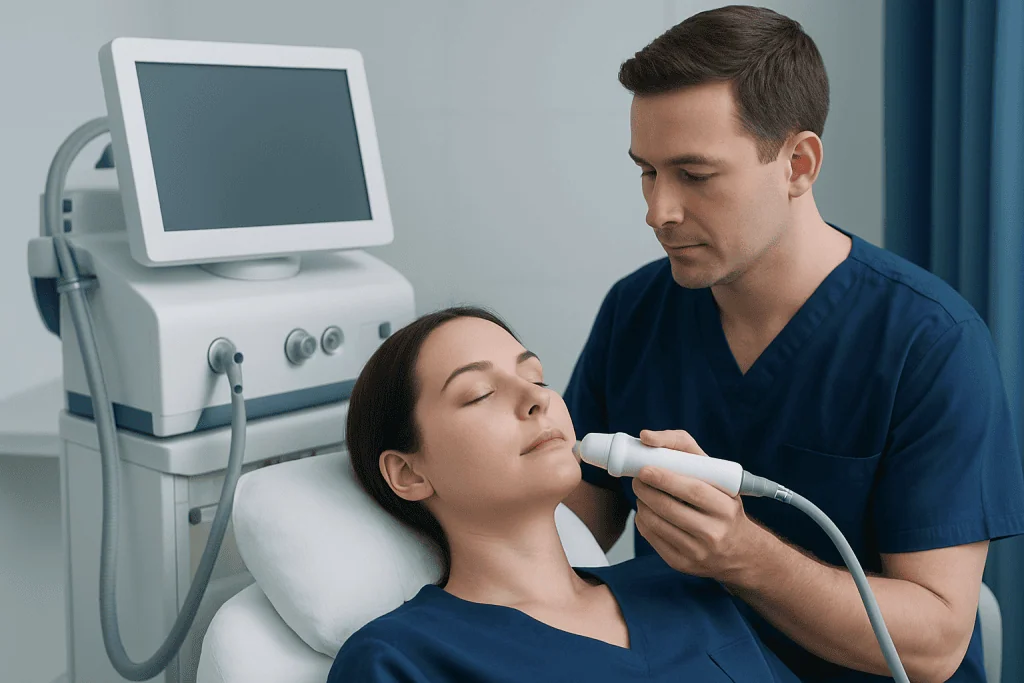
The outer layer of skin acts as a barrier that helps retain moisture and protect against irritants, microbes, and environmental stress. Astringent substances work by causing superficial proteins in tissue to contract, which can create a temporary tightening effect. This may also reduce the shiny appearance of oil on the skin surface.
Some astringents mainly remove oil and water from the skin, while others have additional actions. For example, certain ingredients may also exfoliate, calm inflammation, or provide mild antimicrobial effects. This is why two products labeled “astringent” can behave very differently in practice.
Short-term effects may include a cleaner, less oily feeling and a temporary reduction in visible shine. But if the product is too strong or used too often, it can strip protective lipids from the skin barrier. That may lead to dryness, stinging, flaking, redness, and greater sensitivity to other skincare products.
For this reason, the most evidence-based view is balanced: astringents are tools, not essentials. They can help in targeted use, but they are not a universal sign of good skincare and they do not treat every cause of blemishes, redness, or enlarged pores.
Common uses and where myths begin

Astringents are most commonly used for oily or acne-prone skin. They may help remove excess sebum, especially in hot climates or after exercise. Some people also use them on the scalp, in aftershave products, or for temporary relief of minor skin moisture in certain situations.
A common myth is that stronger dryness means better cleansing. In reality, skin that feels very tight after application may be reacting to irritation. Another myth is that astringents can “close” pores permanently. Pores do not open and close like doors; products can only make them look smaller temporarily by reducing oil and surface swelling.
Another misunderstanding is that all natural astringents are gentle. Ingredients such as witch hazel may suit some people, but “natural” does not guarantee low irritation. Fragrance, essential oils, and alcohol content often matter more than marketing terms. People with sensitive skin can react to either natural or synthetic products.
It is also helpful to distinguish an astringent from conditions that need medical care. Persistent redness, painful acne, facial flushing, itchy rashes, or scaling may point to issues such as acne, rosacea, or eczema rather than simply “oily skin.” In those cases, self-treating with harsher products may worsen symptoms.
Astringent vs toner: not the same thing
Although the terms are often used interchangeably, an astringent and a toner are not always the same. Traditionally, astringents were stronger, more oil-reducing products, often containing alcohol or other drying agents. Toners, in contrast, now vary widely and may be hydrating, soothing, exfoliating, or balancing rather than strongly drying.
Modern skincare products blur this difference because many brands use the term toner for products that contain exfoliating acids, pore-refining ingredients, or calming agents. The name on the bottle is less important than the formulation. Checking whether a product contains alcohol, acids, fragrance, or barrier-supportive ingredients gives more useful information than the label alone.
For oily skin, a carefully chosen astringent-type toner may be reasonable in small amounts and at limited frequency. For dry or sensitive skin, a hydrating toner without strong astringent ingredients is often better tolerated. People with inflammatory skin conditions usually do best with simpler, fragrance-free products unless a clinician advises otherwise.
If acne is the main concern, it may be more effective to use treatments that target clogged pores and inflammation directly, such as ingredients used in acne treatment, rather than relying only on astringents for oil control. A product that feels strong is not necessarily a product that works best.
Potential benefits, side effects, and who should be careful
Possible benefits of astringents include reduced surface oil, a less shiny appearance, and a temporary feeling of freshness after cleansing. In some acne-prone people, this may make the skin feel more comfortable, especially if the product also contains evidence-based ingredients such as salicylic acid.
Potential side effects are common when the formula is too harsh or is used too frequently. These include dryness, peeling, burning, redness, itching, increased sensitivity, and irritation around the eyes or corners of the nose. Sometimes the skin responds to repeated stripping by producing more oil, which can make users think they need even more product.
Certain groups should be especially cautious. These include people with eczema, rosacea, psoriasis, a damaged skin barrier, recent cosmetic procedures, or those using retinoids, benzoyl peroxide, or exfoliating acids. In these settings, adding a strong astringent can tip the skin into inflammation.
Signs that a product is not suitable include persistent stinging, worsening redness, new scaling, or breakouts that become more inflamed rather than improving. If these occur, it is sensible to stop the product and return to a simpler routine focused on gentle cleansing, moisturizing, and sun protection. Ongoing symptoms may require assessment in dermatology.
How to choose and use an astringent safely
The safest way to use an astringent is to start with the reason for use. If the goal is mild oil control, a product with gentle ingredients and limited alcohol may be enough. If the goal is acne support, a formula with a proven active ingredient may be more appropriate than a traditional alcohol-based product.
Good practice includes patch testing a new product on a small area first, using it once daily or less at the beginning, and avoiding broken or irritated skin. Applying it only to oily areas rather than the entire face may reduce side effects. A non-comedogenic moisturizer can help protect the skin barrier, even in oily skin.
It is also wise not to combine multiple potentially irritating products at once. For example, using an astringent together with strong scrubs, exfoliating acids, or several acne treatments may overload the skin. A gentle cleanser, targeted treatment, moisturizer, and sunscreen often create a more sustainable routine.
When skin concerns are persistent, professional evaluation can clarify whether oiliness is the main issue or whether there is an underlying condition. People with recurrent rashes, severe breakouts, or ongoing facial redness may benefit from specialist skin care and dermatology evaluation to identify triggers and choose evidence-based care.
When to seek medical care
Medical advice is worth seeking if skin symptoms are severe, painful, rapidly worsening, or not improving with gentle home care. A clinician can help distinguish simple oiliness from acne, dermatitis, infection, allergic reactions, or chronic inflammatory conditions. This matters because the correct treatment differs for each problem.
People should arrange medical assessment if they develop intense burning, swelling, blistering, crusting, or widespread rash after using a product. Care is also important for deep acne nodules, acne that leaves scars, persistent facial flushing, or a rash around the eyes. These signs suggest that the problem may be more than routine cosmetic oiliness.
Children, pregnant individuals, and people with multiple allergies or chronic skin disease may need extra caution when starting new products. If there is uncertainty about an ingredient or a reaction, safer guidance can come from a qualified doctor or pharmacist rather than social media advice.
Near the end of the care pathway, some patients may also look for coordinated specialist assessment. Acibadem International’s multidisciplinary specialists and JCI-accredited hospitals evaluate and treat skin conditions for international patients when further diagnosis or management is needed.
Frequently asked questions
What is an astringent in simple terms?
An astringent is a substance that temporarily tightens tissue and reduces surface oil or moisture. In skincare, it is usually used to make the skin feel less oily and look less shiny for a short time.
Is astringent good for acne?
It can help some people with oily, acne-prone skin, but it is not a complete acne treatment by itself. If it is too harsh, it may irritate the skin and make breakouts look redder or feel more uncomfortable.
What is the difference between astringent and toner?
Astringents are usually more oil-reducing and may feel stronger or drier on the skin. Toners are a broader group of products and can be hydrating, soothing, exfoliating, or mildly balancing depending on their ingredients.
Can astringent shrink pores?
It cannot permanently shrink pores. It may make pores appear smaller for a while by reducing oil and surface swelling, but pore size is largely influenced by genetics, skin type, and aging.
Who should avoid strong astringents?
People with sensitive skin, eczema, rosacea, psoriasis, very dry skin, or a damaged skin barrier should be cautious. Those already using active treatments such as retinoids or exfoliating acids may also be more likely to develop irritation.
How often should astringent be used?
That depends on the product and the person’s skin type, but less is often safer at the beginning. Starting slowly and watching for dryness, redness, or stinging is more sensible than frequent use from the first day.
References
- American Academy of Dermatology
- National Health Service
- Mayo Clinic
- MedlinePlus
- National Institute of Arthritis and Musculoskeletal and Skin Diseases
This article is for general information only and is not a substitute for professional medical advice. Please consult a qualified doctor about your individual situation.
Explore treatments in Turkey — costs, top hospitals & a free quote
JCI-accredited · board-certified surgeons · reply within 24h
Add us as a Preferred Source to see more of our trusted health content across Google Search, AI Overviews and Discover.

More from the Health Library
Deep Tissue Massage — Explained by Medical Evidence, Not Myths

Cheese — Explained by Medical Evidence, Not Myths

Healthiest Rice: What Patients Need to Know

Portable Nebulizer Machine — Explained by Medical Evidence, Not Myths

Chernobyl Birth Defects and Prenatal Radiation Concerns