Athletes Foot: What Patients Need to Know

Athletes foot is a fungal skin infection, not just a problem for athletes. It commonly affects the spaces between the toes but can also involve the soles and sides of the feet.
Key Takeaways
- Athletes foot is a fungal skin infection, not just a problem for athletes.
- It commonly affects the spaces between the toes but can also involve the soles and sides of the feet.
- Warm, moist environments such as sweaty shoes and shared locker rooms increase risk.
- Antifungal creams, sprays, or powders are often effective, but persistent or severe cases may need medical care.
- Good foot hygiene and keeping feet dry can help prevent recurrence.
Athletes foot is a common fungal infection of the skin on the feet, especially between the toes. It often causes itching, scaling, and cracking, and most cases can be managed effectively with antifungal treatment and careful foot hygiene.
Overview: what athletes foot is
Athletes foot is a common fungal infection of the skin on the feet. It usually affects the areas between the toes, but it can also spread to the soles, heels, and sides of the feet. The condition is medically known as tinea pedis and belongs to a group of fungal skin infections that also includes ringworm and jock itch.
Despite its name, athletes foot does not only affect people who play sports. Anyone can develop it, especially if the feet stay warm and damp for long periods. Many people notice itching, burning, flaking, or cracked skin first, although some cases are mild and easy to overlook.
The condition is usually not dangerous, but it can be uncomfortable and persistent if it is not treated properly. In some people, especially those with diabetes, poor circulation, or a weakened immune system, the infection may become more complicated and needs medical attention sooner.
How athletes foot can look and feel
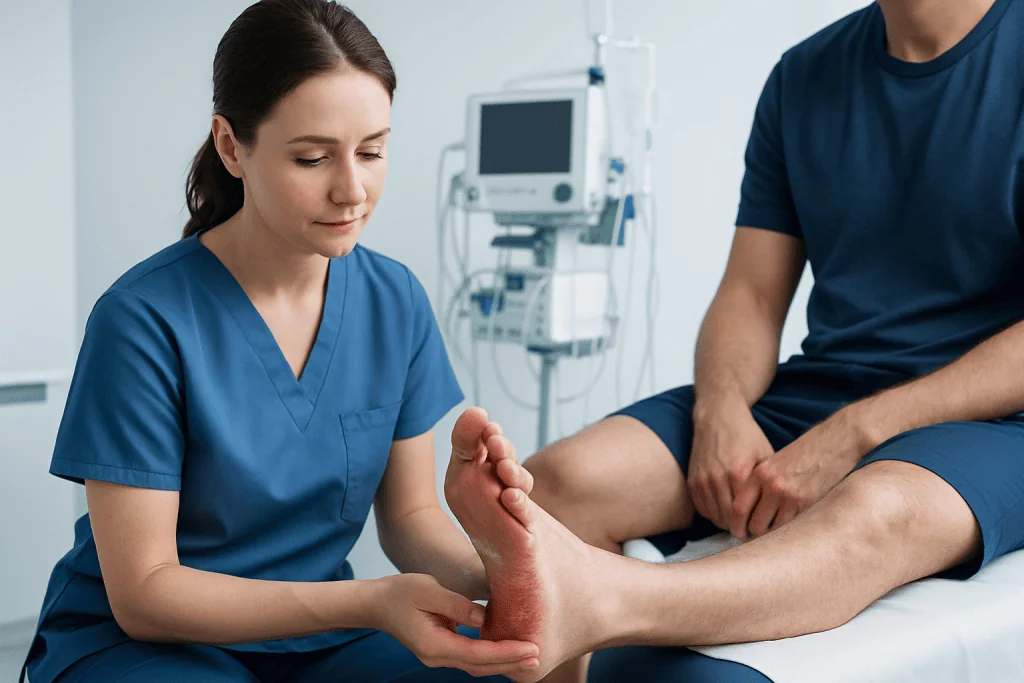
Athletes foot does not always look the same from person to person. In many cases, the skin between the toes becomes white, soggy, itchy, and cracked. In others, the soles may become dry, scaly, and thickened, which can resemble simple dry skin.
Some people experience a burning or stinging sensation, especially when the skin is cracked. Redness, peeling, and small blisters may also occur. If scratching damages the skin, bacteria can enter and cause a secondary infection, leading to increased pain, swelling, or drainage.
Common symptoms include:
- Itching between the toes or on the soles
- Peeling, scaling, or flaking skin
- Cracks or splits in the skin
- Burning or stinging
- Redness or irritation
- Blisters in some cases
Fungal infections on the feet can also occur alongside nail fungus. If the toenails become thick, brittle, yellowish, or distorted, a doctor may check for nail fungus as well.
Why it happens: causes and risk factors

Athletes foot is caused by fungi that grow well in warm, moist environments. These fungi can live on floors, towels, socks, shoes, and skin. The infection spreads through direct contact with contaminated surfaces or by skin-to-skin contact, although not everyone exposed will develop symptoms.
Certain habits and conditions make the infection more likely. Wearing tight, non-breathable shoes, staying in sweaty socks, and walking barefoot in communal showers or locker rooms create ideal conditions for fungal growth. Small breaks in the skin can also make it easier for the fungus to enter.
Risk factors include:
- Feet that sweat heavily
- Use of shared changing rooms, pools, or showers
- Wearing closed shoes for long periods
- Not drying the feet well after bathing
- Previous fungal skin infections
- Diabetes or reduced immune defenses
Because rashes on the feet can have different causes, doctors may also consider other skin conditions such as eczema, contact dermatitis, or psoriasis when symptoms do not follow the usual pattern.
How doctors diagnose athletes foot
Doctors often diagnose athletes foot by examining the skin and asking about symptoms, daily habits, and any recent exposure to communal wet areas. The pattern of the rash, the location between the toes, and the presence of scaling or cracking often provide strong clues.
When the diagnosis is uncertain, a doctor may gently scrape a small sample of skin for laboratory testing. This can help confirm whether fungus is present and rule out other causes of a rash. Testing may be especially useful if the condition is severe, keeps returning, or has not improved with standard treatment.
A proper diagnosis matters because some non-fungal skin problems can worsen if treated incorrectly. For example, steroid creams may briefly reduce redness and itching while allowing a fungal infection to persist or spread if they are used without the right antifungal treatment.
Treatment options and what helps recovery
Most cases of athletes foot improve with antifungal treatment and careful skin care. Common options include antifungal creams, sprays, powders, or solutions applied directly to the affected skin. Treatment usually continues for the full recommended period, even if the rash looks better sooner, to reduce the chance of recurrence.
If the infection is widespread, severe, recurrent, or does not improve, a doctor may prescribe oral antifungal medicine. The feet should also be kept clean and dry during treatment. Socks should be changed regularly, shoes aired out, and shared towels avoided.
Useful self-care steps during treatment include:
- Washing feet daily and drying carefully, especially between the toes
- Changing socks when they become damp
- Choosing breathable footwear when possible
- Using separate towels for the affected area
- Avoiding scratching, which can damage the skin
If the skin is very inflamed, painful, or difficult to diagnose, assessment by a dermatology specialist may be helpful. In persistent cases, doctors may also look for other fungal conditions that require broader skin disease treatment.
Prevention and everyday self-care
Prevention focuses on making the feet less friendly to fungus. The most helpful step is keeping the feet as dry as possible. After bathing, swimming, or exercise, drying carefully between the toes can reduce moisture that allows fungal growth to continue.
Footwear choices also matter. Breathable shoes and moisture-wicking socks may help, especially for people whose feet sweat heavily. Rotating shoes from day to day gives them time to dry out. In communal shower areas, sandals or shower shoes can lower exposure to fungal organisms.
Simple prevention habits include:
- Do not share shoes, socks, or towels
- Wash socks regularly
- Change out of damp shoes promptly
- Use footwear in public locker rooms and pool areas
- Treat fungal infections early to prevent spread
Because fungal infections can move from one area of the body to another, it can also help to put socks on before underwear if a person has a groin fungal rash, and to wash hands after applying creams. This reduces the chance of transferring fungus to other skin sites.
When to seek medical care
Medical care is advisable if symptoms do not improve after a reasonable trial of over-the-counter antifungal treatment, if the rash keeps returning, or if the diagnosis is unclear. A doctor should also assess severe cracking, pain, marked redness, swelling, pus, or an unpleasant odor, as these may suggest a bacterial infection or another condition.
People with diabetes, poor circulation, nerve damage, or weakened immunity should seek advice early rather than trying to manage the condition alone. Even a small skin break on the foot can become more serious in these groups if it is not treated properly.
Care is also important when toenails are affected, walking becomes painful, or the rash spreads beyond the feet. In more complex cases, a doctor may coordinate evaluation with specialists in endocrinology or skin care as needed. Acibadem International’s multidisciplinary specialists and JCI-accredited hospitals diagnose and treat athletes foot and related skin conditions for international patients.
Frequently asked questions
Is athletes foot only something athletes get?
No. Athletes foot can affect anyone, not only people who play sports. It is more closely related to warm, moist conditions and exposure to fungus than to athletic activity itself.
Can athletes foot go away on its own?
Mild cases may improve if the feet are kept very clean and dry, but the infection often persists without antifungal treatment. Treating it early usually helps relieve symptoms faster and reduces the risk of spreading or recurrence.
How is athletes foot different from dry skin?
Dry skin usually causes roughness and flaking without a clear fungal pattern. Athletes foot more often causes itching, peeling, cracking, and irritation between the toes or on the soles, although the two can look similar.
Is athletes foot contagious?
Yes, the fungi that cause athletes foot can spread through direct contact or contaminated surfaces such as locker room floors, towels, and shoes. Good hygiene and avoiding shared personal items can help reduce transmission.
Can athletes foot spread to the toenails?
Yes. The same type of fungus can sometimes affect the toenails, causing thickening, discoloration, or brittle nails. Nail infections are often harder to treat than skin infections and may need medical assessment.
Should steroid cream be used for athletes foot?
Steroid creams are not a standard treatment for athletes foot on their own. While they may briefly reduce redness or itching, they can sometimes mask symptoms and allow the fungal infection to continue if an antifungal is not used appropriately.
References
- American Academy of Dermatology
- Centers for Disease Control and Prevention
- National Health Service
- Mayo Clinic
This article is for general information only and is not a substitute for professional medical advice. Please consult a qualified doctor about your individual situation.
Explore treatments in Turkey — costs, top hospitals & a free quote
JCI-accredited · board-certified surgeons · reply within 24h
Add us as a Preferred Source to see more of our trusted health content across Google Search, AI Overviews and Discover.