Atlantoaxial Instability Treatment: How It Works, Results and What to Expect

Atlantoaxial instability involves excessive movement between C1 (atlas) and C2 (axis), the top two cervical vertebrae. Treatment decisions depend on symptoms, imaging findings, the underlying cause and evidence of spinal cord compression.
Key Takeaways
- Atlantoaxial instability involves excessive movement between C1 (atlas) and C2 (axis), the top two cervical vertebrae.
- Treatment decisions depend on symptoms, imaging findings, the underlying cause and evidence of spinal cord compression.
- C1-C2 fusion is commonly considered when instability is severe, progressive or causing neurological problems.
- Recovery after surgery is gradual; early healing takes weeks, while bone fusion and return to fuller activity may take months.
- New weakness, walking difficulty, loss of coordination, severe neck pain after trauma or bladder and bowel changes need urgent medical assessment.
Atlantoaxial instability treatment is tailored to the cause, degree of movement between the first two neck vertebrae and whether the spinal cord is affected. Mild, stable cases may be monitored or supported with a brace, while significant instability or neurological symptoms may require surgical stabilization.
Atlantoaxial Instability Treatment: How It Works
Atlantoaxial instability treatment aims to protect the spinal cord and stabilize excessive movement between the first and second cervical vertebrae, called C1 and C2. The right approach depends on why the instability developed, how much movement is seen on imaging, whether symptoms are present and whether there is pressure on the spinal cord or nearby nerves.
Some people with mild, stable findings and no neurological symptoms may only need regular specialist follow-up, activity guidance and, in selected situations, temporary neck support. When instability is marked, worsening, related to a fracture or inflammatory disease, or causing spinal cord symptoms, surgery may be advised to hold C1 and C2 securely in position.
The most common stabilizing operation is posterior C1-C2 fusion. Surgeons use carefully positioned screws, rods and bone graft material to encourage the vertebrae to join into one stable segment. This reduces harmful movement rather than restoring movement at that joint, and it is intended to prevent further neurological injury.
How Serious Is Atlantoaxial Instability?
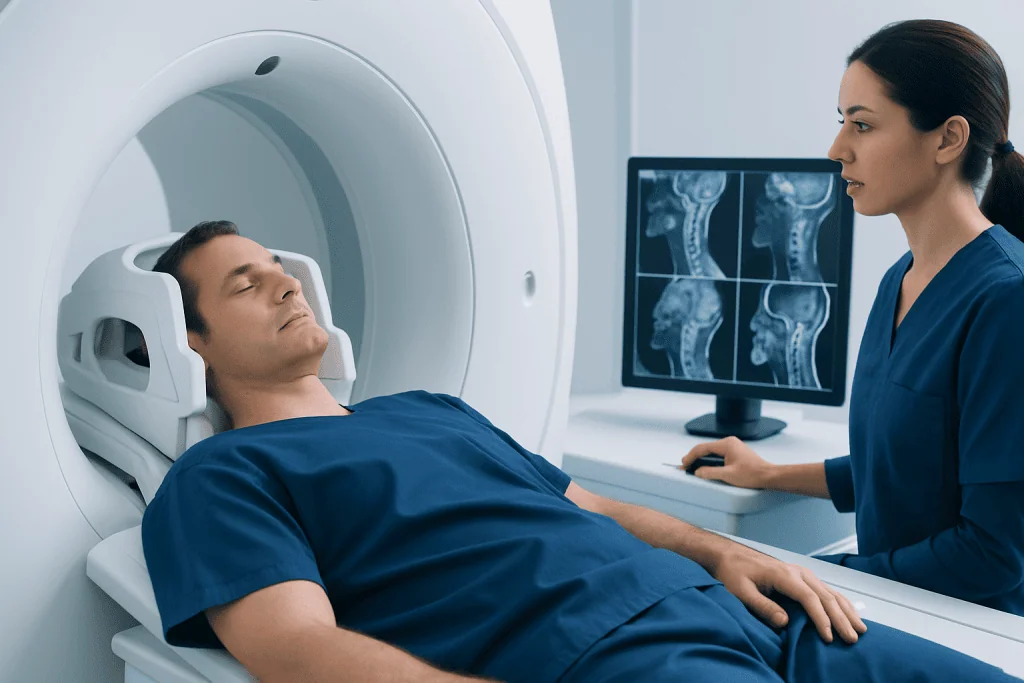
Atlantoaxial instability can range from an incidental, stable imaging finding to a serious condition requiring prompt treatment. The concern is that excessive C1-C2 movement may narrow the space available for the upper spinal cord. In some cases, this can lead to spinal cord compression, particularly with neck movement or after an injury.
Severity is not determined by pain alone. A person may have neck discomfort without spinal cord involvement, while another may develop weakness, altered balance, clumsiness of the hands, numbness or changes in walking. Specialists combine the medical history, neurological examination and imaging findings to judge risk and recommend the safest treatment.
Possible causes include trauma, congenital differences, inflammatory arthritis such as rheumatoid arthritis, infection, tumors and conditions associated with ligament laxity. People with rheumatoid arthritis may need particular attention because inflammation can affect the structures that support the upper cervical spine.
What Does C1 C2 Instability Feel Like?
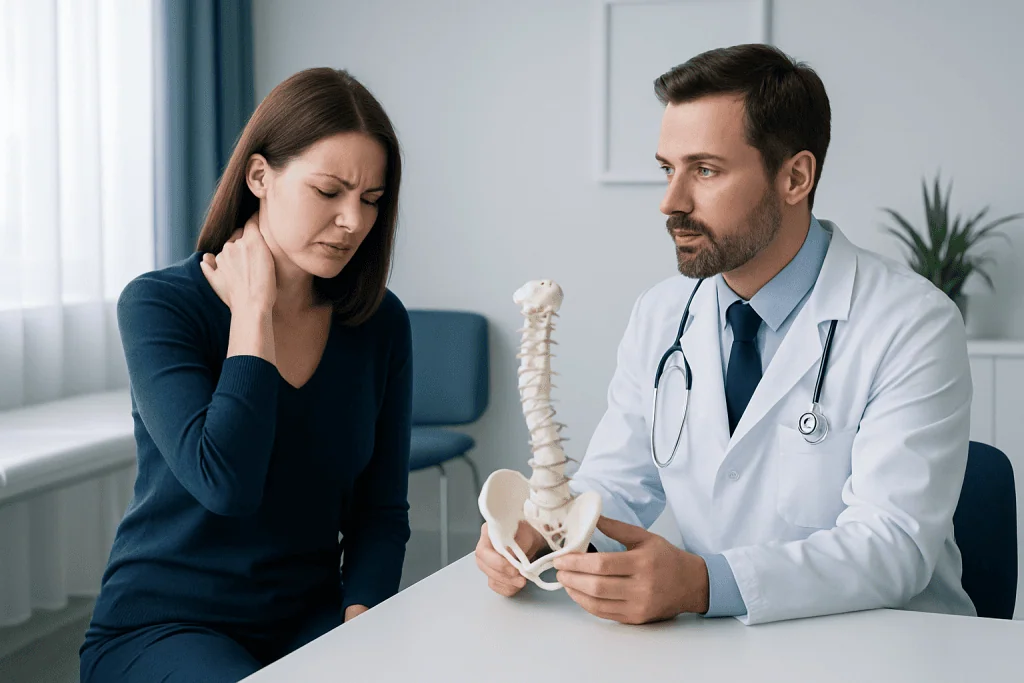
C1-C2 instability may cause no symptoms, especially when it is mild. When symptoms occur, they can include upper-neck pain, a feeling of neck weakness or instability, reduced comfort when turning the head, headaches that begin near the base of the skull and muscle tightness. Symptoms may be intermittent and can be influenced by posture or activity.
When the spinal cord or nerve pathways are affected, symptoms can be more concerning. These may include tingling or numbness in the arms or legs, hand clumsiness, weakness, unsteady walking, reduced coordination or an electric-shock sensation with neck movement. These symptoms have several possible causes, so they need a clinical assessment rather than self-diagnosis.
People should avoid forceful neck manipulation, high-impact activities and attempts to “realign” the upper neck until they have been assessed. A clinician can advise which movements and activities are appropriate while the cause of symptoms is being investigated.
Who May Be a Candidate for Surgery?
Surgery is not necessary for every person with atlantoaxial instability. It is more likely to be considered when imaging shows significant or progressive instability, when there is spinal cord compression, after an unstable C1 or C2 injury, or when neurological symptoms are present. Persistent symptoms that do not respond to appropriate nonsurgical care may also influence the decision.
Before recommending surgery, the care team considers the cause of instability, bone quality, anatomy of the vertebral arteries, general health, current medicines and ability to participate in recovery. CT scans are often used to define bone anatomy, while MRI can show the spinal cord, ligaments and soft tissues. Dynamic X-rays may show abnormal movement, but are only performed when a specialist considers them safe.
In children and adults with congenital conditions or complex anatomy, planning may involve spine surgeons, neurologists, radiologists, anesthesiologists and rehabilitation specialists. The objective is an individualized plan that provides stability while minimizing risk to surrounding structures.
Atlantoaxial Instability Surgery: Step by Step
Atlantoaxial fusion is performed under general anesthesia. The patient is positioned carefully to keep the neck supported, and imaging guidance may be used during surgery. Through an incision at the back of the upper neck, the surgeon exposes the C1-C2 area and places fixation hardware into planned parts of the vertebrae.
Screws are connected with rods or another fixation system to stabilize the joint. Bone graft material is then placed where it can support fusion, meaning the bone gradually heals across the intended area. The exact technique varies according to anatomy, the cause of instability and whether other levels of the cervical spine also need treatment.
The procedure limits rotation at the C1-C2 joint, which normally provides a large proportion of neck-turning movement. Most people can compensate with the lower neck and trunk over time, but some reduction in the ability to turn the head is expected. For broader information about surgical stabilization, see spine surgery.
After surgery, the medical team monitors neurological function, pain control, swallowing, wound healing and early mobility. Some patients need a cervical collar for a period of time, depending on the procedure and the surgeon’s instructions.
Benefits, Risks and Recovery Timeline
The main potential benefit of atlantoaxial fusion is stable alignment at C1-C2, which can protect the spinal cord and reduce pain or neurological symptoms related to abnormal motion. When spinal cord compression is present, timely stabilization may help prevent further deterioration. The extent of symptom improvement varies with the underlying cause and whether nerve or spinal cord injury existed before treatment.
All surgery has risks. For upper cervical fusion, these can include bleeding, infection, blood clots, wound problems, anesthesia-related complications, failure of the bones to fuse, hardware loosening or breakage, persistent pain and reduced neck rotation. Because important nerves and blood vessels are close to this area, there is also a small but important risk of neurological or vascular injury. The surgeon discusses individual risks during consent and surgical planning.
Hospital stay and early recovery vary by the person and the complexity of surgery. Walking is often encouraged with support soon after the procedure, while discomfort and fatigue commonly improve over the first several weeks. Follow-up appointments and X-rays or CT imaging help the team monitor alignment and bone healing.
Physical therapy may be introduced when the surgical team considers it safe. It generally focuses on posture, gentle mobility in allowed areas, shoulder function, walking and a gradual return to daily activities rather than forcing movement through the fused joint.
How Long Does It Take to Recover From Atlantoaxial Instability Surgery?
Initial recovery after atlantoaxial instability surgery often takes several weeks, but full recovery is a longer process. Many people gradually resume lighter daily activities over roughly 4 to 12 weeks, depending on symptoms, work demands, the surgical technique and their overall health. Driving, lifting and returning to work should follow the surgeon’s specific advice.
Bone fusion takes longer than skin and muscle healing. It may take several months for the fusion to mature, and follow-up imaging is used to assess progress. People with lower bone density, nicotine exposure, certain inflammatory conditions or complex surgery may require a longer healing period.
Neck stiffness and reduced turning range are expected after C1-C2 fusion. Rehabilitation helps people learn safer movement strategies, such as turning the shoulders and torso together. If spinal cord symptoms were present before surgery, recovery of strength, sensation or balance can be slower and may be incomplete.
How Long Does It Take to Fix Cervical Instability?
The time needed to address cervical instability depends on its location, cause and severity. Some stable cases improve with treatment of the underlying condition, activity modification, supervised rehabilitation or temporary immobilization. Healing after an injury may take weeks to months, while inflammatory causes require ongoing medical treatment as well as spine monitoring.
When surgery is needed, fixation provides immediate mechanical stability, but biological healing still takes time. Fusion commonly develops over months, and restrictions may remain in place until the surgeon confirms that healing is progressing appropriately. People should not judge success only by day-to-day pain, as imaging and neurological assessment are also important.
Maintaining follow-up care is essential. This allows the team to review symptoms, adjust pain management, monitor healing and provide tailored advice about work, exercise and travel. Acibadem International’s multidisciplinary specialists and JCI-accredited hospitals diagnose and treat spinal conditions for international patients.
When to Seek Medical Care
Medical assessment is appropriate for persistent upper-neck pain, a sensation of instability, headaches linked to neck movement or symptoms that began after a fall, collision or other injury. A clinician can determine whether symptoms may involve the upper cervical spine and whether imaging or referral to a spine specialist is needed.
Urgent medical care is needed after neck trauma if there is severe neck pain, weakness, numbness, difficulty walking, loss of coordination, new problems with bladder or bowel control, fainting or trouble breathing. These symptoms can indicate a potentially serious spinal or neurological problem and should not be managed at home.
People already diagnosed with atlantoaxial instability should follow their specialist’s recommendations about activities, collars, medication and follow-up. They should seek earlier review if symptoms worsen, new neurological symptoms develop or a new injury occurs.
Frequently asked questions
Can atlantoaxial instability heal without surgery?
Some mild or stable cases can be managed without surgery, especially when there are no neurological symptoms and the underlying cause can be treated. Management may include monitoring, activity modification, a temporary collar in selected cases and treatment of associated conditions. A spine specialist should determine whether nonsurgical care is safe.
Is C1-C2 fusion the only surgical option?
C1-C2 fusion is a common operation for atlantoaxial instability, but the exact procedure depends on the anatomy and cause of instability. Some people need stabilization that includes the skull or lower cervical levels, particularly after complex trauma or with certain congenital conditions. The surgeon selects the approach that best addresses the instability.
Will neck movement be limited after atlantoaxial fusion?
Yes. C1-C2 is important for head rotation, so fusion usually reduces the ability to turn the head from side to side. Most people adapt by turning their shoulders and upper body, and the remaining cervical joints continue to provide some neck movement.
Can physical therapy fix atlantoaxial instability?
Physical therapy can support posture, strength, mobility in safe regions and functional recovery, but it cannot reliably stabilize severe structural C1-C2 instability. Exercises should only begin under guidance from the treating clinician or therapist. Forceful upper-neck techniques should be avoided unless a specialist has confirmed they are appropriate.
What tests diagnose atlantoaxial instability?
Diagnosis usually includes a medical history, neurological examination and imaging. X-rays may assess alignment and movement, CT provides detailed bone views and MRI evaluates the spinal cord, ligaments and soft tissues. The combination of findings helps determine the level of risk and treatment needs.
What activities should be avoided with atlantoaxial instability?
Until a specialist provides individualized advice, people should generally avoid contact sports, high-impact activities, heavy lifting, sudden neck movements and forceful neck manipulation. Restrictions vary according to the severity and cause of instability. A treating clinician can give safer alternatives for daily activity and exercise.
References
- American Association of Neurological Surgeons
- North American Spine Society
- National Institute of Arthritis and Musculoskeletal and Skin Diseases
- Merck Manual Professional Edition
- American Academy of Orthopaedic Surgeons
This article is for general information only and is not a substitute for professional medical advice. Please consult a qualified doctor about your individual situation.
Joint and spine care in Turkey — expert assessment & treatment
JCI-accredited · board-certified surgeons · reply within 24h
Add us as a Preferred Source to see more of our trusted health content across Google Search, AI Overviews and Discover.