Atopic Dermatitis: Symptoms, Causes, and Treatment Options

Atopic dermatitis is a chronic form of eczema linked to skin barrier weakness and immune system overactivity. Common signs include dry skin, intense itching, redness, and recurrent rash that can disturb sleep and daily life.
Key Takeaways
- Atopic dermatitis is a chronic form of eczema linked to skin barrier weakness and immune system overactivity.
- Common signs include dry skin, intense itching, redness, and recurrent rash that can disturb sleep and daily life.
- Symptoms vary by age, skin tone, and flare severity, so diagnosis is based on the pattern of symptoms and skin examination.
- Treatment often includes moisturizers, anti-inflammatory medicines, and steps to reduce triggers such as irritants, heat, and scratching.
- Medical review is important if eczema is severe, painful, oozing, infected, or not improving with basic skin care.
Atopic dermatitis is a long-term inflammatory skin condition that commonly causes dry, itchy, sensitive skin and recurring flares. Care usually combines daily moisturizing, trigger avoidance, and medical treatment when symptoms are persistent, widespread, or infected.
Overview
Atopic dermatitis is a common, chronic inflammatory skin condition often referred to as eczema. It causes the skin to become dry, itchy, and easily irritated, with symptoms that tend to come and go in flares. Although it often begins in infancy or childhood, it can continue into adulthood or start later in life.
The condition is not contagious and does not result from poor hygiene. Instead, it is linked to a combination of skin barrier weakness, immune system sensitivity, genetics, and environmental triggers. When the skin barrier is less effective, the skin loses moisture more easily and becomes more vulnerable to irritants, allergens, and infection.
Atopic dermatitis can affect quality of life in several ways. Persistent itch may interfere with sleep, concentration, mood, work, or school. Many people also notice that stress, seasonal change, sweat, harsh soaps, or certain fabrics make symptoms worse. Good care focuses not only on calming a flare, but also on protecting the skin between flares.
How Atopic Dermatitis Looks and Feels
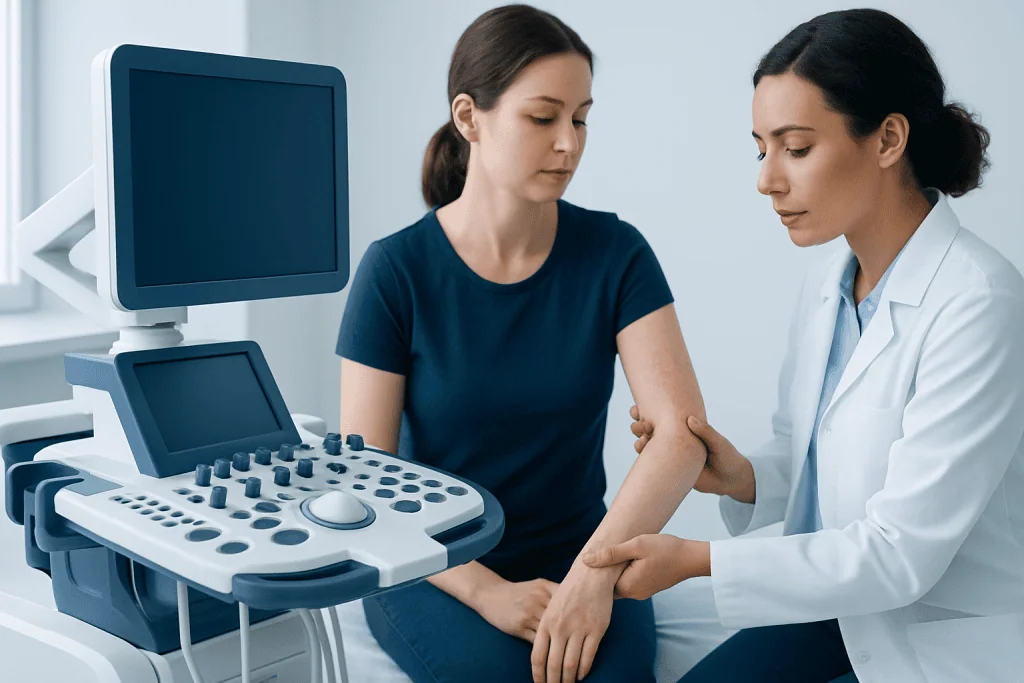
The most common symptom of atopic dermatitis is itching. In many people, itching appears before the rash becomes obvious. The skin may feel rough, tight, or sore, and repeated scratching can make the rash more inflamed and harder to control. This itch-scratch cycle is one of the main reasons symptoms can persist.
Skin changes may include redness, dryness, scaling, patches of thickened skin, small bumps, or areas that crack and sting. During a stronger flare, the skin may ooze, crust, or become swollen. In darker skin tones, eczema may look brown, purple, gray, or darker than the surrounding skin rather than bright red, which can sometimes delay recognition.
The location of the rash often changes with age. Babies frequently develop eczema on the cheeks, scalp, and outer parts of the arms and legs. Older children more often have it in the folds of the elbows, behind the knees, on the wrists, or around the ankles. Adults may have eczema on the hands, eyelids, neck, face, or flexural areas, and some develop more widespread dry, itchy patches.
- Dry, sensitive skin
- Intense itching, especially at night
- Red, brown, purple, or gray inflamed patches
- Cracks, scaling, or thickened skin from repeated rubbing
- Oozing or crusting during severe flares
Causes and Risk Factors

Atopic dermatitis does not have a single cause. It develops through the interaction of inherited and environmental factors. Many people with the condition have a family history of eczema, asthma, seasonal allergies, or hay fever, which reflects an atopic tendency. Genetic differences affecting the skin barrier may make it harder for the skin to hold moisture and protect against external irritants.
The immune system also plays a role. In atopic dermatitis, the immune response can become overactive, leading to inflammation in the skin. This inflammation contributes to redness, itch, and barrier damage. Once the skin is irritated, scratching can further increase inflammation and open the door to bacterial or viral skin infection.
Common triggers do not cause eczema by themselves, but they can provoke or worsen flares. Triggers vary from person to person and may include:
- Harsh soaps, detergents, fragrances, and skin care products
- Dry air, cold weather, heat, sweating, or rapid temperature changes
- Wool, rough fabrics, or tight clothing
- Stress and poor sleep
- Skin infections
- Some allergens, including dust mites or pet dander, in sensitive individuals
Atopic dermatitis can coexist with other allergic conditions. Some children later develop asthma or allergic rhinitis, and some adults may also have hand eczema or contact dermatitis. However, not every person with eczema has allergies, and food allergy should not be assumed without proper medical assessment.
Diagnosis and What Doctors Assess
Atopic dermatitis is usually diagnosed through a medical history and skin examination. There is no single test that confirms it in every case. Doctors look at the pattern of the rash, the degree of itch, the age at onset, personal or family history of atopic disease, and whether symptoms come and go over time.
Because several skin conditions can resemble eczema, the doctor may also consider other possibilities such as contact dermatitis, psoriasis, fungal infections, seborrheic dermatitis, or scabies. If the rash is unusual, persistent, or limited to certain exposures, patch testing or other evaluations may be recommended to check for allergic contact triggers. In some situations, a dermatologist may compare eczema with psoriasis or other inflammatory skin disorders.
Assessment also includes looking for signs of complications. These may include bacterial infection, widespread inflammation, severe sleep disruption, or skin thickening from long-term scratching. If eczema is difficult to control, the clinician may review bathing habits, moisturizers, possible irritants, work exposures, and any over-the-counter products already being used.
Treatment Options
Atopic dermatitis treatment aims to repair the skin barrier, reduce inflammation, relieve itching, and prevent new flares. The foundation of care is regular use of fragrance-free moisturizers, especially after bathing, because hydrated skin is less likely to crack and itch. Many people benefit from a personalized plan that includes both daily maintenance and a separate plan for flare treatment.
When moisturizers alone are not enough, doctors may prescribe anti-inflammatory creams or ointments, most commonly topical corticosteroids or other non-steroid medicines for sensitive areas or longer-term control. In moderate to severe disease, additional options may include phototherapy, oral medicines, or targeted biologic and small-molecule therapies under specialist supervision. In selected cases, a dermatologist may discuss advanced eczema treatment options if symptoms are persistent or widespread.
Itch control is also important. Practical steps such as keeping nails short, avoiding hot showers, choosing soft clothing, and using nighttime skin care can reduce scratching. If the skin becomes infected, treatment may include medicines directed at the infection as well as better eczema control. People with hand-predominant symptoms may need support similar to dermatology treatment programs that address skin protection, occupational triggers, and long-term management.
Treatment should be adjusted to age, skin area, severity, and lifestyle. The face, eyelids, skin folds, and hands may need different approaches. A doctor can also advise when symptoms suggest another diagnosis, such as contact dermatitis, or when specialist review is helpful.
Daily Skin Care, Prevention, and Self-care
Atopic dermatitis cannot always be prevented completely, but consistent skin care can reduce flare frequency and severity. Daily routines are often more important than occasional intensive treatment. Short, lukewarm baths or showers followed by immediate moisturizing help seal water into the skin. Fragrance-free cleansers are usually better tolerated than strongly perfumed soaps.
Clothing and environment also matter. Soft, breathable fabrics such as cotton are often more comfortable than wool or rough synthetics. Laundry products without added fragrance or dyes may reduce irritation. If sweating triggers itch, cooling the skin promptly and changing damp clothes can help. For some people, using a humidifier in dry indoor conditions may be useful.
Self-care should be practical and sustainable. Helpful habits may include:
- Applying moisturizer at least once or twice daily and after washing
- Using gentle, fragrance-free skin products
- Avoiding scratching when possible and using cold compresses for itch
- Identifying personal triggers through a symptom diary
- Managing stress and protecting sleep routines
- Following the doctor’s plan even after the skin improves
Diet changes are not routinely recommended unless a qualified clinician identifies a true food trigger. Unnecessary food avoidance can be especially problematic in children. If food allergy is suspected, medical guidance is important before making major dietary restrictions.
When to Seek Medical Care
Medical review is advisable when atopic dermatitis is new, severe, or interfering with sleep, school, work, or daily activities. A doctor should also assess eczema that is not improving with regular moisturizing and appropriate over-the-counter care, or when the diagnosis is uncertain.
Prompt care is important if the skin becomes very painful, rapidly more inflamed, warm, swollen, or starts to ooze pus or form yellow crusts, as these can suggest infection. Fever, clusters of blisters, or suddenly worsening widespread rash also need timely assessment. Infants and young children should be reviewed early if symptoms are affecting feeding, sleep, or growth.
For people with recurrent or difficult eczema, specialist evaluation can help tailor treatment and identify overlapping conditions. Acibadem International’s multidisciplinary specialists and JCI-accredited hospitals diagnose and treat atopic dermatitis for international patients, including access to allergy treatment or dermatology assessment when clinically appropriate.
Frequently asked questions
Is atopic dermatitis the same as eczema?
Atopic dermatitis is the most common type of eczema, but eczema is a broader term that includes several skin conditions. People often use the two terms interchangeably, but doctors may use “atopic dermatitis” when referring to this specific chronic inflammatory pattern.
Can atopic dermatitis go away completely?
In some children, symptoms improve greatly with age, and some may have long periods without flares. For others, it remains a chronic condition that needs ongoing skin care and occasional treatment. Even when it does not fully disappear, good management can reduce symptoms and improve comfort.
What triggers atopic dermatitis flares?
Common triggers include dry skin, harsh soaps, fragrances, heat, sweat, stress, rough fabrics, and skin infections. Triggers are highly individual, so keeping track of flare patterns can help identify what affects a particular person.
Is atopic dermatitis contagious?
No, atopic dermatitis is not contagious and cannot be passed from one person to another through touch. It is related to skin barrier problems, inflammation, and genetic and environmental factors rather than infection alone.
Should people with atopic dermatitis avoid certain foods?
Not necessarily. Food is not a trigger for everyone with atopic dermatitis, and routine food restriction is not recommended without medical guidance. If a food allergy is suspected, a qualified doctor or allergy specialist should evaluate it before any major dietary change.
When does eczema need prescription treatment?
Prescription treatment may be needed when moisturizers and gentle skin care are not enough, when itching is severe, or when flares are frequent or widespread. A doctor may also prescribe treatment if the skin is infected, very inflamed, or affecting sleep and quality of life.
References
- American Academy of Dermatology
- National Eczema Association
- National Institute of Allergy and Infectious Diseases
- American Academy of Allergy, Asthma & Immunology
- World Health Organization
This article is for general information only and is not a substitute for professional medical advice. Please consult a qualified doctor about your individual situation.
Atopic Dermatitis in Turkey — costs, top hospitals & a free quote
JCI-accredited · board-certified surgeons · reply within 24h
Add us as a Preferred Source to see more of our trusted health content across Google Search, AI Overviews and Discover.

More from the Health Library



Related Specialists

Assoc. Prof. Dr. Afag Aghayeva
General Surgery
Prof. Dr. Reyhan Çeliker
Physical Medicine & Rehabilitation
Dr. Hicran Karaca Sönmezer
Anesthesiology
Assoc. Prof. Dr. Rıza Gürhan Işıl
General Surgery