Atrial Septal Defect in Adults: Symptoms, Diagnosis, and When Closure Is Needed

An atrial septal defect is a hole in the wall between the two upper chambers of the heart. Many adults have mild or no symptoms, so the condition may be found during a routine exam or heart imaging.
Key Takeaways
- An atrial septal defect is a hole in the wall between the two upper chambers of the heart.
- Many adults have mild or no symptoms, so the condition may be found during a routine exam or heart imaging.
- Closure may be recommended when the defect causes enlargement of the right side of the heart, symptoms, or other complications.
- Diagnosis often involves echocardiography, electrocardiography, and sometimes advanced imaging or cardiac catheterization.
- Treatment can include monitoring, medicines for related symptoms, or closure with a catheter-based device or surgery.
Atrial septal defect in adults is a congenital heart condition in which there is an opening in the wall between the heart’s upper chambers. Some adults have no symptoms for years, while others develop shortness of breath, palpitations, fatigue, or complications that make evaluation and possible closure important.
Overview of atrial septal defect in adults
Atrial septal defect in adults is a type of congenital heart defect. This means the opening is present from birth, even if it is not discovered until later in life. The defect is located in the septum, the wall that separates the right and left atria, which are the upper chambers of the heart.
Because pressure is usually higher on the left side of the heart, blood tends to pass from the left atrium to the right atrium through the opening. Over time, this extra blood flow can increase the amount of blood going to the right side of the heart and the lungs. In some people, that extra workload can eventually lead to symptoms or changes in heart function.
There are several types of atrial septal defect, but the most common in adults is a secundum ASD. Smaller defects may cause few problems and sometimes do not require closure. Larger defects are more likely to affect the heart and lungs over time and are more often considered for treatment.
Many adults learn they have an ASD only after a doctor hears a heart murmur, evaluates unexplained breathlessness, or investigates heart rhythm symptoms. Early diagnosis helps doctors decide whether monitoring is enough or whether closure would reduce the risk of future complications.
Symptoms and possible complications

Symptoms of an atrial septal defect can vary widely. Some adults feel completely well, especially if the opening is small. Others notice reduced exercise tolerance, shortness of breath during activity, unusual tiredness, or a sensation of skipped or rapid heartbeats.
As people get older, the effects of long-term extra blood flow to the right side of the heart may become more noticeable. Some may develop swelling in the legs, repeated chest infections, or breathlessness that slowly worsens over time. A doctor may detect a characteristic murmur or other abnormal heart sounds during an examination.
Complications are not inevitable, but they are one reason evaluation matters. Potential complications include enlargement of the right atrium and right ventricle, pulmonary hypertension, atrial arrhythmias such as atrial fibrillation, and in some cases heart failure symptoms. Rarely, a blood clot can pass through the defect and contribute to a stroke or transient ischemic attack.
- Shortness of breath, especially with exertion
- Fatigue or reduced stamina
- Palpitations or irregular heartbeat
- Heart murmur found on exam
- Swelling in the ankles or legs in more advanced cases
Causes and risk factors

An atrial septal defect develops before birth when the wall between the atria does not form completely. In most adults, there is no single known cause. It is generally considered a structural difference in heart development rather than something a person did or did not do later in life.
Some congenital heart defects can run in families, and some are linked with genetic syndromes, but many people with ASD have no family history. Environmental influences during pregnancy may play a role in some congenital heart conditions overall, although this is not usually something that can be identified clearly in an individual adult with ASD.
Risk in adulthood is less about how the defect started and more about how it affects the heart over time. Larger defects, long-standing left-to-right shunting, older age at diagnosis, and associated heart rhythm problems can all increase the chance of symptoms or complications. Adults may also have related or overlapping conditions such as heart valve disease or pulmonary pressure changes that influence management.
It is also important to distinguish ASD from other openings between the atria, such as a patent foramen ovale. These are not the same condition, and the need for treatment can be different. A cardiologist uses imaging findings, symptoms, and overall heart function to tell them apart and guide care safely.
How atrial septal defect is diagnosed
Diagnosis usually starts with a medical history and physical examination. A clinician will ask about breathlessness, fatigue, exercise tolerance, palpitations, prior strokes, and any family history of congenital heart disease. On examination, a murmur or signs of right-sided heart strain may raise suspicion.
The main test for confirming an ASD is echocardiography, which uses ultrasound to show the heart’s structure and blood flow. A standard transthoracic echocardiogram is often enough, but a transesophageal echocardiogram may be recommended if a more detailed view is needed to measure the defect and plan closure.
Other tests can help assess the impact of the defect. An electrocardiogram can show rhythm problems or signs of chamber enlargement, while a chest X-ray may suggest increased blood flow to the lungs or an enlarged heart. In selected cases, cardiac MRI, CT, exercise testing, or cardiac catheterization may be used to evaluate shunt size, pulmonary pressures, or suitability for a procedure.
Diagnosis does not end with identifying the hole itself. Doctors also assess whether the right side of the heart is enlarged, whether pulmonary hypertension is present, and whether closure is likely to help. This broader assessment is essential because treatment decisions depend on the defect’s effect on the whole cardiovascular system.
When closure is needed
Not every atrial septal defect in adults needs to be closed. The decision depends on the size and type of the defect, the direction and amount of blood flow across it, symptoms, and whether the right side of the heart has enlarged. Many cardiologists recommend closure when there is evidence that the defect is causing a significant left-to-right shunt and affecting heart function, even if symptoms are mild.
Closure may also be considered in adults who have shortness of breath, reduced exercise capacity, recurrent atrial arrhythmias, or a history suggesting that a clot may have crossed the defect. In contrast, very small defects without right heart enlargement may simply be monitored over time. In some situations, severe pulmonary hypertension can make closure unsuitable or require highly specialized evaluation first.
The timing of closure is individualized. In general, closing a significant ASD before irreversible changes develop in the lungs or heart offers the best chance of preventing long-term complications. Adults who were diagnosed late can still benefit, but the decision should be based on careful imaging and specialist assessment.
If there is uncertainty, the person may be referred to a cardiologist with expertise in adult congenital heart disease. This is especially helpful when there are additional issues such as pulmonary hypertension, complex anatomy, or another structural condition such as arrhythmia.
Treatment options
Treatment depends on the defect and the person’s overall health. If the ASD is small and not causing right heart enlargement or symptoms, regular follow-up may be the only step needed. Follow-up usually includes clinical review and repeat imaging to watch for changes over time.
Medicines do not close the hole itself, but they may help manage related issues. For example, doctors may use medicines to control heart rhythm problems, reduce fluid retention, or manage associated conditions such as high blood pressure. If stroke risk is a concern in a patient with arrhythmia, blood-thinning treatment may also be discussed based on individual risk.
Many secundum ASDs can be treated with a minimally invasive catheter-based procedure. In this approach, a device is guided through a blood vessel and positioned to close the opening, often avoiding open-heart surgery. Depending on anatomy, some patients may be candidates for interventional cardiology techniques for ASD device closure.
Surgery may be recommended when the defect is too large, the anatomy is not suitable for a device, or another heart problem needs repair at the same time. Surgical closure is an established treatment with good outcomes in appropriate patients and may be part of broader cardiovascular surgery care when needed.
Living with ASD: self-care and follow-up
Adults with an atrial septal defect often do well with regular medical follow-up and sensible lifestyle habits. Ongoing care helps doctors monitor symptoms, heart rhythm, and any changes in right heart size or lung pressure. Even after closure, follow-up remains important to confirm recovery and detect late rhythm issues.
Heart-healthy habits support overall cardiovascular health. These include staying physically active within a doctor’s advice, avoiding smoking, managing blood pressure, and maintaining a balanced diet. Most people can continue daily activities, but anyone with symptoms during exercise should ask a clinician what level of activity is safe.
People should also tell healthcare professionals about the ASD before procedures, pregnancy planning, or new treatment for other conditions. Pregnancy is often possible, but women with unrepaired ASD, arrhythmias, or pulmonary hypertension need specialist counseling before conception. Individual guidance is important because risk can vary greatly.
Near the end of the care pathway, some patients benefit from coordinated assessment by cardiology, imaging, and cardiac procedure teams. Acibadem International’s multidisciplinary specialists and JCI-accredited hospitals diagnose and treat adult congenital heart conditions, including ASD, for international patients when advanced evaluation or closure is needed.
When to see a doctor
An adult should see a doctor if they have unexplained shortness of breath, reduced exercise tolerance, frequent palpitations, swelling in the legs, or a heart murmur found during a routine exam. These symptoms do not always mean an ASD is present, but they deserve evaluation, especially if they are new or gradually worsening.
Prompt medical attention is important if symptoms suggest a serious complication. Urgent assessment is needed for chest pain, fainting, signs of stroke such as sudden weakness or trouble speaking, or severe breathlessness. These symptoms can have several causes and should not be ignored.
People who were told in childhood that they had a heart defect but have not had follow-up for many years should consider a review with a cardiologist. Likewise, adults with known ASD who become pregnant, develop irregular heartbeats, or are planning a major procedure should ask for updated guidance.
Seeking care early can be reassuring as well as protective. Many adults with ASD have effective treatment options, and a specialist can explain whether monitoring, device closure, or surgery is the safest and most appropriate next step.
Frequently asked questions
Can an atrial septal defect go unnoticed until adulthood?
Yes. Many people with a small or moderate ASD have few or no symptoms for years, so the condition may not be discovered until adulthood. It is often found during evaluation of a murmur, breathlessness, or palpitations.
Does every adult with ASD need closure?
No. Some small defects do not cause right heart enlargement or symptoms and may only need monitoring. Closure is more often recommended when the defect causes a significant shunt, symptoms, or complications.
How is ASD closure performed in adults?
Many suitable secundum ASDs can be closed with a catheter-based device placed through a blood vessel. If the anatomy is not appropriate for a device, surgery may be the better option. The best approach depends on imaging findings and specialist assessment.
Is atrial septal defect dangerous if left untreated?
It can be harmless in some people, especially when the defect is very small. However, larger untreated ASDs may lead over time to right heart enlargement, arrhythmias, pulmonary hypertension, or heart failure symptoms. Regular assessment helps identify who is at risk.
Can adults exercise if they have an atrial septal defect?
Many adults with ASD can remain active, especially if they have no major symptoms or complications. The safest level of activity depends on the size of the defect, heart rhythm, and lung pressures. A doctor can give individualized advice.
Can pregnancy affect an atrial septal defect?
Pregnancy is often well tolerated in women with uncomplicated ASD, but not in every situation. Women with unrepaired defects, arrhythmias, or pulmonary hypertension should have specialist counseling before pregnancy. Care plans are tailored to both maternal and fetal safety.
This article is for general information only and is not a substitute for professional medical advice. Please consult a qualified doctor about your individual situation.
Explore treatments in Turkey — costs, top hospitals & a free quote
JCI-accredited · board-certified surgeons · reply within 24h
Add us as a Preferred Source to see more of our trusted health content across Google Search, AI Overviews and Discover.

More from the Health Library
Small Fiber Neuropathy: Burning Pain, Skin Biopsy, and Treatment Options

What Is Chronic Inflammatory Disease? Causes, Stages, and Long-Term Care

Chronic Sinusitis or Allergies? How Doctors Tell the Difference

What Is Operant Conditioning? How Behavior Changes Through Rewards and Consequences

Peptic Ulcer Disease: Stomach Pain, H. pylori, and Treatment

What Is Hashimoto’s Thyroiditis? Symptoms, Antibodies, and Treatment
Cardiovascular Surgery Specialists at Acibadem
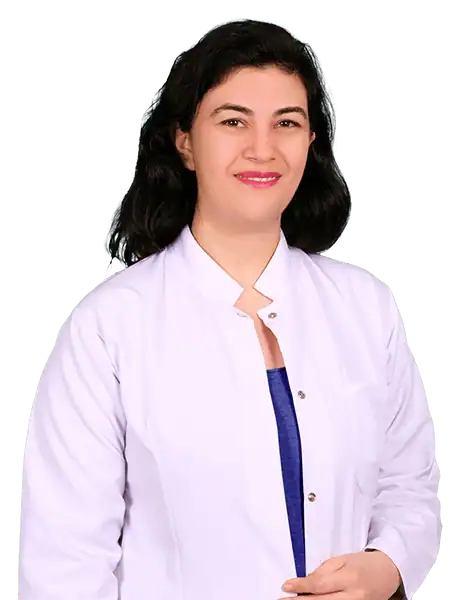
Dr. Ayşe Cennet Sarimehmetoğlu
Cardiology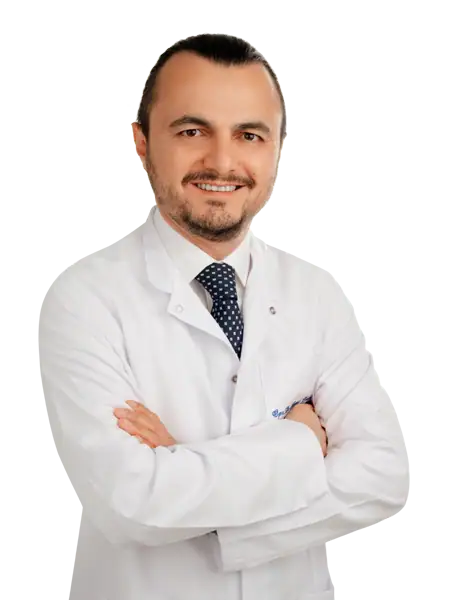
Dr. Aytaç Çalışkan
Cardiovascular Surgery
Assoc. Prof. Dr. Bahar Temur
Cardiovascular Surgery
Dr. Bakytbek Kazybaev
Cardiovascular Surgery