Atrial Septal Defect in Adults: Symptoms, Testing, and Closure Options

An atrial septal defect is a hole in the septum between the right and left atria. Some adults have no symptoms, but larger defects can strain the right side of the heart over time.
Key Takeaways
- An atrial septal defect is a hole in the septum between the right and left atria.
- Some adults have no symptoms, but larger defects can strain the right side of the heart over time.
- Diagnosis usually involves an echocardiogram, electrocardiogram, and sometimes advanced heart imaging or catheterization.
- Treatment depends on the size of the defect, symptoms, and effects on heart function.
- Many suitable defects can be closed with a catheter-based procedure, while some need surgical repair.
- Regular cardiology follow-up is important, even when symptoms are mild.
Atrial septal defect in adults is a congenital heart condition in which an opening remains in the wall between the heart’s upper chambers. Some adults have no symptoms for years, while others develop breathlessness, tiredness, palpitations, or complications that may improve with monitoring or closure treatment.
Overview
An atrial septal defect in adults is a congenital heart condition, meaning it is present from birth, even if it is only discovered later in life. In this condition, there is an opening in the wall, called the septum, that separates the two upper chambers of the heart, the right atrium and the left atrium. This opening allows blood to pass between the chambers in a way that may increase blood flow to the right side of the heart and the lungs.
Small defects may cause no noticeable problems and can sometimes be found by chance during an exam or heart test done for another reason. Larger defects may gradually place extra strain on the heart and lung circulation. Because this process can develop slowly, many people do not realize they have an atrial septal defect until adulthood.
There are several types of atrial septal defect, but the most common in adults is called a secundum ASD. Other types exist and may be linked with nearby heart valve or vein abnormalities. In adults, careful assessment is important because the best treatment depends not only on the size of the opening, but also on how it affects heart structure, symptoms, and overall circulation.
Symptoms and possible complications
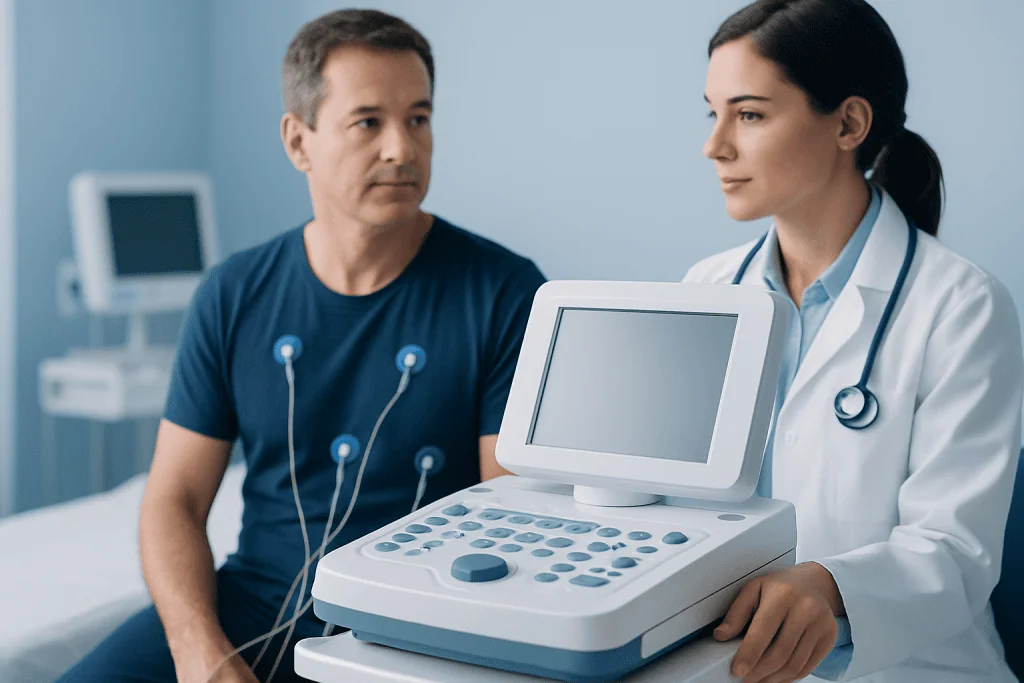
Symptoms of an atrial septal defect in adults can vary widely. Some people feel completely well, while others notice symptoms during exercise or over time as the heart works harder. Common symptoms include shortness of breath, unusual tiredness, reduced exercise tolerance, and awareness of heartbeats such as fluttering or palpitations.
Adults with a larger or long-standing defect may also have frequent chest infections, swelling in the legs, or mild chest discomfort. In some cases, the first clue is an abnormal heart sound heard during a routine examination. Heart rhythm disturbances, especially atrial fibrillation or atrial flutter, can become more likely with age when the right atrium is enlarged.
If an important defect remains untreated, complications may develop gradually. These can include enlargement of the right side of the heart, increased pressure in the lung blood vessels, heart failure symptoms, or a higher risk of stroke from a clot crossing the defect. Not every adult with an ASD will experience these problems, but identifying the defect early helps guide safe monitoring and treatment.
- Shortness of breath during activity
- Tiredness or poor stamina
- Palpitations or irregular heartbeat
- Recurrent respiratory infections
- Swelling in the legs or ankles in more advanced cases
Causes and risk factors

An atrial septal defect develops before birth when the wall between the atria does not form completely. In most adults, there is no single clear reason why this happened. It is usually not caused by anything the person did or did not do later in life. Because it is congenital, the condition may remain silent for many years before it is recognized.
Some ASDs occur as isolated findings, while others are associated with broader congenital heart differences. A family history of congenital heart disease can increase the chance of a heart defect in relatives, although many adults diagnosed with an ASD have no known family history. Certain genetic syndromes and maternal health factors during pregnancy may also play a role in some cases.
Risk in adulthood is usually less about how the defect started and more about how it affects the heart over time. Larger defects, delayed diagnosis, and existing heart rhythm problems can increase the likelihood of symptoms and complications. Doctors also consider whether a person has related conditions such as heart failure symptoms, pulmonary hypertension, or valve abnormalities when planning care.
How doctors diagnose atrial septal defect in adults
Diagnosis often begins with a medical history, physical examination, and basic heart tests. A doctor may hear a characteristic heart murmur or signs that blood flow through the right side of the heart is increased. An electrocardiogram can help identify rhythm problems or signs of strain on the heart, while a chest X-ray may show an enlarged heart or increased blood flow to the lungs in some patients.
The most important test is usually an echocardiogram, an ultrasound of the heart. This shows the opening in the atrial septum, estimates its size, and helps doctors understand the direction and amount of blood flow across it. Echocardiography also reveals whether the right atrium and right ventricle are enlarged and whether there are signs of increased pressure in the lung arteries.
In some adults, additional tests are needed for detailed planning. A transesophageal echocardiogram provides closer images from the esophagus and is especially helpful before closure procedures. Cardiac MRI, CT, exercise testing, or cardiac catheterization may also be recommended in selected cases, particularly when anatomy is complex or pulmonary pressures need precise evaluation. These investigations help distinguish an ASD from other conditions such as arrhythmia-related symptoms or other structural heart problems.
Treatment options and closure procedures
Treatment depends on the type of ASD, its size, the amount of extra blood flow to the right side of the heart, symptoms, and whether complications are present. Very small defects that do not affect heart function may only need regular follow-up. If the defect is causing right heart enlargement, symptoms, or significant blood flow across the septum, closure is often recommended.
Many adults with a suitable secundum ASD can have a catheter-based closure. In this minimally invasive procedure, a specialist guides a thin tube through a blood vessel to the heart and places a closure device across the opening. This approach avoids open-heart surgery in selected patients and is often considered when the defect’s shape and surrounding tissue are appropriate for device placement. It may be discussed as part of interventional cardiology care.
Some ASDs are not suitable for device closure because of their size, location, or associated abnormalities. In these cases, surgical repair may be the better option. Surgery may involve stitching the defect closed or covering it with a patch. If a person also has another condition requiring surgery, such as a nearby valve problem, doctors may recommend combined treatment with a cardiovascular surgery team.
Medical treatment does not close the hole itself, but it may help control symptoms or related problems such as fluid retention, high blood pressure, or abnormal heart rhythms. After closure, follow-up is still important to confirm healing, check heart rhythm, and monitor long-term heart function. In appropriate patients, doctors may also assess broader cardiology needs during recovery and long-term care.
Prevention, self-care, and life after diagnosis
Because an atrial septal defect is congenital, there is no guaranteed way for an adult to prevent having one. What matters most is early recognition and regular follow-up once the diagnosis is made. Ongoing care helps doctors detect changes in heart size, rhythm, exercise tolerance, and lung pressures before more serious problems develop.
Everyday self-care supports overall heart health. Adults with an ASD or after closure are usually advised to stay physically active within the limits recommended by their doctor, maintain a heart-healthy diet, avoid tobacco, and manage blood pressure, cholesterol, and diabetes when present. These measures do not close the defect, but they can reduce the strain on the cardiovascular system.
Patients should take medications exactly as prescribed and attend scheduled imaging and clinic visits. Some people may need temporary blood-thinning treatment after device closure or special instructions before certain medical procedures. Women who are pregnant or planning pregnancy should discuss the condition with a cardiologist, since most can do well with proper assessment, but individualized guidance is important.
Near the end of the care pathway, some adults seek evaluation at specialized centers with experience in congenital and structural heart disease. Acibadem International’s multidisciplinary specialists and JCI-accredited hospitals diagnose and treat atrial septal defect in adults for international patients, with treatment plans based on heart anatomy, symptoms, and long-term follow-up needs.
When to see a doctor
An adult should see a doctor if there is unexplained shortness of breath, easy fatigue, reduced exercise capacity, or new palpitations. Medical review is also important if a heart murmur has been detected, especially when there is a family history of congenital heart disease or unexplained stroke at a young age.
Prompt assessment is especially important when symptoms are worsening or when there are signs such as fainting, swelling in the legs, persistent fast or irregular heartbeat, or chest discomfort. These symptoms do not always mean the ASD is severe, but they deserve timely evaluation to rule out complications or another heart condition.
Anyone previously diagnosed with an atrial septal defect should keep regular cardiology appointments, even when feeling well. Symptoms can remain mild while changes in heart structure progress slowly in the background. Follow-up helps ensure the right moment for treatment is not missed and supports safer long-term outcomes.
Frequently asked questions
Can an atrial septal defect be found for the first time in adulthood?
Yes. Many adults are diagnosed only after a routine examination, heart imaging, or evaluation for symptoms such as breathlessness or palpitations. Small or moderate defects can remain unnoticed for years before they begin to affect the heart.
Is atrial septal defect in adults always serious?
Not always. Some small defects cause little or no strain on the heart and may simply need monitoring. Larger defects or those causing right heart enlargement, rhythm problems, or symptoms are more likely to need treatment.
What tests are usually used to confirm the diagnosis?
An echocardiogram is the main test because it shows the opening and how blood flows through it. Doctors may also use an electrocardiogram, chest X-ray, transesophageal echocardiogram, cardiac MRI, CT, or cardiac catheterization depending on the situation.
Can an atrial septal defect close on its own in adults?
A true atrial septal defect found in adulthood usually does not close on its own. If treatment is needed, doctors consider either catheter-based device closure or surgery based on the defect’s anatomy and the patient’s overall heart health.
What is recovery like after ASD closure?
Recovery depends on whether the defect is closed with a catheter procedure or surgery. Catheter-based closure often involves a shorter recovery, while surgery may require more healing time. In both cases, follow-up visits and heart imaging are important to confirm a good result.
Can adults with atrial septal defect exercise?
Many adults can remain active, but the safest level of exercise depends on the size of the defect, symptoms, heart rhythm, and lung pressures. A cardiologist can give personalized advice, especially if there is shortness of breath, palpitations, or pulmonary hypertension.
Does every adult with an ASD need surgery?
No. Some defects are monitored without intervention, and many suitable secundum ASDs can be closed with a catheter-based device rather than open-heart surgery. The decision is based on symptoms, right heart enlargement, the type of defect, and whether closure is expected to improve long-term heart function.
References
- American Heart Association
- European Society of Cardiology
- National Heart, Lung, and Blood Institute
- Mayo Clinic
- Centers for Disease Control and Prevention
This article is for general information only and is not a substitute for professional medical advice. Please consult a qualified doctor about your individual situation.
Explore treatments in Turkey — costs, top hospitals & a free quote
JCI-accredited · board-certified surgeons · reply within 24h
Add us as a Preferred Source to see more of our trusted health content across Google Search, AI Overviews and Discover.

More from the Health Library



Related Specialists

Dr. Damla Akçora
Anesthesiology
Dr. Jason Ömer Holtzclaw
Neurosurgery
Dr. Sedef Başgönül
Infectious Diseases & Clinical Microbiology
Dr. Cihangir Görgülü
Radiology