Aura — Explained by Medical Evidence, Not Myths

An aura is a real medical symptom, not a diagnosis by itself. Migraine aura often causes visual changes, tingling, or language symptoms that develop gradually and then resolve.
Key Takeaways
- An aura is a real medical symptom, not a diagnosis by itself.
- Migraine aura often causes visual changes, tingling, or language symptoms that develop gradually and then resolve.
- A seizure aura is an early part of a focal seizure and may feel very different from migraine aura.
- Sudden weakness, trouble speaking, or a first-ever aura should be assessed by a doctor, especially if symptoms are unusual or prolonged.
- Diagnosis is based on symptom pattern, medical history, and sometimes brain imaging or EEG testing.
Aura meaning refers to a short-lived set of neurological symptoms caused by temporary changes in brain activity. An aura is not a myth or a spiritual sign in medical use; it is most often linked to migraine, and sometimes to seizures or other neurological conditions.
Aura meaning: what the term means in medicine
Aura meaning in medicine is straightforward: it describes a brief group of neurological symptoms that happens because of temporary changes in brain function. These symptoms can affect vision, sensation, speech, hearing, smell, or awareness. In everyday language, people may use “aura” in many ways, but in healthcare it has a specific clinical meaning.
Most commonly, aura is associated with migraine. A person may notice flashing lights, zigzag lines, blind spots, tingling in the face or hand, or difficulty finding words before or during a headache. However, not every aura is linked to pain. Some people have migraine aura without a significant headache.
Aura can also occur with certain types of seizures. In that setting, the aura is actually the earliest phase of a focal seizure, and it may include unusual smells, a rising feeling in the stomach, sudden fear, deja vu, or sensory changes. Because the causes differ, the pattern of symptoms matters.
The key point is that aura is a symptom pattern, not a standalone disease. Understanding what type of aura is happening helps doctors decide whether the cause is likely to be migraine, seizure activity, or another condition that needs evaluation.
How an aura feels: common symptoms and patterns
Auras can look very different from one person to another, but they usually follow a recognizable pattern. Migraine aura often builds gradually over several minutes and lasts less than an hour. Symptoms may spread from one area to another, such as visual changes followed by tingling and then mild language difficulty.
Visual aura is the best-known type. A person may see flashing lights, shimmering shapes, zigzag lines, blurred patches, or a temporary blind spot. These symptoms can affect one side of the visual field and may move or expand before fading away.
Other aura symptoms are sensory or language-related. Tingling or numbness may begin in the fingers and move up the arm or into the face. Some people have trouble finding words, speaking clearly, or processing language for a short time. Less often, aura may include dizziness, ringing in the ears, changes in smell, or a strange sense of unreality.
- Visual changes: flashes, zigzags, blind spots, shimmering lights
- Sensory changes: tingling, numbness, “pins and needles”
- Speech or language symptoms: word-finding difficulty, slowed speech
- Less common symptoms: unusual smells, sound sensitivity, dizziness, nausea
Why aura happens: causes and risk factors

The most common cause of aura is migraine. In migraine aura, specialists believe symptoms are related to a temporary wave of altered brain activity that moves across the brain’s surface, often followed by changes in blood flow and nerve signaling. This can produce visual, sensory, or language symptoms even before pain starts.
A seizure aura has a different mechanism. It reflects a small area of abnormal electrical activity in the brain, usually at the start of a focal seizure. The exact experience depends on which brain region is involved. For example, the temporal lobe may produce deja vu, sudden fear, or a rising stomach sensation, while the occipital lobe may cause visual phenomena.
Less commonly, aura-like symptoms may be caused by stroke, transient ischemic attack, retinal problems, vestibular disorders, medication effects, or metabolic disturbances. That is why the first episode, an unusual pattern, or symptoms that do not fit a person’s usual experience should not be ignored.
Risk factors depend on the underlying cause. For migraine, family history, stress, poor sleep, hormonal shifts, dehydration, skipped meals, and certain triggers may play a role. For seizures, risk factors can include prior brain injury, infection, structural brain changes, or a known seizure disorder such as epilepsy.
Migraine aura, seizure aura, or something else?
One of the most important questions is whether an aura fits migraine, seizure, or another neurological problem. Migraine aura usually develops gradually over 5 to 20 minutes, may “march” from one symptom to another, and often resolves within 60 minutes. A headache may follow, but not always.
Seizure aura is often more sudden and shorter. It may last seconds to a few minutes and can be followed by altered awareness, repetitive movements, confusion, or a larger seizure. Some people with focal seizures remain aware, while others do not. Because a seizure aura is part of the seizure itself, it deserves medical attention.
Stroke and transient ischemic attack can sometimes mimic aura, but they often begin abruptly rather than gradually. New weakness on one side, facial drooping, severe trouble speaking, sudden vision loss in one eye, or symptoms that do not improve promptly should be treated as urgent until proven otherwise.
Doctors sometimes use brain imaging or other neurological evaluation when symptoms are new, atypical, frequent, or accompanied by other concerning features. If recurrent headaches are part of the picture, assessment by a specialist in migraine can help clarify the diagnosis and guide treatment.
How doctors diagnose aura
Diagnosis starts with a careful history. A doctor will usually ask what the symptoms looked or felt like, how quickly they started, how long they lasted, whether they spread, and whether a headache, confusion, or loss of awareness followed. A symptom diary can be very helpful because timing and sequence are often the biggest clues.
A neurological examination may be normal between episodes, especially in migraine aura. If the history strongly suggests a typical migraine aura and the pattern is longstanding, extensive testing may not always be needed. However, first-time episodes, sudden or severe symptoms, or changes from the usual pattern often call for further evaluation.
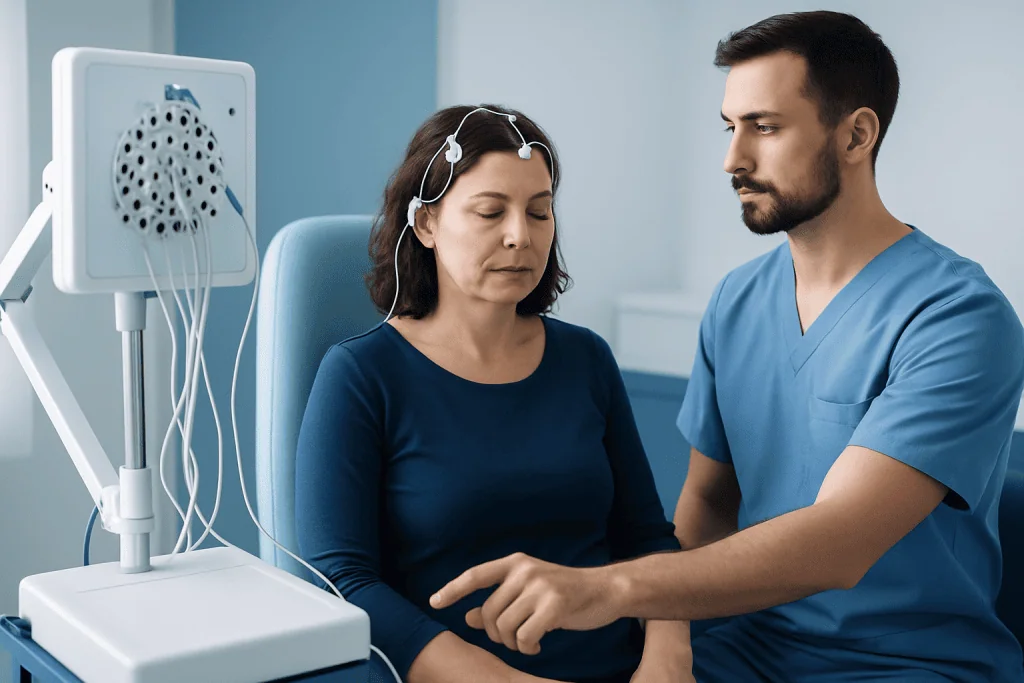
Tests may include brain imaging such as MRI scanning or CT imaging to rule out other causes. If seizure is a concern, a doctor may recommend an EEG test to look for abnormal electrical activity. Eye examination, blood tests, or cardiovascular evaluation may also be appropriate in some cases.
The aim of diagnosis is not only to name the symptom, but to identify its cause and decide whether urgent treatment is needed. This is especially important when symptoms suggest seizure, stroke, or another condition that can resemble aura.
Treatment options and day-to-day management
Treatment depends entirely on the cause. Migraine aura is managed by treating migraine itself. This may involve acute medications for headache attacks, preventive medicines if episodes are frequent, and practical steps such as regular sleep, good hydration, stress management, and avoiding personal triggers when possible.
If aura occurs without much headache, treatment may still be helpful if episodes are disruptive or frequent. A doctor may review contraceptive use, smoking, vascular risk factors, and family history, especially when visual or neurological symptoms are recurrent. Management is individualized rather than one-size-fits-all.
Seizure aura is treated as part of a seizure disorder. Care may include anti-seizure medication and evaluation for the underlying cause. People with possible seizures may need advice about driving, safety at heights, water safety, and when to seek urgent help.
For persistent uncertainty, neurological review can be reassuring and clinically useful. In some cases, multidisciplinary specialists at Acibadem International and its JCI-accredited hospitals evaluate aura-related symptoms in international patients, particularly when migraine, seizure, or other brain-related causes need coordinated assessment.
Prevention, self-care, and tracking symptoms
Self-care does not replace medical evaluation, but it can make patterns easier to recognize and may reduce episodes in some people. Keeping a simple log of the date, time, symptoms, duration, food intake, stress level, sleep quality, menstrual timing, and any headache that follows can help identify trends.
General brain-health habits may be useful, especially for migraine-prone people. These include staying hydrated, eating regularly, limiting sleep deprivation, managing stress, and being cautious with alcohol if it seems to trigger symptoms. Screen glare, bright light, and skipped meals are common migraine triggers for some individuals.
It is also helpful to note whether symptoms are always the same or changing over time. A stable, well-recognized pattern can support diagnosis, while new or progressing symptoms may point to a different cause. This distinction can guide whether a person needs routine follow-up or urgent assessment.
- Track onset, duration, and exact symptom order
- Record headaches, nausea, light sensitivity, or confusion afterward
- Note possible triggers such as poor sleep, stress, dehydration, or missed meals
- Seek review if episodes become more frequent, longer, or noticeably different
When to seek medical care
Medical care is important if aura symptoms happen for the first time, begin very suddenly, last longer than usual, or do not match a person’s typical pattern. Prompt evaluation is also wise if aura occurs with weakness, fainting, persistent confusion, severe headache unlike prior headaches, or trouble speaking that does not quickly improve.
Urgent care is needed for possible stroke symptoms, including one-sided weakness, facial drooping, sudden loss of vision, severe imbalance, or abrupt difficulty understanding speech. These symptoms can overlap with aura, but they should be treated as an emergency until a clinician determines the cause.
A doctor should also assess episodes that suggest seizure, especially if there is loss of awareness, involuntary movements, unexplained staring, or confusion afterward. Recurrent symptoms without a clear diagnosis deserve evaluation even if they fully resolve each time.
People who are pregnant, older adults with a new aura pattern, and those with vascular risk factors such as smoking, high blood pressure, or heart disease should be especially cautious. Timely evaluation helps distinguish common causes from conditions that need urgent treatment.
Frequently asked questions
What is the medical meaning of aura?
In medicine, aura means a brief set of neurological symptoms caused by temporary changes in brain activity. It is most commonly linked to migraine, but it can also occur as part of a focal seizure or, less commonly, other neurological conditions.
Is aura always followed by a headache?
No. Many people have aura before a migraine headache, but some have aura without much pain or without headache at all. This is sometimes called migraine aura without headache.
How long does an aura usually last?
Migraine aura often lasts between about 5 and 60 minutes and tends to develop gradually. A seizure aura is often shorter, sometimes only seconds to a few minutes, and may be followed by other seizure symptoms.
What does visual aura look like?
Visual aura may appear as flashing lights, zigzag lines, shimmering shapes, blurred areas, or a temporary blind spot. These symptoms often move or expand and then fade away rather than staying fixed.
Can aura be dangerous?
Aura itself is a symptom, not always a dangerous event, but it should not be self-diagnosed when it is new or unusual. Symptoms that start suddenly, last longer than expected, or include weakness or persistent speech trouble need urgent medical assessment.
How do doctors tell the difference between aura and stroke?
Doctors look closely at how symptoms begin, how they spread, how long they last, and what happens afterward. Migraine aura often builds gradually, while stroke symptoms are more often sudden; however, the overlap can be significant, so urgent evaluation is important when there is uncertainty.
References
- World Health Organization
- National Institute of Neurological Disorders and Stroke
- American Migraine Foundation
- International Headache Society
- Epilepsy Foundation
This article is for general information only and is not a substitute for professional medical advice. Please consult a qualified doctor about your individual situation.
Explore treatments in Turkey — costs, top hospitals & a free quote
JCI-accredited · board-certified surgeons · reply within 24h
Add us as a Preferred Source to see more of our trusted health content across Google Search, AI Overviews and Discover.

More from the Health Library

Cymbalta: What Patients Need to Know

Cryo Facial: A Complete Medical Overview

Elder Tree — Explained by Medical Evidence, Not Myths

Celecoxib Drugs: A Complete Medical Overview

Rice Water for Hair: What Patients Need to Know