Autoimmune Neuropathy: Early Signs, Testing, and Specialist Care

Autoimmune neuropathy can cause numbness, tingling, weakness, pain, balance problems, or changes in reflexes. Symptoms may develop suddenly or gradually, depending on the specific type of neuropathy.
Key Takeaways
- Autoimmune neuropathy can cause numbness, tingling, weakness, pain, balance problems, or changes in reflexes.
- Symptoms may develop suddenly or gradually, depending on the specific type of neuropathy.
- Diagnosis often combines medical history, neurological examination, blood tests, nerve studies, and sometimes spinal fluid testing or imaging.
- Treatment focuses on calming the immune attack, managing symptoms, and supporting nerve function and rehabilitation.
- New or worsening weakness, trouble walking, breathing changes, or swallowing problems need prompt medical attention.
Autoimmune neuropathy happens when the immune system mistakenly attacks peripheral nerves or their protective covering. Early recognition and specialist evaluation can help identify the cause, guide treatment, and support better symptom control and recovery.
Overview
Autoimmune neuropathy is a group of disorders in which the body’s immune system mistakenly attacks the peripheral nerves. These nerves carry signals between the brain, spinal cord, muscles, skin, and internal organs. When they become inflamed or damaged, a person may develop weakness, numbness, tingling, pain, or problems with balance and coordination.
The term does not describe one single illness. Instead, it includes several immune-related neuropathies, such as chronic inflammatory demyelinating polyradiculoneuropathy (CIDP), Guillain-Barré syndrome, and some forms of vasculitic or sensory neuropathy. In some cases, the immune attack mainly affects the myelin coating around nerves; in others, it affects the nerve fibers themselves.
Because there are different forms, symptoms and progression can vary widely. Some people notice a gradual decline over weeks or months, while others develop symptoms more quickly. A careful evaluation by a neurologist or neuromuscular specialist is important to identify the specific pattern and decide on the most appropriate treatment plan.
Early Signs and Symptoms
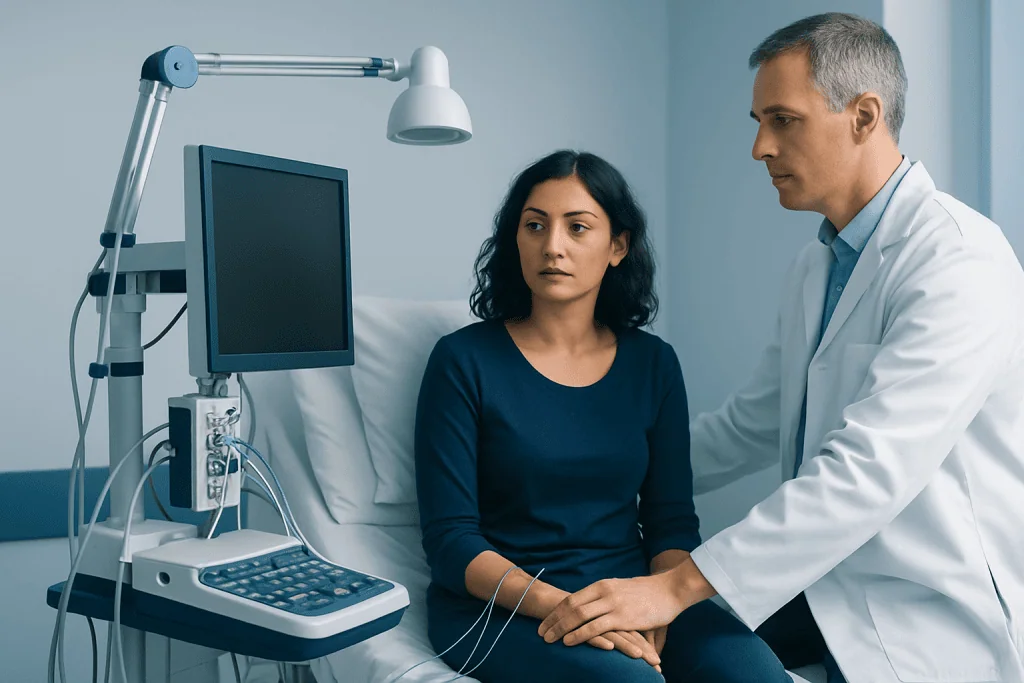
Early autoimmune neuropathy symptoms are often subtle at first. Many people notice tingling in the feet or hands, unusual burning sensations, numb patches, or a sense that their legs feel heavy. Others become aware of weakness when climbing stairs, rising from a chair, lifting objects, or walking for longer distances.
Symptoms may affect sensation, movement, or both. Sensory symptoms can include pins and needles, reduced ability to feel touch or temperature, or nerve pain. Motor symptoms can include muscle weakness, cramping, reduced reflexes, foot drop, poor hand grip, or difficulty with fine motor tasks such as buttoning clothes.
Some autoimmune neuropathies also affect balance because the nerves that help the body sense position are involved. A person may feel unsteady in the dark or on uneven ground. In certain cases, autonomic nerves are affected, which can lead to dizziness on standing, changes in sweating, bowel or bladder symptoms, or abnormal heart rate responses.
- Tingling or numbness in the feet, legs, hands, or arms
- Burning, stabbing, or electric-shock-like pain
- Weakness in the legs or arms
- Reduced or absent reflexes
- Balance problems or frequent tripping
- Fatigue related to muscle weakness
Causes and Risk Factors

In autoimmune neuropathy, the immune system targets parts of the peripheral nervous system by mistake. This can happen after an infection, alongside another autoimmune disease, or without a clearly identifiable trigger. Sometimes the attack is directed at myelin, the insulating layer around nerves; in other cases, immune cells or antibodies damage the axon, which is the main nerve fiber.
Certain medical conditions are linked with a higher chance of immune-related nerve disease. These may include lupus, rheumatoid arthritis, Sjögren syndrome, vasculitis, celiac disease, inflammatory bowel disease, and some blood or immune disorders. Rarely, autoimmune neuropathy can appear in connection with cancer-related immune activity or specific medications, so doctors may look for associated conditions when symptoms are unexplained.
Not every neuropathy is autoimmune. Diabetes, vitamin deficiencies, alcohol use, inherited nerve disorders, thyroid disease, kidney disease, and infections can also damage peripheral nerves. This is why a broad assessment is needed before confirming the diagnosis. A specialist may also consider related conditions such as multiple sclerosis when symptoms suggest the central nervous system rather than the peripheral nerves.
How Autoimmune Neuropathy Is Diagnosed
Diagnosis begins with a detailed medical history and neurological examination. The clinician asks when symptoms began, how quickly they progressed, whether they are symmetrical, and whether pain, weakness, balance issues, or autonomic symptoms are present. The examination looks at muscle strength, reflexes, sensation, coordination, and walking pattern.
Blood tests are often used to search for inflammation, autoimmune markers, vitamin deficiencies, metabolic causes, and infections that can mimic or contribute to neuropathy. Depending on the pattern, additional testing may include cerebrospinal fluid analysis through lumbar puncture, especially when an inflammatory neuropathy such as CIDP or Guillain-Barré syndrome is suspected.
Electrodiagnostic testing is a key part of the workup. A needle EMG and nerve conduction study can show whether the problem affects myelin, axons, or both, and whether the pattern matches an immune-mediated neuropathy. In selected cases, doctors may also use MRI to assess nerve roots or exclude other neurological causes, and rarely may recommend nerve or skin biopsy if the diagnosis remains uncertain.
Because autoimmune neuropathy overlaps with other disorders, diagnosis sometimes takes more than one visit. Follow-up testing can be helpful if symptoms evolve over time. A structured, specialist-led workup improves the chance of making the correct diagnosis and starting treatment without unnecessary delay.
Treatment Options and Specialist Care
Treatment depends on the specific type of autoimmune neuropathy, symptom severity, and how quickly the condition is progressing. The main goals are to reduce the immune attack, preserve nerve function, improve strength and mobility, and control pain or other troublesome symptoms. Many people benefit from care coordinated by a neurologist with expertise in neuromuscular or neuroimmunological conditions.
Common immune-directed treatments may include corticosteroids, intravenous immunoglobulin, or plasma exchange. In some cases, other immunosuppressive or immunomodulating medicines are used, especially when symptoms are chronic, relapsing, or linked with another autoimmune disease. The treatment plan is individualized, and doctors monitor response carefully over time.
Supportive treatment is also important. Depending on symptoms, this may include medications for nerve pain, physical therapy, occupational therapy, balance training, mobility aids, and strategies to prevent falls. When rehabilitation is needed, a structured neurological rehabilitation program can help improve function and confidence in everyday activities.
If the neuropathy is part of a broader immune condition, management may involve collaboration between neurology, rheumatology, rehabilitation, internal medicine, and pain specialists. Near the end of the care pathway, some international patients choose centers such as Acibadem International, where multidisciplinary specialists in JCI-accredited hospitals diagnose and treat complex autoimmune neurological conditions.
Prevention, Self-care, and Living With the Condition
There is no guaranteed way to prevent autoimmune neuropathy, because the immune triggers are not always known. Still, general health measures can support nerve health and overall recovery. These include eating a balanced diet, managing chronic conditions, sleeping well, avoiding excessive alcohol, and discussing all medications and supplements with a doctor.
Self-care focuses on safety, symptom tracking, and energy management. People with numbness should protect their feet and hands from burns, pressure injuries, and falls. It can help to wear supportive footwear, keep floors clear, use handrails, and check the skin regularly for unnoticed cuts or blisters.
Exercise should be tailored to the person’s abilities and guided by a clinician or therapist when weakness is present. Gentle strengthening, stretching, and balance work can help maintain function without overexertion. Keeping a symptom diary may also be useful, especially if changes are gradual or treatment effects are being monitored.
Emotional support matters too. Living with uncertainty, pain, or mobility changes can be stressful. Support from family, rehabilitation professionals, and counseling services may make coping easier while treatment is underway.
When to See a Doctor
Any new numbness, tingling, weakness, or unexplained nerve pain that lasts more than a short time should be evaluated by a doctor. This is especially important if symptoms are spreading, affecting both sides of the body, interfering with walking, or causing repeated falls. Early assessment can help distinguish autoimmune neuropathy from other causes of peripheral nerve damage.
Urgent medical attention is needed if weakness worsens quickly, breathing becomes difficult, swallowing is affected, or there is a sudden inability to walk. These can be warning signs of a rapidly progressive neuropathy that requires prompt hospital-based care. Severe dizziness, fainting, or major bladder and bowel changes should also be assessed urgently.
People who already have an autoimmune disease should mention any new neurological symptoms to their care team. A timely referral to a neurologist may lead to earlier diagnosis and more appropriate treatment. In complex cases, specialist evaluation can also help differentiate immune neuropathy from conditions such as epilepsy or Parkinson's disease when symptoms point to a different neurological problem.
Frequently asked questions
What is autoimmune neuropathy?
Autoimmune neuropathy is a condition in which the immune system mistakenly attacks the peripheral nerves or their protective covering. This can interfere with nerve signals and cause symptoms such as numbness, tingling, weakness, pain, or balance problems.
Is autoimmune neuropathy the same as peripheral neuropathy?
Not exactly. Peripheral neuropathy is a broad term for damage to peripheral nerves from many possible causes, including diabetes, vitamin deficiencies, toxins, inherited conditions, and autoimmune disease. Autoimmune neuropathy is one specific cause within that larger group.
Can autoimmune neuropathy be treated?
Yes, many forms can be treated, especially when diagnosed early. Treatment often aims to reduce the immune attack and may be combined with rehabilitation, pain management, and monitoring for recovery or relapse.
How is autoimmune neuropathy tested?
Testing usually includes a neurological examination, blood tests, and nerve conduction studies with EMG. Depending on the case, doctors may also order spinal fluid analysis, MRI, or other specialized tests to confirm the diagnosis and rule out other causes.
Does autoimmune neuropathy go away on its own?
Some acute immune neuropathies can improve over time, but others are chronic or relapsing and need ongoing treatment. Because the course is unpredictable, symptoms should always be evaluated by a qualified doctor rather than watched without medical advice.
What are the warning signs that need urgent care?
Rapidly worsening weakness, trouble walking, shortness of breath, swallowing difficulty, or severe dizziness need urgent medical attention. These symptoms can signal a more serious or fast-progressing nerve problem that requires prompt assessment.
References
- National Institute of Neurological Disorders and Stroke
- National Institute of Diabetes and Digestive and Kidney Diseases
- Mayo Clinic
- American Academy of Neurology
- National Organization for Rare Disorders
This article is for general information only and is not a substitute for professional medical advice. Please consult a qualified doctor about your individual situation.
Joint and spine care in Turkey — expert assessment & treatment
JCI-accredited · board-certified surgeons · reply within 24h
Add us as a Preferred Source to see more of our trusted health content across Google Search, AI Overviews and Discover.
Check your numbers in seconds
BMI, calories, due date, blood pressure and 30+ more clinical calculators — free, instant, doctor-reviewed ranges.