Autonomic Neural System — Explained by Medical Evidence, Not Myths

The autonomic neural system manages automatic body functions that keep the body in balance. It includes sympathetic, parasympathetic, and enteric divisions that work together continuously.
Key Takeaways
- The autonomic neural system manages automatic body functions that keep the body in balance.
- It includes sympathetic, parasympathetic, and enteric divisions that work together continuously.
- Autonomic dysfunction may cause dizziness, fainting, abnormal sweating, digestive changes, or bladder symptoms.
- Diagnosis often involves history-taking, examination, blood pressure and heart rate measurements, and specialized autonomic testing.
- Treatment focuses on the underlying cause, symptom relief, hydration, lifestyle measures, and specialist care when needed.
The autonomic neural system is the body’s automatic control network. It helps regulate heart rate, blood pressure, breathing, digestion, temperature, sweating, and bladder function without conscious effort, and problems in this system can lead to a wide range of symptoms.
What the autonomic neural system does
The autonomic neural system is the part of the nervous system that controls body functions that happen automatically. It helps keep internal organs working smoothly without needing conscious effort. This includes regulating heart rate, blood pressure, breathing pattern, digestion, sweating, pupil size, body temperature, and bladder function.
Medical evidence shows that this system is essential for homeostasis, the body’s ability to maintain a stable internal environment. For example, when a person stands up, the autonomic neural system quickly adjusts blood vessel tone and heart rate so that enough blood continues to reach the brain. When someone eats, it helps coordinate saliva production, stomach activity, and bowel movement.
The autonomic neural system is not a separate organ. It is a network involving the brain, spinal cord, peripheral nerves, and organs throughout the body. Because it connects with so many body systems, symptoms of autonomic dysfunction can seem unrelated at first. A careful medical evaluation helps determine whether the autonomic system is involved and whether another condition is contributing.
How it is organized: sympathetic, parasympathetic, and enteric divisions
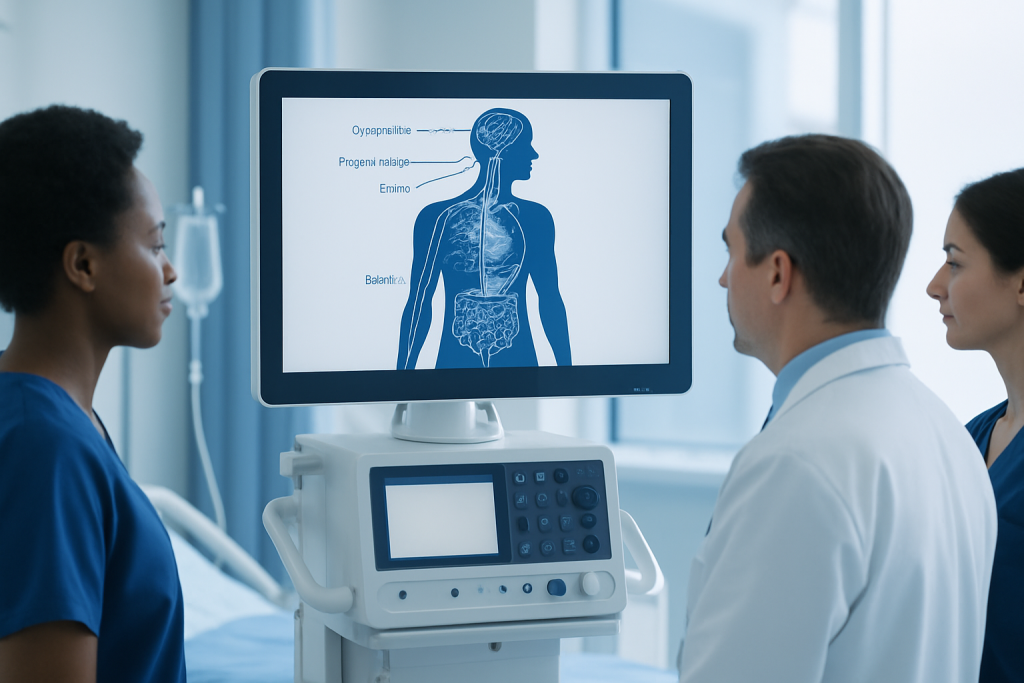
The autonomic neural system is usually described in three connected parts. The sympathetic system prepares the body for action. It can increase heart rate, raise blood pressure, widen the pupils, and redirect blood flow toward muscles. This is often called the “fight or flight” response, although in daily life it also supports ordinary demands such as exercise, stress, and changes in posture.
The parasympathetic system supports rest, recovery, and routine maintenance. It slows the heart, helps digestion, promotes energy storage, and supports bladder and bowel emptying. A healthy body does not keep one system fully switched on while the other is off; instead, these systems constantly balance each other according to the body’s needs.
The enteric nervous system is a specialized network within the digestive tract. It helps control movement of food through the intestines, secretion of digestive fluids, and communication between the gut and the brain. This is one reason autonomic dysfunction may overlap with symptoms such as bloating, constipation, nausea, or early fullness.
These divisions work together rather than in isolation. Problems can arise from nerve damage, brain signaling changes, endocrine disease, medication effects, or disorders affecting blood pressure regulation. In some people, autonomic symptoms appear alongside other neurological conditions such as Parkinson’s disease or multiple sclerosis.
Symptoms of autonomic dysfunction

When the autonomic neural system is not working properly, symptoms can vary widely. Some people notice lightheadedness when standing, fainting, rapid heartbeat, unusual fatigue, or trouble tolerating heat. Others may mainly have digestive symptoms, sweating changes, or bladder problems. The pattern depends on which nerves or body functions are affected.
Common symptoms may include:
- Dizziness or near-fainting when standing up
- Fainting episodes
- Fast, slow, or irregular heart rate sensations
- Blood pressure that is unusually low, high, or variable
- Heat intolerance or poor temperature regulation
- Reduced sweating or excessive sweating
- Nausea, bloating, constipation, diarrhea, or difficulty swallowing
- Blurred vision related to pupil or blood pressure changes
- Urinary urgency, retention, or incontinence
- Sexual dysfunction
Symptoms do not always mean a person has a primary autonomic disorder. Dehydration, infections, anemia, endocrine conditions, medication side effects, anxiety, prolonged bed rest, and heart rhythm problems can produce similar complaints. That is why self-diagnosis is often misleading.
Some autonomic conditions affect daily life more than general health. Others can lead to falls, dehydration, malnutrition, or reduced quality of life if not addressed. Medical assessment helps identify which symptoms need urgent attention and which can be managed with monitoring, lifestyle changes, or targeted treatment.
What can affect the autonomic neural system
Autonomic dysfunction is not a single disease. It is a clinical problem with many possible causes. In some people, the cause is temporary and reversible, such as dehydration, a viral illness, medication effects, or physical deconditioning. In others, it is linked to a longer-term neurological, metabolic, or autoimmune condition.
Known causes and contributors include diabetes, Parkinson’s disease, multiple system atrophy, peripheral neuropathy, spinal cord disorders, autoimmune disease, amyloidosis, infections, vitamin deficiencies, and some inherited conditions. Heart and blood vessel disorders may also mimic or worsen autonomic symptoms. Sleep disruption, chronic stress, and poor fluid intake can intensify symptoms even when they are not the root cause.
Certain medications may interfere with blood pressure regulation, bladder function, sweating, or heart rate. This may include some medicines used for high blood pressure, depression, pain, allergy symptoms, or enlarged prostate, among others. A doctor may review prescriptions, over-the-counter products, and supplements when evaluating possible autonomic dysfunction.
There are also recognized syndromes involving abnormal autonomic regulation, such as postural orthostatic tachycardia syndrome and neurocardiogenic syncope. Some people with repeated fainting may need evaluation for related causes and, when appropriate, management that can include specialized testing or procedures such as tilt-table testing or further rhythm assessment.
How doctors diagnose autonomic problems
Diagnosis begins with a detailed medical history. A doctor will ask when symptoms happen, what triggers them, whether they improve with lying down, and whether there are associated neurological, digestive, urinary, or cardiovascular complaints. Past medical conditions, medications, hydration habits, and family history may offer important clues.
The physical examination often includes measuring blood pressure and heart rate while lying down, sitting, and standing. This can help detect orthostatic hypotension or abnormal heart rate responses. Depending on the symptom pattern, blood tests, electrocardiography, and other investigations may be recommended to rule out anemia, endocrine disease, infection, dehydration, or heart rhythm disorders.
Some patients benefit from dedicated autonomic testing. This may include sweat testing, breathing-based reflex tests, heart rate variability assessment, and formal electrophysiology evaluation when rhythm disturbances are suspected. In selected cases, imaging or neurological assessment may be needed to look for underlying disease affecting the brain, spinal cord, or peripheral nerves.
Because symptoms can overlap with heart, hormone, and neurological conditions, diagnosis is often multidisciplinary. This may involve neurologists, cardiologists, endocrinologists, gastroenterologists, or rehabilitation specialists. A precise diagnosis helps guide treatment and prevents symptoms from being dismissed as “just stress” when there is an identifiable medical issue.
Treatment and symptom management
Treatment depends on the cause. If autonomic symptoms are due to dehydration, medication side effects, poor nutrition, or an underlying condition such as diabetes, treatment focuses first on correcting that problem. Good symptom control often improves once the contributing condition is recognized and managed.
Non-drug measures are often a key part of care. Depending on the person’s diagnosis, doctors may recommend increasing fluids, adjusting salt intake if appropriate, rising more slowly from bed, avoiding prolonged standing, eating smaller meals, and using compression garments. Physical reconditioning through supervised exercise may also help some people with orthostatic intolerance.
Medications may be considered to support blood pressure, control heart rate, reduce nausea, improve bowel function, or manage bladder symptoms. There is no single medicine that treats all autonomic disorders, so therapy is individualized. Follow-up is important because symptoms can change over time and treatments may need adjustment.
If symptoms involve recurrent syncope, significant blood pressure changes, or concern about heart rhythm, doctors may recommend additional evaluation such as Holter monitoring. For patients needing coordinated international care, Acibadem International’s multidisciplinary specialists and JCI-accredited hospitals evaluate and treat autonomic-related conditions with neurology, cardiology, and internal medicine support.
Daily self-care and reducing triggers
Many people with mild or moderate autonomic symptoms benefit from practical self-care strategies. The goal is to reduce sudden changes in blood pressure and avoid triggers that worsen symptoms. A doctor can help tailor these steps, especially if there is heart disease, kidney disease, or another condition that changes fluid or salt recommendations.
Helpful strategies may include:
- Drinking enough fluids throughout the day
- Standing up gradually, especially in the morning
- Avoiding prolonged standing when possible
- Limiting overheating from hot showers, saunas, or hot weather
- Eating smaller, more frequent meals if large meals trigger symptoms
- Tracking symptoms, triggers, and blood pressure readings if advised
- Following treatment plans for diabetes, neuropathy, or other related conditions
It is also useful to review all medications regularly with a healthcare professional. Even medicines taken for unrelated reasons may affect blood pressure, bowel function, bladder function, or alertness. Patients should not stop prescribed medication on their own, but they should discuss any possible side effects.
For people with chronic symptoms, pacing activities and planning rest periods can make daily life more manageable. Supportive care does not replace diagnosis, but it can reduce symptom burden while the underlying cause is being investigated or treated.
When to seek medical care
Medical advice should be sought if symptoms are frequent, unexplained, or interfering with daily activities. Repeated dizziness on standing, fainting, new palpitations, unexplained sweating changes, persistent digestive symptoms, or bladder problems deserve professional assessment, especially if they are getting worse.
Urgent medical care is important if fainting causes injury, if there is chest pain, shortness of breath, severe weakness, new confusion, or sudden neurological symptoms such as facial drooping or difficulty speaking. These symptoms are not specific to autonomic dysfunction and may signal another condition requiring prompt treatment.
People with diabetes, Parkinson’s disease, autoimmune disease, or known neuropathy should mention possible autonomic symptoms during routine care. Early recognition may help prevent falls, dehydration, and complications related to blood pressure instability. A qualified clinician can decide whether symptoms fit autonomic dysfunction or another medical problem that needs a different approach.
Frequently asked questions
Is the autonomic neural system the same as the autonomic nervous system?
Yes. The terms are often used interchangeably in general medical communication. Both refer to the body’s automatic control network that regulates functions such as heart rate, blood pressure, digestion, sweating, and bladder activity.
Can autonomic dysfunction go away?
Sometimes it can improve or resolve, especially if it is caused by dehydration, infection, medication effects, or deconditioning. In other cases, it may be long-term and linked to an underlying neurological, metabolic, or autoimmune condition. A proper diagnosis helps clarify what to expect.
What doctor treats autonomic nervous system problems?
Evaluation may start with a primary care physician, neurologist, or cardiologist, depending on the main symptoms. Because autonomic problems can affect several organs, care is often multidisciplinary and may involve endocrinology, gastroenterology, or rehabilitation specialists as well.
Does anxiety cause autonomic symptoms?
Anxiety can trigger symptoms such as sweating, rapid heartbeat, nausea, and lightheadedness because it activates stress responses in the body. However, similar symptoms can also come from medical autonomic dysfunction or other illnesses. Persistent or unexplained symptoms should be evaluated rather than assumed to be anxiety alone.
What is the difference between sympathetic and parasympathetic activity?
Sympathetic activity prepares the body for action by increasing alertness, heart rate, and blood pressure when needed. Parasympathetic activity supports rest, digestion, and recovery. Good health depends on the balance between these systems, not on one dominating all the time.
Can autonomic dysfunction affect digestion?
Yes. The autonomic neural system helps control swallowing, stomach emptying, bowel movement, and digestive secretions. When it is disrupted, symptoms may include nausea, bloating, constipation, diarrhea, or feeling full sooner than usual.
This article is for general information only and is not a substitute for professional medical advice. Please consult a qualified doctor about your individual situation.
Heart care in Turkey — expert evaluation and treatment
JCI-accredited · board-certified surgeons · reply within 24h
Add us as a Preferred Source to see more of our trusted health content across Google Search, AI Overviews and Discover.
Check your numbers in seconds
BMI, calories, due date, blood pressure and 30+ more clinical calculators — free, instant, doctor-reviewed ranges.

More from the Health Library

Gua Sha for Lymphatic Drainage: A Complete Medical Overview

Ring Worm: What Patients Need to Know

Prolotherapy — Explained by Medical Evidence, Not Myths

Sports Drinks — Explained by Medical Evidence, Not Myths

Magnesium Stearate: A Complete Medical Overview