B17 Vitamin: Benefits, Risks, and Safe Use

B17 vitamin is not a true vitamin and usually refers to amygdalin or laetrile. There is no reliable clinical evidence that B17 vitamin treats or prevents cancer.
Key Takeaways
- B17 vitamin is not a true vitamin and usually refers to amygdalin or laetrile.
- There is no reliable clinical evidence that B17 vitamin treats or prevents cancer.
- Amygdalin products can release cyanide in the body and may cause serious poisoning.
- Risk may be higher when taken by mouth or combined with raw apricot kernels or high-dose vitamin C.
- People with cancer, children, pregnant people, and those with liver disease should avoid self-treating with B17 vitamin.
- Anyone considering supplements should discuss them with a qualified doctor to avoid delays in effective care.
B17 vitamin is a popular name for amygdalin or laetrile, substances found in some plant seeds and sold in supplement form. It is not an essential vitamin, and current clinical evidence does not support it as a proven treatment for cancer or other diseases, while safety concerns—especially cyanide toxicity—are well recognized.
Overview: What Is B17 Vitamin?
B17 vitamin is a nonmedical term most often used for amygdalin or its semi-synthetic form, laetrile. Despite the name, it is not a true vitamin. True vitamins are essential nutrients the body needs in small amounts for normal function. Amygdalin does not meet that definition, and there is no known human deficiency disease caused by not consuming it.
Amygdalin is a naturally occurring plant compound found in certain seeds and kernels, especially bitter apricot kernels, as well as in smaller amounts in almonds, peaches, plums, and some other fruits. In the body, amygdalin can be broken down into several substances, including cyanide, which is toxic. This is the main reason health authorities and clinicians approach B17 vitamin products with caution.
The subject is most commonly discussed in relation to cancer. Some people seek laetrile or amygdalin as an alternative or complementary therapy, often after reading claims online. However, these claims are not supported by high-quality clinical evidence. A careful, evidence-based review helps separate the idea of “natural” from what is actually known about benefit and risk, especially for people already dealing with serious illness such as cancer.
Claimed Benefits and What the Evidence Shows
Supporters of B17 vitamin often claim it may help fight cancer, reduce inflammation, support immunity, or improve general wellness. These claims have circulated for decades, especially around laetrile. The central theory has been that cancer cells are selectively harmed when amygdalin breaks down. However, this proposed mechanism has not been proven in a way that translates into safe and effective treatment for patients.
Research in laboratory settings and animal studies has sometimes suggested biological activity, but this is not enough to show clinical benefit in humans. Treatments need to be tested in well-designed human studies that examine whether they improve survival, symptoms, quality of life, or other meaningful outcomes. To date, reliable clinical studies have not demonstrated that B17 vitamin can prevent, treat, or cure cancer.
Major health organizations do not recommend laetrile or amygdalin as standard cancer therapy. Importantly, relying on unproven supplements may delay diagnosis or evidence-based treatment. For people exploring options related to lung cancer or other malignancies, it is safer to discuss complementary therapies openly with an oncology team rather than use B17 vitamin in place of recommended care.
Where It Comes From and How People Consume It
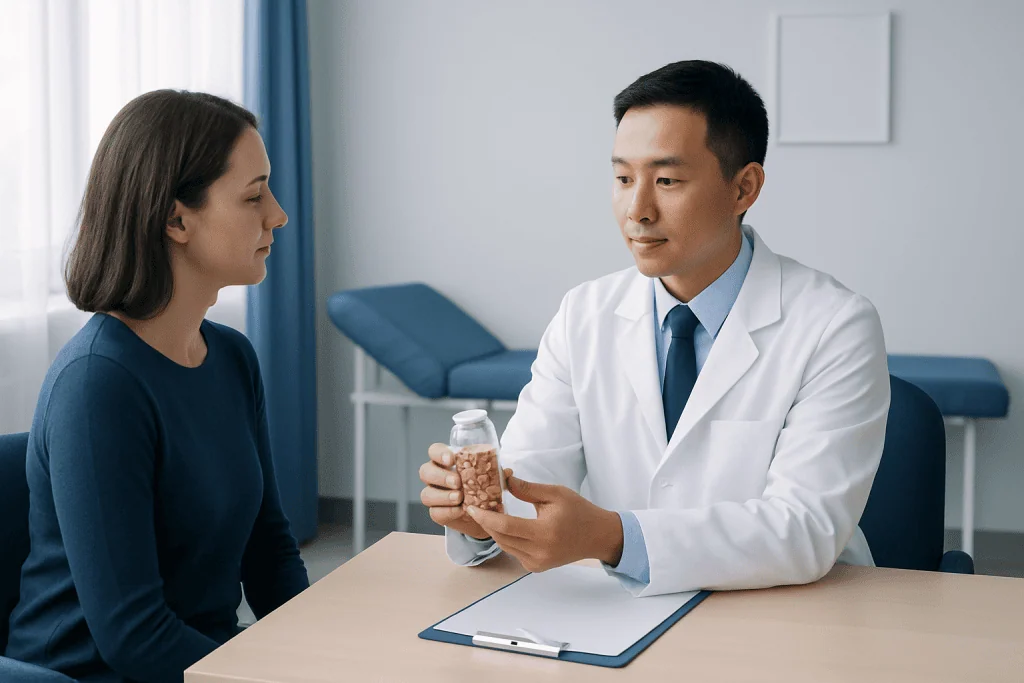
B17 vitamin may come from foods, raw kernels, capsules, powders, or injectable preparations sold under names such as amygdalin or laetrile. Bitter apricot kernels are one of the most common sources. Some products are promoted as “natural,” “detoxifying,” or “anti-cancer,” but labeling may be inconsistent, and the amount of active compound can vary widely between products.
The way a person takes amygdalin matters. Oral use is generally considered more concerning than injection because bacteria and enzymes in the digestive system can help convert amygdalin into cyanide. Consuming raw kernels alongside supplements may raise exposure even further. Because products are not always standardized, there may be no reliable way for a consumer to know how much active compound is being absorbed.
People sometimes encounter B17 vitamin as part of broader alternative health programs that also include restrictive diets, coffee enemas, or large supplement combinations. These approaches can complicate nutrition and medical care, particularly for people already weak from chronic illness or cancer treatment. A nutrition or oncology specialist can help review all products being used and identify safer evidence-based approaches, including supportive services such as medical oncology care when appropriate.
Risks, Side Effects, and Interactions
The most important risk of B17 vitamin is cyanide poisoning. Cyanide interferes with the body’s ability to use oxygen at the cellular level. Even products marketed as natural plant extracts can be dangerous if they release enough cyanide after ingestion. This risk is one reason amygdalin and laetrile remain controversial and are not accepted as standard therapy.
Possible side effects may include nausea, vomiting, dizziness, headache, confusion, weakness, flushing, abdominal pain, and low blood pressure. More severe poisoning can lead to trouble breathing, altered mental status, liver injury, coma, or death. Risk may increase when amygdalin is taken by mouth, combined with crushed fruit kernels, or taken together with high doses of vitamin C, which may increase cyanide release in some settings.
Children, pregnant or breastfeeding people, and those with liver disease or poor nutritional status may be especially vulnerable. People receiving cancer treatment should also be careful about interactions and overlapping side effects. For example, symptoms such as fatigue, nausea, or abnormal blood tests could be mistakenly attributed to chemotherapy when a supplement is contributing. Clinicians may need a full medication and supplement history, especially if a person is also undergoing chemotherapy.
- Higher risk source: bitter apricot kernels and unregulated oral products
- Possible warning signs: nausea, dizziness, confusion, shortness of breath
- Potential interaction concern: high-dose vitamin C and multiple supplement combinations
- Safety issue: delaying proven diagnosis or treatment while using unproven therapies
Who Should Avoid B17 Vitamin?
In general, B17 vitamin should not be self-prescribed for disease treatment. People with known or suspected cancer should avoid replacing recommended medical evaluation with amygdalin products. Using unproven substances instead of evidence-based care can allow disease to progress and may reduce the chance of timely treatment.
Certain groups should be especially cautious or avoid it altogether. This includes children, pregnant or breastfeeding people, older adults with frailty, and anyone with liver disease, kidney problems, or chronic respiratory conditions. People taking multiple medications should also be careful, because supplement use may complicate diagnosis of side effects or create unsafe combinations.
Anyone preparing for surgery or intensive medical treatment should inform their doctor about all supplements and stop only under medical guidance. For people facing complex diagnoses, multidisciplinary evaluation is often the safest path. In some cases, this may involve oncology, nutrition, pharmacy, and diagnostic services such as PET-CT imaging to clarify the diagnosis and guide proven treatment choices.
How Doctors Evaluate Supplement Use and Safety
There is no blood test that proves a person “needs” B17 vitamin, because it is not an essential nutrient. Instead, doctors focus on why a person is considering it, what symptoms are present, and whether there are signs of toxicity or an underlying condition needing diagnosis. A careful review of all supplements, over-the-counter products, herbal remedies, and special diets is often the first step.
If cyanide exposure is suspected, urgent medical assessment is needed. Doctors may check vital signs, oxygenation, blood chemistry, liver function, and acid-base balance, depending on the situation. They also evaluate for other causes of symptoms, because nausea, weakness, dizziness, and confusion can have many explanations. The exact tests depend on the person’s condition and whether there is concern for poisoning or an untreated illness.
For people using B17 vitamin because of cancer concerns, proper evaluation should center on evidence-based diagnosis and staging rather than on supplement marketing claims. Open communication matters. Many patients hesitate to mention alternative products, but doing so helps the care team protect safety and avoid interactions while building a treatment plan that reflects the patient’s goals and values.
Safer Choices, Self-Care, and When to Seek Medical Care
For most people, the safest approach is to avoid B17 vitamin products marketed for disease treatment and to focus instead on balanced nutrition, evidence-based medical care, and trusted guidance from qualified professionals. Eating fruit as part of a healthy diet is different from consuming concentrated kernels or unregulated extracts. Whole foods can support health, but that does not make concentrated compounds automatically safe.
People seeking to lower cancer risk or support health during treatment can ask about proven strategies such as not smoking, maintaining a healthy weight, staying physically active as able, limiting alcohol, and following recommended screening. If appetite or weight loss is a concern, referral to a dietitian may be more helpful than using poorly studied supplements. A personalized plan is especially important during cancer treatment, where nutritional needs can change.
When to seek medical care: urgent care is needed after taking B17 vitamin or apricot kernels if symptoms such as vomiting, severe dizziness, confusion, fainting, trouble breathing, or chest discomfort occur. Non-urgent medical advice is also important if a person is considering B17 vitamin for cancer or another chronic illness, has stopped prescribed treatment in favor of supplements, or is combining multiple alternative products. Near the end of care planning, some patients may also wish to know that Acibadem International’s multidisciplinary specialists and JCI-accredited hospitals diagnose and treat complex conditions for international patients using evidence-based approaches.
Frequently asked questions
Is B17 vitamin a real vitamin?
No. B17 vitamin is not a true vitamin, and the term usually refers to amygdalin or laetrile. Unlike essential vitamins, it is not required for normal body function and there is no recognized deficiency state.
Does B17 vitamin help treat cancer?
Current clinical evidence does not show that B17 vitamin treats, cures, or prevents cancer in people. Because it is unproven and can be harmful, it should not replace standard cancer care.
Why is B17 vitamin considered risky?
Amygdalin can release cyanide when it is broken down in the body, especially after oral use. Cyanide is poisonous and may cause symptoms ranging from nausea and dizziness to severe breathing problems and collapse.
Are apricot kernels the same as B17 vitamin supplements?
Apricot kernels are a natural source of amygdalin, the compound often marketed as B17 vitamin. They are not the same as a regulated medication, and their amygdalin content can vary, which makes safety unpredictable.
Can B17 vitamin interact with other supplements or treatments?
Yes. Risk may increase when B17 vitamin is combined with raw kernels, multiple supplement products, or high-dose vitamin C. It may also complicate cancer care by adding side effects or delaying effective treatment, so doctors should be told about all supplement use.
Who should definitely talk to a doctor before using B17 vitamin?
Anyone with cancer, chronic illness, liver or kidney disease, or those who are pregnant, breastfeeding, or caring for a child should seek medical advice first. It is also important for people taking prescription medicines or planning surgery to discuss supplement use with a clinician.
This article is for general information only and is not a substitute for professional medical advice. Please consult a qualified doctor about your individual situation.
Oncology care in Turkey — second opinion and treatment plan
JCI-accredited · board-certified surgeons · reply within 24h
Add us as a Preferred Source to see more of our trusted health content across Google Search, AI Overviews and Discover.

More from the Health Library

Hyperthyroidism Diet: Benefits, Risks, and Safe Use

Castor oil for hair growth: Benefits, Side Effects, and What the Evidence Shows

Pad Thai Calories: Benefits, Risks, and Safe Use
Flu shot side effects: Benefits, Side Effects, and What the Evidence Shows

How to Use Nutritional Yeast in Everyday Meals: Taste, Storage, and Tips