Babesiosis: Early Signs, Risk Factors, and How It Is Treated

Babesiosis is usually spread by infected ticks and affects red blood cells. Symptoms can be mild or absent, but some people develop fever, chills, fatigue, and anemia.
Key Takeaways
- Babesiosis is usually spread by infected ticks and affects red blood cells.
- Symptoms can be mild or absent, but some people develop fever, chills, fatigue, and anemia.
- Older adults, people without a spleen, and those with weakened immune systems have a higher risk of severe illness.
- Diagnosis usually combines symptoms, blood tests, and review of possible tick exposure.
- Treatment often involves antiparasitic and antibiotic medicines, with close monitoring in more serious cases.
Babesiosis is a tick-borne infection caused by microscopic parasites that infect red blood cells. It may cause no symptoms in some people, but it can also lead to fever, fatigue, anemia, and more serious complications in those at higher risk.
Overview: What babesiosis is and why it matters
Babesiosis is an infection caused by Babesia parasites, which usually spread through the bite of an infected tick. These parasites enter the bloodstream and infect red blood cells. Many cases are mild, but the illness can become more serious when the infection causes significant destruction of red blood cells or affects people who are medically vulnerable.
One reason babesiosis can be overlooked is that its early symptoms often resemble a common viral illness. A person may feel tired, feverish, or achy after time outdoors without realizing a tick bite occurred. Some people do not remember being bitten because ticks can be very small, especially in their immature stages.
Babesiosis is most often discussed alongside other tick-borne infections because the same tick can carry more than one germ. In some patients, babesiosis may occur at the same time as Lyme disease, which can affect symptoms and management. Knowing this possibility helps doctors evaluate the full picture when someone becomes ill after tick exposure.
How babesiosis spreads
The most common route of infection is the bite of an infected tick, particularly in areas where tick-borne illnesses are known to occur. Ticks typically live in grassy, wooded, or brushy environments, and people may be exposed during hiking, gardening, camping, or outdoor work. Infection risk tends to rise in warmer months when ticks are more active, though exposure can happen at other times as well.
Less commonly, babesiosis can spread through blood transfusion because the parasite lives inside red blood cells. Rarely, it may also pass from a pregnant person to a baby during pregnancy or around the time of birth. These routes are uncommon, but they help explain why doctors may consider babesiosis even in someone who does not recall outdoor tick exposure.
Because the illness is linked to red blood cells, people can sometimes become quite unwell if the infection is not recognized promptly. This is why a careful history, including travel, outdoor activity, transfusions, and other possible exposures, is an important part of medical evaluation.
Symptoms and possible complications

Babesiosis symptoms vary widely. Some people have no symptoms at all, while others develop a flu-like illness. When symptoms do occur, they may begin gradually and can include fever, chills, sweats, fatigue, headache, muscle aches, joint aches, poor appetite, or nausea. These symptoms are not specific, which means babesiosis can resemble several other infections at first.
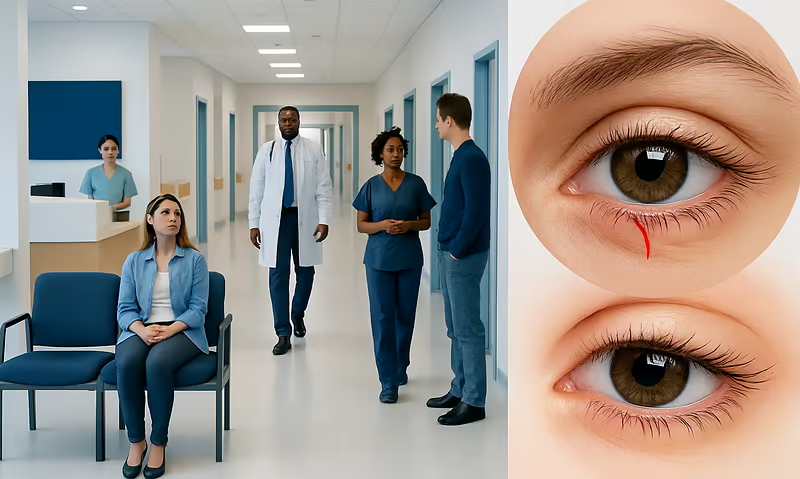
Because the parasite infects red blood cells, anemia can develop. This may lead to weakness, shortness of breath, dizziness, a fast heartbeat, or pale skin. In some cases, the skin or eyes may appear yellow if red blood cells are being destroyed more quickly than usual. Dark urine may also occur in more severe illness.
Complications are more likely in older adults, people without a spleen, and those whose immune systems do not work normally. Severe babesiosis can cause marked hemolytic anemia, low blood pressure, breathing problems, kidney injury, or strain on other organs. When there is coinfection with another tick-borne disease such as anaplasmosis, the illness may be more complex and may need broader testing and treatment planning.
- Common symptoms: fever, chills, sweats, fatigue, headache, body aches
- Blood-related symptoms: anemia, weakness, shortness of breath, jaundice
- More serious signs: confusion, low blood pressure, breathing difficulty, dark urine
Who is at higher risk
Anyone exposed to infected ticks can develop babesiosis, but the risk of severe disease is not the same for everyone. People over age 50, those without a spleen, and those with weakened immune systems are more likely to become seriously ill. This includes people receiving chemotherapy, taking immune-suppressing medicines, living with certain blood cancers, or managing conditions that reduce normal immune function.
Babesiosis may also pose greater concerns for people with underlying liver, kidney, or heart disease because the body may be less able to tolerate the stress of infection and anemia. A previous blood transfusion can also be relevant in uncommon cases. For patients with ongoing blood-related concerns, doctors may consider whether evaluation overlaps with the broader approach used in hematology services.
Outdoor exposure patterns matter as well. Spending time in tick-prone environments, living in or traveling to endemic regions, having pets that bring ticks indoors, and not using protective clothing or tick repellent may all increase the chance of infection. Risk rises further when a tick remains attached for a prolonged period.
How babesiosis is diagnosed
Diagnosis begins with a medical history and physical examination. Doctors ask about symptoms, recent outdoor activity, travel, tick bites, and any conditions that increase the risk of severe infection. Since babesiosis symptoms can be nonspecific, this exposure history often helps guide the next steps.
Blood tests play a central role. A blood smear examined under a microscope may show Babesia parasites inside red blood cells. Additional tests may include molecular testing such as PCR to detect parasite genetic material, as well as antibody testing in some situations. Doctors also often order a complete blood count and blood chemistry tests to look for anemia, low platelets, liver changes, kidney function problems, or signs of hemolysis.
Because symptoms can overlap with other illnesses, diagnosis sometimes involves ruling out or identifying coinfections. Imaging tests are not usually the main way to diagnose babesiosis, but they may be used if a complication is suspected or symptoms point to another condition. In a hospital setting, multidisciplinary teams may coordinate infectious disease evaluation with lab-based assessment and, when needed, advanced diagnostic imaging support.
Treatment options and recovery
Babesiosis treatment depends on how severe the infection is and whether the person has symptoms. People with mild or asymptomatic infection may only need monitoring in selected cases, while symptomatic babesiosis is usually treated with a combination of antiparasitic and antibiotic medicines. The exact choice and duration depend on the patient’s age, medical history, immune status, and the severity of illness.
Patients with moderate to severe disease may need hospital care, especially if they have significant anemia, breathing problems, low blood pressure, or signs of organ stress. Supportive care may include fluids, oxygen, and close monitoring of blood counts and organ function. In rare but severe cases with very high parasite levels or marked hemolysis, exchange transfusion may be considered by specialist teams.
Recovery time varies. Some people improve steadily over days to weeks, while fatigue can last longer, especially after more serious infection. Follow-up blood tests may be needed to confirm that the parasite has cleared, particularly in people who are immunocompromised. When care is complex, assessment by infectious diseases specialists can help tailor treatment and follow-up.
Prevention and self-care after tick exposure
The best way to prevent babesiosis is to reduce tick bites. Practical steps include wearing long sleeves and long pants in wooded or grassy areas, using an appropriate tick repellent, staying on cleared paths, and checking the body carefully after outdoor activity. Showering after being outdoors and examining clothing, gear, and pets can also help find ticks before they attach firmly.
If a tick is found, it should be removed promptly with fine-tipped tweezers by grasping it close to the skin and pulling upward steadily. The area can then be cleaned with soap and water. It may help to note the date of the bite and watch for symptoms over the following days to weeks, especially fever, fatigue, sweats, or unusual weakness.
Self-care is not a substitute for medical treatment if symptoms develop. People should not rely on home remedies alone when babesiosis is possible, particularly if they are older, pregnant, immunocompromised, or have had their spleen removed. A clinician can advise whether testing or observation is the safest next step.
When to seek medical care
Medical care is appropriate if a person develops fever, chills, fatigue, body aches, shortness of breath, or other unexplained illness after a tick bite or time spent in tick-prone areas. Care should also be sought if symptoms appear after travel to a region where babesiosis is known to occur, even when no tick was seen. Prompt evaluation is especially important for older adults and people with conditions that affect immunity or the spleen.
Urgent evaluation is needed for signs of possible severe illness, such as breathing difficulty, fainting, chest discomfort, confusion, marked weakness, jaundice, or dark urine. These symptoms can suggest significant anemia or other complications. Early diagnosis can make treatment more effective and may reduce the risk of serious outcomes.
For international patients who need coordinated care, Acibadem International’s multidisciplinary specialists and JCI-accredited hospitals evaluate and treat infectious conditions such as babesiosis with individualized planning. A qualified doctor can explain the likely cause of symptoms, recommend testing, and guide safe treatment and follow-up.
Frequently asked questions
What is babesiosis?
Babesiosis is a parasitic infection that affects red blood cells, most often after the bite of an infected tick. It can cause mild flu-like symptoms, but in some people it becomes more serious and requires medical treatment.
What are the early signs of babesiosis?
Early signs often include fever, chills, sweating, fatigue, headache, and body aches. Because these symptoms are nonspecific, babesiosis can be mistaken for a viral illness unless tick exposure or blood test findings raise suspicion.
Can babesiosis go away on its own?
Some people, especially those without symptoms, may clear the infection without becoming seriously ill. However, symptomatic babesiosis should be assessed by a doctor because treatment may be needed, and certain people are at higher risk of complications.
Who is most likely to get severe babesiosis?
Severe illness is more likely in older adults, people without a spleen, and those with weakened immune systems. People with underlying health conditions or coinfections may also need closer monitoring and more intensive treatment.
How do doctors test for babesiosis?
Doctors usually combine a medical history with blood testing. Common tests include a blood smear, PCR testing, and blood counts to look for anemia or other changes linked to red blood cell destruction.
How is babesiosis treated?
Treatment usually involves a combination of medicines that target the parasite and associated infection process. More serious cases may need hospital care, supportive treatment, and in rare situations specialized procedures such as exchange transfusion.
How can babesiosis be prevented?
Prevention focuses on avoiding tick bites by using protective clothing, tick repellent, and careful body checks after outdoor activity. Prompt tick removal and watching for symptoms afterward can also support early recognition and medical care if needed.
References
- Centers for Disease Control and Prevention
- World Health Organization
- National Institute of Allergy and Infectious Diseases
- Merck Manual Professional Edition
- Infectious Diseases Society of America
This article is for general information only and is not a substitute for professional medical advice. Please consult a qualified doctor about your individual situation.
Explore treatments in Turkey — costs, top hospitals & a free quote
JCI-accredited · board-certified surgeons · reply within 24h
Add us as a Preferred Source to see more of our trusted health content across Google Search, AI Overviews and Discover.
Check your numbers in seconds
BMI, calories, due date, blood pressure and 30+ more clinical calculators — free, instant, doctor-reviewed ranges.