Babymoon: An Evidence-Based Guide for Patients

A babymoon is generally safest when pregnancy is uncomplicated and travel is planned with medical guidance. Timing, destination, transportation, and access to care all matter when choosing a babymoon.
Key Takeaways
- A babymoon is generally safest when pregnancy is uncomplicated and travel is planned with medical guidance.
- Timing, destination, transportation, and access to care all matter when choosing a babymoon.
- Pregnant travelers should watch for warning symptoms such as bleeding, severe pain, reduced fetal movement, or signs of preterm labor.
- Travel insurance, medical records, medications, hydration, and mobility precautions are important parts of preparation.
- People with high-risk pregnancies may need to postpone travel or choose a nearby destination.
A babymoon is a leisure trip taken during pregnancy, usually before the baby is born. For many people, it can be safe and enjoyable when travel plans match the stage of pregnancy, personal health needs, and advice from a maternity clinician.
Overview: what a babymoon means in medical terms
A babymoon is a planned trip taken during pregnancy, often as a chance to rest, spend time with a partner, or take a final holiday before a baby arrives. From a medical perspective, it is not a special type of treatment or a required pregnancy activity. It is simply travel during pregnancy, so the same health principles used for any pregnant traveler apply.
For many people, a babymoon can be safe if the pregnancy is stable and the trip is chosen carefully. The main questions are practical: how far to travel, what kind of transport to use, whether emergency care is available at the destination, and whether the pregnant person has any symptoms or conditions that increase risk.
Unlike lifestyle articles that focus mainly on destinations or packing lists, an evidence-based approach starts with maternal and fetal well-being. The best babymoon plan is the one that fits the individual pregnancy, not a social trend. A nearby, flexible trip may be more appropriate than a long international flight, especially later in pregnancy or when medical follow-up is needed.
When is the best time to travel during pregnancy?
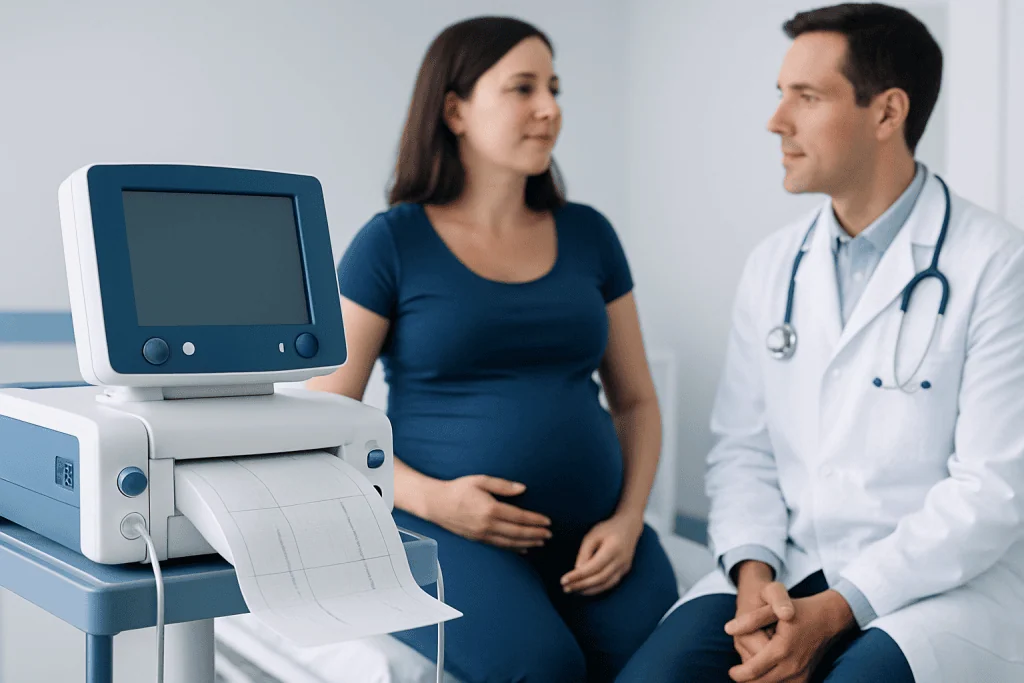
Many clinicians consider the second trimester the most comfortable time for a babymoon. During these weeks, early nausea and fatigue may have eased, while the physical strain of late pregnancy may not yet be as pronounced. Energy levels are often better, and the chance of unexpected labor is lower than in the final weeks of pregnancy.
That said, there is no single “best” time for everyone. A person with persistent nausea, bleeding, high blood pressure, multiple pregnancy, or prior pregnancy complications may need to avoid travel at times when another pregnant person could travel safely. Airline policies can also vary by gestational age and may require documentation later in pregnancy.
Before booking, it is helpful to discuss the travel window with an obstetrician or midwife. If there are concerns such as preeclampsia, placental problems, a history of preterm birth, or symptoms that need monitoring, the clinician may advise staying close to home. Timing should always be based on medical safety first and convenience second.
How to decide whether a babymoon is safe
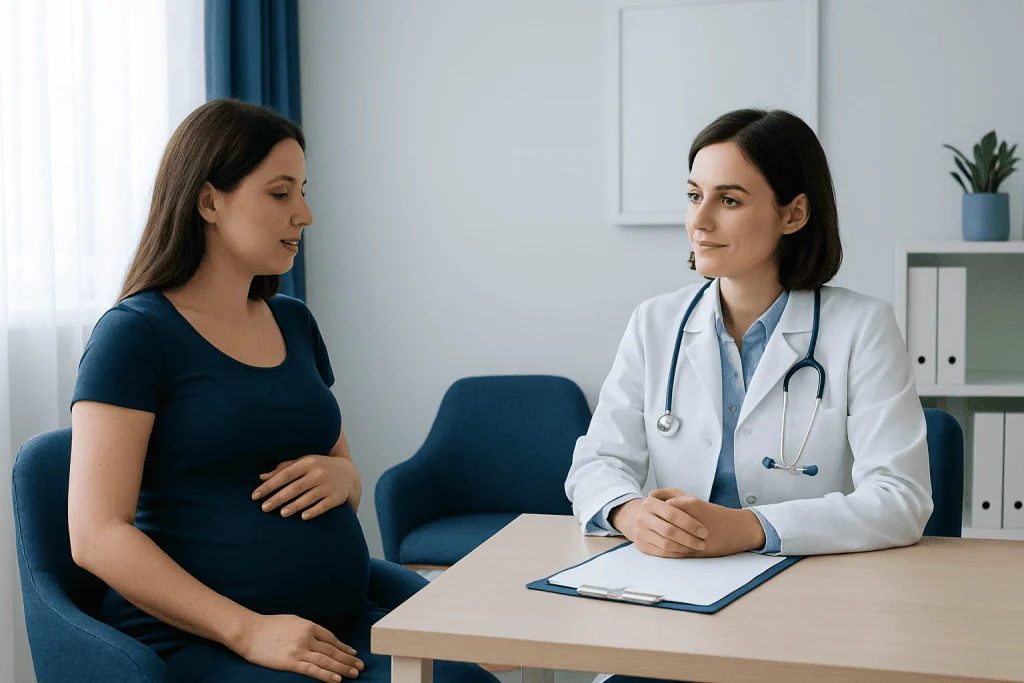
Safety depends on the pregnant person’s health, the baby’s health, and the details of the trip. In an uncomplicated pregnancy, short trips with predictable transportation and reliable access to medical care are often reasonable. Higher-risk plans include remote destinations, cruises with limited medical resources, very long travel days, or activities with injury, altitude, or infection risks.
A good decision involves reviewing several points: current pregnancy status, past obstetric history, vaccination needs, expected food and water safety, local infectious disease risks, and how easy it would be to reach urgent care if needed. It is also important to consider whether the trip could disrupt prenatal appointments, blood pressure checks, laboratory testing, or ultrasounds.
Pregnant travelers with chronic conditions such as diabetes, asthma, heart disease, clotting disorders, or kidney problems may need additional planning. If conception followed IVF treatment, or if there are twins or other complications, clinicians may recommend a more cautious approach. The goal is not to avoid travel automatically, but to match travel plans to real medical needs.
- Choose a destination with dependable medical facilities.
- Check airline, train, or cruise policies before booking.
- Keep prenatal appointments in mind when selecting dates.
- Ask a clinician whether compression stockings, vaccination updates, or activity limits are recommended.
Preparing for a healthy babymoon
Preparation should begin with a prenatal check-in. A clinician may confirm the due date, review any recent symptoms, and discuss travel-specific risks. It is sensible to carry a summary of the pregnancy, blood type, current medications, allergies, and contact information for the usual maternity team. If traveling internationally, it may help to learn where the nearest hospital with obstetric services is located.
Hydration, comfortable movement, and medication planning are especially important. During long car rides or flights, standing up and stretching at regular intervals can help reduce swelling and lower the risk of blood clots. Seat belts should be worn correctly, with the lap belt low across the hips and below the abdomen. Anyone considering over-the-counter medicines for nausea, constipation, heartburn, or travel discomfort should check pregnancy safety with a clinician or pharmacist.
Food and water precautions matter too. Travelers should choose well-cooked foods, pasteurized dairy products, and safe drinking water, especially in places where foodborne illness is a concern. Illnesses that cause dehydration, vomiting, or diarrhea can affect pregnancy comfort and sometimes require medical care. Sun protection, rest breaks, and a realistic itinerary can also make travel safer and more manageable.
Some travelers benefit from pre-travel services such as check-up and screening or a consultation in obstetrics and gynecology if there are questions about fitness to travel, vaccinations, or symptom management. These visits can help families make informed decisions without unnecessary anxiety.
Activities, transportation, and destination choices
The safest babymoon activities are usually low impact and easy to stop if symptoms develop. Gentle walking, relaxed sightseeing, swimming in safe conditions, and time for rest are commonly suitable for uncomplicated pregnancies. Activities with a high risk of falling, abdominal trauma, overheating, dehydration, or sudden pressure changes should be avoided unless a clinician specifically says otherwise.
Transportation deserves special attention. Car travel allows flexibility for breaks, but long hours sitting can increase discomfort and swelling. Air travel is often acceptable in uncomplicated pregnancies, though travelers should confirm gestational age limits and any documentation requirements with the airline. Boat or cruise travel may raise concerns about onboard medical capacity, delayed emergency access, and motion sickness.
Destination choice is not only about comfort but also about health systems, environmental conditions, and infection exposure. Remote areas, high-altitude locations, places with extreme heat, or regions with mosquito-borne illness may not be ideal during pregnancy. If there is a known pregnancy complication such as placenta previa or a history of premature birth, staying close to advanced maternity care is usually wiser than taking a distant trip.
Possible risks and warning signs to watch for
Most babymoons do not lead to medical problems, but pregnancy can change quickly, so travelers should know the warning signs. Symptoms that should never be ignored include vaginal bleeding, leaking fluid, severe or regular abdominal tightening, fainting, chest pain, shortness of breath, severe headache, sudden swelling of the face or hands, fever, or painful urination. Reduced fetal movement after quickening is another reason to seek assessment.
Travel itself can also bring common discomforts such as nausea, heartburn, constipation, back pain, and leg swelling. These are often manageable with rest, fluids, regular meals, and gentle movement, but they can still affect the trip. If symptoms become severe, persistent, or different from what the person usually experiences, medical advice is important.
Blood clots are uncommon but medically significant, especially during pregnancy and after prolonged immobility. New one-sided leg swelling, calf pain, or sudden breathing symptoms need urgent evaluation. Pregnant travelers should also take seriously any signs of preterm labor or high blood pressure-related complications, because prompt treatment can protect both mother and baby.
When to seek medical care
Medical care is needed promptly if a pregnant traveler has bleeding, suspected rupture of membranes, severe abdominal pain, contractions that become regular, fever, severe vomiting, severe headache, vision changes, chest pain, trouble breathing, or reduced fetal movement. These symptoms may or may not signal a serious problem, but they should be assessed without delay.
Urgent advice is also appropriate if there has been a fall, a car accident, signs of dehydration, or symptoms of infection after eating unsafe food or drinking questionable water. If the traveler has a known high-risk condition, it is best to follow the emergency plan discussed during prenatal care and go to the nearest suitable medical facility.
Near the end of pregnancy, even milder symptoms may justify evaluation because labor can begin unexpectedly. If specialized assessment is needed, services such as pregnancy follow-up can help monitor maternal and fetal well-being. Acibadem International’s multidisciplinary specialists and JCI-accredited hospitals also diagnose and treat pregnancy-related concerns for international patients.
Frequently asked questions
Is a babymoon safe during pregnancy?
A babymoon can be safe when the pregnancy is uncomplicated and travel is planned carefully. The safest choice depends on gestational age, symptoms, medical history, destination, and access to care. A prenatal discussion with a qualified clinician is the best way to decide.
What is the best trimester for a babymoon?
Many people find the second trimester the most comfortable for travel. Early pregnancy symptoms may be improving, and late-pregnancy discomforts or labor concerns may be less likely than in the third trimester. However, the right timing still depends on the individual's pregnancy.
Can someone fly on a babymoon?
Air travel is often possible in an uncomplicated pregnancy, but airline rules vary. Some airlines limit travel after a certain gestational age or ask for a medical note. It is important to confirm the policy before travel and discuss personal risks with a maternity clinician.
What should be packed for a babymoon from a health perspective?
Useful items include prenatal records, medications, insurance information, comfortable clothing, water, snacks, and contact numbers for healthcare providers. Travelers may also want compression stockings if recommended by a clinician. Packing should focus on comfort, hydration, mobility, and emergency readiness.
When should a babymoon be avoided?
Travel may need to be postponed if there is bleeding, contractions, leaking fluid, uncontrolled high blood pressure, severe nausea and vomiting, or another high-risk pregnancy issue. Some chronic health conditions may also require a more cautious plan. A clinician can explain whether travel restrictions are temporary or ongoing.
Are cruises, spas, or adventure activities good choices for a babymoon?
That depends on the activity and the stage of pregnancy. Low-impact relaxation is usually more suitable than activities with fall risk, overheating, or limited access to emergency care. Before booking, it is wise to review the itinerary with a healthcare professional.
This article is for general information only and is not a substitute for professional medical advice. Please consult a qualified doctor about your individual situation.
Explore treatments in Turkey — costs, top hospitals & a free quote
JCI-accredited · board-certified surgeons · reply within 24h
Add us as a Preferred Source to see more of our trusted health content across Google Search, AI Overviews and Discover.
Check your numbers in seconds
BMI, calories, due date, blood pressure and 30+ more clinical calculators — free, instant, doctor-reviewed ranges.

More from the Health Library

Retinol: What Patients Need to Know

Low Maintenance Plants: A Complete Medical Overview

Warm Compress: A Complete Medical Overview

Peripheral artery disease treatments: Symptoms, Causes, and Treatment — Complete Patient Guide

Lymphatic Drainage Massage — Explained by Medical Evidence, Not Myths