Back Extensions: A Complete Medical Overview
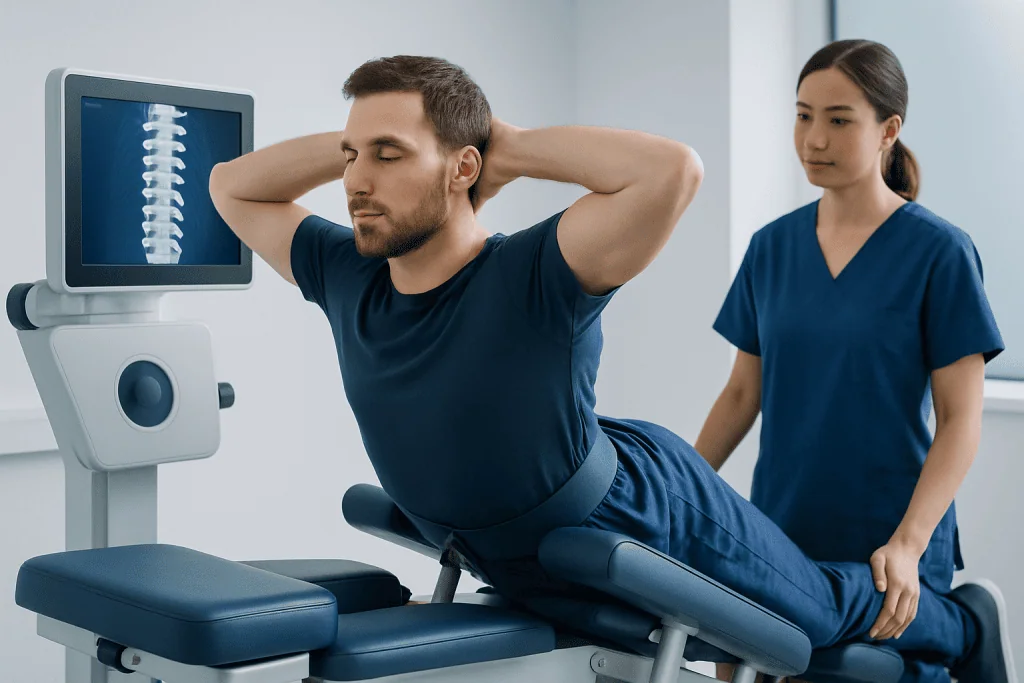
Back extensions mainly target the lower back, gluteal muscles, and hamstrings. Good technique matters more than range of motion or added weight.
Key Takeaways
- Back extensions mainly target the lower back, gluteal muscles, and hamstrings.
- Good technique matters more than range of motion or added weight.
- People with active back pain, nerve symptoms, or a spine condition should seek medical advice before starting.
- A neutral spine and controlled movement help reduce strain on the lower back.
- Back extensions are one part of a balanced exercise plan that should also include core, hip, and mobility work.
Back extensions are exercises that strengthen the muscles along the back of the body, especially the lower back, hips, and hamstrings. When performed with proper form and appropriate progression, they can support posture, spinal stability, and daily movement, but they are not suitable for everyone in every situation.
Overview: What Back Extensions Are
Back extensions are strengthening exercises that involve moving the trunk from a bent or flexed position toward a more upright position. In practical terms, they train the muscles that extend the spine and hips, especially the erector spinae, gluteal muscles, and hamstrings. They may be performed on the floor, on a Roman chair or hyperextension bench, with a stability ball, or under the guidance of a rehabilitation professional.
For many people, back extensions can be a useful way to build endurance and control in the posterior chain, the group of muscles along the back of the body. These muscles play an important role in posture, walking, lifting, and stabilizing the trunk during daily activities. When done correctly, back extensions can complement other exercises such as bridges, planks, and hip-hinge movements.
However, back extensions are not automatically helpful simply because they strengthen the lower back. Technique, existing health conditions, training history, and exercise selection all affect whether the movement is beneficial or irritating. In people with poor form, excessive range of motion, or active spinal symptoms, the exercise can increase discomfort rather than improve function.
How Back Extensions Work in the Body
The main action in a back extension is controlled extension at the hips and spine. In a well-performed repetition, the hips do much of the movement while the trunk stays stable and the spine remains close to neutral. This allows the gluteal muscles and hamstrings to share the work with the spinal extensor muscles, reducing unnecessary stress on the lower back.
These exercises can improve muscular endurance, which is often more relevant for spinal support than maximal strength alone. Everyday tasks such as standing for long periods, carrying objects, gardening, and lifting from the floor depend on coordinated endurance in the back, hips, and abdominal muscles. This is why a clinician or physical therapist may use a modified back extension as part of a broader program for movement quality.
Back extensions are sometimes grouped with general lower back training, but they are not the same as treatment for back pain. Some people with lower back pain may benefit from carefully selected extension-based exercises, while others may need a different approach depending on the cause of symptoms. The best exercise pattern depends on factors such as posture tolerance, nerve irritation, muscle weakness, and overall spinal health.
Potential Benefits and Common Uses
When used appropriately, back extensions may help improve trunk stability, hip control, and tolerance for everyday movement. They are commonly included in sports conditioning, general fitness, and rehabilitation programs because they strengthen tissues involved in upright posture and lifting mechanics. For office workers and people who spend long periods sitting, they may also help counter the reduced activity of the posterior chain.
In rehabilitation, the goal is often not to perform dramatic arching movements but to restore controlled motion and muscular endurance. A therapist may begin with gentle extension work, breathing control, abdominal bracing, and hip strengthening before progressing to more demanding variations. If symptoms are persistent, evaluation may involve physical therapy and rehabilitation to tailor exercises safely.
Common reasons a clinician, trainer, or therapist may include back extension variations are:
- To strengthen the spinal extensor muscles
- To improve hip-hinge mechanics
- To support posture and trunk endurance
- To balance a program that emphasizes abdominal work only
- To assist return to exercise after deconditioning, when medically appropriate
Risks, Mistakes, and Who Should Be Cautious
Back extensions are generally safe for many healthy adults when introduced gradually, but mistakes are common. The most frequent problems are overextending the spine, moving too quickly, using momentum, and adding weight before mastering body control. These errors can place extra load on the lower back joints and soft tissues, especially when fatigue causes form to break down.
People should be particularly cautious if they have active lower back pain, sciatica, numbness, weakness, recent injury, osteoporosis, or a diagnosed spinal condition such as disc disease or spinal stenosis. In these situations, an exercise that seems simple may aggravate symptoms if it is not adapted correctly. A physician may recommend assessment and, when needed, imaging such as MRI scan if symptoms suggest a structural problem.
Back extensions are also not ideal during acute flare-ups of pain. Restoring movement usually remains important, but the specific exercise choice should match the person’s symptoms and diagnosis. Some individuals with herniated disc symptoms may feel better with extension-biased movements, while others may not tolerate them well, so individualized guidance matters.
Proper Form and Safer Variations
Safe technique starts with a neutral head and neck, gentle abdominal engagement, and controlled movement. The aim is not to lift as high as possible. Instead, the trunk rises only until the body is in line with the legs, or within a pain-free range advised by a professional. A smooth, deliberate pace helps the muscles work without relying on momentum.
Beginners often do better with low-load versions before trying a Roman chair or weighted machine. Floor-based alternatives, such as a partial prone back extension, bird-dog, or glute bridge, can build the same supporting muscles with less strain. In some cases, clinicians prefer hip-focused strengthening and exercise therapy rather than direct lumbar extension work at the start.
Helpful form reminders include:
- Keep the spine long rather than sharply arched
- Move from the hips as well as the trunk
- Stop if sharp pain, numbness, or radiating symptoms appear
- Use slow repetitions and controlled breathing
- Increase difficulty gradually, not all at once
People returning after injury or a long period of inactivity usually benefit from supervision at first. Even a short session with a qualified physical therapist, sports medicine clinician, or exercise professional can improve technique and reduce avoidable irritation.
Back Extensions and Back Pain: When They Help and When They Do Not
It is understandable to assume that strengthening the lower back will always reduce back pain, but pain is more complex than muscle weakness alone. Some people improve when back extensions are part of a broader plan that includes posture education, hip strengthening, walking, and activity pacing. Others need a different strategy because their symptoms are driven by joint irritation, nerve compression, inflammatory conditions, or poor tolerance to repeated extension.
Clinical assessment is useful when pain lasts more than a few weeks, returns repeatedly, or interferes with sleep, work, or daily activities. A specialist may assess movement patterns, neurological signs, hip function, and core control before recommending exercises. If necessary, they may also evaluate for conditions that mimic simple muscle strain.
When symptoms are significant or diagnosis is unclear, structured care may include consultation in orthopedics and traumatology or rehabilitation medicine. Near the end of the care pathway, some international patients choose centers such as Acibadem International, where multidisciplinary specialists in JCI-accredited hospitals assess and treat spine-related complaints using individualized plans.
When to Seek Medical Care
Medical advice is recommended before starting or continuing back extensions if a person has persistent back pain, pain that spreads down the leg, numbness, tingling, weakness, or a history of spinal surgery. Care is also important if symptoms began after a fall, sports injury, or heavy lifting episode. These features may suggest that simple self-directed exercise is not the right first step.
Urgent medical attention is needed for red-flag symptoms such as new bowel or bladder problems, loss of sensation around the groin, fever with back pain, unexplained weight loss, severe night pain, or rapidly worsening leg weakness. These symptoms are uncommon, but they should not be ignored.
Even without emergency signs, an evaluation can be helpful if a person is unsure whether their technique is safe or if the exercise consistently causes discomfort. Early guidance often prevents small issues from becoming more limiting and helps the person choose exercises that support recovery instead of aggravating symptoms.
Frequently asked questions
Are back extensions good for the lower back?
Back extensions can be helpful for lower back strength and endurance when they are done with correct form and chosen for the right person. They are most useful as one part of a balanced program rather than a stand-alone solution. People with active pain or nerve symptoms should seek professional advice first.
Can back extensions cause back pain?
Yes, they can cause or worsen discomfort if the movement is performed with poor technique, too much range, or too much load. They may also aggravate certain spine conditions during a flare-up. Pain during the exercise is a sign to stop and get guidance.
Who should avoid back extensions?
People with acute lower back pain, sciatica, recent spinal injury, uncontrolled osteoporosis, or worsening neurological symptoms should be cautious and usually need medical advice before trying them. Avoidance may be temporary while the underlying issue is assessed. A clinician can suggest safer alternatives if needed.
What muscles do back extensions work?
Back extensions mainly work the erector spinae muscles along the spine, as well as the gluteal muscles and hamstrings. The abdominal muscles also help stabilize the trunk during the movement. The exact emphasis depends on the variation and the person’s form.
Are back extensions better than planks?
Neither exercise is universally better because they train different qualities. Planks emphasize anti-movement core stability, while back extensions emphasize the posterior chain and extension control. Many people benefit from using both in a well-designed program.
How often should back extensions be done?
Frequency depends on fitness level, symptoms, recovery, and exercise intensity. Many healthy adults may include them a few times per week as part of a broader routine, but progression should be gradual. A clinician or therapist can advise on the safest schedule for someone with back concerns.
References
- World Health Organization
- National Institute of Neurological Disorders and Stroke
- American Academy of Orthopaedic Surgeons
- National Institute of Arthritis and Musculoskeletal and Skin Diseases
- American Physical Therapy Association
This article is for general information only and is not a substitute for professional medical advice. Please consult a qualified doctor about your individual situation.
Joint and spine care in Turkey — expert assessment & treatment
JCI-accredited · board-certified surgeons · reply within 24h
Add us as a Preferred Source to see more of our trusted health content across Google Search, AI Overviews and Discover.