Bariatric Surgery Before Pregnancy: Who Should Consider It and When to Wait

Bariatric surgery before pregnancy may improve fertility and reduce some obesity-related pregnancy risks in selected patients. Most experts advise waiting 12 to 18 months after bariatric surgery before trying to conceive.
Key Takeaways
- Bariatric surgery before pregnancy may improve fertility and reduce some obesity-related pregnancy risks in selected patients.
- Most experts advise waiting 12 to 18 months after bariatric surgery before trying to conceive.
- Nutritional monitoring is essential before and during pregnancy after weight loss surgery.
- Not everyone needs surgery before pregnancy; the decision depends on BMI, health conditions, and prior weight-loss efforts.
- Care is best coordinated between bariatric, obstetric, nutrition, and primary care teams.
Bariatric surgery before pregnancy can be an important option for some women with obesity, especially when weight-related health conditions affect fertility or pregnancy safety. The key question is not only who may benefit, but also when pregnancy should be planned so the body has time to recover and nutritional needs can be carefully managed.
Overview
Bariatric surgery before pregnancy refers to weight-loss surgery performed in a person who plans to become pregnant in the future. For women living with obesity, this may be considered when excess weight is affecting overall health, menstrual regularity, fertility, or the safety of a future pregnancy. Common bariatric procedures work by limiting food intake, changing digestion, or both, leading to significant weight loss over time.
Obesity can increase the risk of complications such as gestational diabetes, high blood pressure in pregnancy, obstructive sleep apnea, and cesarean birth. In some women, it can also contribute to irregular ovulation and difficulty conceiving. Because of this, weight reduction before pregnancy may improve the chances of conception and support a healthier pregnancy course.
However, surgery is not a quick route to pregnancy. The period after bariatric surgery involves rapid weight loss, healing, lifestyle adjustment, and close nutritional follow-up. During this phase, the body may be more vulnerable to vitamin and mineral deficiencies, which is why pregnancy is usually delayed until weight and nutrition are more stable.
The decision is highly individual. Some women may benefit more from structured lifestyle treatment alone, while others with severe obesity or obesity-related illnesses may be advised to discuss bariatric surgery with a specialist as part of pre-pregnancy planning.
Who Should Consider Bariatric Surgery Before Pregnancy
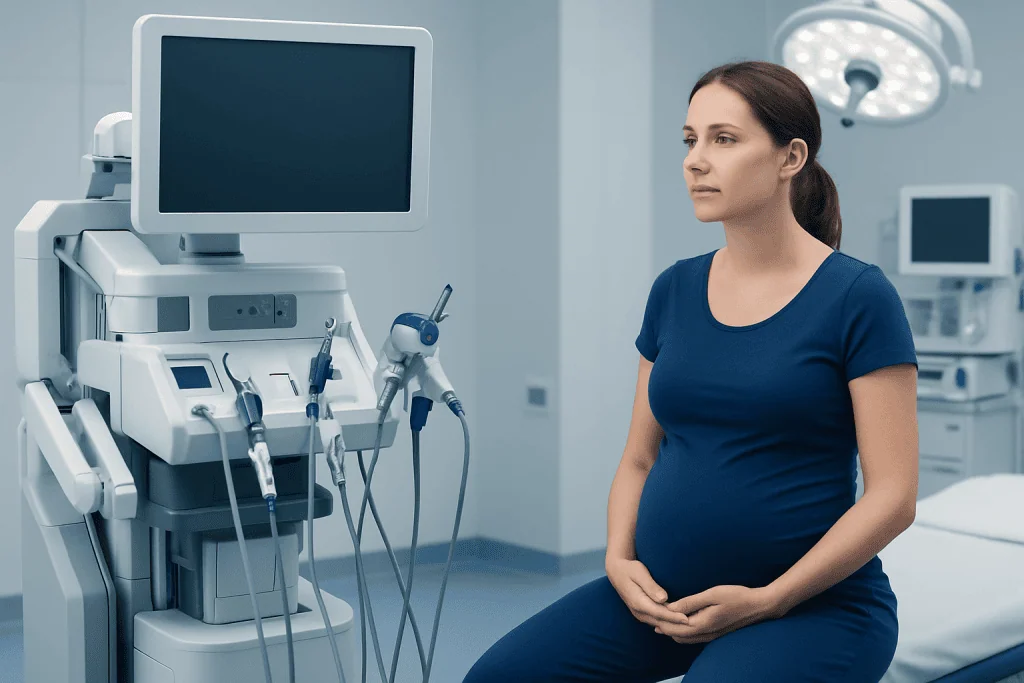
Bariatric surgery may be worth discussing for women who have obesity that is severe, long-standing, or difficult to manage with diet, physical activity, behavioral support, and medical care. It may be especially relevant when obesity is linked to health conditions that could affect a future pregnancy, such as type 2 diabetes, high blood pressure, fatty liver disease, sleep apnea, or severe joint pain.
It can also be considered when obesity is contributing to infertility. Some women with irregular periods or ovulation problems related to metabolic health may see improvement after weight loss. This is sometimes relevant in women with polycystic ovary syndrome or insulin resistance, although surgery is not the first treatment for everyone and should be part of a broader fertility and health assessment.
Doctors typically assess more than body weight alone. They look at body mass index, weight-related medical conditions, previous weight-loss attempts, eating patterns, psychological readiness, medication use, and the person’s ability to commit to long-term follow-up. Bariatric surgery requires permanent lifestyle changes, regular blood tests, and adherence to nutritional supplements.
Women who are considering pregnancy in the near future should discuss timing early. If age, fertility concerns, or other reproductive factors make delay difficult, a specialist team can help weigh the benefits of pre-pregnancy weight loss against the importance of not postponing conception too long. In these situations, coordinated care between a bariatric surgeon, obstetrician, and fertility specialist may be especially helpful.
Benefits and Possible Risks

For selected patients, bariatric surgery before pregnancy can offer meaningful health benefits. Weight loss after surgery may improve blood sugar control, reduce blood pressure, support more regular ovulation, and lower the risk of some obesity-related pregnancy complications. Many women also experience better mobility, sleep quality, and overall well-being, which can support pregnancy preparation.
Some studies suggest that pregnancy after bariatric surgery may be associated with lower rates of gestational diabetes and hypertensive disorders compared with pregnancy at the same higher pre-surgery weight. These are important potential advantages, particularly for women with obesity-related illness. Weight loss may also make fertility treatment safer or more effective in some cases.
At the same time, surgery has risks and long-term responsibilities. These include the usual surgical risks, as well as possible dehydration, gastrointestinal symptoms, and nutritional deficiencies involving iron, vitamin B12, folate, calcium, vitamin D, and other nutrients. During pregnancy, nutritional deficits can affect both maternal health and fetal growth if not recognized and treated.
There may also be a higher chance of having a baby who is small for gestational age, especially if conception occurs too soon after surgery or if nutrition is inadequate. This does not mean pregnancy after bariatric surgery is unsafe, but it does mean careful follow-up is essential. The goal is to balance the proven harms of obesity in pregnancy with the special nutritional considerations that follow weight-loss surgery.
When to Wait Before Trying to Conceive
Most professional guidelines recommend waiting about 12 to 18 months after bariatric surgery before becoming pregnant. Some specialists may advise a longer interval depending on the procedure performed, the speed of weight loss, nutritional status, and overall health. This waiting period gives the body time to heal and allows weight to stabilize after the rapid-loss phase.
The main reason for waiting is nutrition. Early after surgery, calorie intake is reduced, absorption may be altered, and vitamin or mineral deficiencies can develop even in people who feel well. A pregnancy that begins during this period may be harder to support nutritionally, making it more important to first reach a steadier pattern of eating, supplementation, and laboratory monitoring.
Because fertility can improve quickly as weight drops, unplanned pregnancy is possible soon after surgery. Reliable contraception should be discussed before the procedure and reviewed at follow-up visits. Depending on the type of surgery, a doctor may recommend avoiding methods that could be less reliable with altered absorption and choosing an option better suited to the individual’s medical needs and preferences.
When the time comes to try for pregnancy, preconception review is important. This often includes checking weight trends, screening for anemia and vitamin deficiencies, reviewing medications, and making sure chronic conditions are well controlled. In women who may also need help conceiving, consultation about fertility treatment can be planned after the waiting period if needed.
How Pregnancy Is Managed After Bariatric Surgery
Pregnancy after bariatric surgery is usually managed as a higher-attention pregnancy rather than automatically a high-risk one. Many women have healthy pregnancies and births, but they benefit from closer monitoring by an obstetric team familiar with post-bariatric care. The team will review the type of surgery, current weight pattern, eating tolerance, supplements, and any gastrointestinal symptoms.
Nutritional follow-up is central. Blood tests may be performed before conception and repeated during pregnancy to monitor iron, folate, vitamin B12, vitamin D, calcium status, and other nutrients when appropriate. Women are generally advised to take prescribed prenatal vitamins and any additional supplements recommended by their doctor, rather than choosing them on their own.
Monitoring for gestational diabetes can be different in some patients, especially after procedures that change how the stomach empties or how nutrients are absorbed. Standard glucose drink tests may not be tolerated well by everyone. In these cases, doctors may use alternative approaches, such as blood sugar monitoring, depending on local practice and the patient’s surgical history.
Fetal growth is also followed carefully, since both obesity and post-surgical nutritional issues can affect growth in different ways. Some women need extra dietary support from a registered dietitian to meet protein and hydration goals. If symptoms such as severe abdominal pain, persistent vomiting, or signs of bowel obstruction occur, they should be assessed urgently, as surgical complications can occasionally happen even years after the original procedure.
Treatment Options and Pre-Pregnancy Planning
Not every woman with obesity who wants a pregnancy needs bariatric surgery. Treatment options may include medically supervised weight management, nutrition counseling, physical activity programs, behavioral therapy, and treatment of related conditions such as diabetes or sleep apnea. For some, these approaches are enough to improve fertility and reduce pregnancy risks without surgery.
When surgery is being considered, the choice of procedure is individualized. Different operations have different effects on weight loss, reflux, nutrient absorption, and follow-up needs. A bariatric specialist may explain whether an option such as gastric sleeve surgery or gastric bypass surgery is more suitable, based on the person’s health history and reproductive plans.
Pre-pregnancy planning should also include review of menstrual cycles, contraception, medications, smoking or alcohol use, and mental health support. If there is a history of infertility, miscarriage, or hormonal concerns, a gynecologist or reproductive specialist may assess whether weight is the main factor or whether other conditions need treatment as well. This may include evaluation for ovulation disorders, thyroid disease, or male-factor infertility.
Near the end of the planning process, women should have a clear roadmap for when it is safe to try to conceive, what supplements are needed, and how often follow-up will be required. At Acibadem International, multidisciplinary specialists in JCI-accredited hospitals care for international patients with obesity, fertility concerns, and pregnancy planning needs in a coordinated way.
Self-care and When to See a Doctor
Self-care before and after bariatric surgery focuses on long-term habits rather than short-term dieting. Helpful steps include attending all follow-up visits, taking supplements exactly as prescribed, eating regular balanced meals with adequate protein, staying hydrated, and avoiding smoking. Keeping a written list of vitamins, medications, and lab results can make pregnancy planning easier.
Women planning pregnancy should also seek early medical advice if periods are irregular, conception has not occurred after several months of trying, or there is a history of diabetes, high blood pressure, or previous pregnancy complications. It is safer to address these concerns before pregnancy whenever possible. Prompt care can help reduce preventable risks and support healthier timing.
After surgery, a doctor should be contacted if there is persistent vomiting, trouble drinking enough fluids, fainting, signs of anemia, severe constipation, abdominal pain, or unintentional rapid decline in nutritional status. During pregnancy, any reduced food intake, poor weight gain, or symptoms suggesting deficiency should be reviewed without delay.
Urgent assessment is important for severe abdominal pain, repeated vomiting, black stools, chest pain, or breathing difficulty. Although these symptoms do not always mean a serious complication, they should not be ignored in someone who has had bariatric surgery and is pregnant or preparing for pregnancy.
Frequently asked questions
Can bariatric surgery improve fertility?
It can improve fertility in some women, especially when obesity is affecting ovulation, insulin resistance, or menstrual regularity. However, it is not a guaranteed fertility treatment, and some women may still need evaluation or treatment for other causes of infertility.
How long should someone wait to get pregnant after bariatric surgery?
Most experts recommend waiting 12 to 18 months after surgery before trying to conceive. This allows time for healing, stabilization of weight loss, and correction of any vitamin or mineral deficiencies.
Is pregnancy after bariatric surgery safe?
Many women have healthy pregnancies after bariatric surgery. Safety is improved when pregnancy is planned, nutrition is monitored closely, and care is coordinated between obstetric and bariatric teams.
What nutrients are most important to monitor?
Common areas of concern include iron, folate, vitamin B12, calcium, and vitamin D. Depending on the type of surgery and the person’s diet, other nutrients may also need monitoring through blood tests and follow-up visits.
Does everyone with obesity who wants a baby need bariatric surgery?
No. Many women can improve their health and pregnancy readiness through lifestyle changes, medical treatment, and management of related conditions without surgery. Bariatric surgery is usually considered when obesity is more severe or when other approaches have not been enough.
Can birth control still be needed after bariatric surgery?
Yes. Fertility may return quickly after weight loss, so contraception is important until a doctor confirms it is a good time to try for pregnancy. The most suitable method depends on the person’s health history and the type of surgery performed.
References
- American College of Obstetricians and Gynecologists
- American Society for Metabolic and Bariatric Surgery
- Royal College of Obstetricians and Gynaecologists
- National Institute for Health and Care Excellence
- World Health Organization
This article is for general information only and is not a substitute for professional medical advice. Please consult a qualified doctor about your individual situation.
Bariatric Surgery in Turkey — costs, top hospitals & a free quote
JCI-accredited · board-certified surgeons · reply within 24h
Add us as a Preferred Source to see more of our trusted health content across Google Search, AI Overviews and Discover.
Check your numbers in seconds
BMI, calories, due date, blood pressure and 30+ more clinical calculators — free, instant, doctor-reviewed ranges.

Bariatric & Metabolic Surgery
Surgical and endoscopic treatments for obesity and metabolic conditions.
More from the Health Library



Related Specialists

Prof. Dr. Reha Baran
Pulmonology
Dr. Mehmet Çavuş
Orthopedic Surgery & Traumatology
Dr. Nuri Soysal
Aesthetic Plastic & Reconstructive Surgery
Dr. Özgür Güler
Anesthesiology