Basilic Vein: A Complete Medical Overview

The basilic vein runs along the inner arm and is one of the main superficial veins of the upper limb. It helps return deoxygenated blood from the hand and forearm toward deeper veins and eventually the heart.
Key Takeaways
- The basilic vein runs along the inner arm and is one of the main superficial veins of the upper limb.
- It helps return deoxygenated blood from the hand and forearm toward deeper veins and eventually the heart.
- Clinicians often use the basilic vein for blood draws, intravenous access, and dialysis-related vascular procedures.
- Problems affecting the basilic vein may include irritation after needle use, inflammation, infection, or superficial vein thrombosis.
- New arm pain, swelling, redness, warmth, or a firm cord-like vein should be assessed by a healthcare professional.
The basilic vein is a large superficial vein on the inner side of the arm that carries blood back toward the heart. It is medically important because it is commonly used for blood sampling, IV treatment, and some vascular access procedures, and it can also be involved in vein inflammation or clotting.
Overview of the Basilic Vein
The basilic vein is a prominent superficial vein in the upper limb. In simple terms, it is one of the veins close to the skin on the inner side of the forearm and arm, helping carry blood back toward the heart. Because of its size and location, it is important both in normal circulation and in everyday medical care.
Many people first hear about the basilic vein during a blood test, intravenous treatment, or vascular procedure. Although it is not as commonly discussed as the heart or arteries, this vein has a practical role in medicine. It may be used for venous access, and it can also become affected by inflammation, injury, or clotting.
The basilic vein is part of the body’s superficial venous network, which works together with the deeper veins. These systems are connected, allowing blood to move efficiently from the hand and arm back to larger veins in the chest. Understanding where the basilic vein is and what it does can make medical recommendations easier to follow.
Where It Is and What It Does
The basilic vein usually begins on the side of the hand near the little finger and travels up the inner, or ulnar, side of the forearm. It then continues along the inner part of the upper arm. Higher in the arm, it passes deeper into the tissues and joins with veins that contribute to the axillary vein, an important vessel leading toward the chest.
Its main function is to return deoxygenated blood from the hand, wrist, forearm, and part of the arm toward the central circulation. Veins contain one-way valves that help blood move in the correct direction, especially when a person changes position or uses the arm muscles. This supports steady blood flow back to the heart.
The basilic vein is often discussed together with the cephalic vein and the median cubital vein. The cephalic vein runs more along the outer side of the arm, while the median cubital vein commonly connects the cephalic and basilic veins near the elbow. This connected network is one reason the veins around the elbow are often used for blood draws.
Although the basilic vein is considered superficial, part of its course becomes deeper as it rises in the arm. This transition matters in surgery and imaging, since the vein may be visible or easy to feel in one area but less accessible in another.
Why the Basilic Vein Matters in Medical Care

The basilic vein is clinically important because it is often large enough to be accessed for medical treatment. Healthcare professionals may use arm veins for blood sampling, intravenous fluids, medication delivery, or placement of certain catheters. The exact choice of vein depends on visibility, vein size, the planned treatment, and the person’s overall health.
In some patients with kidney failure who need hemodialysis, the basilic vein may be used in vascular access surgery. One example is a basilic vein transposition, a procedure that helps create an arteriovenous fistula by repositioning the vein so it can be used more easily. Patients exploring dialysis access may also hear about hemodialysis treatment as part of long-term care planning.
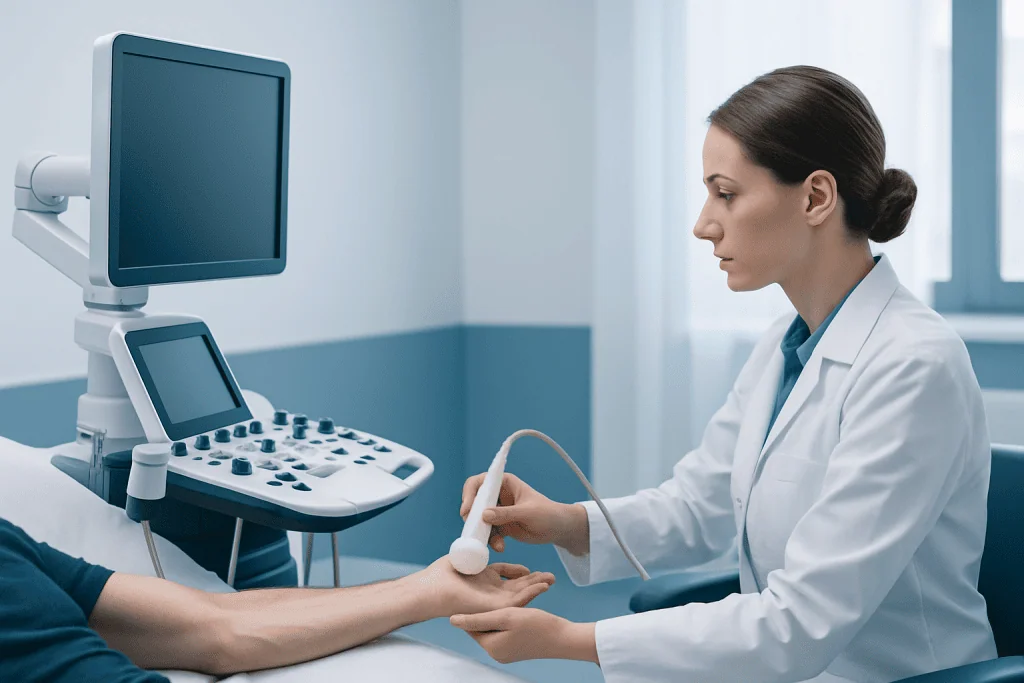
The vein may also be evaluated with ultrasound when symptoms suggest a clot, inflammation, or poor venous flow. In some cases, specialists use Doppler ultrasonography to assess blood movement and detect narrowing or thrombosis. This is especially helpful when the physical examination alone does not fully explain swelling or discomfort.
Because the basilic vein lies near the skin for much of its path, it can be more vulnerable to irritation from repeated needle access or trauma. That does not mean problems are common, but it helps explain why tenderness, bruising, or superficial inflammation can occur after medical procedures.
Common Symptoms and Problems Affecting the Basilic Vein
The basilic vein itself is not usually felt in everyday life unless it becomes more visible with exercise, heat, body position, or low body fat. However, symptoms may appear when the vein is irritated or affected by inflammation or clotting. Common signs include localized pain, tenderness, redness, warmth, swelling, bruising, or a firm cord-like area under the skin.
One possible issue is superficial thrombophlebitis, which means inflammation in a superficial vein, sometimes with a blood clot. This can happen after an IV line, a blood draw, minor injury, or prolonged pressure on the vein. Symptoms are often limited to the affected area, but medical review is still important because the superficial and deep venous systems are connected.
Less commonly, symptoms in the area of the basilic vein can be related to a deeper venous clot, infection, or external compression. Arm swelling that involves the whole limb, significant pain, skin color change, fever, or shortness of breath requires prompt evaluation. Deep vein problems in the upper limb are different from simple bruising and should not be ignored.
Some symptoms may overlap with other conditions, such as cellulitis, lymphatic swelling, muscle injury, or nerve irritation. This is one reason diagnosis should be based on a full clinical assessment rather than appearance alone. If clotting is suspected, doctors may also evaluate for related concerns such as deep vein thrombosis.
Causes, Risk Factors, and How Doctors Diagnose Problems
Several factors can affect the basilic vein. Recent needle insertion, IV cannulation, blood sampling, minor trauma, repetitive arm strain, and local infection may irritate the vein wall. Reduced mobility, dehydration, certain medications, clotting disorders, active cancer, pregnancy, or a previous history of thrombosis can increase the chance of vein-related complications.
Doctors begin diagnosis with a history and physical examination. They ask when symptoms began, whether there was recent venous access or injury, and whether swelling affects only a small area or the entire arm. They also look for skin changes, compare both arms, and check for signs that suggest superficial inflammation versus a deeper venous problem.
Ultrasound is one of the most useful tests when thrombosis is suspected. It can show whether the basilic vein is compressible, whether a clot is present, and whether deeper veins are involved. If symptoms suggest broader vascular disease, clinicians may also assess for related conditions such as varicose veins, although varicose veins are more common in the legs than in the arms.
Blood tests are not always needed for a simple localized vein irritation, but they may be ordered if infection, clotting abnormalities, or systemic illness is a concern. Imaging decisions depend on the severity of symptoms, the patient’s risk factors, and whether immediate treatment would change based on the findings.
Treatment Options and Recovery
Treatment depends on the cause. Mild irritation or bruising after a blood draw often improves with rest, gentle movement, and basic supportive care. A clinician may suggest warm compresses, arm elevation, and monitoring for any increase in pain, redness, or swelling. Patients should avoid self-medicating with blood thinners unless specifically advised by a doctor.
When superficial thrombophlebitis is diagnosed, treatment may still be conservative if the affected area is small and the risk of extension is low. However, some patients need closer follow-up, repeat imaging, or medication, especially if the clot is near deeper veins or if symptoms are worsening. If infection is suspected, medical treatment is important because an infected vein requires prompt management.
If a deeper clot is found, treatment is more structured and may include anticoagulation and investigation of the underlying cause. Doctors also consider whether the clot is related to a catheter, recent surgery, cancer, or inherited clotting tendency. In selected cases, patients may need specialist evaluation through cardiovascular surgery or vascular medicine services.
For people needing long-term vascular access, treatment planning focuses not only on the current vein problem but also on preserving future access sites. That is particularly relevant in dialysis care and complex medical treatment. At the end of the diagnostic pathway, some international patients choose centers such as Acibadem International, where multidisciplinary specialists in JCI-accredited hospitals evaluate and treat vascular conditions.
Prevention and Self-Care for Vein Health
Good vein care begins with general circulation-friendly habits. Staying hydrated, moving regularly, and avoiding long periods of immobility can support healthy blood flow. Gentle arm movement after a blood draw or IV removal may help reduce stiffness, unless a clinician has advised limiting activity for another reason.
People who frequently need blood tests or infusions should let healthcare teams know about prior vein irritation, clotting history, or difficult venous access. Rotating access sites when possible and using proper technique can reduce repeated stress on the same vein. Patients should not massage a painful, inflamed vein unless instructed by a healthcare professional.
Home care should remain cautious and simple. Helpful measures may include:
- Applying a warm compress for short periods if recommended
- Keeping the arm comfortably elevated when swollen
- Watching for spreading redness, increasing pain, or fever
- Following aftercare instructions after blood draws, IV treatment, or procedures
People with kidney disease, clotting disorders, cancer, or previous venous thrombosis may need individualized advice. In these situations, preserving the health of arm veins can be especially important for future treatment options.
When to Seek Medical Care
Medical attention is appropriate if there is persistent pain, swelling, redness, warmth, or a hard tender vein in the arm, especially after a recent blood draw, IV line, or injury. Although some minor vein irritation settles on its own, worsening symptoms should not be assumed to be harmless.
Urgent care is needed if the arm becomes markedly swollen, symptoms spread quickly, there is pus or fever, or the person feels unwell. Shortness of breath, chest pain, dizziness, or sudden severe symptoms need emergency evaluation because they may point to a more serious complication.
It is also sensible to seek medical advice if symptoms keep returning or if there is a personal or family history of unusual clotting. Early assessment can clarify whether the issue involves the superficial basilic vein alone or a deeper venous problem requiring more active treatment.
Frequently asked questions
What is the basilic vein?
The basilic vein is a large superficial vein on the inner side of the hand, forearm, and upper arm. Its job is to carry deoxygenated blood back toward deeper veins and eventually the heart.
Where is the basilic vein located?
It usually begins on the side of the hand near the little finger and runs up the inner side of the forearm and arm. Higher in the upper arm, it passes deeper and joins veins that contribute to the axillary vein.
Why do doctors use the basilic vein?
Doctors may use the basilic vein for blood sampling, intravenous access, and some catheter-based treatments because it can be relatively large and accessible. It may also be used in planning or creating vascular access for dialysis in selected patients.
Can the basilic vein develop a blood clot?
Yes, the basilic vein can be affected by superficial thrombophlebitis, which is inflammation of a superficial vein and may include a clot. Because superficial and deep veins are connected, a clinician may recommend ultrasound to confirm the diagnosis and rule out deeper involvement.
What are symptoms of a basilic vein problem?
Symptoms can include pain, tenderness, redness, warmth, swelling, bruising, or a firm cord-like feeling under the skin. More severe swelling of the whole arm, fever, or breathing symptoms should be assessed urgently.
How is a basilic vein problem treated?
Treatment depends on the cause and severity. Mild irritation may improve with supportive care, while confirmed thrombosis, infection, or deeper vein involvement may require medication, imaging follow-up, or specialist care.
References
- Cleveland Clinic
- MedlinePlus
- National Heart, Lung, and Blood Institute
- Society for Vascular Surgery
- Radiological Society of North America
This article is for general information only and is not a substitute for professional medical advice. Please consult a qualified doctor about your individual situation.
Explore treatments in Turkey — costs, top hospitals & a free quote
JCI-accredited · board-certified surgeons · reply within 24h
Add us as a Preferred Source to see more of our trusted health content across Google Search, AI Overviews and Discover.
Check your numbers in seconds
BMI, calories, due date, blood pressure and 30+ more clinical calculators — free, instant, doctor-reviewed ranges.

More from the Health Library

Bloody Boogers — Explained by Medical Evidence, Not Myths

Comorbidity: What Patients Need to Know

Oxygen Bar: An Evidence-Based Guide for Patients

Clove Oil for Toothache: What Patients Need to Know

Cholestyramine: What Patients Need to Know