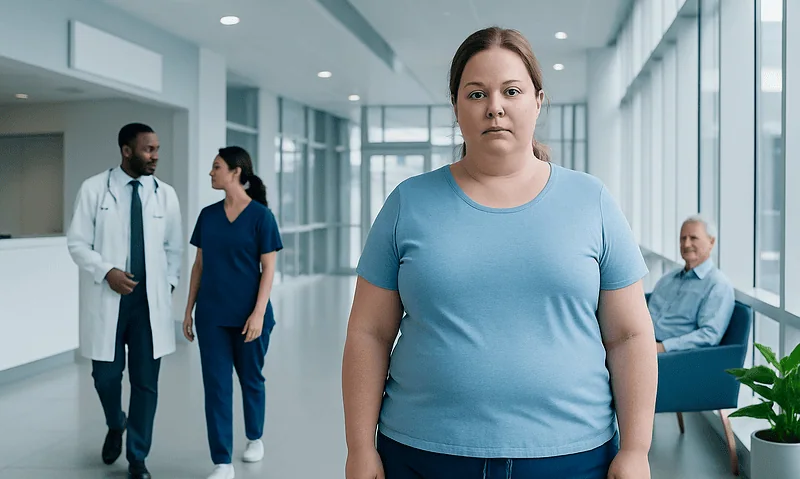
BBC News and Health: How to Tell Reliable Medical Information from Misinformation

Reliable medical information is based on evidence, expert review, and clear sourcing. A news headline alone is not enough to judge whether a health claim is accurate.
Key Takeaways
- Reliable medical information is based on evidence, expert review, and clear sourcing.
- A news headline alone is not enough to judge whether a health claim is accurate.
- Trusted sources usually explain benefits, risks, limits, and uncertainty.
- Social media posts, personal stories, and influencer content should be checked carefully.
- A qualified doctor can help interpret medical news in the context of an individual’s health needs.
Health stories can spread quickly, especially when they appear in major news outlets or on social media. Learning how to identify reliable medical information can help people make safer, more informed decisions about symptoms, treatments, and prevention.
Overview: Why health misinformation spreads
Health information is easier to access than ever before. Television, newspapers, websites, podcasts, and social media can all share medical stories within minutes. This can be helpful when accurate public health advice reaches large audiences quickly. However, it also means that incomplete, exaggerated, or incorrect claims may spread just as fast.
Even reputable news coverage can sometimes simplify complex medical research. A headline may focus on a dramatic result while leaving out important details about who was studied, how strong the evidence is, or whether the findings apply to everyday care. In other cases, health misinformation may come from blogs, videos, or posts that are designed to attract attention rather than inform.
Reliable medical information is not usually identified by how confident, emotional, or widely shared it seems. Instead, it is recognized by clear evidence, expert input, transparency, and balance. Understanding these signs can help readers approach health news more calmly and make decisions with greater confidence.
Signs that medical information is trustworthy
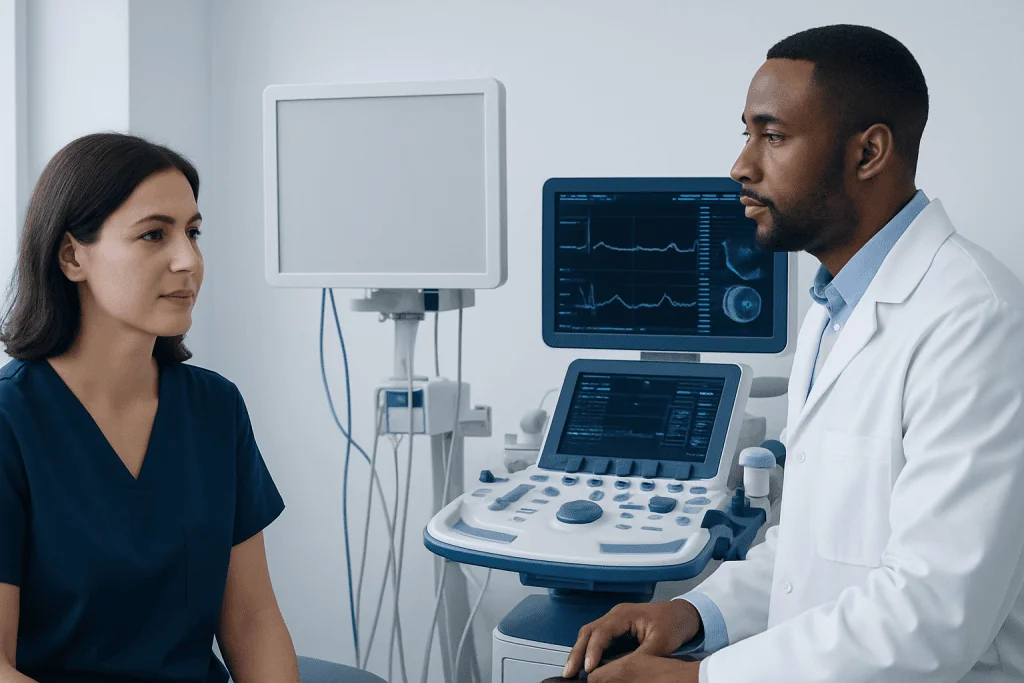
Reliable medical information usually comes from recognized health organizations, academic medical centers, government public health agencies, or qualified clinicians working within their area of expertise. Trustworthy sources explain where their information comes from and update it when evidence changes.
A reliable article or report often includes the following features:
- It names the source of the claim, such as a study, guideline, or expert organization.
- It explains who was studied and whether the findings are early, limited, or widely accepted.
- It discusses both benefits and risks instead of presenting only one side.
- It avoids dramatic promises such as “miracle cure,” “instant results,” or “guaranteed prevention.”
- It makes clear when more research is needed.
Another useful sign is consistency. If several respected sources say similar things, confidence is usually higher. When one article makes a bold claim that does not appear in established guidance from bodies such as the World Health Organization or national health agencies, it is wise to pause and verify the information before acting on it.
Trustworthy health communication also separates facts from opinion. Expert commentary can be helpful, but it should not replace evidence. Good medical reporting makes room for uncertainty, because medicine often develops gradually rather than through single breakthrough moments.
Common warning signs of health misinformation

Health misinformation often uses simple, attention-grabbing messages for issues that are actually complex. It may rely on emotional language, fear, outrage, or urgency to encourage quick sharing. Claims that a product, supplement, diet, or treatment is being “hidden” or “suppressed” should be viewed with caution, especially if the source also tries to sell something.
Personal stories can be powerful, but they are not the same as medical evidence. One person’s experience may not show whether a treatment is effective or safe for others. Anecdotes do not account for placebo effects, natural recovery, misdiagnosis, or other medical care a person may also have received.
Some other red flags include:
- No named author or no medical credentials for the topic discussed.
- No references to studies, guidelines, or expert review.
- Claims that sound absolute, such as “always,” “never,” or “cures all.”
- Old studies presented as if they are new or current.
- Advice that discourages readers from speaking with doctors.
- Selective use of evidence while ignoring known risks or limitations.
Misinformation is not always intentional. Sometimes a story becomes inaccurate because early findings are reported too quickly or without enough context. Even so, the result can still confuse readers and affect health decisions, which is why careful checking matters.
How to evaluate a medical news story step by step
When a health story appears in the news, it can help to read beyond the headline first. Headlines are often written to attract attention and may not fully reflect the content. A more reliable understanding comes from looking at the details in the article itself.
Readers can ask a few practical questions:
- Who is providing this information?
- Does the story mention a study, guideline, or official statement?
- Was the research done in people, animals, or only in a laboratory?
- How large was the study, and was it reviewed by other experts?
- Does the report explain risks, side effects, or uncertainty?
- Is the claim relevant to the general public or only a specific group?
It is also useful to compare the story with trusted sources. If a report says a new scan, medicine, or surgery changes care, readers may look for confirmation from recognized hospitals or public health organizations. For example, established centers often provide balanced information about MRI imaging or preventive check-up services and explain when these tools are useful, their limits, and when they may not be needed.
If the article discusses a disease, the most helpful next step is often to read a plain-language overview from a reliable clinical source and then discuss it with a doctor. This is especially important when information could influence treatment choices, delay diagnosis, or lead someone to stop prescribed care.
Social media, influencers, and AI-generated content
Social media can make health education more accessible, but it also blurs the line between expertise and popularity. A large audience does not prove that a person is medically qualified. Influencers, creators, and public figures may share advice outside their professional training, and short-form videos often leave out important context.
AI-generated content adds another layer of difficulty. Some summaries sound polished and convincing even when they contain oversimplified, outdated, or incorrect medical information. Because of this, readers should not rely on a single post, chatbot response, or viral thread for decisions about diagnosis or treatment.
Before trusting online content, it helps to check whether the advice matches established guidance from authoritative institutions. Reliable health communication usually names sources, notes uncertainty, and avoids speaking in absolutes. This matters for common concerns as well as serious conditions, from breast cancer to long-term management of diabetes.
Social media can still be useful for learning basic concepts or finding questions to ask a doctor. The safest approach is to treat it as a starting point, not the final answer.
How to talk to a doctor about something seen in the news
Bringing a news story, social media post, or interview clip to a medical appointment can be very helpful. It gives the doctor a clear sense of what information the person has seen and what concerns or hopes it may have created. This can lead to a more focused and reassuring conversation.
Patients may find it useful to ask questions such as:
- Is this claim supported by good evidence?
- Does it apply to my age, health history, or symptoms?
- What are the possible benefits and risks?
- Is this standard care, an early development, or something unproven?
- Are there more reliable sources I can read?
A doctor can also explain whether a test or treatment is appropriate, unnecessary, or potentially harmful in a particular situation. For example, some symptoms may need expert assessment rather than self-diagnosis based on news coverage alone, and in some cases a specialist evaluation or comprehensive health check-up may be more useful than guessing from online information.
Near the end of the care journey, some patients may also wish to seek a second opinion, especially if they are facing a new diagnosis or major procedure. Acibadem International’s multidisciplinary specialists and JCI-accredited hospitals support international patients with diagnosis and treatment planning across many areas of medicine.
Practical tips for safer health information habits
Developing a few simple habits can make a big difference. It is often helpful to pause before sharing a dramatic claim, especially if it triggers fear or excitement. Taking a moment to check the date, source, and evidence can reduce the spread of inaccurate information.
Useful habits include:
- Prefer information from recognized medical organizations and public health agencies.
- Read the full article rather than only the headline or caption.
- Look for publication dates and updates.
- Be cautious with product claims tied to sales, affiliate links, or sponsorships.
- Check whether more than one trusted source agrees.
- Discuss major health decisions with a qualified clinician.
For ongoing health concerns, structured medical advice is more dependable than repeated online searching. When symptoms persist, screening is due, or a diagnosis is uncertain, proper evaluation matters. In some situations, diagnostic tools such as PET-CT imaging or specialist review may be part of evidence-based care, but these should be guided by a healthcare professional rather than by headlines alone.
The goal is not to distrust all medical news. Good reporting plays an important role in public awareness. The aim is to read carefully, verify thoughtfully, and use reliable medical information to support—not replace—professional care.
When to seek professional advice promptly
Some health questions should not wait for online research. New chest pain, difficulty breathing, sudden weakness, severe allergic reactions, major bleeding, seizures, or signs of stroke need urgent medical attention. In these situations, immediate care is more important than trying to confirm symptoms through articles or social media.
Prompt medical advice is also important when a person is considering stopping prescription medication, replacing standard treatment with an unproven remedy, or following restrictive advice found online. These choices can have serious consequences if they are not discussed with a clinician.
If a person feels confused by conflicting reports, the safest next step is usually a trusted healthcare professional who can interpret the information in context. Reliable medical information is most useful when it is combined with individual medical history, examination, and appropriate testing.
Frequently asked questions
How can someone tell if a health article is reliable?
A reliable health article usually names its sources, explains the evidence, and includes expert review or guidance from recognized medical organizations. It should also describe uncertainty, risks, and limits rather than making dramatic promises.
Are major news outlets always accurate about medical topics?
Not always. Reputable news organizations often report responsibly, but medical research can be complex and headlines may simplify details. It is best to use news reports as a starting point and then verify them with trusted health sources.
Why are personal success stories not enough to prove a treatment works?
A personal story reflects one individual experience and cannot show whether a treatment is effective or safe for most people. Many factors can influence outcomes, including natural recovery, placebo effects, or other treatments used at the same time.
Should people trust medical advice from social media doctors?
Credentials matter, but they are only part of the picture. Even qualified professionals may speak outside their specialty or provide short-form content without enough context. It is wise to compare social media advice with established guidance and discuss important decisions with a doctor.
What should someone do before trying a new supplement or treatment mentioned in the news?
They should check whether the claim is supported by recognized health organizations or evidence-based medical sources. It is also important to ask a doctor or pharmacist about safety, side effects, interactions, and whether the treatment is appropriate for their situation.
Can AI tools be useful for health information?
AI tools can be helpful for summarizing general concepts or suggesting questions to ask a doctor. However, they may provide incomplete, outdated, or inaccurate medical information, so they should not replace professional medical advice or trusted clinical sources.
References
- World Health Organization
- Centers for Disease Control and Prevention
- National Institutes of Health
- MedlinePlus
- National Health Service
This article is for general information only and is not a substitute for professional medical advice. Please consult a qualified doctor about your individual situation.
Explore treatments in Turkey — costs, top hospitals & a free quote
JCI-accredited · board-certified surgeons · reply within 24h
Add us as a Preferred Source to see more of our trusted health content across Google Search, AI Overviews and Discover.