Beer Abv: What Patients Need to Know

Beer ABV shows the percentage of pure alcohol in a beer. A higher ABV usually means more alcohol per serving, especially in larger cans or glasses.
Key Takeaways
- Beer ABV shows the percentage of pure alcohol in a beer.
- A higher ABV usually means more alcohol per serving, especially in larger cans or glasses.
- Beer strength varies widely, so one beer does not always equal one standard drink.
- Alcohol affects people differently based on body size, food intake, medications, and health conditions.
- Reading labels and pacing intake can help reduce short-term and long-term alcohol-related harm.
Beer ABV means “alcohol by volume,” or the percentage of a beer that is pure alcohol. Understanding beer ABV can help people estimate how much alcohol they are drinking, compare beverages more accurately, and make safer decisions for their health.
Overview: What beer ABV means
Beer ABV stands for alcohol by volume. It tells a person what percentage of the liquid in a beer is pure alcohol. For example, a beer labeled 5% ABV contains 5% pure alcohol by volume, while a beer labeled 8% ABV contains more alcohol in the same amount of liquid.
This matters because beer is not all the same strength. A light beer may be around 3% to 4% ABV, while some craft, strong, or specialty beers may be 7%, 9%, or even higher. Two drinks that look similar in size can contain very different amounts of alcohol.
From a health perspective, beer ABV is useful because it helps people estimate their alcohol intake more accurately. This can support safer choices, especially for those who drive, take certain medicines, live with chronic medical conditions, or want to reduce the risk of alcohol-related harm.
How ABV affects how much alcohol a person drinks
ABV does not tell the whole story by itself. The total amount of alcohol in a drink depends on both the strength of the beer and the serving size. A small glass of high-ABV beer may contain a similar amount of alcohol to a larger glass of lower-ABV beer.
For this reason, one beer is not always equal to one standard drink. A regular 12-ounce beer at about 5% ABV is often used as a reference point, but many beers sold in bottles, cans, pints, or tall servings contain more than that. If the serving is larger or the ABV is higher, alcohol intake rises quickly.
People often underestimate intake when beer is served in large glasses, when labels are not checked, or when stronger beers are consumed slowly over a long meal or social event. This can increase the chance of impaired judgment, dehydration, falls, injuries, and alcohol poisoning.
- Low-ABV beers usually contain less alcohol per serving.
- High-ABV beers can equal more than one standard drink.
- Larger servings add to total alcohol intake even if the ABV seems moderate.
- Mixed drinking patterns, such as beer plus spirits, can further increase risk.
Why beer ABV matters for health
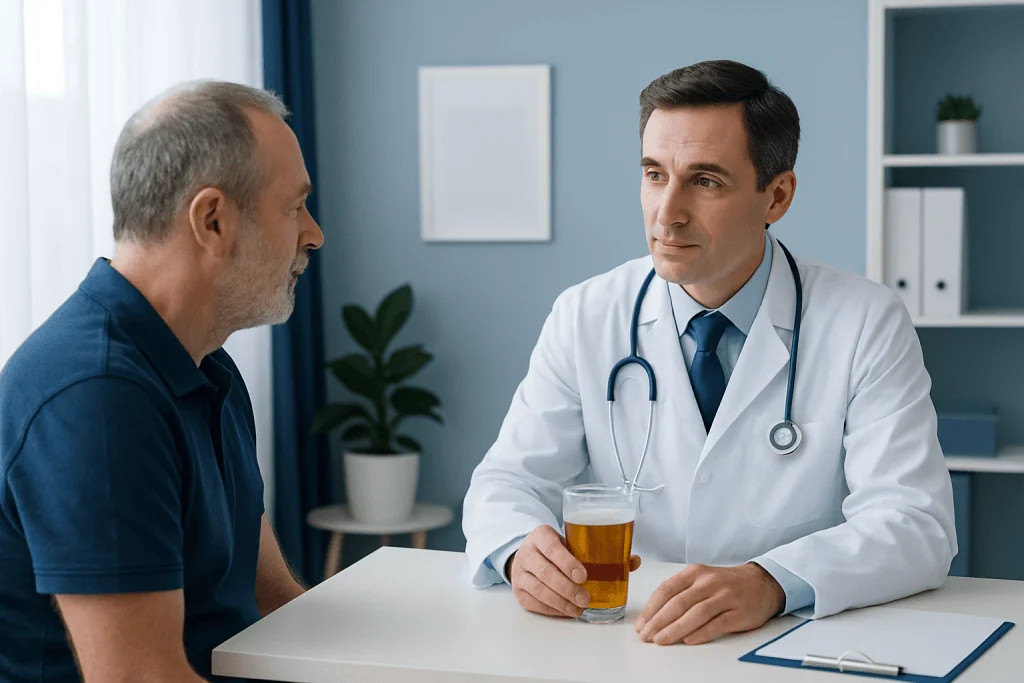
Knowing beer ABV can help a person make informed decisions, but it does not make alcohol risk-free. Alcohol affects the brain, liver, heart, stomach, sleep, mood, and coordination. Higher intake over a short period can lead to intoxication, while repeated heavy drinking can contribute to long-term health problems.
Even modest amounts may matter for people who are pregnant, trying to conceive, under the legal drinking age, living with liver disease, recovering from alcohol use disorder, or taking medicines that interact with alcohol. Common examples include some sleep medicines, pain medicines, antidepressants, anti-anxiety drugs, diabetes medicines, and certain antibiotics.
Beer ABV is also important for people with digestive symptoms such as reflux, gastritis, bloating, or diarrhea, since alcohol can irritate the digestive tract. In some people, frequent drinking may also worsen sleep quality, anxiety symptoms, headaches, or blood pressure control. Anyone with ongoing health concerns should discuss alcohol use with a qualified clinician.
Common effects, symptoms, and signs of drinking too much
The effects of alcohol depend on the amount consumed, the speed of drinking, body size, sex, age, medications, and whether food was eaten. Higher-ABV beer can lead to intoxication faster than expected, especially when a person assumes that one can or one pint equals one standard drink.
Short-term effects may include lowered inhibition, poor concentration, slowed reaction time, unsteady walking, blurred vision, nausea, vomiting, flushed skin, and headache. As alcohol levels rise, confusion, slurred speech, poor coordination, risky behavior, and memory gaps can occur.
Signs of more serious alcohol poisoning require urgent attention. Warning signs include repeated vomiting, severe confusion, inability to stay awake, seizures, blue or pale skin, slow or irregular breathing, and loss of consciousness. If these appear, emergency medical help is needed right away.
Some people also notice that alcohol triggers heartburn, stomach pain, diarrhea, or palpitations. If these symptoms are frequent, it may be helpful to review drinking patterns and discuss them with a doctor, especially if stronger beers are involved.
How to read labels and estimate intake more accurately
Most packaged beers list ABV on the label. Looking at this number before drinking can help a person understand how strong the beverage is. It is helpful to compare both the ABV and the total container size, because a large bottle or can with a moderate ABV may still contain a substantial amount of alcohol.
A practical approach is to think in terms of total alcohol rather than the number of beers alone. For example, a 12-ounce beer at 5% ABV contains less alcohol than a 16-ounce beer at 8% ABV. The second drink may contain roughly the alcohol amount of more than one standard drink.
People who want to drink more safely may find it useful to pace intake, alternate alcoholic drinks with water, avoid drinking on an empty stomach, and set a limit in advance. Those who often drink to cope with stress, sleep problems, or mood symptoms may benefit from medical guidance, counseling, or both. In some cases, assessment and support for alcohol addiction may be appropriate.
Reducing risk: safer habits and self-care
If a person chooses to drink beer, a few habits can reduce risk. Choosing a lower-ABV option, drinking slowly, and paying attention to serving size can all help. Eating before and during drinking can slow alcohol absorption, although it does not prevent intoxication completely.
It is also important not to drive, cycle, swim, or use machinery after drinking. Combining alcohol with sedating medications, cannabis, or other substances can increase impairment and danger. People with liver disease, a history of pancreatitis, stomach ulcers, severe reflux, or mental health conditions may need individualized advice and may be advised to avoid alcohol completely.
Anyone trying to cut down may benefit from practical strategies such as keeping alcohol-free days, choosing smaller servings, tracking intake, and avoiding social situations that encourage rapid or heavy drinking. If stopping alcohol leads to sweating, shaking, anxiety, nausea, or sleep disturbance, medical support is important because withdrawal can become serious. Evaluation may include help from specialists in internal medicine or psychiatry, depending on the situation.
When to seek medical care
Medical advice is appropriate if alcohol use is becoming hard to control, if stronger beers are leading to frequent intoxication, or if drinking is affecting sleep, mood, relationships, or work. A doctor can review symptoms, medications, liver health, digestive issues, and overall risk in a confidential setting.
Urgent care is needed for symptoms of alcohol poisoning such as passing out, seizures, trouble breathing, or being impossible to wake. Emergency help is also needed after alcohol-related falls, head injuries, chest pain, severe dehydration, or vomiting blood.
Routine medical review is also wise for people with chronic conditions such as high blood pressure, liver disease, diabetes, depression, or stomach disorders, because alcohol can worsen symptoms or interfere with treatment. In selected cases, doctors may recommend further evaluation, including gastroenterology or other specialty care. Acibadem International’s multidisciplinary specialists and JCI-accredited hospitals provide diagnosis and treatment for international patients who need assessment of alcohol-related health concerns.
Frequently asked questions
What does beer ABV mean?
Beer ABV means alcohol by volume. It shows what percentage of the beer is pure alcohol, which helps estimate how strong the drink is.
Is a higher beer ABV always stronger for the body?
In general, yes. A higher ABV means more alcohol in the same volume, so it may lead to faster intoxication, especially if the serving size is large.
Does one beer always count as one standard drink?
No. The amount of alcohol depends on both the ABV and the size of the serving. Some beers contain much more than one standard drink, especially strong or oversized servings.
Why does beer ABV matter for people taking medication?
Alcohol can interact with many medicines, including some that affect sleep, mood, pain, or blood sugar. Knowing beer ABV helps a person avoid underestimating alcohol intake and lowers the risk of unwanted side effects.
Can beer ABV affect stomach or digestive symptoms?
Yes. Alcohol can irritate the stomach and digestive tract and may worsen reflux, gastritis, nausea, bloating, or diarrhea in some people. Stronger beers may increase symptoms if more alcohol is consumed.
When should someone talk to a doctor about beer or alcohol use?
A person should seek medical advice if drinking feels difficult to control, if it causes repeated intoxication, or if it affects health, sleep, mood, or daily life. Urgent care is needed for confusion, passing out, trouble breathing, seizures, or signs of alcohol poisoning.
References
- World Health Organization
- Centers for Disease Control and Prevention
- National Institute on Alcohol Abuse and Alcoholism
- NHS
- Substance Abuse and Mental Health Services Administration
This article is for general information only and is not a substitute for professional medical advice. Please consult a qualified doctor about your individual situation.
Explore treatments in Turkey — costs, top hospitals & a free quote
JCI-accredited · board-certified surgeons · reply within 24h
Add us as a Preferred Source to see more of our trusted health content across Google Search, AI Overviews and Discover.
Check your numbers in seconds
BMI, calories, due date, blood pressure and 30+ more clinical calculators — free, instant, doctor-reviewed ranges.

More from the Health Library

Fortified Milk: An Evidence-Based Guide for Patients

Butterfly rash: Symptoms, Causes, and Treatment — Complete Patient Guide

Lhermitte’s Sign: An Evidence-Based Guide for Patients

Dtap Vaccine Injection: What Patients Need to Know

Sore Throat Lozenges: An Evidence-Based Guide for Patients