Lhermitte’s Sign: An Evidence-Based Guide for Patients

Lhermitte's sign is a symptom, not a diagnosis. It usually feels like a brief electric shock running down the spine when the neck bends forward.
Key Takeaways
- Lhermitte's sign is a symptom, not a diagnosis.
- It usually feels like a brief electric shock running down the spine when the neck bends forward.
- Common causes include conditions that affect the cervical spinal cord, such as multiple sclerosis, cervical spondylosis, vitamin B12 deficiency, or inflammation.
- Diagnosis focuses on finding the underlying cause through medical history, neurologic examination, and imaging or blood tests when needed.
- Treatment depends on the cause and may include managing inflammation, relieving nerve compression, correcting deficiencies, and reducing triggers.
Lhermitte's sign is a short, sudden electric-shock-like feeling that travels down the neck, spine, or limbs, usually when the neck bends forward. It is not a disease itself, but a symptom that can occur when the cervical spinal cord is irritated or affected by an underlying condition.
What Lhermitte's Sign Means
Lhermitte’s sign is a brief, sudden sensation often described as an electric shock, buzzing, or tingling that travels from the neck down the spine and sometimes into the arms or legs. It most often happens when a person bends the neck forward, although some people notice it with coughing, sneezing, or certain head movements. The feeling usually lasts only seconds.
This sign is important because it suggests irritation or dysfunction in the cervical spinal cord, especially the back part of the cord where sensory pathways travel. It does not automatically mean a serious disease is present, but it does tell doctors that the nervous system may need further evaluation.
Many patients first notice the sensation unexpectedly and worry that it signals permanent nerve damage. In many cases, the symptom is temporary or manageable once the underlying cause is identified. The key point is that Lhermitte’s sign is a clue, not a final diagnosis.
How It Feels and What Symptoms Can Come With It
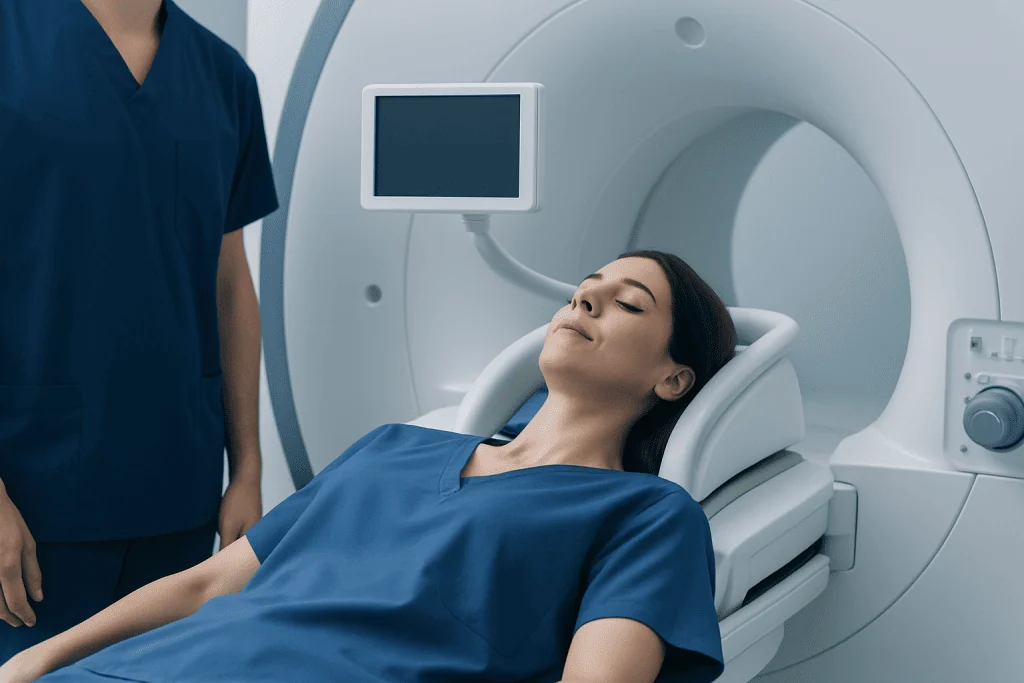
People describe Lhermitte’s sign in different ways. Some feel a sharp electric jolt from the neck to the mid-back. Others notice a wave of tingling, vibration, or warmth that moves down the spine and into the limbs. The intensity can range from mild and occasional to disruptive and recurrent.
The hallmark trigger is neck flexion, such as looking down at a phone, tying shoes, reading, or leaning forward. Because the symptom is so brief, it may not happen every time the neck moves. It can come and go over days, weeks, or months depending on the cause.
Lhermitte’s sign may appear along with other neurologic symptoms, which can help point to the underlying problem. These may include:
- Neck pain or stiffness
- Numbness or tingling in the arms or legs
- Weakness or clumsiness
- Balance problems
- Changes in walking
- Bladder or bowel symptoms
- Fatigue or visual symptoms in conditions such as multiple sclerosis
If the shock-like sensation occurs alone and infrequently, the cause may still need assessment, but accompanying symptoms make a medical review more important.
Why Lhermitte's Sign Happens

Lhermitte’s sign usually occurs when the cervical spinal cord is irritated, inflamed, compressed, or demyelinated. Demyelination means damage to myelin, the protective covering around nerves that helps electrical signals travel normally. When the neck bends, these sensitive nerve pathways may be mechanically stimulated, producing the shock-like sensation.
One of the best-known causes is multiple sclerosis, but it is far from the only one. Other possible causes include cervical spondylosis, disc disease, spinal cord compression, transverse myelitis, radiation-related spinal cord changes, vitamin B12 deficiency, and other inflammatory or autoimmune disorders. Rarely, infections or structural abnormalities may also be involved.
Not everyone with these conditions develops Lhermitte’s sign, and not everyone with Lhermitte’s sign has the same diagnosis. That is why symptoms should be considered in the full clinical context. In some people, especially after inflammation improves, the sensation becomes less frequent or disappears.
When symptoms are related to structural pressure on the neck portion of the spine, doctors may evaluate for problems such as cervical disc herniation or age-related narrowing. In others, the focus may be on neuroimmunologic causes or nutritional deficiencies.
Risk Factors and Related Conditions
Risk factors depend on the underlying cause rather than the sign itself. A person may be more likely to experience Lhermitte’s sign if they have a condition known to affect the cervical spinal cord, including multiple sclerosis, inflammatory spinal cord disorders, cervical degenerative disease, or previous radiation treatment involving the neck or upper chest.
Nutritional factors can also matter. Vitamin B12 deficiency, though less common than spine-related causes, can affect the nervous system and should be considered in the right setting. People with digestive disorders, restricted diets, or conditions that reduce nutrient absorption may be at greater risk for deficiency-related nerve symptoms.
Age may influence the likelihood of certain causes. Younger adults may be more likely to be investigated for inflammatory or demyelinating conditions, while older adults may more often have degenerative changes in the cervical spine. However, age alone cannot determine the diagnosis.
Recent injury, chronic neck strain, autoimmune disease, or a history of cancer treatment may also provide useful clues. Because the causes vary, a careful review of personal health history is often just as important as the symptom description itself.
How Doctors Diagnose the Cause
Diagnosis begins with a detailed medical history. A doctor will ask what the sensation feels like, how often it occurs, what triggers it, and whether there are other symptoms such as numbness, weakness, pain, balance changes, or bladder problems. This history helps narrow down whether the issue is more likely to be inflammatory, structural, metabolic, or another type of neurologic problem.
A neurological examination usually follows. The clinician may check reflexes, muscle strength, sensation, coordination, gait, and neck movement. These findings can reveal whether there are signs of spinal cord involvement or nerve dysfunction that need prompt attention.
Tests are chosen based on the suspected cause. Common evaluations may include MRI of the brain and cervical spine, blood tests such as vitamin B12 levels, and sometimes additional studies to assess inflammation or nerve function. Imaging is especially useful if spinal cord compression, demyelination, or another structural abnormality is suspected.
When a structural neck problem is possible, specialists may consider advanced assessment and management, including spine surgery in selected cases where compression is significant. The goal is not simply to confirm Lhermitte’s sign, but to identify and treat the condition causing it.
Treatment Options and Symptom Relief
There is no single treatment for Lhermitte’s sign because treatment depends on the cause. If the symptom is linked to multiple sclerosis or another inflammatory condition, doctors may focus on controlling disease activity. If cervical spinal cord compression is found, treatment may aim to reduce pressure on the nerves. If vitamin B12 deficiency is present, correcting the deficiency can help.
Some people need only reassurance and monitoring, especially if symptoms are brief, infrequent, and already explained by a known condition. Others may benefit from medicines used for neuropathic pain or abnormal nerve sensations when symptoms are bothersome. A doctor will decide whether medication is appropriate based on the broader clinical picture.
Physical therapy, posture training, and strategies to reduce neck strain may also help in selected cases, particularly when degenerative neck changes are involved. If doctors identify significant cord compression or instability, targeted treatment such as neurosurgery or other spine interventions may be discussed.
For patients with inflammatory disorders, coordinated care across neurology, rehabilitation, and sometimes other specialties can be helpful. Near the end of the diagnostic pathway, some international patients may seek evaluation at centers such as Acibadem International, where multidisciplinary specialists in JCI-accredited hospitals diagnose and treat complex neurologic and spinal conditions.
Self-Care, Daily Habits, and Prevention
Self-care cannot prevent every cause of Lhermitte’s sign, but it can reduce strain and support overall spinal and nerve health. People who notice the symptom with neck flexion may find it useful to avoid repeated positions that trigger it, such as prolonged looking downward without support. Simple ergonomic changes at a desk or while using a phone can make a difference.
Good neck posture, regular movement breaks, and exercises advised by a qualified professional may help when stiffness or degenerative changes contribute to symptoms. It is best to avoid forceful neck manipulation unless a doctor has confirmed it is safe, since some causes of Lhermitte’s sign involve spinal cord sensitivity.
General health measures also matter. Eating a balanced diet, addressing possible vitamin deficiencies, managing chronic conditions, and attending follow-up appointments can all support recovery and reduce complications. People with known neurologic diseases should tell their doctor if the symptom becomes more frequent or changes in character.
Prevention is mainly about early recognition and appropriate care. Prompt evaluation of persistent numbness, weakness, balance problems, or neck-related neurologic symptoms may help identify treatable conditions before they progress.
When to Seek Medical Care
A person should arrange medical evaluation if Lhermitte’s sign happens repeatedly, is new without a clear explanation, or appears alongside numbness, weakness, walking difficulty, vision changes, bowel or bladder symptoms, or persistent neck pain. These associated symptoms can suggest an underlying neurologic or spinal condition that deserves timely assessment.
Urgent medical attention is especially important if symptoms start suddenly after trauma, are rapidly worsening, or are accompanied by severe weakness, loss of coordination, or loss of bladder or bowel control. These features can indicate spinal cord compression or another problem requiring prompt care.
In some cases, patients may be referred for specialist evaluation in neurology or spinal care, and imaging such as MRI may be part of the workup. Seeking care early does not mean a serious diagnosis is certain; it simply helps ensure that treatable causes are not missed.
Frequently asked questions
Is Lhermitte's sign the same as multiple sclerosis?
No. Lhermitte's sign is a symptom, while multiple sclerosis is one possible underlying cause. It can also happen with cervical spine problems, vitamin B12 deficiency, inflammation of the spinal cord, or other conditions.
How long does Lhermitte's sign last?
The sensation itself usually lasts only a few seconds. However, episodes may recur over a period of days, weeks, or longer depending on the cause and whether the underlying problem is improving or continuing.
Can anxiety cause Lhermitte's sign?
Anxiety can heighten awareness of body sensations, but true Lhermitte's sign is usually related to irritation of the cervical spinal cord or its nerve pathways. A clinician can help determine whether the symptom fits this pattern or has another explanation.
Is Lhermitte's sign dangerous?
The symptom itself is brief and not usually dangerous in the moment, but it should not be ignored if it is new, persistent, or associated with other neurologic symptoms. The importance depends on the condition causing it.
What tests are used to evaluate Lhermitte's sign?
Doctors often begin with a neurologic examination and a detailed history. Depending on the situation, they may order MRI of the brain or cervical spine, blood tests such as vitamin B12 levels, and other tests to look for inflammation or nerve-related problems.
Can Lhermitte's sign go away on its own?
Yes, in some cases it becomes less frequent or disappears, especially if the underlying irritation or inflammation settles. Even so, repeated or unexplained symptoms should still be discussed with a doctor to identify the cause.
This article is for general information only and is not a substitute for professional medical advice. Please consult a qualified doctor about your individual situation.
Joint and spine care in Turkey — expert assessment & treatment
JCI-accredited · board-certified surgeons · reply within 24h
Add us as a Preferred Source to see more of our trusted health content across Google Search, AI Overviews and Discover.

More from the Health Library

Anencephaly — Explained by Medical Evidence, Not Myths

Methylchloroisothiazolinone: An Evidence-Based Guide for Patients

Frission: A Complete Medical Overview

Lip Filler Aftercare: A Complete Medical Overview

Inside the Blood: What Patients Need to Know