Being Patient — Explained by Medical Evidence, Not Myths

Being patient can be appropriate for minor, improving symptoms, but it is not the same as delaying necessary care. The best approach is to consider symptom severity, duration, progression, and personal risk factors.
Key Takeaways
- Being patient can be appropriate for minor, improving symptoms, but it is not the same as delaying necessary care.
- The best approach is to consider symptom severity, duration, progression, and personal risk factors.
- Emergency warning signs such as chest pain, trouble breathing, stroke symptoms, or severe bleeding need urgent care.
- Clear self-care steps, symptom tracking, and follow-up plans help people decide when waiting is reasonable.
- A doctor can help if symptoms persist, recur, interfere with daily life, or are difficult to explain.
Being patient is often helpful in everyday life, but in health care it should not mean ignoring symptoms or postponing needed evaluation. A balanced, evidence-based approach is to monitor mild, short-lived problems while recognizing warning signs that need medical attention.
Overview: What “Being Patient” Means in Health
Being patient is often described as staying calm and allowing time for a situation to unfold. In health, however, being patient should be understood more carefully. It can mean allowing a minor illness or symptom a short period to improve with rest, hydration, or observation, but it should never mean dismissing persistent symptoms, tolerating severe pain, or postponing urgent care.
Medical evidence supports a balanced approach. Many common problems such as a mild viral cold, a temporary muscle strain, or brief digestive upset improve on their own. At the same time, some symptoms look mild at first yet signal a more serious condition if they persist, worsen, or occur in someone with higher risk factors such as older age, pregnancy, heart disease, diabetes, cancer, or a weakened immune system.
In practical terms, being patient in a healthy way means watching symptoms thoughtfully rather than passively. It includes noticing when symptoms began, whether they are improving, what makes them better or worse, and whether any warning signs appear. This approach helps people avoid unnecessary panic while also avoiding the risks of waiting too long.
When Waiting Is Reasonable
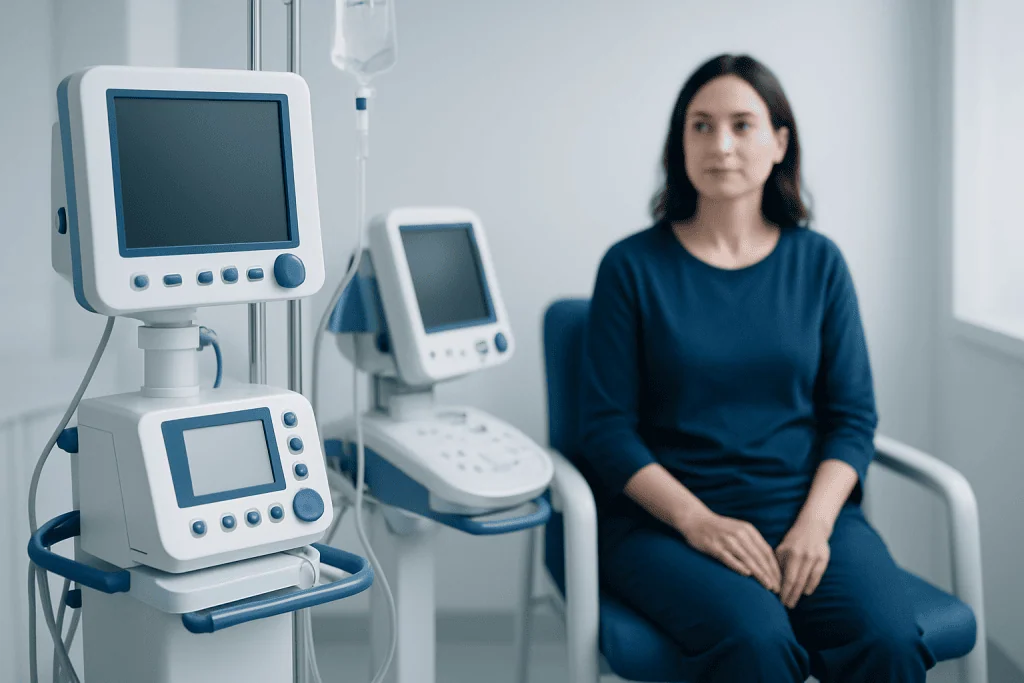
For some short-lived symptoms, a period of watchful waiting is reasonable. This usually applies when symptoms are mild, clearly improving, and not accompanied by red flags. Examples may include a minor sore throat with no breathing difficulty, mild nasal congestion, a simple tension headache that improves with rest, or muscle soreness after unaccustomed activity.
In these situations, self-care can be useful while symptoms are monitored. Rest, fluids, regular meals, sleep, and avoiding known triggers are often enough for the body to recover. For everyday complaints such as occasional indigestion, a brief period of simple measures may be appropriate before seeking care, provided there is no severe pain, vomiting blood, black stools, or unexplained weight loss.
Watchful waiting works best when it includes a clear time limit. A person might decide to monitor symptoms for a day or two, or for the expected course of a minor illness, and then seek help if there is no improvement. Being patient is safest when it is active and structured, not open-ended.
- Mild symptoms that are stable or improving
- No emergency warning signs
- No major underlying risk factors
- A clear plan for reassessment if symptoms continue
When Being Patient Can Be Risky

Waiting becomes risky when symptoms are severe, unexplained, worsening, or affecting basic functions such as breathing, walking, speaking, eating, or staying hydrated. Sudden symptoms deserve special attention because conditions like heart attack, stroke, severe infection, or internal bleeding may benefit from rapid treatment. In these situations, the safest choice is prompt medical assessment rather than hoping the problem will pass.
Some ongoing symptoms also should not be tolerated for long. Repeated abdominal pain, chronic cough, blood in the stool or urine, fainting, persistent fever, new neurological symptoms, or unexplained weight loss all need medical review. The same is true for symptoms that come and go but keep returning, especially if they are becoming more frequent or intense.
People with certain health conditions need a lower threshold for seeking help. Infants, older adults, pregnant people, and those with immunosuppression or chronic disease may become unwell more quickly or present with subtle symptoms. For example, chest pressure or shortness of breath may require evaluation for heart disease, while sudden weakness, facial drooping, or speech difficulty may suggest stroke.
How Doctors Decide Whether Waiting or Testing Is Better
Clinicians do not simply ask whether a symptom exists; they assess its pattern and context. They look at when it started, whether it is getting better or worse, associated symptoms, medical history, medications, and risk exposures. A mild symptom in a healthy person may be observed, while the same symptom in someone with significant risk factors may need immediate testing.
Physical examination and vital signs are often the first clues. Fever, low oxygen levels, abnormal heart rate, dehydration, or neurological changes can shift the decision away from watchful waiting. Depending on the complaint, doctors may recommend blood tests, imaging, heart tracing, or specialist evaluation. If digestive, neurological, or heart-related symptoms are suspected, assessment may include check-up and diagnostic services to identify the cause.
The goal is not to test every symptom, but to avoid missing serious illness. Good medical decision-making balances the likelihood of self-limited illness against the possibility of a condition that benefits from early treatment. This is why symptom duration, progression, and individual risk factors matter more than a symptom label alone.
Practical Self-Care While Monitoring Symptoms
If a person chooses to wait briefly for a mild symptom to improve, structured self-care is important. This may include rest, hydration, eating simple balanced meals, taking routine prescribed medications as directed, and avoiding alcohol or activities that worsen symptoms. It is also helpful to note the exact symptom, how often it occurs, and any triggers such as exertion, meals, stress, or lack of sleep.
A symptom diary can make medical visits more useful if care becomes necessary. Recording temperature, pain level, bowel changes, cough pattern, sleep disruption, or associated symptoms can help a doctor identify patterns. This is especially valuable for symptoms that are intermittent rather than constant.
Self-care should remain general and safe. It should not replace evaluation for severe or persistent problems, and it should not involve taking antibiotics without medical advice or relying heavily on unproven remedies. If symptoms raise concern for digestive, neurological, or circulatory causes, a doctor may direct further care such as gastroenterology evaluation or neurology assessment, depending on the symptom pattern.
When to Seek Medical Care
Medical care is needed urgently for symptoms such as chest pain, severe shortness of breath, blue lips, sudden confusion, fainting, seizures, severe allergic reaction, heavy bleeding, a serious head injury, or signs of stroke such as facial droop, arm weakness, or speech difficulty. These are not situations for waiting. Immediate evaluation can be critical.
Non-emergency medical care is appropriate when symptoms are persistent, recurrent, or interfering with work, sleep, eating, movement, mood, or normal activities. A person should also seek care if a symptom seems out of proportion to a known cause, if over-the-counter measures do not help, or if there is a history of chronic illness that may complicate recovery.
Parents and caregivers should be especially careful with children and older adults, who may not describe symptoms clearly. Dehydration, unusual sleepiness, confusion, poor feeding, or reduced urination can all signal a need for prompt review. If there is uncertainty, contacting a healthcare professional is safer than relying on prolonged observation alone.
A Balanced, Evidence-Based Mindset
The healthiest interpretation of being patient is not simply to endure symptoms. It is to respond calmly, observe carefully, use reasonable self-care, and seek help when symptoms cross a clear threshold. This avoids two common problems: overreacting to every minor symptom and underreacting to warning signs that deserve proper medical attention.
People often delay care because they are busy, worried about what a diagnosis might mean, or uncertain whether symptoms are important. Clear decision points can help: how severe is the symptom, how long has it lasted, is it getting worse, and does the person have risk factors? Answering these questions can make the next step more obvious.
For international patients who need evaluation, Acibadem International’s multidisciplinary specialists and JCI-accredited hospitals diagnose and treat a wide range of conditions with coordinated care. The most appropriate service depends on the symptoms involved, and consultation with a qualified doctor remains the safest way to decide whether being patient is appropriate or whether active treatment is needed.
Frequently asked questions
What does being patient mean in a health context?
In health care, being patient usually means giving mild, short-lived symptoms a limited time to improve while monitoring them carefully. It does not mean ignoring symptoms, delaying urgent care, or assuming every problem will resolve on its own.
How do people know whether to wait or see a doctor?
A useful guide is to consider severity, duration, progression, and personal risk factors. Mild symptoms that are improving may be observed briefly, but severe, persistent, worsening, or unexplained symptoms should be medically assessed.
What symptoms should never be ignored?
Chest pain, difficulty breathing, stroke symptoms, fainting, seizures, severe allergic reactions, heavy bleeding, and sudden confusion need urgent medical care. These symptoms can point to emergencies where early treatment matters.
Is it safe to wait if symptoms come and go?
Not always. Recurrent symptoms can still reflect an underlying condition, especially if they are becoming more frequent, more intense, or affecting daily life. A doctor can help determine whether intermittent symptoms are harmless or need further evaluation.
Can self-care replace medical treatment?
Self-care can support recovery from minor problems, but it should not replace proper medical advice for significant symptoms. If a person is unsure, has underlying health conditions, or is not improving, professional assessment is the safer choice.
Why do doctors sometimes recommend watchful waiting?
Watchful waiting is used when a condition is likely to improve without invasive testing or treatment and when there are no warning signs. It is usually paired with clear instructions about what changes should prompt follow-up or urgent care.
References
- World Health Organization
- Centers for Disease Control and Prevention
- National Institutes of Health
- MedlinePlus
- Mayo Clinic
This article is for general information only and is not a substitute for professional medical advice. Please consult a qualified doctor about your individual situation.
Explore treatments in Turkey — costs, top hospitals & a free quote
JCI-accredited · board-certified surgeons · reply within 24h
Add us as a Preferred Source to see more of our trusted health content across Google Search, AI Overviews and Discover.

More from the Health Library

Methimazole: What Patients Need to Know

Spotting — Explained by Medical Evidence, Not Myths

Cyproheptadine: An Evidence-Based Guide for Patients

Nose Bleed Causes: A Complete Medical Overview

Finger Condoms: A Complete Medical Overview