Spotting — Explained by Medical Evidence, Not Myths

Spotting means light vaginal bleeding or blood-stained discharge outside a usual period. Common causes include hormonal changes, birth control, ovulation, early pregnancy, and infections.
Key Takeaways
- Spotting means light vaginal bleeding or blood-stained discharge outside a usual period.
- Common causes include hormonal changes, birth control, ovulation, early pregnancy, and infections.
- Heavy bleeding, severe pain, dizziness, or spotting during pregnancy should be assessed promptly.
- Diagnosis depends on age, symptoms, cycle pattern, medications, and sometimes pelvic exam, lab tests, or imaging.
- Treatment focuses on the underlying cause and may range from observation to medication or procedures.
Spotting is light vaginal bleeding that happens outside a normal menstrual period or is much lighter than a usual period. It is often related to hormones, contraception, ovulation, or pregnancy, but sometimes it can point to infection, structural conditions, or other medical issues that deserve evaluation.
What spotting means
Spotting is light vaginal bleeding that appears outside the expected time of a regular menstrual period, or bleeding so light that it shows as a few drops, streaks, or brown or pink discharge rather than a full flow. In many cases, spotting is temporary and linked to normal hormonal shifts, such as ovulation or changes related to contraception. However, because it can also happen with infection, pregnancy-related conditions, thyroid problems, polyps, or other gynecologic disorders, the pattern and accompanying symptoms matter.
Medical evaluation focuses less on the word itself and more on context: when the bleeding happens, how often it occurs, whether it is new or recurrent, and whether there are other symptoms such as pelvic pain, fever, unusual discharge, missed periods, or bleeding after sex. This evidence-based approach helps separate common, benign causes from situations that need testing.
Spotting is not a diagnosis on its own. It is a symptom with many possible explanations, and age, pregnancy status, medications, and menstrual history all help guide what it may mean. A person who is unsure whether bleeding is spotting or a period can track timing, color, amount, and associated symptoms for a few cycles to support a more accurate assessment.
How spotting can look and feel
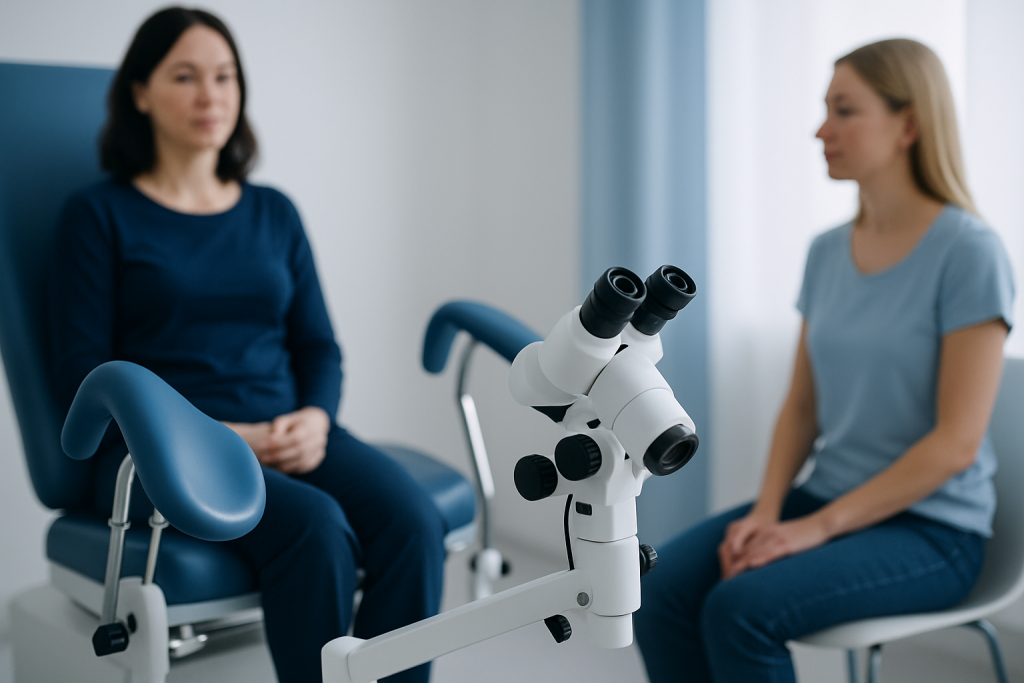
Spotting is usually much lighter than a period. It may appear as pink, red, rust-colored, or brown discharge and may only be visible on underwear, toilet paper, or a panty liner. Some people notice it for a few hours, while others have light bleeding for a day or two. The amount is typically small and does not resemble a normal menstrual flow.
Some episodes occur without any other symptoms. Others are accompanied by mild cramping, breast tenderness, bloating, or changes in vaginal discharge depending on the cause. For example, ovulation spotting may come with one-sided pelvic discomfort, while irritation or infection may be associated with burning, odor, or pain during sex.
Certain patterns are especially important to note:
- Bleeding between regular periods
- Bleeding after sex
- Bleeding after menopause
- Spotting after starting or changing birth control
- Spotting with a missed period or positive pregnancy test
- Repeated spotting that lasts for several cycles
Keeping a simple record of dates, flow, pain, intercourse, and medicines can help a clinician determine whether spotting likely reflects hormones, pregnancy-related change, infection, or a structural problem in the uterus or cervix.
Common causes and risk factors
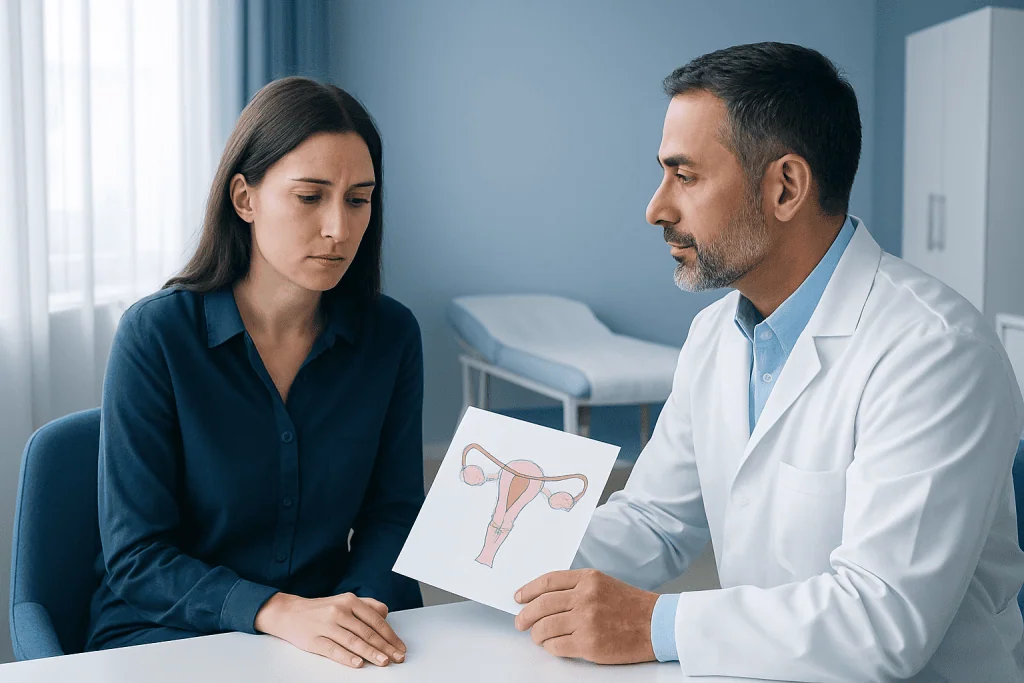
Hormonal fluctuation is one of the most common causes of spotting. This can happen around ovulation, during the first months after starting birth control pills, with hormonal intrauterine devices, or during perimenopause when cycles become less predictable. Stress, significant weight change, intense exercise, and illnesses that affect hormone balance may also contribute.
Pregnancy-related causes are another major consideration. Light bleeding may occur around the time a fertilized egg implants, but spotting in pregnancy should not automatically be assumed to be harmless. It can also occur with miscarriage, ectopic pregnancy, or irritation of the cervix. For anyone who could be pregnant, a pregnancy test is often an early step in evaluation, especially if a period is late.
Infections and inflammation can lead to spotting as well. Cervicitis, sexually transmitted infections, vaginal infections, and irritation of the cervix can cause light bleeding, especially after sex. Structural issues such as uterine polyps, fibroids, adenomyosis, or cervical changes may also cause irregular bleeding. Some of these overlap with abnormal uterine bleeding, which is the broader medical term for bleeding that differs in timing, amount, or duration from what is expected.
Less commonly, spotting may be linked to thyroid disease, clotting disorders, liver disease, or medications such as blood thinners. Bleeding after menopause always deserves medical review because the range of causes includes thinning of the vaginal tissues, polyps, and changes in the uterine lining. People with a history of irregular cycles, polycystic ovary syndrome, recent contraceptive changes, smoking, or sexually transmitted infection exposure may have higher risk of recurrent spotting.
Spotting during pregnancy and after menopause
Spotting in pregnancy is common enough to be recognized, but it still needs careful interpretation. Light bleeding in early pregnancy can happen for relatively minor reasons, including cervical irritation or implantation-related bleeding. At the same time, bleeding can also be a warning sign of miscarriage or an ectopic pregnancy, which is a pregnancy outside the uterus and needs urgent medical attention.
Any spotting in pregnancy should be assessed in the context of timing and symptoms. Bleeding with one-sided pain, severe cramps, shoulder pain, faintness, or heavier flow requires prompt care. Obstetric evaluation may include examination, blood testing, and ultrasound to confirm where the pregnancy is and whether it is developing as expected. In some situations, specialists may investigate conditions such as ectopic pregnancy without delay.
After menopause, vaginal bleeding is never considered a normal period because menstruation has already stopped. Even a small amount of pink or brown spotting should be discussed with a doctor. Common causes include thinning of the vaginal or uterine tissues due to low estrogen, polyps, or medication effects, but the uterine lining may also need to be checked.
Postmenopausal spotting is usually evaluated with pelvic examination and imaging, often including pelvic ultrasound, and sometimes tissue sampling of the uterine lining. Early assessment helps identify treatable causes and provides reassurance when the findings are benign.
How doctors diagnose the cause
Diagnosis starts with a detailed history. A clinician will usually ask about age, last menstrual period, pregnancy possibility, birth control use, sexual activity, pain, discharge, medications, and whether the bleeding is related to exercise or intercourse. The timing of spotting in relation to the menstrual cycle often gives important clues.
A pelvic exam may be recommended to look for cervical irritation, infection, vaginal tears, polyps, or other visible causes. Depending on the situation, laboratory tests may include a pregnancy test, blood counts if there is concern about anemia, hormone-related tests such as thyroid function, and infection testing when discharge, pelvic pain, or exposure risk is present.
Imaging may be useful when bleeding is recurrent, unexplained, or associated with pain or a suspected uterine problem. Ultrasound can help assess the uterus, ovaries, endometrial lining, fibroids, or ovarian cysts. In selected cases, doctors may advise hysteroscopy or endometrial sampling, especially in postmenopausal bleeding or when the uterine lining needs closer evaluation.
Diagnosis is individualized. A teenager with new birth control, a pregnant patient with cramps, and a postmenopausal patient with one episode of spotting each require a different level of urgency and a different test strategy. The goal is to identify whether the bleeding reflects a normal physiologic change, a temporary hormonal effect, or a condition that needs treatment.
Treatment options and what may help
Treatment depends on the cause rather than the symptom alone. If spotting is linked to a recent contraceptive change, a doctor may recommend watchful waiting because breakthrough bleeding often settles as the body adjusts. If a medication is contributing, a clinician may review whether it can be changed safely. When the cause is hormonal, management may involve adjusting contraception or evaluating underlying endocrine issues.
If infection is found, treatment is directed at the infection and any partners may also need assessment depending on the diagnosis. Structural causes such as cervical or uterine polyps, fibroids, or changes in the uterine lining may need targeted treatment. For some patients, this includes procedures performed after imaging and specialist review, such as hysteroscopy to inspect the inside of the uterus and treat certain causes of abnormal bleeding.
Pregnancy-related spotting is treated according to the diagnosis. Some cases only need monitoring and follow-up; others need urgent intervention. If the bleeding pattern is part of a broader problem such as abnormal uterine bleeding, treatment may involve medication, further imaging, or procedures tailored to age, fertility plans, and the underlying condition.
Self-care while waiting for assessment can include using pads rather than tampons if bleeding is unusual, staying hydrated, avoiding self-started hormone remedies, and seeking advice before stopping prescribed medication. Acibadem International’s multidisciplinary specialists at JCI-accredited hospitals diagnose and treat gynecologic and pregnancy-related causes of spotting for international patients when specialist evaluation is needed.
When to seek medical care
Many episodes of spotting are not emergencies, but certain situations should not be ignored. Prompt medical advice is recommended if spotting is recurrent, happens after sex, follows menopause, or appears together with unusual discharge, pelvic pain, or fever. Evaluation is also appropriate if spotting continues for more than a few cycles or if the cause is not clear.
Urgent care is important if there is a possibility of pregnancy and spotting occurs with pain, dizziness, fainting, shoulder pain, or heavier bleeding. These symptoms can occur with miscarriage or ectopic pregnancy and should be assessed quickly. Heavy bleeding that soaks pads, bleeding with severe abdominal pain, or signs of weakness and shortness of breath also require prompt attention.
A practical guide is to seek medical review when spotting is new, persistent, or different from the usual pattern. Early assessment can often identify simple explanations, but it also helps detect less common conditions before they become more serious.
Frequently asked questions
Is spotting the same as a period?
No. Spotting is usually much lighter than a menstrual period and may appear as a few drops of pink, red, or brown blood. A period generally has a heavier, more sustained flow and follows a more predictable pattern.
Can spotting be normal?
Yes, spotting can be normal in some situations, such as around ovulation or during the first months after starting hormonal birth control. It can also happen temporarily with stress or cycle changes. However, persistent or unexplained spotting should be discussed with a doctor.
Does spotting mean pregnancy?
Not always. Spotting can happen in early pregnancy, but it also has many non-pregnancy causes, including hormonal changes, infections, and cervical or uterine conditions. If pregnancy is possible, a pregnancy test and medical advice can help clarify the cause.
When is spotting during pregnancy concerning?
Spotting in pregnancy should be taken more seriously if it comes with cramping, one-sided pain, shoulder pain, dizziness, fainting, or heavier bleeding. These features can suggest miscarriage or ectopic pregnancy. Even light bleeding in pregnancy is worth discussing with a clinician.
Why do I get spotting after sex?
Bleeding after sex can happen from vaginal dryness, irritation, inflammation of the cervix, infection, or cervical or uterine polyps. Because there are several possible causes, recurrent post-sex spotting should be evaluated rather than assumed to be harmless.
Should spotting after menopause be checked?
Yes. Any bleeding after menopause should be assessed by a doctor, even if it is very light. Common causes are often treatable, but the uterine lining may need evaluation to rule out more significant problems.
This article is for general information only and is not a substitute for professional medical advice. Please consult a qualified doctor about your individual situation.
IVF & fertility treatment in Turkey — success rates and costs
JCI-accredited · board-certified surgeons · reply within 24h
Add us as a Preferred Source to see more of our trusted health content across Google Search, AI Overviews and Discover.
Check your numbers in seconds
BMI, calories, due date, blood pressure and 30+ more clinical calculators — free, instant, doctor-reviewed ranges.

More from the Health Library

Types of Feet: A Complete Medical Overview

Rhizotomy: What Patients Need to Know

Arachnophobia: What Patients Need to Know

Buspirone — Explained by Medical Evidence, Not Myths

Albuterol Sulfate — Explained by Medical Evidence, Not Myths