Types of Feet: A Complete Medical Overview

Common types of feet are described by arch height, toe shape, foot width, and alignment. Many foot types are normal and do not need treatment unless they cause pain, instability, or skin problems.
Key Takeaways
- Common types of feet are described by arch height, toe shape, foot width, and alignment.
- Many foot types are normal and do not need treatment unless they cause pain, instability, or skin problems.
- Foot structure can influence balance, pressure distribution, athletic performance, and shoe choice.
- Persistent pain, swelling, numbness, or progressive deformity should be assessed by a qualified clinician.
- Supportive footwear, activity modification, and targeted exercises can often improve symptoms.
Types of feet usually refer to natural differences in foot shape, arch height, toe pattern, and alignment. Most variations are normal, but some can affect comfort, walking mechanics, shoe fit, or the risk of pain and overuse problems.
Overview: What Are the Main Types of Feet?
The phrase types of feet usually describes the different ways feet vary in shape and function. In clinical practice, doctors often look at several features rather than placing every person into a single category. These features include arch height, foot width, toe length pattern, heel alignment, flexibility, and how the foot moves during walking.
Most foot types are simply normal anatomical variations. For example, some people naturally have low arches, some have high arches, and others fall somewhere in between. Toe patterns also differ, with a longer big toe in some people and a longer second toe in others. These differences are common and often harmless.
What matters medically is whether a particular foot structure leads to symptoms. Certain shapes can make it more likely that pressure builds up in specific areas, shoes fit poorly, or the foot moves inefficiently. This can contribute to calluses, fatigue, instability, or conditions such as bunions, heel pain, or tendon strain.
A practical way to understand types of feet is to group them into three broad categories:
- Arch types: low arches, neutral arches, and high arches
- Toe patterns: big-toe dominant, second-toe dominant, or more even toe length
- Structural or alignment differences: wide or narrow feet, flexible or rigid feet, and inward or outward heel alignment
How Doctors Classify Foot Shape and Structure
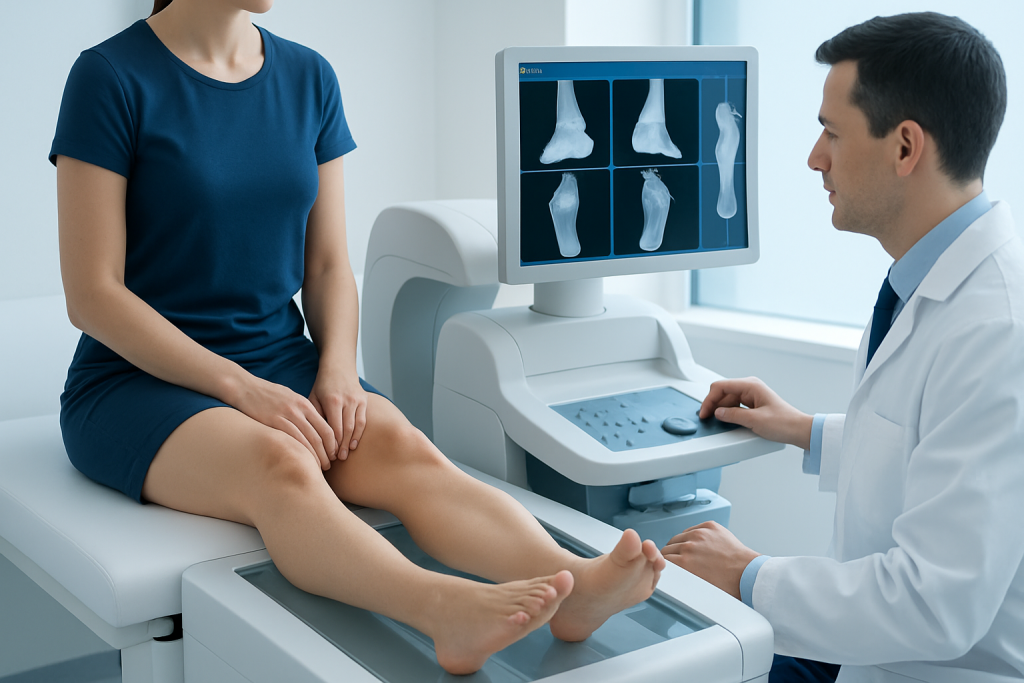
Foot structure is more complex than appearance alone. A foot that looks flat while standing may form a normal arch when sitting or rising onto the toes. This is called a flexible flat foot. By contrast, a rigid flat or high-arched foot may not change shape much with movement and may deserve closer medical evaluation.
Arch height is one of the most discussed classifications. A neutral arch generally distributes weight efficiently across the heel, midfoot, and forefoot. A low arch or flat foot allows more of the sole to contact the ground. A high arch places more pressure on the heel and the ball of the foot, sometimes reducing shock absorption.
Toe pattern is another visible feature. Common descriptions include an “Egyptian” pattern, where the big toe is longest; a “Greek” pattern, where the second toe is longest; and a “Roman” pattern, where the first few toes are similar in length. These names are descriptive rather than medical diagnoses, but toe shape can influence pressure points, nail problems, and shoe comfort.
Clinicians also assess how the foot functions during walking. Excess inward rolling, often called overpronation, or limited motion that keeps the foot relatively rigid, can change how force travels through the ankles, knees, hips, and lower back. This functional view is often more useful than appearance alone when symptoms are present.
Common Foot Types and What They May Mean

Flat feet have low or absent arches when standing. Some people with flat feet have no symptoms at all. Others may develop tired feet, ankle strain, or aching after long periods of walking or standing. In children, flexible flat feet are often a normal finding. In adults, new or worsening flatness may sometimes be linked to tendon problems or arthritis.
High-arched feet place more body weight on the heel and forefoot. This can make a person more prone to pressure-related discomfort, calluses, and instability on uneven ground. A very high arch may sometimes be associated with neurological or inherited conditions, especially if it is progressive, affects both feet in a marked way, or is accompanied by weakness.
Neutral feet usually have a moderate arch and balanced movement pattern. Even so, people with neutral feet can still develop overuse injuries if footwear is poor, training changes too quickly, or another problem such as tight calf muscles changes foot mechanics.
Other commonly recognized patterns include wide feet, narrow feet, bunion-prone feet, and feet with hammertoes or clawing of the smaller toes. These are not always separate “types,” but they can strongly affect comfort and function. For example, a person with bunion changes may also have a flat or flexible foot pattern. If pain develops around the base of the big toe, a clinician may assess for bunion-related deformity.
Symptoms and Problems Linked to Different Types of Feet
Many people notice their foot type only when buying shoes or seeing footprints on a wet surface. However, certain foot structures are more likely to cause symptoms, particularly with sports, long standing hours, weight gain, or aging. Symptoms may come from soft-tissue strain, pressure points, joint stress, or changes in alignment higher up the leg.
Possible symptoms include aching in the arch, heel, toes, or ankle; burning or fatigue after walking; recurrent blisters or calluses; stiffness; and reduced balance. Some people also develop knee, hip, or lower-back discomfort because altered foot mechanics can affect the whole chain of movement.
Different patterns can be linked with different complaints. Low arches may be associated with strain on the inside of the ankle or heel pain. High arches can contribute to forefoot pain, ankle instability, and recurrent stress injuries. Toe crowding may lead to corns, nail irritation, or worsening toe deformities.
One common overuse issue is pain under or behind the heel, especially in the morning or after rest. This may be related to altered load through the arch and plantar fascia. If symptoms match this pattern, doctors may also consider plantar fasciitis.
Causes and Risk Factors
Foot type is influenced by genetics, age, connective tissue flexibility, muscle balance, previous injury, and certain medical conditions. Many people are simply born with a tendency toward lower arches, higher arches, broader forefeet, or a particular toe pattern. These inherited traits often remain stable over time.
Life stages and health conditions can also change the feet. Pregnancy, weight changes, prolonged standing, and aging may alter ligament support and pressure distribution. Tendon dysfunction, inflammatory arthritis, diabetes-related nerve changes, and old fractures can all contribute to structural differences or progression of deformity.
Footwear plays an important supporting role. Narrow toe boxes, very unsupportive shoes, or footwear that does not match a person’s arch and width can aggravate symptoms, although shoes alone do not usually create a true foot type. Training errors, especially sudden increases in running or impact activity, can expose a mismatch between foot mechanics and tissue capacity.
Clinicians also look at calf tightness, leg alignment, joint laxity, and muscle strength. The feet do not work in isolation. Tight Achilles tendons, weak intrinsic foot muscles, or altered hip control may increase stress on an already sensitive foot shape and contribute to pain patterns such as tendon irritation or overuse injury.
How Foot Types Are Evaluated and Diagnosed
A medical evaluation starts with symptoms, activity level, past injuries, footwear habits, and the timing of discomfort. The clinician will usually inspect the foot while sitting, standing, and walking. This helps distinguish a flexible variation from a more rigid structural problem.
Physical examination may include checking arch height, heel position, toe alignment, areas of tenderness, range of motion, muscle strength, and the wear pattern on shoes. Standing on tiptoes, balancing on one leg, or walking barefoot can reveal whether tendons and joints are functioning normally. In some cases, a gait assessment is especially helpful.
Imaging is not always necessary for simple, symptom-free variations. However, X-rays may be used if there is deformity, arthritis, trauma, or chronic pain. Ultrasound or MRI may be considered when tendon injury, ligament damage, or stress injury is suspected.
If symptoms are persistent or severe, specialist assessment may be recommended. This is particularly true when structural issues overlap with pain in the ankle or lower leg and conservative care has not helped. Depending on the findings, treatment planning may involve orthopedic evaluation and, when walking mechanics need detailed review, physical therapy and rehabilitation.
Treatment, Footwear, and Self-care
Treatment depends on symptoms rather than appearance alone. A person with an unusual-looking foot but no pain may need nothing more than well-fitting shoes and routine observation. When discomfort is present, first-line care often includes changing footwear, reducing aggravating activities for a short time, and adding targeted exercises.
Supportive shoes with an appropriate toe box, cushioning, and stable heel counter can help many people. Some benefit from over-the-counter insoles, while others need custom orthotic devices designed for pressure relief or alignment support. Soft tissue symptoms may improve with calf stretching, foot muscle strengthening, balance exercises, and gradual return to activity.
Medical treatment may be needed for related problems such as bunions, tendon inflammation, stress injuries, or skin breakdown. Weight management, diabetes foot care, and treatment of inflammatory conditions can also be important parts of care. Surgery is generally reserved for persistent pain, progressive deformity, or loss of function when conservative options are not enough.
For selected patients with severe deformity or structural instability, surgical care may be discussed by foot and ankle specialists. This is individualized and based on symptoms, imaging, and function rather than foot shape alone. In complex cases, clinicians may also consider orthopedic surgery as part of a broader care plan.
When to Seek Medical Care
Most types of feet do not require urgent attention. Still, medical advice is recommended if foot shape is associated with ongoing pain, repeated ankle sprains, swelling, numbness, skin ulcers, or difficulty walking. A person should also seek assessment if one foot changes shape noticeably, if a child has rigid rather than flexible flat feet, or if high arches are accompanied by weakness or frequent falls.
Prompt evaluation is also sensible after trauma, with sudden inability to bear weight, or when redness, warmth, or fever suggests infection. People with diabetes, poor circulation, or reduced sensation should not ignore pressure marks, blisters, or wounds, because these can worsen without causing much pain.
Early assessment can often prevent a minor mechanical issue from becoming a persistent problem. A doctor can help determine whether a foot variation is simply normal anatomy or part of a treatable condition. Near the end of the care pathway, patients who need coordinated specialist input may seek evaluation at centers such as Acibadem International, where multidisciplinary specialists in JCI-accredited hospitals diagnose and treat foot and ankle conditions for international patients.
In general, the best time to ask for help is when symptoms begin to limit daily life, exercise, work, or sleep. Timely guidance on footwear, rehabilitation, and further testing can make management more effective and more comfortable.
Frequently asked questions
What are the main types of feet?
The main types of feet are usually described by arch height: flat feet, neutral arches, and high arches. Doctors may also classify feet by toe pattern, width, flexibility, and alignment because these features can affect comfort and walking mechanics.
Are flat feet always a problem?
No. Many people with flat feet have no pain and need no treatment. Flat feet become medically important when they cause fatigue, pain, instability, or a change in function over time.
Can high arches cause pain?
Yes, they can. High arches may concentrate pressure on the heel and forefoot, which can contribute to calluses, ankle instability, or overuse discomfort. If pain is persistent, a clinical assessment can help identify the exact cause.
Do different toe shapes mean something is wrong?
Usually not. Variations such as a longer second toe or a more even toe line are common and often normal. They may matter only if they create pressure points, shoe-fit problems, or nail and skin irritation.
How can someone tell what foot type they have?
A rough idea can come from looking at arch height when standing, noticing toe shape, and paying attention to shoe wear patterns. However, a clinician can assess foot type more accurately by examining the foot in motion and checking flexibility, alignment, and strength.
What shoes are best for different types of feet?
The best shoes are those that match the person’s width, activity, and support needs rather than a trend or brand alone. In general, a stable heel, enough toe room, and appropriate cushioning are helpful, but some people also benefit from insoles or orthotics.
When should foot type be checked by a doctor?
Medical advice is appropriate if there is persistent pain, swelling, numbness, repeated sprains, skin breakdown, or a changing foot shape. Children with stiff feet and adults with sudden or progressive deformity should also be evaluated.
This article is for general information only and is not a substitute for professional medical advice. Please consult a qualified doctor about your individual situation.
Explore treatments in Turkey — costs, top hospitals & a free quote
JCI-accredited · board-certified surgeons · reply within 24h
Add us as a Preferred Source to see more of our trusted health content across Google Search, AI Overviews and Discover.

More from the Health Library

Chordee — Explained by Medical Evidence, Not Myths

Dandelion Wine: A Complete Medical Overview

Mentally Exhausted — Explained by Medical Evidence, Not Myths

Hib Vaccine: A Complete Medical Overview

Pericardial Constriction and Its Effects on Heart Filling