Hib Vaccine: A Complete Medical Overview

The hib vaccine prevents invasive Haemophilus influenzae type b disease, not seasonal influenza. It is routinely given in infancy and early childhood as part of standard immunization schedules.
Key Takeaways
- The hib vaccine prevents invasive Haemophilus influenzae type b disease, not seasonal influenza.
- It is routinely given in infancy and early childhood as part of standard immunization schedules.
- Most side effects are mild, such as temporary soreness, redness, or low-grade fever.
- Children with certain health conditions and some adults with special risk factors may also need Hib vaccination.
- Timely vaccination is one of the most effective ways to reduce the risk of severe Hib infection.
The hib vaccine protects against Haemophilus influenzae type b, a bacterium that can cause severe infections such as meningitis, pneumonia, and bloodstream infection. It is a routine childhood vaccine and is also recommended for some older children and adults with specific medical risks.
Overview of the Hib Vaccine
The hib vaccine helps protect against Haemophilus influenzae type b, often shortened to Hib. This bacterium can cause serious invasive infections, especially in babies and young children. Before routine vaccination became widespread, Hib was a leading cause of bacterial meningitis and other severe childhood infections in many countries.
Despite its name, Hib is not the same as influenza, or “the flu.” Influenza is caused by a virus, while Hib disease is caused by bacteria. The hib vaccine is designed specifically to prevent infections caused by type b strains of Haemophilus influenzae, not to prevent viral flu illnesses.
Today, the hib vaccine is considered a standard part of childhood immunization in many parts of the world. It has greatly reduced the number of severe Hib infections. For families, this means an important layer of protection against illnesses that can progress quickly and require urgent hospital care.
What Diseases Does the Hib Vaccine Prevent?
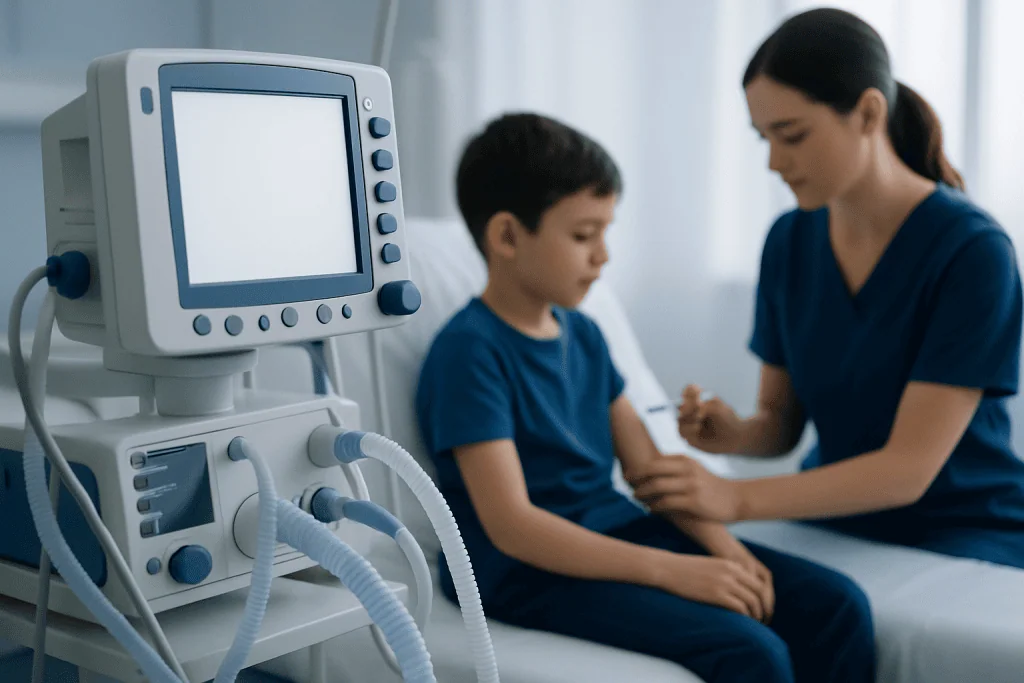
Hib can invade parts of the body that are normally sterile, such as the blood, brain, spinal fluid, lungs, joints, and tissues of the throat. When this happens, it can lead to invasive disease, which may become serious very quickly. The hib vaccine lowers the risk of these complications by helping the immune system recognize and fight the bacteria.
Conditions linked to Hib infection can include:
- Meningitis, an infection of the tissues surrounding the brain and spinal cord
- Pneumonia, a lung infection
- Bacteremia or septicemia, meaning infection in the bloodstream
- Epiglottitis, severe swelling near the airway that can make breathing difficult
- Bone, joint, skin, or soft-tissue infections
Although invasive Hib disease is now much less common where vaccination rates are high, it has not disappeared completely. People who are unvaccinated, incompletely vaccinated, or medically vulnerable can still develop these infections. In clinical practice, serious conditions such as meningitis or severe pneumonia may prompt doctors to investigate bacterial causes including Hib, especially in young children or people with weakened immune defenses.
Who Should Get the Hib Vaccine and When?

The hib vaccine is mainly recommended for infants and young children. Exact timing can vary depending on the brand used and the national immunization schedule, but it is commonly given as a series starting in early infancy, followed by a booster dose in the second year of life. Parents are usually advised to follow the schedule recommended by their child’s doctor or local public health authority.
Some children who start vaccination late may need a catch-up schedule. The number of doses depends on the child’s age at the time vaccination begins. In general, younger infants need more doses than older children because their immune systems require a series to build strong and lasting protection.
Although Hib vaccination is not routinely needed for healthy older children and most adults, some people outside the usual infant schedule may still benefit. This can include individuals with certain immune system problems, people without a functioning spleen, or those preparing for or recovering from procedures such as bone marrow transplant. In these situations, a doctor can decide whether Hib vaccination is appropriate.
How the Hib Vaccine Works
The hib vaccine is a conjugate vaccine. This means it contains a purified part of the Hib bacterium linked to a carrier protein. That combination helps the immune system, especially in infants, respond more effectively than it would to the bacterial component alone.
After vaccination, the body develops immune memory. If the vaccinated person is later exposed to Hib bacteria, the immune system is more prepared to recognize the organism and respond before it causes severe disease. This is why vaccination can reduce the risk of invasive infection even though it does not guarantee that every infection will be prevented.
The hib vaccine may be given as a standalone vaccine or as part of a combination vaccine that also protects against other diseases. Combination vaccines can reduce the number of separate injections while still following recommended immunization schedules. A healthcare professional can explain which product is being used and how it fits into the child’s vaccine plan.
Safety, Side Effects, and When Vaccination May Be Delayed
The hib vaccine has a strong safety record and is widely used in childhood immunization programs. As with many vaccines, the most common side effects are mild and short-lived. These often include pain, redness, or swelling at the injection site, along with fussiness, tiredness, or a mild fever.
Serious allergic reactions are rare, but they require urgent medical attention. A child or adult should not receive another dose if they previously had a severe allergic reaction to a Hib vaccine component or to a prior Hib dose. Vaccination may also be postponed if the person is moderately or severely unwell at the time of the appointment, although a minor illness such as a mild cold is not always a reason to delay.
Parents often worry about whether it is normal for children to be uncomfortable after a vaccine. Mild symptoms that improve within a short time are expected in some children. However, any severe reaction, persistent high fever, unusual lethargy, breathing difficulty, or symptoms that concern the family should be discussed with a doctor promptly.
Who Is at Higher Risk for Serious Hib Infection?
Babies and young children are the main group at risk for invasive Hib disease, particularly if they are too young to be fully vaccinated or if they missed recommended doses. Their immune systems are still developing, which makes protection through timely immunization especially important.
Some medical conditions can increase vulnerability to severe bacterial infections. These include problems affecting the spleen, inherited or acquired immune deficiencies, certain cancer treatments, and states of significant immune suppression. In these patients, doctors may review vaccine history carefully and may also consider broader infectious disease evaluation when symptoms suggest a serious illness.
In people with fever, breathing symptoms, or signs of severe infection, doctors may use exams, blood tests, cultures, or imaging to look for complications such as lung infection or systemic spread. Depending on the situation, evaluation may involve pediatric assessment and, if respiratory symptoms are significant, respiratory evaluation to identify the cause and guide treatment.
Prevention, Self-Care, and Keeping Vaccines on Schedule
The best way to prevent Hib disease is to complete the recommended hib vaccine series on time. Families can help by keeping an updated immunization record, attending routine well-child visits, and asking about catch-up vaccines if any doses were missed. Public health programs and pediatric care teams often provide schedules that make it easier to track upcoming vaccinations.
For children who have mild soreness or low-grade fever after vaccination, simple supportive care is usually enough. This may include rest, fluids, and comfort measures advised by a healthcare professional. Medicine for fever or pain should only be used according to a clinician’s guidance, especially in infants.
General infection-prevention habits also support health, although they do not replace vaccination. These include regular handwashing, avoiding close contact with people who are acutely ill when possible, and seeking medical advice when a child seems unusually unwell. Near the end of the care pathway, some families may seek support from centers such as Acibadem International, where multidisciplinary specialists in JCI-accredited hospitals diagnose and treat infectious and pediatric conditions for international patients.
When to Seek Medical Care
Medical advice should be sought if a child misses vaccine doses, has a condition that may affect the immune system, or if there are questions about whether the hib vaccine is due. A doctor can review the immunization record, recommend catch-up vaccination if needed, and explain any special considerations related to age or health status.
Urgent medical care is important if a child or adult develops signs of possible serious infection. Warning signs can include high fever, unusual sleepiness, severe irritability, trouble breathing, stiff neck, seizures, poor feeding, bluish skin color, or rapid worsening of symptoms. These symptoms do not always mean Hib disease, but they should be assessed promptly.
Immediate emergency care is also needed after vaccination if there are symptoms of a severe allergic reaction, such as facial swelling, wheezing, difficulty breathing, or collapse. While these reactions are rare, quick treatment is essential.
Frequently asked questions
What is the hib vaccine used for?
The hib vaccine is used to protect against infection caused by Haemophilus influenzae type b. It helps prevent serious illnesses such as meningitis, bloodstream infection, pneumonia, and epiglottitis, especially in young children.
Is the hib vaccine the same as the flu vaccine?
No. The hib vaccine protects against a bacterium called Haemophilus influenzae type b, while the flu vaccine protects against influenza viruses. The similar names can be confusing, but they prevent different infections.
At what age is the hib vaccine usually given?
The hib vaccine is usually given during infancy, starting in the first months of life, followed by additional doses and a booster depending on the vaccine product and local schedule. A pediatrician or vaccination clinic can confirm the exact timing for a child.
What are common hib vaccine side effects?
Common side effects are usually mild and may include redness, swelling, or soreness where the shot was given. Some children may also have fussiness, sleepiness, or a mild fever that resolves within a short time.
Can adults get the hib vaccine?
Most healthy adults do not need routine Hib vaccination. However, some adults with special medical risks, such as certain immune conditions or absence of spleen function, may be advised to receive it.
What happens if a child misses a hib vaccine dose?
A missed dose does not usually mean the series has to be started over. A doctor can create a catch-up schedule based on the child’s age and previous doses so protection can still be completed safely.
This article is for general information only and is not a substitute for professional medical advice. Please consult a qualified doctor about your individual situation.
Explore treatments in Turkey — costs, top hospitals & a free quote
JCI-accredited · board-certified surgeons · reply within 24h
Add us as a Preferred Source to see more of our trusted health content across Google Search, AI Overviews and Discover.

More from the Health Library

Pepsinogen: A Complete Medical Overview

Conception: A Complete Medical Overview

Scarlet Fever: A Complete Medical Overview

Cyst of Ganglion: What Patients Need to Know

Dpt: An Evidence-Based Guide for Patients

Tacrolimus: An Evidence-Based Guide for Patients
Infectious Diseases & Clinical Microbiology Specialists at Acibadem

Dr. Hakan Kutlu
Infectious Diseases & Clinical Microbiology
Dr. Hande Aygün
Infectious Diseases & Clinical Microbiology
Asst. Prof. Dr. Hülya Kuşoğlu
Infectious Diseases & Clinical Microbiology
Prof. Dr. İftahar Köksal
Infectious Diseases & Clinical Microbiology