Conception: A Complete Medical Overview

Conception begins when a sperm fertilizes an egg, but pregnancy is established after implantation in the uterus. Timing around ovulation is one of the most important factors affecting conception.
Key Takeaways
- Conception begins when a sperm fertilizes an egg, but pregnancy is established after implantation in the uterus.
- Timing around ovulation is one of the most important factors affecting conception.
- Age, hormone balance, sperm quality, and reproductive health can all influence fertility.
- Difficulty conceiving is common and may affect either partner or both.
- Medical evaluation can help identify causes of delayed conception and guide treatment.
Conception is the biological process in which a sperm fertilizes an egg, creating an embryo and starting a pregnancy. It depends on several steps happening in the right order, including ovulation, sperm transport, fertilization, and implantation.
Overview: what conception means
Conception is the process that starts a pregnancy. In everyday use, it usually refers to fertilization, when a sperm joins with an egg. In medical terms, however, a successful pregnancy also requires the fertilized egg to travel to the uterus and implant in the uterine lining.
For conception to happen, several steps must work together. An ovary must release a mature egg, sperm must reach the egg in the fallopian tube, fertilization must occur, and the resulting embryo must continue developing as it moves toward the uterus. If implantation does not happen, pregnancy does not continue.
This process is influenced by timing, age, hormone function, and the health of both reproductive systems. Because conception depends on many linked events, a delay does not always mean there is a serious problem. Still, understanding how conception works can help people recognize normal fertility patterns and know when to seek medical advice.
How conception happens step by step
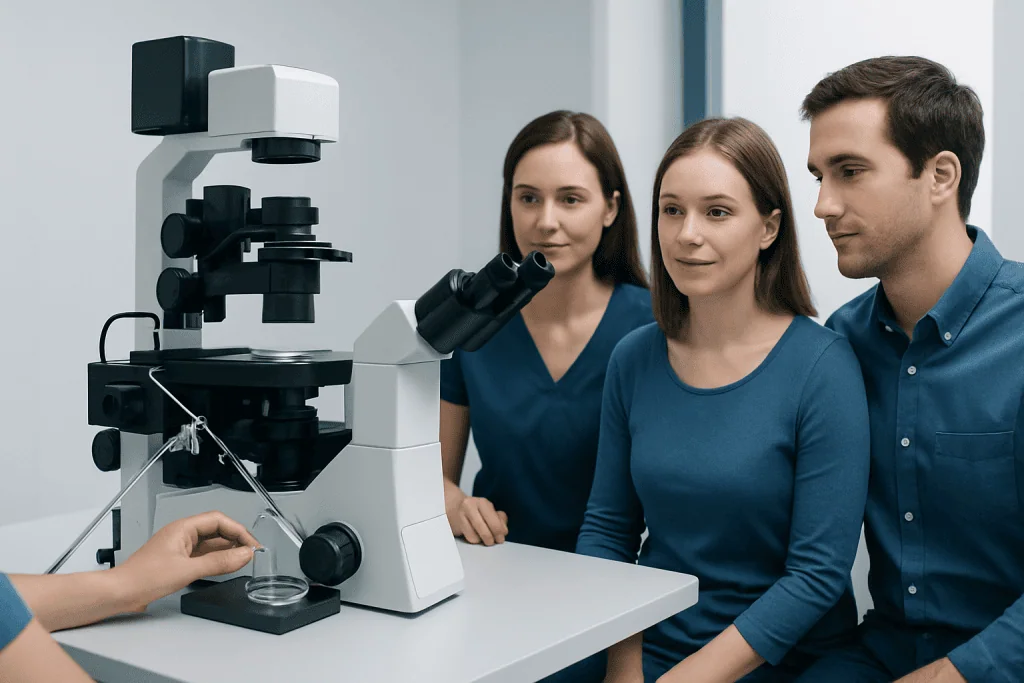
Conception usually begins with ovulation. During ovulation, one ovary releases an egg, which enters a fallopian tube. The egg survives for a relatively short time, so intercourse or insemination needs to occur close to ovulation for fertilization to be possible.
Sperm can survive in the female reproductive tract for several days under the right conditions. After ejaculation, sperm travel through the cervix and uterus into the fallopian tubes. If one sperm successfully penetrates the egg, fertilization occurs and a single-cell embryo is formed.
The embryo then begins dividing as it travels toward the uterus. About several days later, it may implant into the uterine lining. Implantation is what allows the body to begin sustaining the pregnancy through hormonal changes, including the production of human chorionic gonadotropin, the hormone detected by pregnancy tests.
Because these stages happen over time, conception is not always tied to one exact moment that can be easily identified. A person may ovulate, be fertilized, and implant on different days, which is why cycle tracking and early pregnancy timing can sometimes feel confusing.
What affects the chances of conception

Many factors can influence how easily conception occurs. Age is one of the most important. Female fertility generally declines over time because both egg number and egg quality decrease with age. Male fertility can also change with age, particularly in sperm count, movement, and DNA quality.
Hormone balance plays a central role. Irregular ovulation can make conception less predictable and may be seen in conditions such as polycystic ovary syndrome. Problems involving the thyroid, pituitary gland, or prolactin levels may also interfere with ovulation or menstrual regularity.
Structural issues can affect conception as well. Blocked fallopian tubes, uterine abnormalities, endometriosis, or scarring from infection or surgery may reduce the chance of fertilization or implantation. On the male side, sperm production or transport may be affected by varicocele, hormone disorders, prior infections, or testicular conditions.
Lifestyle and general health matter too. Smoking, heavy alcohol use, obesity, being significantly underweight, chronic stress, poor sleep, and some medications can reduce fertility. Helpful influences include:
- Maintaining a balanced weight
- Managing chronic conditions such as diabetes or thyroid disease
- Avoiding tobacco and recreational drugs
- Limiting excessive heat exposure to the testes
- Having regular intercourse during the fertile window
Signs related to conception and early pregnancy
Conception itself usually does not cause a clear, immediate symptom. Most people do not feel fertilization happen. The first noticeable sign is often a missed menstrual period, followed by a positive home pregnancy test after implantation has occurred.
Some people notice light spotting or mild cramping around the time of implantation, but these symptoms are not specific and may also occur before a period. Breast tenderness, fatigue, nausea, increased urination, and heightened sensitivity to smells can appear early in pregnancy, though not everyone experiences them.
People trying to conceive often watch for signs of ovulation rather than signs of conception. These may include changes in cervical mucus, mild one-sided pelvic discomfort, a rise in basal body temperature after ovulation, or positive ovulation predictor tests. These signs can help identify the fertile window but cannot confirm that conception has occurred.
If there are ongoing symptoms such as very irregular periods, severe pelvic pain, painful intercourse, or repeated early pregnancy loss, a medical assessment may be helpful. These issues can sometimes point to an underlying reproductive condition that deserves attention.
When conception does not happen easily
It is common for conception to take time, even when both partners are healthy. Fertility naturally varies from cycle to cycle. In general, a couple may be advised to seek evaluation after 12 months of regular unprotected intercourse without pregnancy, or after 6 months if the female partner is age 35 or older. Earlier assessment may be appropriate if there are known reproductive concerns.
Difficulty conceiving may involve one partner, both, or no clearly identifiable cause at first. Female factors can include ovulation disorders, tubal blockage, endometriosis, uterine abnormalities, or reduced ovarian reserve. Male factors may include low sperm count, poor motility, abnormal sperm shape, ejaculation problems, or hormone-related issues. In some cases, infertility remains unexplained even after standard testing. Readers looking for a broader overview may also find infertility helpful.
Evaluation usually begins with a detailed history, physical examination, and basic fertility testing. This may include blood tests for hormones, ovulation assessment, pelvic ultrasound, imaging of the uterus and fallopian tubes, and semen analysis. The goal is to identify treatable factors and support informed decisions rather than to rush into one specific approach.
A stepwise assessment can also reveal issues that affect general health, not only fertility. For example, undiagnosed thyroid disease, metabolic conditions, or infections may contribute to delayed conception and benefit from proper treatment.
Diagnosis and treatment options for conception problems
Treatment depends on the cause. Some people conceive after simple changes such as better timing of intercourse, treatment of a thyroid disorder, weight optimization, or stopping tobacco use. Others may need medical or procedural support if ovulation, sperm function, or reproductive anatomy is affected.
Ovulation-related problems may be managed with medications that help regulate or induce ovulation under specialist supervision. Structural issues such as uterine polyps, fibroids, adhesions, or tubal problems may sometimes need surgery or other procedures. If male factor infertility is present, treatment may focus on underlying causes or assisted reproductive methods.
When natural conception is less likely, fertility specialists may recommend assisted reproductive technologies. Depending on the situation, options may include IVF treatment or, in selected cases, microinjection (ICSI) treatment. Some patients may also benefit from intrauterine insemination (IUI) when timing, sperm delivery, or mild male factor infertility is involved.
Specialist care is usually individualized. A fertility team may include gynecologists, reproductive endocrinologists, urologists, embryologists, and imaging specialists. Near the end of the care journey, some international patients choose centers such as Acibadem International, where multidisciplinary specialists in JCI-accredited hospitals diagnose and treat fertility-related conditions with personalized planning.
Supporting conception: prevention and self-care
Not every fertility challenge can be prevented, but healthy habits can support reproductive health. Tracking menstrual cycles can help identify the fertile window, especially when cycles are fairly regular. Intercourse every one to two days during the fertile period is often recommended when trying to conceive.
General health measures are also important before pregnancy. Taking folic acid before conception, reviewing medications with a clinician, managing chronic illnesses, and keeping vaccinations up to date can support both fertility and early pregnancy health. A preconception visit can be especially helpful for people with previous pregnancy complications or known medical conditions.
Practical self-care steps may include:
- Maintaining regular sleep and physical activity
- Eating a balanced diet rich in whole foods
- Reaching a healthy weight if advised by a doctor
- Avoiding smoking, vaping, and recreational drugs
- Limiting alcohol and excessive caffeine
- Reducing exposure to environmental toxins where possible
It is also helpful to approach conception with realistic expectations. Even with ideal timing, pregnancy does not happen in every cycle. Seeking support early for emotional stress can be valuable, because fertility concerns often affect mental well-being as well as physical health.
When to seek medical care
Medical advice is appropriate if pregnancy has not happened after a year of regular unprotected intercourse, or after six months if the female partner is 35 or older. Earlier evaluation is sensible when there are irregular or absent periods, known endometriosis, prior pelvic infection, previous cancer treatment, recurrent miscarriage, or a history suggesting male fertility problems.
Prompt care is also important for symptoms such as severe pelvic pain, very heavy or highly irregular bleeding, pain during intercourse, testicular pain or swelling, or signs of hormonal problems. These symptoms may or may not be related to conception, but they deserve proper assessment.
Anyone who thinks they may be pregnant and has significant pain, fainting, or heavy bleeding should seek urgent medical attention. These symptoms can indicate complications, including ectopic pregnancy, which needs rapid evaluation. A qualified doctor can help clarify the cause and recommend the safest next steps.
Frequently asked questions
What is conception exactly?
Conception is the process that begins a pregnancy when a sperm fertilizes an egg. For pregnancy to continue, the resulting embryo must then implant into the lining of the uterus.
How many days after sex does conception happen?
Conception can happen within hours to several days after intercourse, depending largely on when ovulation occurs. Sperm may survive in the reproductive tract for several days, while the egg is available for a much shorter time after ovulation.
Can a person feel conception happening?
Most people do not feel fertilization or conception happen. Early symptoms, if they occur, are usually related to implantation or early pregnancy hormones rather than the moment the egg and sperm meet.
When is the best time to conceive during the menstrual cycle?
The highest chance of conception is usually during the fertile window, which includes the few days before ovulation and the day of ovulation itself. Because cycles vary, tracking ovulation signs or using ovulation predictor kits may help with timing.
How long should it take to conceive?
The time it takes to conceive varies widely, and it is normal for pregnancy not to happen immediately. Many healthy couples conceive within a year of regular unprotected intercourse, but age and medical factors can affect timing.
What can reduce the chances of conception?
Common factors include irregular ovulation, blocked fallopian tubes, endometriosis, poor sperm quality, smoking, significant weight issues, and some hormone disorders. In some cases, no single clear cause is found at first, which is why a medical evaluation can be useful.
References
- World Health Organization
- American College of Obstetricians and Gynecologists
- American Society for Reproductive Medicine
- Centers for Disease Control and Prevention
- National Institute for Health and Care Excellence
This article is for general information only and is not a substitute for professional medical advice. Please consult a qualified doctor about your individual situation.
IVF & fertility treatment in Turkey — success rates and costs
JCI-accredited · board-certified surgeons · reply within 24h
Add us as a Preferred Source to see more of our trusted health content across Google Search, AI Overviews and Discover.
Check your numbers in seconds
BMI, calories, due date, blood pressure and 30+ more clinical calculators — free, instant, doctor-reviewed ranges.