Bells Palsy Treatment in Gilbert: How It Works, Results and What to Expect

Sudden facial weakness should be assessed promptly, especially within the first 72 hours. Corticosteroids are commonly used early in Bell's palsy to improve the chance of recovery.
Key Takeaways
- Sudden facial weakness should be assessed promptly, especially within the first 72 hours.
- Corticosteroids are commonly used early in Bell's palsy to improve the chance of recovery.
- Protecting an eye that does not close fully is an essential part of treatment.
- Many people recover well within weeks to months, although recovery time varies.
- Persistent weakness, facial tightness or involuntary movements may benefit from specialist rehabilitation.
Bells palsy treatment in Gilbert begins with urgent clinical assessment to confirm the cause of sudden facial weakness and to rule out conditions such as stroke. Early corticosteroid treatment, careful eye protection and tailored rehabilitation can support recovery, which is often substantial or complete over time.
Bell's Palsy Treatment in Gilbert: How It Works
Bells palsy treatment in Gilbert focuses on supporting the facial nerve while it recovers and protecting the eye on the affected side. Bell’s palsy is a sudden weakness or paralysis of muscles on one side of the face, thought to result from inflammation and swelling of the facial nerve. Because a stroke and other conditions can also cause facial weakness, a clinician should assess new symptoms promptly.
When Bell’s palsy is diagnosed, treatment is most effective when started early, commonly within 72 hours of symptoms beginning. A clinician may prescribe corticosteroid medicine to reduce nerve inflammation. Antiviral medicine may occasionally be considered alongside corticosteroids in selected cases, although its benefit is less certain than that of corticosteroids alone.
Care is individualized according to the severity of weakness, the ability to close the eye, medical history and the timing of symptoms. Follow-up helps clinicians monitor recovery, address eye symptoms and arrange rehabilitation or further testing when recovery does not follow the expected course.
Symptoms, Assessment and Candidacy for Treatment
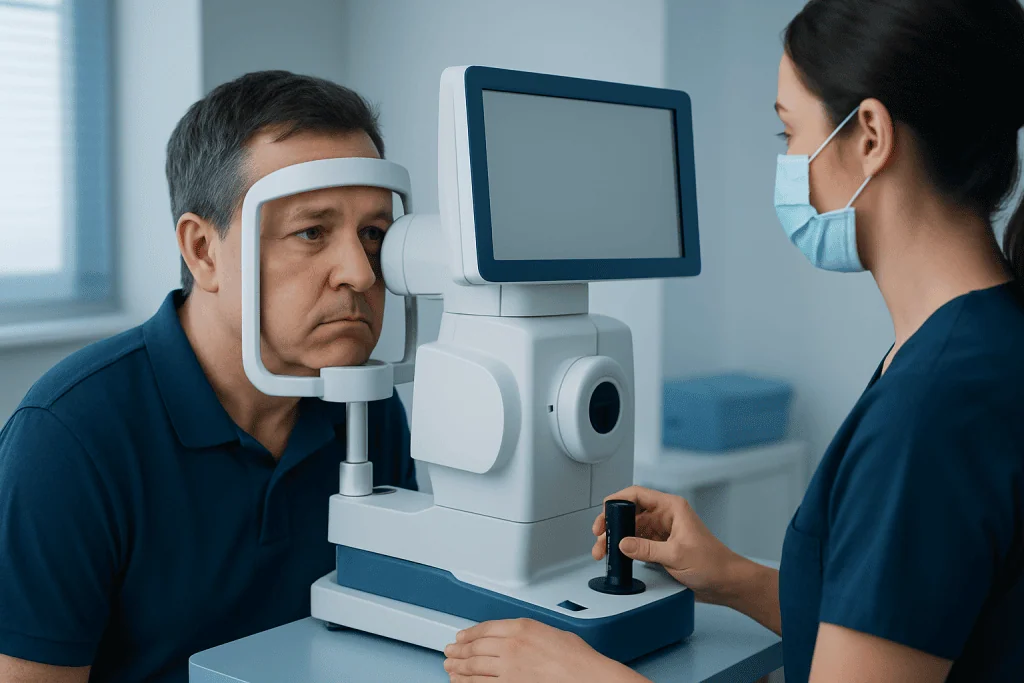
Bell’s palsy often develops over hours to a day or two. Typical features include a drooping mouth, difficulty smiling, weakness when closing one eye, altered taste, increased sensitivity to sound, dry eye or tearing, and sometimes discomfort around the ear or jaw. The weakness usually involves the forehead as well as the lower face, although each person’s symptoms can differ.
Most adults and children with suspected Bell’s palsy are candidates for prompt medical evaluation and supportive treatment. The clinician will ask when symptoms started, review medications and health conditions, and examine the face, eyes, ears, limbs and speech. This assessment is important because symptoms such as arm weakness, confusion, trouble speaking, severe headache or loss of balance may suggest another urgent cause.
Testing is not always needed when symptoms and examination findings are typical. However, blood tests, imaging or specialist evaluation may be appropriate if symptoms are unusual, weakness progresses beyond the expected period, there is repeated facial paralysis, or recovery is incomplete. Conditions such as ear infection, Lyme disease, shingles affecting the ear, tumors and stroke may require different treatment.
Step-by-Step: What Treatment Usually Involves

The first step is a prompt examination to confirm that Bell’s palsy is the likely diagnosis and to assess whether the eye closes completely. If appropriate, corticosteroids are prescribed as soon as possible after onset. The exact medicine and course depend on the person’s age, health history and potential treatment risks, so they should be taken only as directed by a qualified clinician.
Eye care is a central part of treatment when blinking or eyelid closure is weak. Lubricating eye drops during the day, a lubricating ointment at night, and taping or covering the eye for sleep may help prevent dryness and corneal injury. An eye specialist may be involved if there is pain, redness, blurred vision, persistent dryness or concern about damage to the eye surface.
As movement returns, a clinician may recommend gentle facial rehabilitation. This can include education about facial movement, relaxation and carefully guided exercises. Aggressive or repetitive facial exercises are not always helpful and may worsen unwanted linked movements in some people, so therapy should be directed by a professional experienced in facial nerve recovery.
For people with prolonged symptoms, care may involve neurology, otolaryngology, ophthalmology, rehabilitation and facial plastic surgery specialists. Acibadem International’s multidisciplinary specialists and JCI-accredited hospitals can assess and treat facial nerve conditions for international patients.
Recovery Timeline, Benefits and Possible Risks
The main benefit of early Bell’s palsy treatment is a better chance of good facial nerve recovery and fewer long-term effects. Many people notice early improvement within several weeks, and recovery may continue for several months. The initial severity of weakness, age, associated symptoms and underlying health conditions can influence the timeline.
Some people experience residual weakness, facial tightness, dry eye, tearing, or synkinesis. Synkinesis means an unintended movement occurs with a voluntary movement, such as an eye narrowing while smiling. Specialist rehabilitation and, in selected cases, other treatments may help manage persistent symptoms.
Corticosteroids can have side effects and may need special consideration for people with diabetes, active infection, stomach ulcers, certain eye conditions or other medical concerns. Eye taping must be done carefully to avoid irritating the eye or eyelid. A clinician can explain the likely benefits and risks in the context of the individual’s health.
Surgery is not routinely used for typical acute Bell’s palsy. It may be considered only in carefully selected situations, usually after specialized evaluation of persistent facial nerve dysfunction or an alternative diagnosis.
Can You Recover 100% From Bell's Palsy?
Yes, many people recover fully from Bell’s palsy, particularly when the weakness is mild or moderate and treatment begins early. However, a complete recovery cannot be guaranteed for every person. Some people have lingering weakness, facial asymmetry, eye symptoms or synkinesis after the main paralysis improves.
Recovery prospects depend on factors such as how severe the paralysis was at the start, whether movement begins returning within the first weeks, age, and whether another condition is contributing to facial weakness. Regular follow-up is useful when symptoms are severe, when the eye remains difficult to close, or when improvement is not apparent.
A specialist can assess persistent symptoms and discuss options to improve comfort, function and appearance. Supportive care remains valuable even when recovery is gradual, especially eye protection and appropriately guided facial rehabilitation.
How to Tell if Bell's Palsy Is Improving
Early signs of improvement may be subtle. A person may first notice a stronger blink, slightly better ability to close the eye, less drooping at the corner of the mouth, improved ability to hold liquids in the mouth, or small movements around the cheek and lips. Improvement often occurs gradually rather than all at once.
Taking occasional photographs or using a simple facial movement diary can help document progress over time, provided it does not create stress or encourage excessive exercise. It is helpful to note eye closure, smile symmetry, lip movement, speech clarity and facial tightness. Changes are best reviewed during scheduled clinical follow-up.
New pain, a new rash around the ear, worsening weakness after initial improvement, new weakness elsewhere in the body, or visual symptoms should be reported promptly. These features may require reassessment rather than assuming they are part of normal recovery.
How Long Does It Take for Bell's Palsy to Completely Resolve?
Bell’s palsy may begin to improve within two to three weeks, but complete resolution can take several months. Some people recover sooner, while others continue to improve for six months or longer. The timeline is variable, and slow recovery does not automatically mean that recovery will not occur.
If there is no sign of improvement after several weeks, if weakness remains substantial after around three months, or if symptoms worsen, clinicians commonly recommend specialist review. Further assessment may include facial nerve testing or imaging when needed to clarify the diagnosis and guide treatment.
People with incomplete recovery may still benefit from targeted management. Eye care, facial therapy and treatment of tightness or synkinesis can be adapted as the facial nerve heals.
What Helps Bell's Palsy Heal Faster?
The most important step is seeking medical care promptly after facial weakness begins. For eligible patients, starting corticosteroids early is the treatment with the strongest evidence for improving recovery. Following the prescribed plan, attending follow-up appointments and protecting the affected eye also support safe healing.
Good general health habits may help a person cope during recovery: regular sleep, balanced nutrition, hydration and avoiding smoking can support overall wellbeing. However, no supplement, massage technique or home remedy has been proven to reliably speed facial nerve healing. People should check with a clinician before taking supplements or using treatments that could interact with prescribed medicine.
Gentle, professionally guided facial rehabilitation may be useful for selected people, especially if recovery is delayed or synkinesis develops. Avoid forcing facial movements or doing high-repetition exercises without advice, as this may increase muscle tension or reinforce unwanted movement patterns.
Emotional support can also matter. Temporary facial changes can affect confidence, communication and social comfort. Discussing these concerns with the care team may help identify practical strategies and appropriate support.
When to Seek Medical Care
Seek urgent medical assessment immediately for sudden facial drooping or weakness. Although Bell’s palsy is a common cause, stroke must be ruled out, particularly when symptoms include weakness or numbness in an arm or leg, difficulty speaking, confusion, severe headache, fainting, dizziness or trouble walking.
Prompt medical care is also important if there is severe ear pain, a blistering rash in or around the ear, fever, hearing changes, double vision, marked eye pain, redness or blurred vision. These symptoms may indicate an alternative cause or an eye complication that needs specific treatment.
Anyone diagnosed with Bell’s palsy should contact a clinician if the eye cannot be protected, symptoms worsen, new neurological symptoms develop, or facial function does not begin to improve as expected. Timely review allows the treatment plan to be adjusted safely.
Frequently asked questions
Is Bell's palsy treatment an emergency?
Sudden facial weakness should be assessed urgently because stroke and other conditions can look similar at first. Bell's palsy itself is not always an emergency, but early assessment is important because corticosteroid treatment is most helpful when started soon after symptoms begin.
Do antivirals cure Bell's palsy?
Antiviral medicines do not reliably cure Bell's palsy on their own. A clinician may consider them together with corticosteroids in some situations, but corticosteroids have the strongest evidence for improving facial recovery when used early.
How should the eye be protected in Bell's palsy?
If the eyelid does not close fully, lubricating drops during the day and ointment at night may be recommended. Covering or gently taping the eyelid closed for sleep can help, but the method should be explained by a healthcare professional to avoid injury or irritation.
Can Bell's palsy come back?
Bell's palsy can recur, although most people experience only one episode. Recurrent facial weakness should be evaluated by a clinician, as additional testing may be needed to look for other possible causes.
Is facial massage recommended for Bell's palsy?
Gentle techniques may be included in an individualized rehabilitation plan, but massage has not been proven to speed nerve healing. It is best to avoid forceful massage or unsupervised intensive exercises and seek guidance from a clinician or facial rehabilitation therapist.
What if facial weakness does not improve?
A person should arrange follow-up if there is no meaningful improvement within several weeks or if weakness remains significant after about three months. A specialist may assess facial nerve function, review the diagnosis and recommend treatment for persistent weakness, eye symptoms or synkinesis.
References
- National Institute of Neurological Disorders and Stroke
- American Academy of Otolaryngology–Head and Neck Surgery
- National Health Service
- Mayo Clinic
- American Academy of Ophthalmology
This article is for general information only and is not a substitute for professional medical advice. Please consult a qualified doctor about your individual situation.
Explore treatments in Turkey — costs, top hospitals & a free quote
JCI-accredited · board-certified surgeons · reply within 24h
Add us as a Preferred Source to see more of our trusted health content across Google Search, AI Overviews and Discover.

More from the Health Library



Related Specialists

Prof. Dr. Halil Koyuncu
Physical Medicine & Rehabilitation
Prof. Dr. Mehmet Zafer Berkman
Neurosurgery
Dr. Gülşah Taş
Pediatrics
Dr. Müzeyyen İyigün
Anesthesiology