Belly Hurting While Pregnant: What Is Normal, What Is Not, and When to Seek Care

Mild, brief abdominal discomfort is common in pregnancy, especially as the uterus grows and digestion changes. The location, intensity, timing, and associated symptoms of pain help determine whether it may need urgent assessment.
Key Takeaways
- Mild, brief abdominal discomfort is common in pregnancy, especially as the uterus grows and digestion changes.
- The location, intensity, timing, and associated symptoms of pain help determine whether it may need urgent assessment.
- Vaginal bleeding, severe one-sided pain, fainting, fever, regular contractions, or fluid leakage require prompt medical advice.
- Self-care measures such as rest, hydration, gentle movement, and preventing constipation may ease mild discomfort.
- Pregnant people should contact their maternity team whenever pain feels unusual, persistent, or worrying.
Belly hurting while pregnant can be related to normal body changes, including uterine growth, ligament stretching, gas, and constipation. However, pain that is severe, worsening, persistent, or accompanied by bleeding, fever, dizziness, fluid leakage, or reduced fetal movement should be assessed promptly by a healthcare professional.
Overview: Why Belly Pain Can Happen During Pregnancy
Belly hurting while pregnant is common, and many episodes are not dangerous. Pregnancy changes the abdomen in many ways: the uterus expands, supporting tissues stretch, hormones slow digestion, and muscles and joints adapt to a changing posture. These changes can cause pulling, pressure, cramping, bloating, or brief sharp sensations.
The stage of pregnancy matters. In early pregnancy, mild cramping can occur as the uterus changes and may feel similar to menstrual cramps. Later, stretching of the ligaments around the uterus, constipation, gas, and pressure from the growing baby are frequent explanations. Near the end of pregnancy, irregular tightening of the uterus may also occur.
Even so, abdominal pain should not automatically be assumed to be normal. The safest approach is to consider the character of the pain and any symptoms that occur with it. Severe pain, pain that does not settle, or pain accompanied by bleeding, fever, vomiting, faintness, fluid leakage, or changes in fetal movement needs medical guidance.
Patterns of Discomfort That Are Often Benign
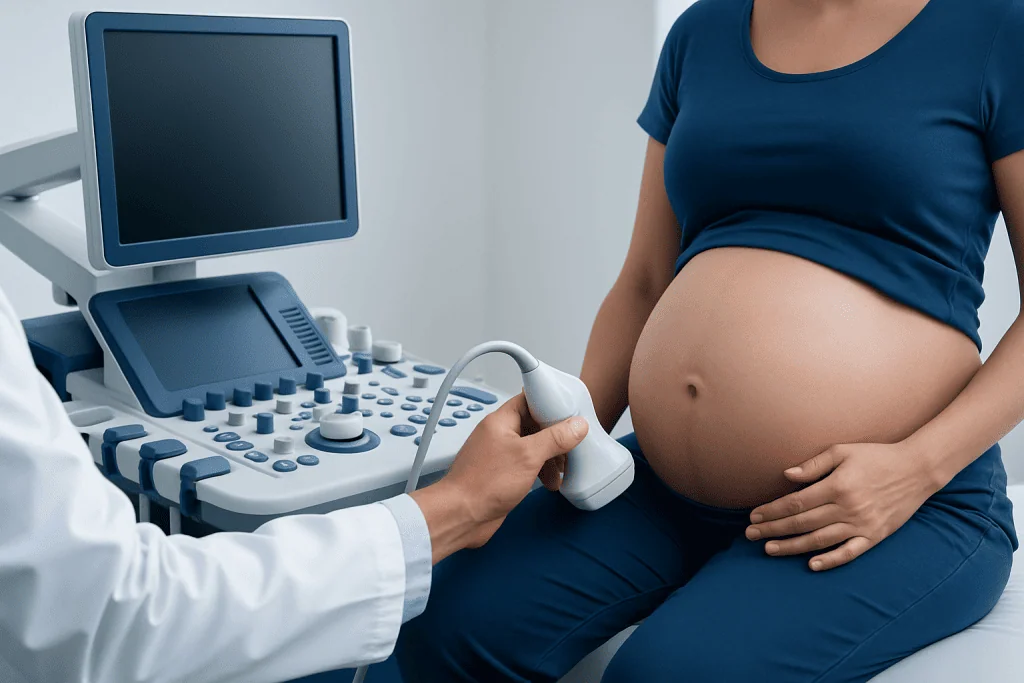
Round ligament pain is a common cause of lower belly or groin discomfort during the second trimester, although it can occur at other times. The round ligaments support the uterus and stretch as it grows. The pain may be sharp, pulling, or aching, often on one or both sides, and may be triggered by standing quickly, coughing, turning in bed, or physical activity.
Digestive symptoms can also make the belly hurt during pregnancy. Progesterone relaxes smooth muscle in the digestive tract, so food can move more slowly. This may lead to gas, bloating, heartburn, constipation, and cramp-like pain. Iron supplements, dietary changes, reduced activity, and nausea can contribute to constipation for some people.
Later in pregnancy, Braxton Hicks contractions may cause the abdomen to feel tight or firm at irregular intervals. They often improve with rest, hydration, changing position, or emptying the bladder. Unlike labor contractions, they generally do not become steadily more frequent, longer, and stronger. Still, anyone who is unsure whether they may be experiencing preterm labor should contact their maternity care team.
- Brief discomfort that improves with rest or a position change is often less concerning.
- Pain linked with gas, constipation, or a full bladder may ease after gentle movement, fluids, or using the bathroom.
- New or recurring pain should be discussed at prenatal appointments, even when it seems mild.
Pain That May Point to a Pregnancy-Related Problem
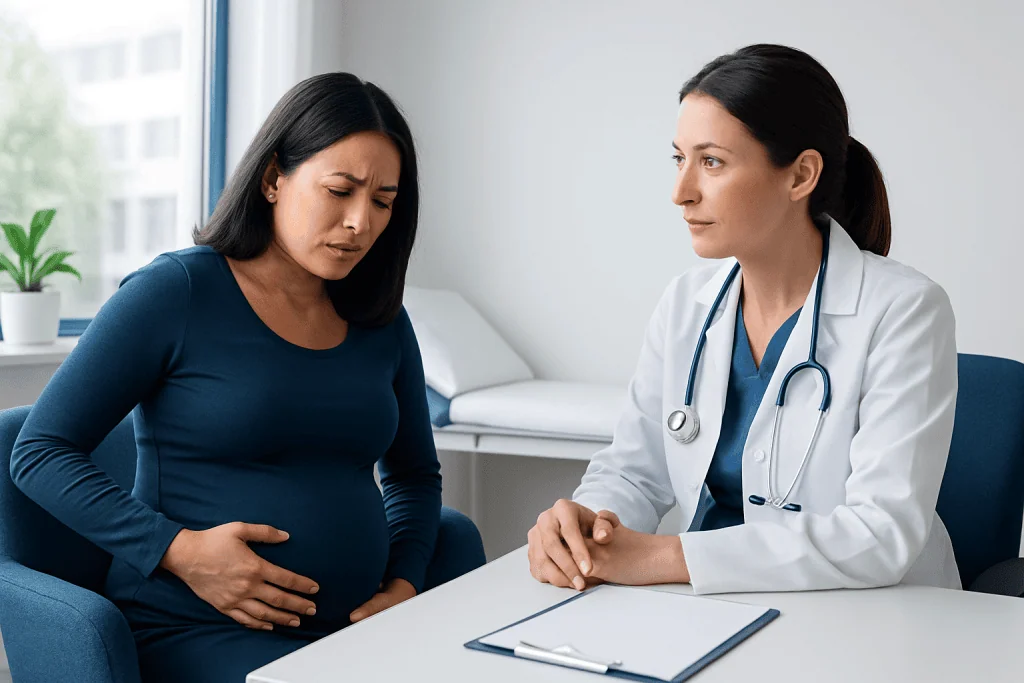
Some causes of abdominal pain are specific to pregnancy and require timely assessment. In early pregnancy, significant pain with vaginal bleeding may be associated with miscarriage or, less commonly, an ectopic pregnancy. An ectopic pregnancy occurs when a fertilized egg implants outside the uterus, most often in a fallopian tube. Symptoms can include one-sided lower abdominal pain, vaginal bleeding, shoulder-tip pain, weakness, dizziness, or fainting.
During the second half of pregnancy, pain may sometimes be related to placental abruption, preeclampsia, preterm labor, or problems involving the uterus. Placental abruption is when the placenta separates partly or completely from the uterine wall before birth and may cause sudden pain, uterine tenderness, contractions, or bleeding. Bleeding may not always be visible, so severe or constant abdominal pain needs urgent evaluation.
Upper abdominal pain, especially beneath the right ribs, can occasionally occur with severe preeclampsia, particularly when accompanied by severe headache, visual disturbances, sudden swelling, nausea, or feeling unwell. Regular painful contractions, pelvic pressure, low back pain, or a change in vaginal discharge before 37 weeks may be signs of preterm labor. These symptoms should be assessed without delay.
Other Medical Causes of Abdominal Pain During Pregnancy
Not every episode of belly pain in pregnancy comes from the uterus. Common conditions such as viral stomach infections, food-related illness, urinary tract infections, kidney stones, gallbladder disease, and appendicitis can still occur. Pregnancy can make some symptoms harder to interpret because organs shift as the uterus grows and nausea is common for other reasons.
A urinary tract infection may cause burning or pain when passing urine, needing to urinate more often, lower abdominal pressure, cloudy urine, or fever. Infection during pregnancy should be treated by a clinician because it can sometimes spread to the kidneys. Pain in the side or back with fever, chills, or urinary symptoms requires prompt medical attention.
Appendicitis may cause worsening pain, nausea, vomiting, fever, or loss of appetite. Although it often begins near the belly button and then moves to the lower right abdomen, the location may differ during pregnancy. Gallbladder problems can cause pain in the upper right abdomen, often after eating, sometimes with nausea or vomiting. It is important not to self-diagnose persistent or escalating abdominal pain.
How Doctors Assess Abdominal Pain in Pregnancy
A clinician will usually ask when the pain started, where it is felt, how intense it is, whether it comes and goes, and what makes it better or worse. They will also ask about vaginal bleeding, discharge, fluid leakage, contractions, urinary symptoms, bowel symptoms, fever, vomiting, headaches, vision changes, and fetal movement when applicable.
Assessment may include checking blood pressure, temperature, pulse, and the abdomen. Depending on the pregnancy stage and symptoms, the care team may listen to the fetal heartbeat, monitor contractions, examine the cervix, or arrange an ultrasound. Urine and blood tests may help identify infection, dehydration, anemia, or other conditions.
Tests are chosen carefully to protect both the pregnant person and the developing baby. Ultrasound does not use radiation and is commonly used in pregnancy. When additional imaging is clinically necessary, the healthcare team will select the most appropriate option and explain why it is recommended. Early assessment can provide reassurance when the cause is benign and allow treatment to begin quickly when needed.
Safe Self-Care for Mild Belly Discomfort
For mild pain that has no warning signs, a few simple measures may help. Resting, changing position slowly, taking a warm shower or bath that is not excessively hot, and using a supportive pregnancy pillow can ease muscle and ligament discomfort. Some people find that gentle stretching or an easy walk reduces stiffness and gas.
Regular fluids and fiber-rich foods can help prevent constipation. Fruits, vegetables, whole grains, legumes, and adequate water may support more comfortable bowel movements. If constipation continues, a doctor or pharmacist can advise on pregnancy-appropriate options. People should not start laxatives, herbal products, or over-the-counter medicines without checking that they are suitable during pregnancy.
Eating smaller meals more often and avoiding foods that clearly trigger bloating or heartburn may also be useful. Keeping a brief note of symptoms can help identify patterns, including whether pain follows meals, activity, bowel movements, or contractions. Any pain that becomes stronger, lasts longer, or feels different from previous discomfort should be reported to a healthcare professional.
When to Seek Medical Care
Pregnant people should contact their obstetrician, midwife, maternity unit, or another qualified healthcare professional if abdominal pain is new, persistent, recurrent, or causing concern. It is especially important to seek same-day advice for cramping with spotting, pain when urinating, ongoing vomiting, diarrhea with signs of dehydration, or pain that interferes with usual activities.
Urgent medical care is needed for severe or rapidly worsening abdominal pain; heavy vaginal bleeding; fainting or severe dizziness; shoulder-tip pain in early pregnancy; fever; fluid leaking from the vagina; seizures; or severe headache and vision changes. Immediate assessment is also important if there are regular painful contractions before 37 weeks, or if fetal movements are reduced or noticeably different after movements have previously been felt regularly.
It is always appropriate to seek care when something does not feel right. A maternity team can help determine whether symptoms can be monitored at home or need in-person assessment. Acibadem International’s multidisciplinary specialists and JCI-accredited hospitals also diagnose and treat pregnancy-related concerns for international patients who need coordinated medical care.
Frequently asked questions
Is it normal for the lower belly to hurt in early pregnancy?
Mild lower abdominal cramping can be normal in early pregnancy as the uterus begins to change. However, pain with vaginal bleeding, one-sided severe pain, dizziness, fainting, or shoulder-tip pain needs urgent medical assessment because it can indicate a complication such as ectopic pregnancy.
Can gas cause belly pain during pregnancy?
Yes. Hormonal changes can slow digestion, making gas, bloating, and constipation more common during pregnancy. Gentle movement, adequate fluids, and dietary fiber may help, but persistent or severe pain should be discussed with a clinician.
How can someone tell round ligament pain from something serious?
Round ligament pain is usually brief, sharp or pulling, and often triggered by sudden movement, coughing, or changing position. It commonly occurs in the lower abdomen or groin and may improve with rest. Pain that is severe, constant, worsening, or associated with bleeding, fever, or contractions should be assessed.
Are stomach cramps a sign of labor?
Cramps can occur for many reasons and do not always mean labor. Labor contractions usually become regular, progressively stronger, longer, and closer together, and may be associated with back pain, pelvic pressure, or changes in vaginal discharge. Before 37 weeks, possible contractions should be reported promptly.
When should reduced fetal movement be checked?
After fetal movements have become regularly noticeable, a clear reduction or change in the usual pattern should be assessed promptly. A pregnant person should contact their maternity unit rather than waiting until the next day or trying to stimulate movement at home for an extended period.
Can pregnant people take pain medicine for belly pain?
Medication choices in pregnancy depend on the cause of pain, pregnancy stage, medical history, and other medicines being used. A doctor, midwife, or pharmacist should be asked before taking prescription medicines, over-the-counter pain relievers, herbal remedies, or supplements. Persistent pain should be evaluated rather than repeatedly treated at home.
References
- American College of Obstetricians and Gynecologists
- National Health Service
- Mayo Clinic
- Merck Manual Consumer Version
- World Health Organization
This article is for general information only and is not a substitute for professional medical advice. Please consult a qualified doctor about your individual situation.
Persistent digestive symptoms? Get evaluated in Turkey
JCI-accredited · board-certified surgeons · reply within 24h
Add us as a Preferred Source to see more of our trusted health content across Google Search, AI Overviews and Discover.

More from the Health Library



Related Specialists

Dyt. Gülden Cinasal Demir
Nutrition & Diet
Assoc. Prof. Dr. Arzu Yurci
Gynecology & Obstetrics
Dr. Üzeyir Tırmık
Orthopedic Surgery & Traumatology
Prof. Dr. Ömer Bayır
Otorhinolaryngology