Benzene Exposure Treatment: How It Works, Results and What to Expect

The most important first step in benzene exposure treatment is to stop further exposure and move to fresh air. Emergency treatment may include airway support, oxygen, skin or eye decontamination, and monitoring for nervous system effects.
Key Takeaways
- The most important first step in benzene exposure treatment is to stop further exposure and move to fresh air.
- Emergency treatment may include airway support, oxygen, skin or eye decontamination, and monitoring for nervous system effects.
- There is no antidote that removes benzene instantly; the body processes and eliminates it mainly through the lungs and urine.
- Repeated or high-level exposure can affect bone marrow and blood-cell production, making follow-up blood tests important.
- Workers in petrochemical, fuel, manufacturing, laboratory, and waste-related jobs may have higher exposure risk when controls are inadequate.
Benzene exposure treatment focuses first on moving the person away from the source, removing contaminated clothing, and treating symptoms such as breathing problems, dizziness, or skin and eye irritation. There is no specific antidote for benzene, so medical care is supportive and may include monitoring blood counts after significant or repeated exposure.
Benzene Exposure Treatment: How It Works
Benzene exposure treatment begins by ending contact with the chemical. A person should leave the contaminated area, move into fresh air if it is safe to do so, and avoid re-entering the area until it has been assessed by trained personnel. Contaminated clothing should be removed carefully, and skin should be washed with soap and water. Eyes exposed to benzene or benzene-containing liquids should be rinsed with clean, lukewarm water.
There is no single antidote that neutralizes benzene inside the body. Instead, clinicians provide supportive care based on the route and severity of exposure. This may include oxygen or breathing support, treatment for eye or skin irritation, intravenous fluids when clinically needed, and observation for effects on the nervous system, heart rhythm, or lungs.
After substantial, prolonged, or repeated exposure, clinicians may arrange blood tests to assess red blood cells, white blood cells, and platelets. Benzene can harm the bone marrow, the tissue that produces blood cells. Follow-up is individualized according to the estimated exposure, symptoms, examination findings, and test results.
Symptoms and Effects of Benzene Exposure
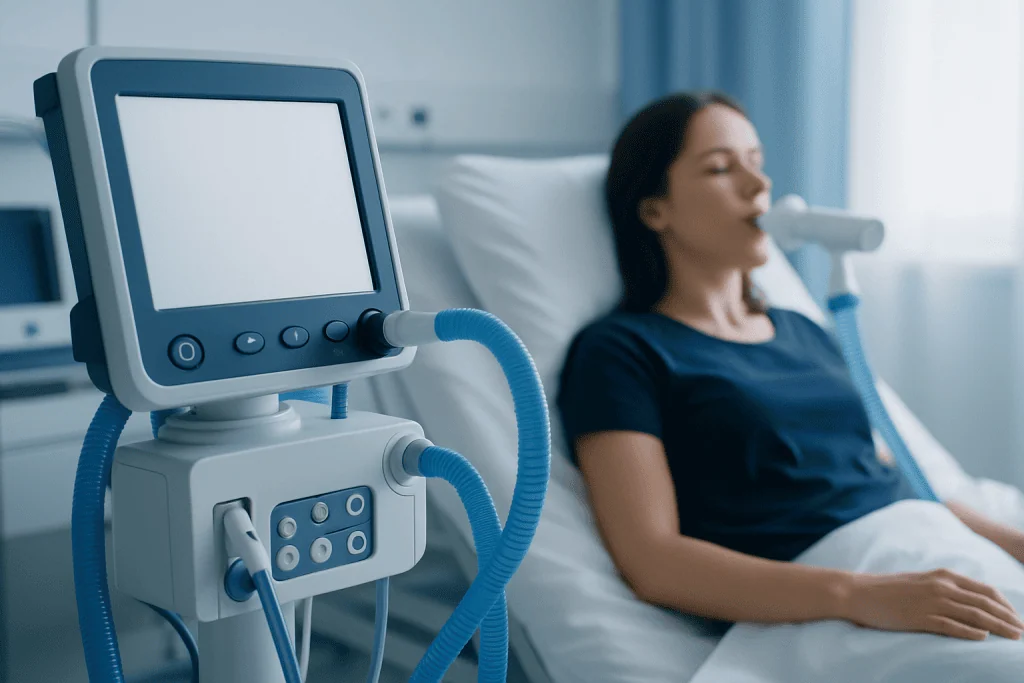
The effects of benzene depend on the amount, duration, and route of exposure. Breathing high concentrations over a short period can cause symptoms quickly, while repeated lower-level workplace exposure may not cause immediate symptoms but can still be medically important. Vapours are the main concern in many workplace and fuel-related settings, although liquid benzene can also irritate or damage the skin and eyes.
What are three symptoms you would experience if you’re exposed to benzene? Three common short-term symptoms are dizziness, headache, and nausea. Other possible symptoms include drowsiness, confusion, eye or throat irritation, cough, unsteadiness, and, with severe exposure, loss of consciousness. These symptoms are not specific to benzene, so assessment should consider the setting and possible exposure to other chemicals as well.
Long-term or repeated exposure may affect blood-cell production. A person may develop fatigue, frequent infections, easy bruising, unusual bleeding, or pale skin if blood counts become low. These symptoms have many possible causes, but they should be assessed promptly when there is a history of benzene exposure.
Who May Need Assessment and What Jobs Have Higher Risk?

Anyone with symptoms after a known or suspected benzene release should be assessed by a healthcare professional or poison information service. Urgent assessment is particularly important after exposure in an enclosed space, after a spill onto the skin or eyes, after a fire or industrial incident, or when symptoms are severe or persistent. Workers with repeated exposure should discuss occupational health monitoring with their employer and clinician.
What jobs have the highest benzene exposure risk? Jobs involving petroleum refining, petrochemical production, fuel storage and distribution, and chemical manufacturing can involve benzene exposure. Other potentially higher-risk work includes coke-oven operations, certain rubber and plastics manufacturing, printing, painting, laboratory work, tank cleaning, waste handling, and emergency response to chemical releases. Risk depends on the task, ventilation, protective equipment, and whether benzene-containing products are used.
Smoking is also an important non-occupational source of benzene exposure. In workplaces, exposure prevention should follow local safety regulations and use practical controls such as closed systems, local exhaust ventilation, spill procedures, appropriate respiratory protection when required, and regular training. Personal protective equipment is important but works best alongside measures that reduce benzene in the air at its source.
Diagnosis and the Step-by-Step Medical Evaluation
Medical evaluation starts with a careful exposure history. The clinician may ask what product was involved, whether the exposure was by inhalation, skin contact, or swallowing, how long it lasted, whether it occurred indoors or outdoors, and what symptoms developed. Bringing the product label or safety data information, when safely available, can help identify ingredients and guide care.
The examination may include assessment of breathing, oxygen level, pulse, blood pressure, mental alertness, and skin or eye injury. Depending on symptoms, clinicians may order tests such as a complete blood count, kidney and liver function tests, an electrocardiogram, or chest assessment. Blood or urine tests can sometimes help document recent exposure, but they do not always predict future health effects and must be interpreted in context.
For a person with significant exposure, care may involve emergency medicine, occupational medicine, toxicology, respiratory care, and hematology. If blood counts are persistently abnormal, clinicians may investigate other causes as well as possible bone marrow effects. This careful approach helps ensure that follow-up is appropriate without assuming that every symptom or abnormal test is caused by benzene.
Treatment Procedure, Recovery Timeline, Risks and Benefits
The practical sequence of benzene exposure treatment is usually straightforward: remove the person from exposure, decontaminate skin or eyes if needed, stabilize breathing and circulation, manage symptoms, then plan observation and follow-up. People who are awake and have only mild symptoms after a brief exposure may improve once they are in fresh air, but they should still seek professional advice if symptoms do not resolve, if the exposure was substantial, or if there is uncertainty about the chemical involved.
In hospital, treatment is tailored to the clinical problem rather than to a fixed procedure. A person with breathing difficulty may receive oxygen and respiratory support. Someone who has been exposed through the eyes or skin may need prolonged irrigation and reassessment. Ingestion of benzene-containing products requires urgent medical advice because aspiration into the lungs can be dangerous; vomiting should not be induced unless specifically directed by a poison specialist or clinician.
How long does it take to get benzene out of your system? Benzene is processed relatively quickly after a single exposure, and much of it is eliminated over hours to a few days. However, this does not mean that every health effect resolves in that time. Blood and bone marrow effects from substantial or repeated exposure can appear later, which is why clinicians may recommend repeat blood counts over a period determined by the individual situation.
The benefit of timely treatment is prevention of further exposure, prompt support for acute symptoms, and identification of complications early. Risks mainly relate to the exposure itself rather than to supportive treatment. Recovery varies: mild irritation or lightheadedness may settle quickly, while people with severe exposure, persistent respiratory symptoms, or abnormal blood counts need closer monitoring and individualized care.
How the Body Gets Rid of Benzene and Supporting Recovery
How does the body get rid of benzene? After inhalation, some benzene is breathed out unchanged through the lungs. The remainder is mainly processed in the liver into metabolites and then eliminated in urine. This process occurs naturally; there is no proven home detoxification method, supplement, or special diet that reliably speeds benzene clearance.
During recovery, the safest priorities are avoiding any further exposure, following medical and occupational-health advice, and attending recommended blood tests or review appointments. Adequate rest, fluids, and regular meals may support general wellbeing, but they do not replace medical care. People should not return to a potentially contaminated work area until workplace safety professionals have confirmed appropriate controls.
For individuals with ongoing workplace exposure, a clinician may advise health surveillance based on local regulations and the nature of the work. This may include periodic symptom review and blood counts. Acibadem International’s multidisciplinary specialists and JCI-accredited hospitals can assess chemical exposure concerns and coordinate supportive care and follow-up for international patients.
When to Seek Medical Care
Emergency medical care is needed for trouble breathing, chest pain, severe confusion, fainting, seizures, severe drowsiness, blue or gray lips, or exposure after which a person cannot be safely awakened. Emergency assessment is also important following a large spill, exposure in a poorly ventilated or enclosed area, or suspected swallowing of benzene or a benzene-containing product.
Prompt, non-emergency medical advice is appropriate for headache, dizziness, nausea, persistent cough, eye or skin irritation, or any symptoms that continue after leaving the area. A person should also contact a clinician or occupational health service after repeated workplace exposure, especially if they notice unusual tiredness, recurrent infections, easy bruising, or bleeding.
Poison information services and emergency services can provide immediate guidance based on the product, amount, and circumstances. If possible, the person should keep the container or product information available for clinicians, but should not delay seeking help to obtain it. Medical advice is particularly important for children, pregnant people, older adults, and anyone with existing lung, heart, or blood disorders.
Frequently asked questions
Is there an antidote for benzene exposure?
No specific antidote is available for benzene exposure. Treatment focuses on stopping exposure, decontaminating affected skin or eyes, supporting breathing and circulation, and monitoring for possible blood-related effects after significant exposure.
Can a blood test show benzene exposure?
Certain blood or urine tests may help identify recent benzene exposure or its metabolites. Their usefulness depends on how soon testing occurs and the type of exposure, and results do not always predict long-term health effects. A complete blood count may also be used to monitor blood-cell production.
Should someone shower after benzene gets on the skin?
Yes. Contaminated clothing should be removed, and the skin should be washed thoroughly with soap and water as soon as possible. If there is a large spill, persistent irritation, burns, dizziness, or other symptoms, urgent medical guidance is needed.
Can benzene exposure cause cancer?
Long-term exposure to benzene is known to increase the risk of certain blood cancers, including leukemia. The risk depends on the level and duration of exposure, which is why workplace controls, exposure monitoring, and medical follow-up are important.
Can symptoms occur days after benzene exposure?
Some immediate symptoms, such as dizziness or nausea, usually occur during or soon after significant exposure. Blood and bone marrow effects can develop later, particularly after repeated or substantial exposure. A clinician may recommend follow-up blood tests even if early symptoms improve.
What should a worker do after suspected benzene exposure?
The worker should leave the exposure area, follow workplace emergency procedures, report the incident, and seek medical or poison-service advice. They should provide details of the task, product, duration of exposure, ventilation, protective equipment, and symptoms to support accurate assessment.
References
- World Health Organization
- International Agency for Research on Cancer
- United States Centers for Disease Control and Prevention
- National Institute for Occupational Safety and Health
- Agency for Toxic Substances and Disease Registry
This article is for general information only and is not a substitute for professional medical advice. Please consult a qualified doctor about your individual situation.
Explore treatments in Turkey — costs, top hospitals & a free quote
JCI-accredited · board-certified surgeons · reply within 24h
Add us as a Preferred Source to see more of our trusted health content across Google Search, AI Overviews and Discover.
Check your numbers in seconds
BMI, calories, due date, blood pressure and 30+ more clinical calculators — free, instant, doctor-reviewed ranges.