Best Air Purifiers for Allergies: What Patients Need to Know
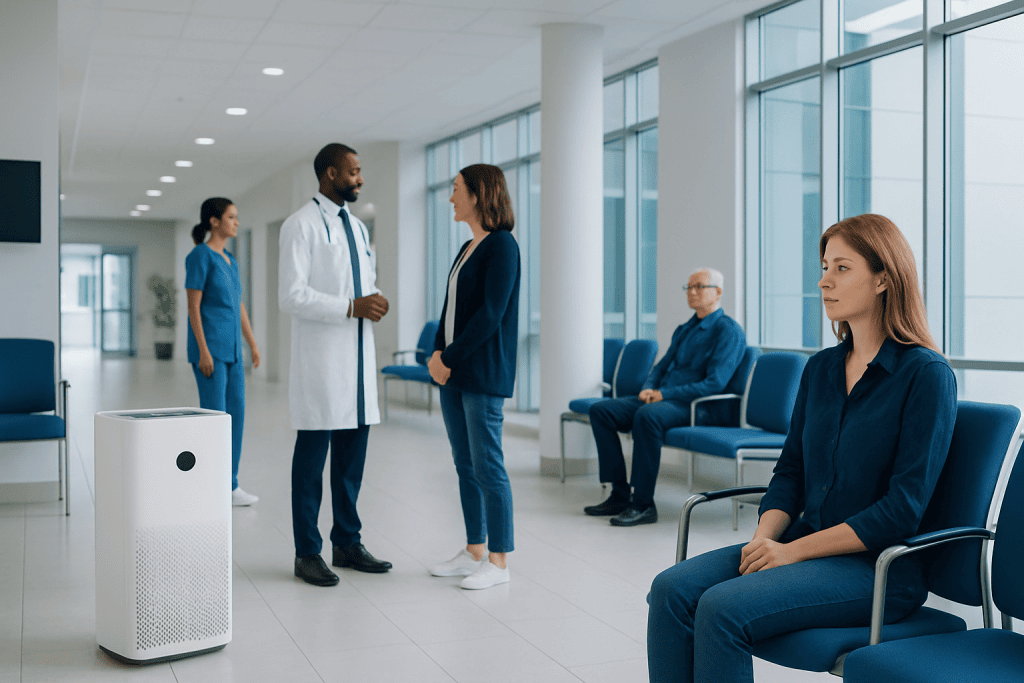
A true HEPA air purifier is generally the best choice for reducing common airborne allergy particles indoors. Room size, clean air delivery rate, and continuous use matter more than brand claims alone.
Key Takeaways
- A true HEPA air purifier is generally the best choice for reducing common airborne allergy particles indoors.
- Room size, clean air delivery rate, and continuous use matter more than brand claims alone.
- Air purifiers help most with particles in the air, but they do not remove allergens embedded in carpets, bedding, or furniture.
- Activated carbon may help with odors and some gases, but it is not the main feature for pollen, dust, or dander allergies.
- Persistent symptoms may point to allergic rhinitis, asthma, or another condition that needs medical assessment.
The best air purifiers for allergies are usually room-appropriate units with true HEPA filtration, because they can remove many airborne particles such as pollen, pet dander, and dust-mite debris from indoor air. They are helpful for some patients, but they do not replace diagnosis, medicines, or broader steps to control allergy triggers at home.
Overview: Which Air Purifiers Are Best for Allergies?
For most patients, the best air purifiers for allergies are devices with a true HEPA filter that are correctly matched to the size of the room where the person spends the most time, such as the bedroom. These machines can reduce airborne particles including pollen, pet dander, mold spores, and fine dust. In practical terms, that may lessen exposure and help some people sleep better or have fewer symptoms indoors.
However, an air purifier is only one part of allergy control. It cannot cure allergies, and it cannot remove triggers that have already settled into mattresses, upholstery, carpets, or curtains. People with frequent nasal congestion, sneezing, itchy eyes, cough, or wheeze may still need evaluation for allergies or related breathing conditions such as asthma.
Patients often see broad marketing claims, but the medical question is simpler: does the device remove the particles that trigger symptoms, and can it do so consistently in the real room where the person lives? Looking at the filter type, room coverage, and airflow is usually more useful than focusing on lifestyle features or smart-device extras.
How Air Purifiers May Help Allergy Symptoms
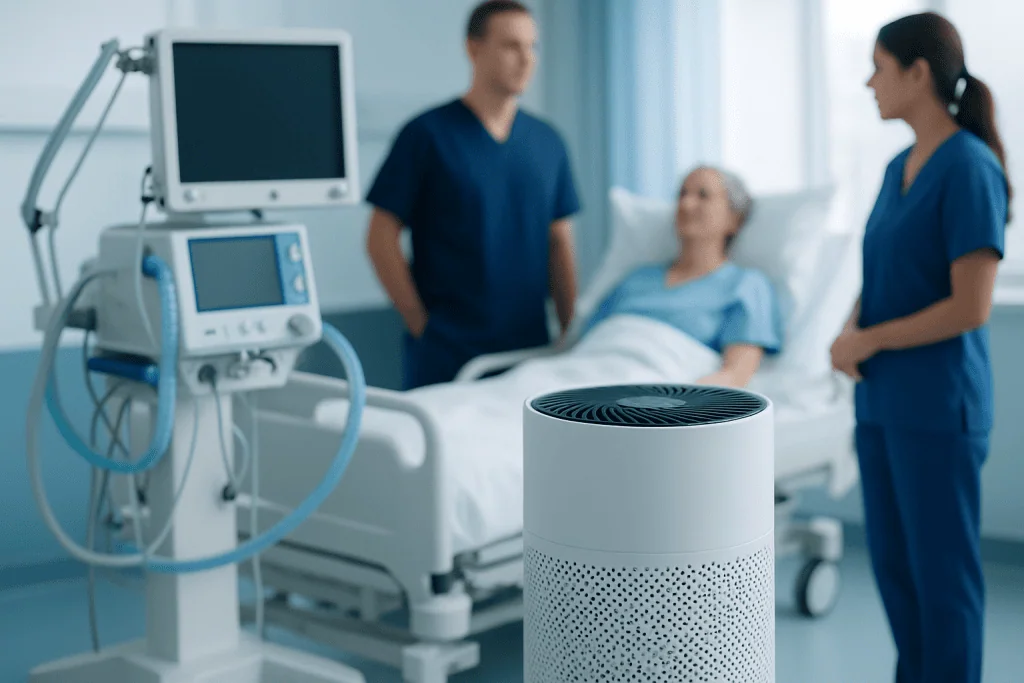
Allergy symptoms begin when the immune system reacts to particles that are usually harmless, such as pollen or animal dander. If those particles remain in the indoor air, they can be inhaled repeatedly and continue to irritate the nose, eyes, throat, and airways. A well-functioning purifier can lower the amount of airborne allergen a person breathes over time.
This benefit is often most noticeable for triggers that stay suspended in air, especially pollen, pet dander, and smoke-related particles. Some dust-mite allergen also becomes airborne during activities like making the bed, vacuuming, or sitting on upholstered furniture. Even so, dust mites mainly live in fabrics, so a purifier alone is usually not enough for dust-mite allergy control.
Patients should also know what air purifiers do not do. They do not treat the underlying immune sensitivity, and they cannot immediately stop symptoms during heavy seasonal exposure or after direct contact with a pet. When symptoms are regular or disruptive, doctors may recommend additional care such as allergy testing to identify the exact triggers and guide a complete plan.
What Features Matter Most When Choosing an Air Purifier
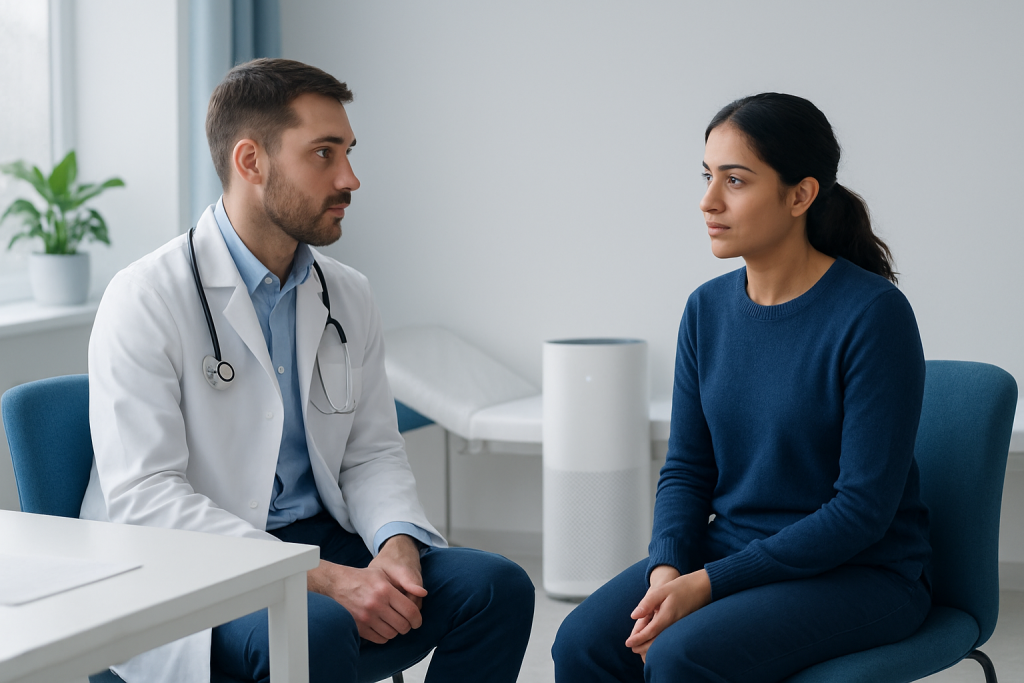
The most important feature is a true HEPA filter. HEPA filtration is designed to capture very small airborne particles efficiently, which is why it is widely recommended for allergy control. Labels such as “HEPA-like” or “HEPA-type” may not meet the same standard, so patients should read product details carefully rather than relying on general wording on the box.
The second key factor is whether the unit is properly sized for the room. A purifier that is too small for the space may run constantly without cleaning enough air. Patients should look for room coverage information and, if available, a clean air delivery rate that matches the room where the machine will be used. Bedrooms are often a good priority because people spend many hours there with the door closed.
Noise level and the ability to run continuously also matter in real life. A purifier only helps when it is on, so a quieter unit that can run overnight may be more useful than a more powerful model that a patient turns off because it is disruptive. Replacement filter availability and regular maintenance are also important, because a poorly maintained purifier will be less effective.
Some units add activated carbon filters. These may help reduce odors and some gaseous pollutants, but they are not the main feature for pollen, dander, or dust-related allergies. Ultraviolet lights, ionizers, and ozone-generating functions are often marketed heavily, yet they are usually less important than reliable HEPA filtration, and ozone-producing devices should generally be avoided because ozone can irritate the lungs.
Matching the Purifier to the Allergy Trigger
Different triggers call for slightly different expectations. For pollen allergy, an air purifier can be especially helpful after windows have been opened or after outdoor particles have been carried inside on clothes, hair, or pets. Keeping windows closed during high-pollen periods and showering after time outdoors can make the purifier more effective.
For pet allergy, a HEPA purifier may reduce airborne dander in the room, but it cannot fully control exposure if the pet continues to sleep on upholstered surfaces or enter the bedroom. Limiting pet access to certain rooms and cleaning soft furnishings often matters as much as the machine itself. Patients with persistent symptoms may benefit from a fuller treatment plan, which can sometimes include allergy treatment.
For dust-mite allergy, the purifier plays a supporting role. Dust mites live mainly in bedding, pillows, mattresses, and fabric-covered furniture. Encasements for mattresses and pillows, regular hot washing of bedding when appropriate, and reducing indoor humidity are usually more important than filtration alone.
For mold-related symptoms, an air purifier may capture some airborne spores, but it does not solve the moisture problem that allows mold to grow. Water leaks, condensation, poor ventilation, and damp materials need direct correction. In other words, air cleaning can help reduce exposure, but source control remains essential.
Limits, Common Mistakes, and Safe Use at Home
A common misunderstanding is that a purifier can “clean the whole house” from one location. In reality, air cleaning is usually most effective in the room where the device operates, especially when doors are closed and the unit runs consistently. Moving the purifier from room to room may be less helpful than placing it in the bedroom or the main living area and using it every day.
Another frequent mistake is relying on the purifier while leaving major sources of allergen unchanged. If bedding is rarely washed, carpets collect dust, or a smoker remains indoors, symptom improvement may be limited. Good home allergy control usually combines filtration with practical environmental measures such as vacuuming with a suitable filter, reducing clutter that traps dust, and keeping indoor humidity at a reasonable level.
Patients should also be cautious about devices that intentionally generate ozone or strongly ionize the air. These technologies are not necessary for most allergy control and may worsen respiratory irritation in sensitive people. A simpler true HEPA unit is often the safer and more evidence-based choice.
Lastly, filters need regular replacement according to the manufacturer’s instructions. A machine with an overdue or clogged filter may become noisy, less efficient, or less likely to move enough air. If symptoms continue despite home measures, a doctor may look for nasal allergy, sinus disease, or lower-airway involvement and may suggest tests or therapies such as respiratory function testing when breathing symptoms are present.
Air Purifiers as Part of a Medical Allergy Plan
From a clinical perspective, air purifiers are best viewed as an environmental support tool, not as a stand-alone treatment. People with mild seasonal symptoms may notice worthwhile relief when filtration is combined with trigger avoidance. Others, especially those with year-round symptoms or asthma, usually need a more structured medical plan.
Doctors may diagnose allergic rhinitis based on symptoms, examination, and testing when appropriate. Treatment can include nasal sprays, antihistamines, saline rinses, and advice on controlling home exposures. For selected patients, immunotherapy may be considered to reduce sensitivity to specific allergens over time.
Medical review is especially important when symptoms affect sleep, concentration, school or work performance, or exercise tolerance. Recurrent cough, chest tightness, wheezing, or shortness of breath should not be assumed to be “just allergies,” because airway inflammation may need separate evaluation and treatment.
Near the end of the care pathway, some patients seek integrated support that combines diagnosis, environmental guidance, and specialty follow-up. Acibadem International’s multidisciplinary specialists in JCI-accredited hospitals evaluate allergy and respiratory symptoms for international patients and can coordinate testing and treatment when needed.
When to Seek Medical Care
Medical advice is recommended if allergy-like symptoms are frequent, severe, or not improving despite reasonable home measures. Ongoing nasal blockage, facial pressure, recurrent sinus infections, poor sleep, or dependence on over-the-counter medicines may signal a condition that needs professional assessment.
Prompt medical care is particularly important if there is wheezing, chest tightness, shortness of breath, faintness, lip or tongue swelling, or symptoms that rapidly worsen after an exposure. These features may indicate significant airway involvement or another allergic reaction that should not be managed with household devices alone.
Children, older adults, pregnant patients, and people with asthma or chronic lung disease may need earlier review because symptoms can affect breathing, sleep, and daily function more quickly. A qualified clinician can confirm the cause, advise on safe treatment, and help decide whether home filtration is likely to add meaningful benefit.
Frequently asked questions
Do air purifiers really help allergies?
They can help some patients by reducing airborne allergens such as pollen, pet dander, and some dust particles indoors. The benefit is usually greatest when the purifier has a true HEPA filter, is properly sized for the room, and is used consistently along with other allergy-control steps.
What type of air purifier is best for allergies?
A true HEPA air purifier is generally the best choice for allergy sufferers. If odors or smoke are also a concern, an activated carbon layer may be useful, but HEPA filtration remains the key feature for airborne allergy particles.
Can an air purifier help with dust-mite allergy?
It may help a little with allergen that becomes airborne during daily activity, but it is not the main treatment for dust-mite allergy. Because dust mites live mostly in bedding and soft furnishings, mattress and pillow covers, regular cleaning, and humidity control are usually more important.
Should a person run an air purifier all day?
Many patients get the best results when the device runs continuously, especially in the bedroom overnight or in the room where they spend the most time. A purifier only reduces particles while it is operating, so regular use matters more than occasional short sessions.
Are ionizers or ozone air cleaners good for allergies?
These features are generally not necessary for most allergy management and may irritate the lungs in sensitive individuals. A straightforward true HEPA purifier is usually the more evidence-based and patient-friendly option.
Can an air purifier replace allergy medicine?
No. Air purifiers may reduce exposure to triggers, but they do not treat the underlying allergic response or replace medical diagnosis. If symptoms are frequent or troublesome, a doctor can recommend the most suitable treatment plan.
References
- American Academy of Allergy, Asthma & Immunology
- American College of Allergy, Asthma & Immunology
- U.S. Environmental Protection Agency
- Centers for Disease Control and Prevention
- World Health Organization
This article is for general information only and is not a substitute for professional medical advice. Please consult a qualified doctor about your individual situation.
Explore treatments in Turkey — costs, top hospitals & a free quote
JCI-accredited · board-certified surgeons · reply within 24h
Add us as a Preferred Source to see more of our trusted health content across Google Search, AI Overviews and Discover.

More from the Health Library



Related Specialists

Dr. Vusal Gulıyev
Pediatric Neurosurgery
Prof. Dr. Kağan Tun
Neurosurgery
Prof. Dr. Gülbin Bingöl
Pediatric Allergy
Assoc. Prof. Dr. Hande Senem Deveci
Otorhinolaryngology