

Best Face Masks for Acne: What Patients Need to Know
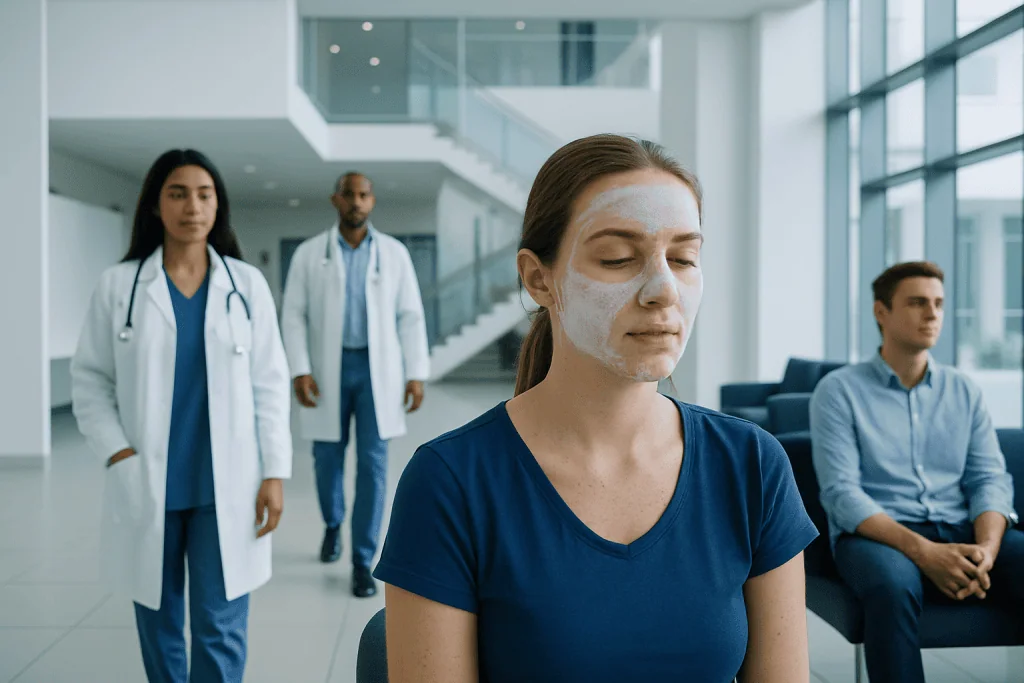
Clay, sulfur, salicylic acid, and niacinamide are among the most useful mask ingredients for acne-prone skin. A face mask can support acne care, but it does not replace a consistent daily routine or medical treatment when acne is moderate to severe.
Key Takeaways
- Clay, sulfur, salicylic acid, and niacinamide are among the most useful mask ingredients for acne-prone skin.
- A face mask can support acne care, but it does not replace a consistent daily routine or medical treatment when acne is moderate to severe.
- Masks that sting, burn, over-dry, or contain heavy oils and abrasive exfoliants may worsen irritation and breakouts.
- Patch testing and limited use are important, especially for sensitive skin or when using prescription acne medicines.
- Persistent, painful, scarring, or widespread acne should be assessed by a dermatologist.
The best face masks for acne are usually simple, non-comedogenic formulas that help absorb oil, calm inflammation, or gently unclog pores without over-drying the skin. Choosing the right mask depends on acne type, skin sensitivity, and the rest of the skincare routine, not on trends or strong ingredients alone.
Overview: Which face masks are best for acne?
The best face masks for acne are generally those that reduce excess oil, help keep pores clear, and soothe inflammation without irritating the skin barrier. For many patients, the most helpful options contain ingredients such as clay, sulfur, salicylic acid, or niacinamide. A good acne mask should feel supportive rather than aggressive: skin that becomes very tight, red, or sore after masking is often not improving, even if the product feels “strong.”
Not every breakout needs the same approach. Blackheads and oily skin often respond well to clay or salicylic acid masks, while inflamed acne may do better with calming, fragrance-free products that include niacinamide or sulfur. Dry or sensitive skin usually needs shorter contact times and less frequent use, because over-treatment can trigger more redness and sometimes more breakouts.
Face masks can be a useful add-on, but they are not a cure for acne. Acne is a chronic skin condition linked to oil production, clogged pores, inflammation, and sometimes hormonal influences. Patients with recurring breakouts may also benefit from learning more about acne and building a full skincare plan with a qualified clinician.
How acne masks work on the skin
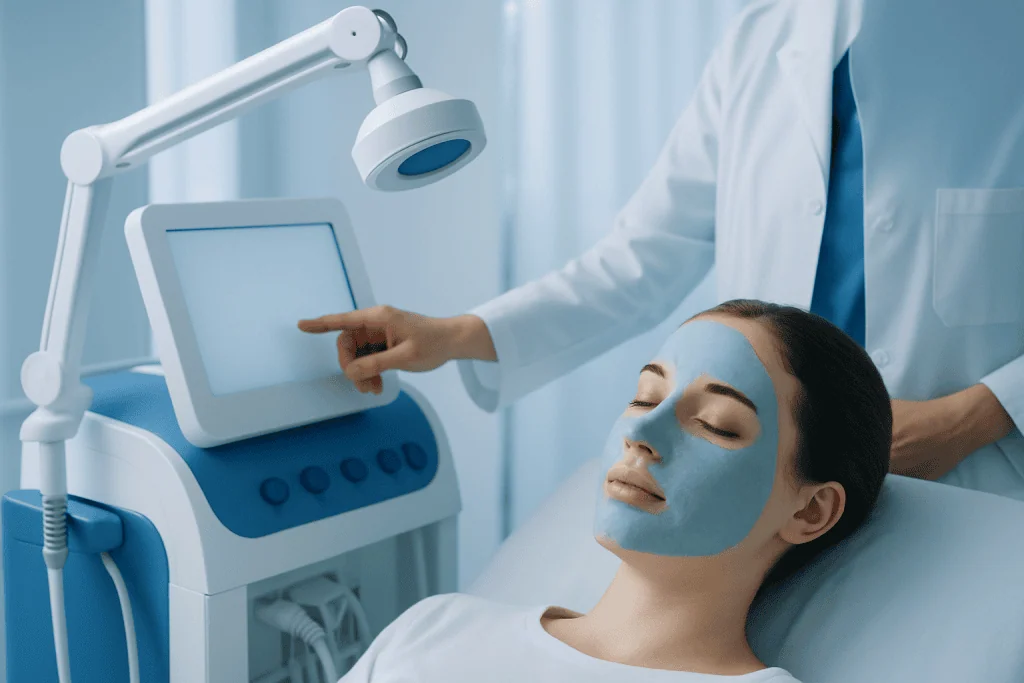
Acne face masks usually work in one or more of three ways: absorbing excess sebum, gently exfoliating inside pores, or reducing inflammation. Clay-based masks draw oil and debris from the skin surface and can leave the skin less shiny. Chemical exfoliating masks, such as those with salicylic acid, help loosen dead skin cells that contribute to clogged pores. Sulfur-based formulas can reduce oiliness and may help dry out active blemishes.
Some masks focus less on oil and more on the skin barrier. This is helpful because acne-prone skin is often both oily and irritated at the same time, especially after strong cleansers, peels, or prescription products. Ingredients such as niacinamide, panthenol, ceramides, and aloe vera may help calm visible redness and support skin comfort.
Importantly, a mask only stays on the face for a limited time. That means its effects are supportive but temporary unless the rest of the skincare routine is also appropriate. Gentle cleansing, regular use of non-comedogenic moisturizer, and sunscreen remain important, even for oily or acne-prone skin.
Best ingredients to look for in face masks for acne
Patients choosing a face mask for acne often benefit from checking the ingredient list before looking at branding claims. Several ingredients are commonly supported by dermatology practice because they address the processes behind acne rather than simply covering the skin or creating a temporary “tight” feeling.
- Clay (such as kaolin or bentonite): helpful for oily skin and shine control.
- Salicylic acid: a beta hydroxy acid that can help unclog pores and improve blackheads and whiteheads.
- Sulfur: may reduce oil and support treatment of inflamed spots.
- Niacinamide: can help calm redness and support the skin barrier.
- Charcoal: may help with surface oil, though it is often less evidence-based than active ingredients like salicylic acid.
- Ceramides or hyaluronic acid: useful in masks designed for acne-prone but dehydrated skin.
Some ingredients deserve extra caution. Strong physical scrubs, high-fragrance formulas, drying alcohols, and heavy occlusive oils can irritate or worsen acne in some patients. “Natural” products are not automatically safer; essential oils and botanical extracts may still trigger irritation or allergic reactions.
Sheet masks can be pleasant and hydrating, but they are not always the best choice for active acne unless they are specifically formulated for acne-prone skin and are fragrance-free. For patients already using prescription products, combining too many acids or exfoliants can increase redness and peeling. In that setting, a dermatologist may recommend simplifying care or discussing dermatology care for a more personalized plan.
Choosing a mask by acne type and skin type
The most suitable mask depends on the pattern of acne. For blackheads, clogged pores, and oily skin, clay or salicylic acid masks are often the most practical first options. These may help reduce congestion in the T-zone and can fit well into a routine once or twice a week. Patients should still avoid leaving the product on longer than directed, as excessive drying can lead to irritation.
For red, inflamed pimples, overly strong exfoliating masks may be uncomfortable. Sulfur or niacinamide-based masks may be gentler choices, especially when combined with a bland moisturizer afterward. Patients with sensitive skin should look for short ingredient lists and avoid products with strong fragrance, menthol, or rough exfoliating particles.
For acne-prone skin that also feels dry or tight, the goal is balance rather than oil removal alone. A soothing mask with barrier-supporting ingredients may be better than a deep-cleansing formula. This matters because skin barrier damage can make acne treatment harder to tolerate. People who also have flaking, itching, or persistent facial redness may need evaluation for other conditions such as eczema or rosacea rather than treating every bump as acne.
Hormonal or cystic acne often does not respond enough to masks alone. In these cases, a face mask may still help comfort and oil control, but medical treatment is frequently needed to reduce deeper inflammation and lower the risk of dark marks or scarring.
How to use acne masks safely
Safe use matters as much as the product itself. Most acne masks are best used on clean skin, in a thin layer, and only as often as the label or a clinician recommends. For many patients, one to three times weekly is enough. More frequent use does not always improve acne and may lead to dryness, stinging, or rebound oiliness.
Patch testing is especially important for patients with sensitive skin, allergies, or a history of irritation from skincare products. Applying a small amount to a limited area for a short period can help identify a problem before using the mask over the full face. If significant burning, swelling, or rash occurs, the product should be washed off and avoided.
After masking, a non-comedogenic moisturizer can help protect the skin barrier. Daily sunscreen is also important, particularly if the routine includes exfoliating ingredients that can increase sun sensitivity. Patients using retinoids, benzoyl peroxide, topical antibiotics, or oral acne treatment should ask whether a mask is appropriate and how to combine it with other therapies.
When acne is more persistent, clinicians may suggest a broader treatment strategy rather than repeated product changes. Depending on the skin findings, this can include acne treatment or, in selected cases where old breakouts have left marks, acne scar treatment after active acne is controlled.
Common mistakes that can make acne worse
One common mistake is choosing the strongest product available under the assumption that more tingling means better results. In reality, irritation can inflame the skin, disrupt the barrier, and make the overall acne routine harder to tolerate. A milder mask used consistently is often more helpful than a harsh one used irregularly.
Another mistake is using too many active ingredients at the same time. For example, combining exfoliating masks with scrubs, peels, retinoids, and medicated cleansers can create redness and peeling without improving acne. This can be particularly frustrating because irritated skin may still continue to break out.
Patients may also overlook product texture and occlusiveness. Thick, greasy, or pore-clogging formulas are not ideal for many acne-prone skin types, especially in humid climates or under makeup. Sleeping in a wash-off mask longer than directed or applying it only to already-inflamed lesions when it is intended for the whole acne-prone area are other frequent errors.
Finally, expecting rapid change can lead to unnecessary switching between products. Most acne care takes time. A face mask may improve oiliness or skin feel relatively quickly, but deeper acne usually requires several weeks of consistent care to assess whether a routine is helping.
When to seek medical care
Medical evaluation is appropriate when acne is painful, deep, widespread, leaving scars or dark marks, or not improving with over-the-counter care. A clinician can confirm whether the bumps are truly acne and not another skin condition. This is also important if breakouts begin suddenly in adulthood, are associated with menstrual or hormonal changes, or affect confidence and daily life.
Patients should also seek care if skincare products cause persistent burning, swelling, crusting, severe dryness, or a rash. These signs may point to irritation, allergy, or an underlying skin disorder rather than simple acne. Prompt assessment can help prevent worsening symptoms and unnecessary product use.
Specialist support can be helpful for teenagers, adults with hormonal acne, and people with acne that has already caused scarring. Acibadem International’s multidisciplinary specialists and JCI-accredited hospitals diagnose and treat skin conditions for international patients, including acne and related concerns, when a more individualized plan is needed.
Frequently asked questions
What type of face mask is usually best for acne?
For many patients, the best face masks for acne contain clay, salicylic acid, sulfur, or niacinamide. The ideal choice depends on whether the main concern is oiliness, clogged pores, inflamed pimples, or skin sensitivity.
Are clay masks good for acne-prone skin?
Clay masks can be helpful for oily, acne-prone skin because they absorb excess oil and may reduce shine. They are often most useful for blackheads and congestion, but overuse can make sensitive skin feel dry or irritated.
Can a face mask get rid of acne completely?
A face mask alone usually does not clear acne completely, especially if the acne is moderate, deep, or hormone-related. It works best as one part of a broader routine that may include gentle cleansing, moisturizer, sunscreen, and sometimes medical treatment.
How often should someone use a face mask for acne?
This depends on the product and the skin type, but many people do well with once or twice weekly use. More frequent use is not always better and may lead to dryness, redness, or worsening irritation.
Which ingredients should be avoided in acne face masks?
Many patients do best avoiding harsh scrubs, strong fragrance, drying alcohols, and heavy or greasy ingredients that may clog pores. If a product causes burning or a rash, it should be stopped and discussed with a healthcare professional.
Are sheet masks helpful for acne?
Some sheet masks can soothe acne-prone skin if they are non-comedogenic and fragrance-free. However, they are usually less targeted for clogged pores than masks containing proven acne-focused ingredients such as salicylic acid or sulfur.
References
- American Academy of Dermatology
- National Institute of Arthritis and Musculoskeletal and Skin Diseases
- Mayo Clinic
- National Health Service
- Cleveland Clinic
This article is for general information only and is not a substitute for professional medical advice. Please consult a qualified doctor about your individual situation.
Acne in Turkey — costs, top hospitals & a free quote
JCI-accredited · board-certified surgeons · reply within 24h
Add us as a Preferred Source to see more of our trusted health content across Google Search, AI Overviews and Discover.

More from the Health Library



Related Specialists

Dr. Elif Dinçer
Radiology
Assoc. Prof. Dr. Yeşim Çimen
Physical Medicine & Rehabilitation
Dr. Uğur Öner
Aesthetic Plastic & Reconstructive Surgery
Assoc. Prof. Dr. Selçuk Keskin
Urology