Best Headache Medicine: OTC Pain Relievers, Migraine Drugs, and Safe Use

There is no single best headache medicine for everyone; treatment should match the headache type. Common over-the-counter options include acetaminophen and nonsteroidal anti-inflammatory drugs such as ibuprofen and naproxen.
Key Takeaways
- There is no single best headache medicine for everyone; treatment should match the headache type.
- Common over-the-counter options include acetaminophen and nonsteroidal anti-inflammatory drugs such as ibuprofen and naproxen.
- Migraine medicines work differently from standard pain relievers and may be more effective for migraine attacks.
- Using headache medicine too often can lead to medication overuse headache.
- People with pregnancy, stomach ulcers, kidney disease, liver disease, heart disease, or blood thinner use should check with a doctor before taking certain medicines.
- Urgent medical care is needed for sudden severe headache, headache with neurological symptoms, or headache after head injury.
The best headache medicine depends on the cause, the severity of pain, and a person’s overall health. Many headaches improve with over-the-counter pain relievers, while migraines and frequent headaches may need more specific treatment and careful medical guidance.
Overview: How to Choose the Best Headache Medicine
The best headache medicine is the one that fits the type of headache and is safe for the person taking it. Headaches are not all the same. A tension headache, a migraine, a sinus-related headache, or a headache linked to illness, dehydration, poor sleep, or medication use may each need a different approach. For many people, simple measures such as rest, fluids, food, stress reduction, and a short course of over-the-counter pain relief can help.
When headache pain is moderate to severe, happens often, or comes with symptoms such as nausea, sensitivity to light, or visual changes, a doctor may consider migraine-specific treatment or evaluate for another cause. The goal is not only to relieve pain but also to reduce attacks, improve daily function, and avoid medicine-related problems.
Safe use matters as much as effectiveness. Even common pain relievers can cause side effects or interact with other medicines. Reading labels, avoiding duplicate ingredients, and knowing when to seek medical advice can help people use headache medicine more safely and effectively.
Common Types of Headache and Why They Matter
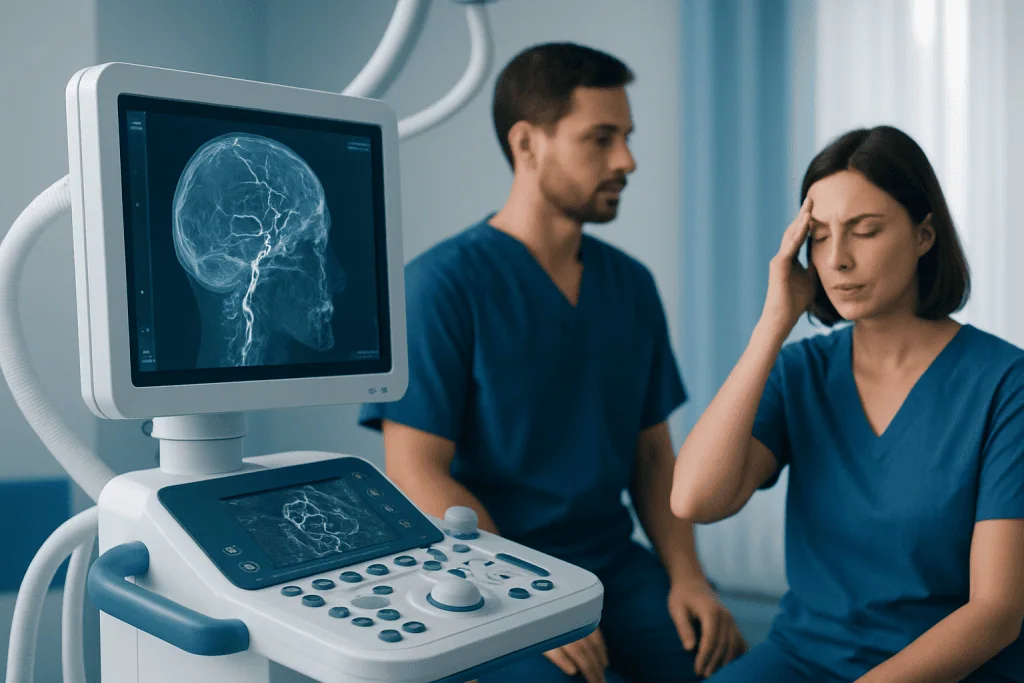
Headache treatment starts with identifying the likely headache type. Tension-type headaches often cause a dull, pressing, or tightening pain on both sides of the head. They may be linked to stress, poor posture, eye strain, missed meals, or lack of sleep. These headaches often respond to rest and standard pain relievers.
Migraine is different. It may cause throbbing or pulsing pain, often on one side, and can come with nausea, vomiting, or sensitivity to light, sound, or smells. Some people have an aura before the attack, such as flashing lights or numbness. Migraine often needs more targeted treatment than routine pain medicine. Readers wanting broader background may also find migraine information helpful.
Cluster headache is less common but very severe, with intense pain around one eye and symptoms such as tearing or nasal congestion on the same side. Other headaches may happen due to sinus inflammation, fever, high blood pressure, head injury, or neck problems. Because the cause affects treatment, recurring or unusual headaches should be assessed by a qualified clinician rather than self-treated repeatedly.
OTC Pain Relievers for Headaches

Over-the-counter, or OTC, pain relievers are often the first medicines people try. Common options include acetaminophen and nonsteroidal anti-inflammatory drugs, known as NSAIDs, such as ibuprofen, naproxen, and aspirin. These can help with tension-type headaches and may also relieve mild migraine symptoms, especially when taken early in the attack.
Acetaminophen may be a reasonable option for people who cannot take NSAIDs, but it must still be used carefully because too much can harm the liver. NSAIDs reduce pain and inflammation, but they may irritate the stomach and can increase the risk of ulcers, bleeding, kidney problems, or blood pressure issues in some people. Aspirin is not appropriate for everyone and may not be recommended in children or teenagers because of safety concerns.
Some products combine ingredients, such as acetaminophen, aspirin, and caffeine. These can work well for certain headaches, but people should be cautious because combination products can make it easier to take duplicate ingredients without realizing it. If a person uses more than one medicine, they should check labels closely and ask a pharmacist or doctor if the combination is safe.
- Acetaminophen: often used for mild to moderate headache pain
- Ibuprofen or naproxen: common NSAID options for pain and inflammation
- Aspirin: may help some adults, but not suitable for everyone
- Caffeine combinations: may boost pain relief in some cases, but can also worsen headaches if overused
Migraine Medicines and Prescription Options
When standard OTC pain relievers are not enough, migraine-specific medicines may be more effective. These medicines are designed to treat the migraine process itself, not only the pain. Doctors may prescribe therapies such as triptans for acute migraine attacks. In some situations, anti-nausea medicines or other prescription pain-relief strategies may also be used.
For people who have frequent migraines, preventive treatment may be considered. Preventive medicines are taken regularly to reduce how often migraines happen and how severe they become. This approach may be useful when headaches are disabling, frequent, or do not respond well to acute treatment. Specialist evaluation can also help rule out related neurological conditions, including brain tumor when symptoms or examination findings suggest a need for imaging or further testing.
Some patients with severe or complex headaches may benefit from care that involves neurology, imaging, and tailored treatment planning. Where clinically appropriate, a doctor may recommend advanced assessment or supportive services such as neurology evaluation or MRI scanning to better understand the cause of recurrent headaches.
Safe Use: Side Effects, Interactions, and Medication Overuse
Safe use of headache medicine means taking the right medicine for the shortest reasonable time and following the instructions on the package or prescription. More medicine does not always mean better relief. Taking pain relievers too often can actually make headaches more frequent, a condition called medication overuse headache. This is a common reason people find that their headaches become harder to control over time.
Certain people need extra caution. NSAIDs may not be suitable for those with stomach ulcers, kidney disease, heart disease, uncontrolled high blood pressure, or people taking blood thinners. Acetaminophen may need caution in people with liver disease or heavy alcohol use. Pregnancy and breastfeeding also affect medicine choices, so a pregnant person should ask a doctor before taking headache medicine, including OTC products.
Interactions matter as well. Some cold and flu remedies, sleep products, and combination pain relievers contain overlapping ingredients. Caffeine can help some headaches but may trigger others or contribute to rebound headaches if used too often. If headaches are frequent, it is usually better to speak with a doctor than to keep increasing self-treatment.
Non-Medicine Approaches and Prevention
Medicine is only one part of headache care. Many headaches improve with simple non-medicine measures such as drinking enough water, eating regular meals, getting enough sleep, limiting alcohol, reducing screen strain, and managing stress. Keeping a headache diary can help identify patterns and triggers, including skipped meals, dehydration, hormonal changes, poor sleep, certain foods, and changes in caffeine intake.
For tension headaches, gentle stretching, posture correction, stress management, and regular physical activity can reduce headache frequency. For migraines, prevention may also include avoiding known triggers where possible, using medicine early in an attack, and discussing preventive treatment if attacks happen often. Some people benefit from evaluation for related issues such as neck strain, sleep disorders, or sinus disease.
If headaches are frequent, disabling, or difficult to classify, specialist care may be useful. Depending on symptoms, a doctor may refer a patient for a comprehensive medical check-up or other targeted assessment. Near the end of the care pathway, Acibadem International’s multidisciplinary specialists and JCI-accredited hospitals also evaluate and treat headache disorders for international patients when more detailed assessment is needed.
When to See a Doctor
Occasional mild headaches are common, but some situations should be evaluated by a doctor. A person should seek medical advice if headaches are new, changing, frequent, severe, or interfering with daily life. Medical review is also important when headaches do not improve with usual treatment or when pain medicine is needed repeatedly.
Urgent medical care is needed for a sudden, severe headache that reaches maximum intensity quickly, or for a headache with weakness, confusion, trouble speaking, fainting, seizure, chest pain, high fever, stiff neck, or vision loss. Headaches after a head injury, during pregnancy, or in someone with cancer or a weakened immune system also deserve prompt medical attention. In emergency situations, clinicians may consider tests such as CT scanning or other urgent evaluation depending on the symptoms.
It is also wise to discuss headaches with a doctor if they start after age 50, wake a person from sleep regularly, worsen with coughing or exertion, or are associated with persistent vomiting. These features do not always mean a serious condition, but they should not be ignored.
Frequently asked questions
What is the best headache medicine for most people?
There is no single best headache medicine for everyone. The right choice depends on the headache type, how severe it is, how often it happens, and the person’s medical history. For many mild headaches, acetaminophen or an NSAID may help, but migraines often need different treatment.
Is ibuprofen or acetaminophen better for headaches?
Either may help, and one is not universally better than the other. Ibuprofen may work well for some headaches and migraines, but it is not suitable for everyone because of stomach, kidney, or bleeding risks. Acetaminophen can be a useful alternative, especially when NSAIDs are not advised, but it must still be used carefully.
What medicines are used specifically for migraine?
Migraine-specific prescription medicines may include triptans and other acute treatments chosen by a doctor. Some people also need anti-nausea medicine or preventive therapy to reduce migraine frequency. The best option depends on symptoms, other health conditions, and how often attacks occur.
Can taking headache medicine too often make headaches worse?
Yes. Frequent use of headache medicine can lead to medication overuse headache, sometimes called rebound headache. This can create a cycle in which headaches become more common and medicines become less effective, so medical guidance is important if headaches are happening often.
Who should be careful with over-the-counter headache medicine?
People who are pregnant, have liver disease, kidney disease, ulcers, heart disease, high blood pressure, or take blood thinners should be especially careful. Children and teenagers also need age-appropriate advice, particularly with aspirin. A pharmacist or doctor can help choose a safer option.
When should someone seek urgent care for a headache?
Urgent care is needed for a sudden severe headache, a headache after head injury, or a headache with symptoms such as weakness, confusion, seizure, fainting, high fever, stiff neck, or vision loss. These symptoms can signal a more serious problem. Prompt medical evaluation is the safest choice.
References
- World Health Organization
- National Institute of Neurological Disorders and Stroke
- American Headache Society
- National Health Service
- Mayo Clinic
This article is for general information only and is not a substitute for professional medical advice. Please consult a qualified doctor about your individual situation.
Headache Medicine in Turkey — costs, top hospitals & a free quote
JCI-accredited · board-certified surgeons · reply within 24h
Add us as a Preferred Source to see more of our trusted health content across Google Search, AI Overviews and Discover.
Check your numbers in seconds
BMI, calories, due date, blood pressure and 30+ more clinical calculators — free, instant, doctor-reviewed ranges.

Neurology
Diagnosis and treatment of disorders of the brain, spinal cord, nerves and muscles.
51 specialists in this unit