Best Workout for Abs: An Evidence-Based Guide for Patients
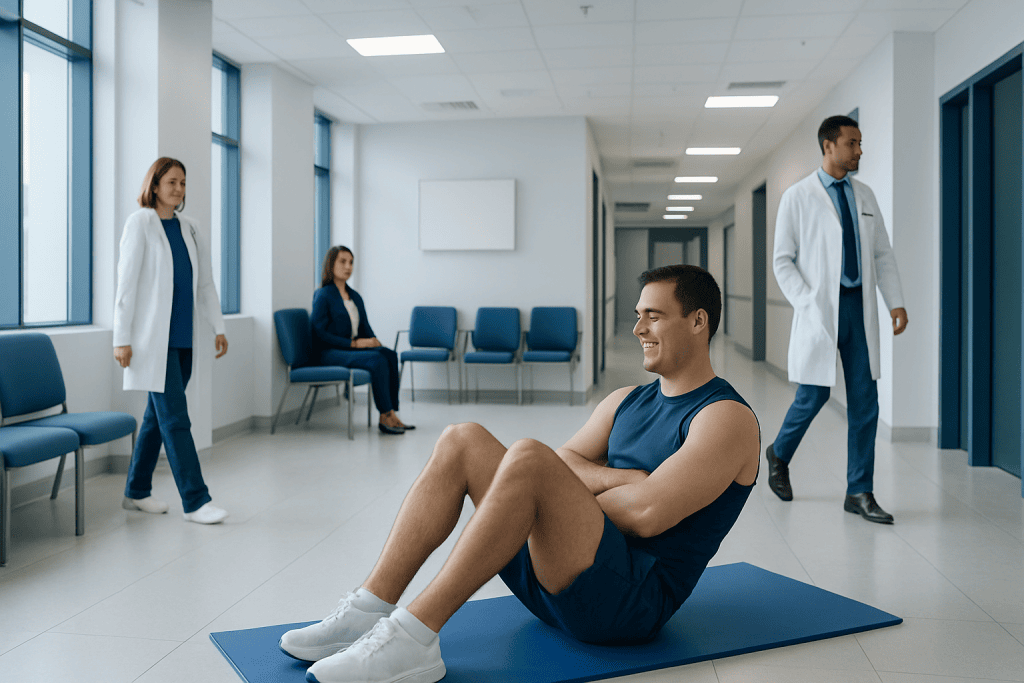
Visible abs depend on both abdominal muscle development and overall body-fat level. A balanced routine should train the entire core, not only the front abdominal muscles.
Key Takeaways
- Visible abs depend on both abdominal muscle development and overall body-fat level.
- A balanced routine should train the entire core, not only the front abdominal muscles.
- Exercise quality, progression, and recovery matter more than doing very high numbers of crunches.
- Back pain, hernia symptoms, or pain during exercise should be assessed by a qualified clinician.
- Most people benefit from a gradual program that includes strength training, cardio, sleep, and nutrition habits.
The best workout for abs is not one single exercise. For most people, the most effective approach combines progressive core strengthening, full-body resistance training, aerobic activity, and nutrition that supports a healthy body-fat level.
Overview: What Is the Best Workout for Abs?
The best workout for abs is a structured program rather than a single “best” movement. In practical terms, it usually includes exercises that train the abdominal wall and deeper core muscles, along with full-body strength training and regular physical activity that helps manage body fat. This combination improves core strength, posture, and trunk control, and it may also help abdominal definition become more visible over time.
Many people think abdominal training means doing repeated crunches every day. Evidence and sports medicine practice suggest a broader approach works better. The core includes the rectus abdominis, obliques, transverse abdominis, muscles around the spine, the diaphragm, and the pelvic floor. Exercises that challenge stability, controlled spinal movement, and anti-rotation often provide more complete training than one exercise alone.
For patients and general exercisers, the most useful goal is usually not “perfect abs,” but a stronger, more functional midsection. A well-trained core supports daily activities, exercise performance, balance, and spinal control. Visible abdominal muscles can be a realistic goal for some people, but appearance is influenced by genetics, sex, age, hormones, nutrition, sleep, and overall health.
How the Abdominal Muscles Work
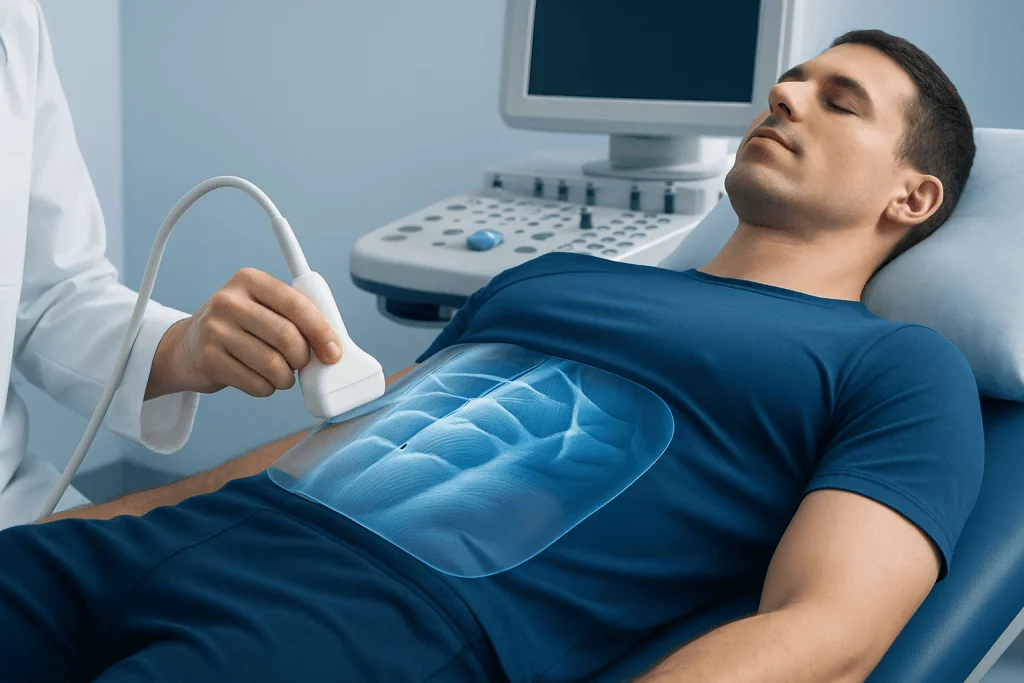
The abdominal region is made up of several muscles with different roles. The rectus abdominis helps flex the trunk. The internal and external obliques support rotation and side bending, while also helping resist unwanted twisting. The transverse abdominis acts like a natural support layer around the trunk, helping with abdominal pressure and stability.
Because these muscles work together, the best workout for abs should include more than spinal flexion. It should also challenge anti-extension, anti-rotation, and controlled stabilization. In simple terms, this means some exercises involve moving the trunk, while others involve keeping the trunk steady against resistance.
This is one reason planks, dead bugs, bird dogs, side planks, cable or band rotations, and loaded carries are often recommended alongside more traditional movements. A balanced program may support safer movement patterns and reduce overuse from repeating only one exercise. People with existing back or neck symptoms may especially benefit from this wider approach and, if needed, an assessment for back pain.
Exercises That Commonly Work Best

There is no universal single best exercise, but several categories of movement are consistently useful. Anti-extension exercises such as planks, body saws, and dead bugs help the trunk resist arching. Anti-rotation exercises such as Pallof presses or single-arm carries train the core to stay stable while the limbs move. Flexion-based exercises such as curl-ups or reverse crunches can still have a role when done with good control and when they are comfortable for the individual.
A practical abs routine often includes 4 to 6 movements performed two to four times per week. A sample pattern might include a front plank variation, side plank, dead bug, reverse crunch, a controlled rotational exercise, and a carry. Repetition ranges and holding times can vary, but the key is progressive overload: increasing difficulty gradually by changing leverage, resistance, tempo, range, or total work.
Exercise selection should match the person’s health status and training level. Someone recovering from injury or surgery may need a modified program focused first on motor control and gentle activation. Patients with poor conditioning may benefit from guided physical therapy and rehabilitation before progressing to more demanding core work. Good technique is especially important in exercises that load the spine or involve rapid twisting.
- Beginner-friendly examples: dead bug, bird dog, modified side plank, glute bridge, suitcase carry
- Intermediate examples: standard plank, side plank with leg lift, reverse crunch, Pallof press, hanging knee raise
- Advanced examples: ab wheel rollout, long-lever plank, hanging leg raise, cable chop/lift, loaded carries with heavier resistance
Why Full-Body Training and Body Fat Matter
One of the most common misunderstandings is that ab exercises alone can create visible abs. In reality, strengthening the abdominal muscles is only one part of the picture. For abdominal definition to show, many people also need a body-fat level low enough for the muscles underneath to be visible. Spot reduction, meaning losing fat from only one area by exercising that area, is not supported by current evidence.
That is why the best workout for abs usually includes larger strength exercises such as squats, rows, presses, hinges, and carries. These movements recruit the core while training the rest of the body and can help build or maintain lean mass. Aerobic activity, whether brisk walking, cycling, swimming, or interval training, also supports cardiovascular health and energy expenditure.
Nutrition remains essential. A patient does not need an extreme diet, but eating patterns that support a healthy calorie balance, adequate protein, fiber-rich foods, and regular meals can help. For people carrying excess abdominal weight, a clinician may also consider broader metabolic factors linked to obesity and advise a personalized plan rather than a short-term “ab challenge.”
Building a Safe and Effective Abs Routine
For most adults, training the core two to four times per week is enough when combined with total-body exercise. The abdominal muscles recover like other muscles, so daily high-volume training is usually unnecessary. Sessions can be brief, often 10 to 20 minutes, if the exercises are chosen well and progressed over time.
Progression should be gradual. A person might start with shorter plank holds, easier leverage, or fewer sets, then increase challenge as control improves. Quality matters more than speed. During exercises, patients should try to breathe steadily, avoid straining the neck, and stop if they feel sharp pain rather than normal muscular effort.
People who are pregnant, recently postpartum, older adults, or those with a history of spinal problems, hernia, or pelvic floor symptoms may need tailored advice. In some cases, guided exercise from a specialist can help restore safe movement patterns. If abdominal weakness is accompanied by bulging, groin discomfort, or pressure, evaluation for conditions such as hernia may be appropriate before starting a demanding routine.
Common Mistakes and Misleading Claims
A frequent mistake is doing too many repetitions of one exercise, especially crunches, while ignoring the rest of the core and overall fitness. Another is progressing too quickly to advanced movements seen on social media. Exercises like hanging leg raises or ab wheel rollouts can be excellent, but they are not automatically better for everyone and may overload the lower back or shoulders if introduced too soon.
Another misconception is that abdominal soreness means the workout was effective. Soreness can happen, especially after a new routine, but it is not the best marker of progress. Better indicators include improved control, longer hold times with good form, increased resistance, and greater ease during daily activities or sport.
Commercial products and “rapid abs” programs can also create unrealistic expectations. No device, supplement, or short challenge can replace consistent training, sleep, nutrition, and recovery. If a person is unsure whether they are exercising correctly, supervised sports medicine and athlete health or rehabilitation support may help refine technique and reduce injury risk.
When to Seek Medical Care
Most mild muscle fatigue after exercise is normal, but pain should not be ignored. Medical advice is important if abdominal exercise causes sharp or persistent back pain, chest pain, dizziness, shortness of breath out of proportion to effort, numbness, or pain that radiates down the leg. These symptoms may point to a problem beyond simple muscle strain.
Evaluation is also sensible if there is abdominal bulging, a painful lump in the groin or around the navel, pelvic floor symptoms, or ongoing discomfort after pregnancy or surgery. People with chronic medical conditions should ask a clinician before starting intense exercise, especially if they have heart disease, uncontrolled blood pressure, recent operations, or significant musculoskeletal limitations.
If symptoms limit activity, physicians may recommend examination, imaging when appropriate, and a personalized exercise plan. At Acibadem International, multidisciplinary specialists in JCI-accredited hospitals assess movement-related symptoms and provide medical and rehabilitation care for international patients, including exercise-based recovery when needed through services such as orthopedic rehabilitation.
Frequently asked questions
What is the best workout for abs for most beginners?
For beginners, the best workout for abs usually includes simple, controlled exercises such as dead bugs, bird dogs, modified planks, side planks, and glute bridges. These movements train core stability and coordination with less strain than advanced exercises.
Are crunches enough to get abs?
Crunches can strengthen part of the abdominal wall, but they are not enough on their own for most people. A better plan includes full-core exercises, total-body strength training, aerobic activity, and nutrition that supports a healthy body-fat level.
How often should abdominal muscles be trained?
Most people do well with core-focused training two to four times per week. The ideal frequency depends on the rest of the exercise program, the intensity of each session, and how well the person recovers.
Can abdominal exercises burn belly fat?
Abdominal exercises strengthen the muscles underneath, but they do not selectively burn fat from the belly. Body-fat reduction happens more broadly and is influenced by overall activity, eating habits, sleep, stress, and health factors.
Is it normal to feel lower back discomfort during ab exercises?
Mild muscle effort can be normal, but persistent or sharp lower back discomfort is not a sign to push through. It may mean the exercise is too advanced, the technique needs adjustment, or another condition should be assessed.
How long does it take to see results from an abs routine?
Strength and control can improve within weeks, especially in beginners. Visible abdominal definition often takes longer because it depends not only on muscle training, but also on body composition, genetics, and consistency over time.
References
- World Health Organization
- American College of Sports Medicine
- National Institutes of Health
- National Institute of Arthritis and Musculoskeletal and Skin Diseases
- American Academy of Orthopaedic Surgeons
This article is for general information only and is not a substitute for professional medical advice. Please consult a qualified doctor about your individual situation.
Medical weight-loss options in Turkey — costs & eligibility
JCI-accredited · board-certified surgeons · reply within 24h
Add us as a Preferred Source to see more of our trusted health content across Google Search, AI Overviews and Discover.
Check your numbers in seconds
BMI, calories, due date, blood pressure and 30+ more clinical calculators — free, instant, doctor-reviewed ranges.