Biceps Tenodesis: A Complete Medical Overview

Biceps tenodesis treats pain and dysfunction caused by injury or degeneration of the long head of the biceps tendon. The procedure moves and secures the tendon to the upper arm bone instead of leaving it attached inside the shoulder joint.
Key Takeaways
- Biceps tenodesis treats pain and dysfunction caused by injury or degeneration of the long head of the biceps tendon.
- The procedure moves and secures the tendon to the upper arm bone instead of leaving it attached inside the shoulder joint.
- Recovery usually includes sling use, followed by structured physical therapy and gradual return to activity.
- It is often performed together with treatment for related shoulder problems such as rotator cuff tears or labral injury.
- Surgical decisions depend on symptoms, activity level, tendon damage, and response to non-surgical care.
Biceps tenodesis is a surgical procedure used to treat pain or damage involving the long head of the biceps tendon in the shoulder. It works by securing the tendon in a new position, which can relieve symptoms, improve shoulder function, and reduce irritation from an injured tendon.
Overview: what biceps tenodesis is and why it is done
Biceps tenodesis is a procedure used to treat problems affecting the long head of the biceps tendon, one of the tendons that helps connect the biceps muscle to the shoulder. In this operation, the surgeon detaches the damaged tendon from its original attachment inside the shoulder and secures it to the upper arm bone. This changes how the tendon moves, often reducing pain and mechanical irritation.
The procedure is usually considered when shoulder pain is linked to biceps tendon inflammation, partial tearing, instability, or wear related to other shoulder conditions. It may also be recommended when the tendon is contributing to symptoms alongside a rotator cuff tear or a labral injury. For some people, this approach can preserve arm appearance and strength better than simply releasing the tendon without reattaching it.
Biceps tenodesis is not a single identical operation for every patient. Surgeons may perform it arthroscopically, through a small open incision, or with a combination of techniques depending on the tendon problem and any associated shoulder damage. The best method depends on the anatomy involved, the person’s activity level, and the surgeon’s assessment.
When biceps tendon problems cause symptoms
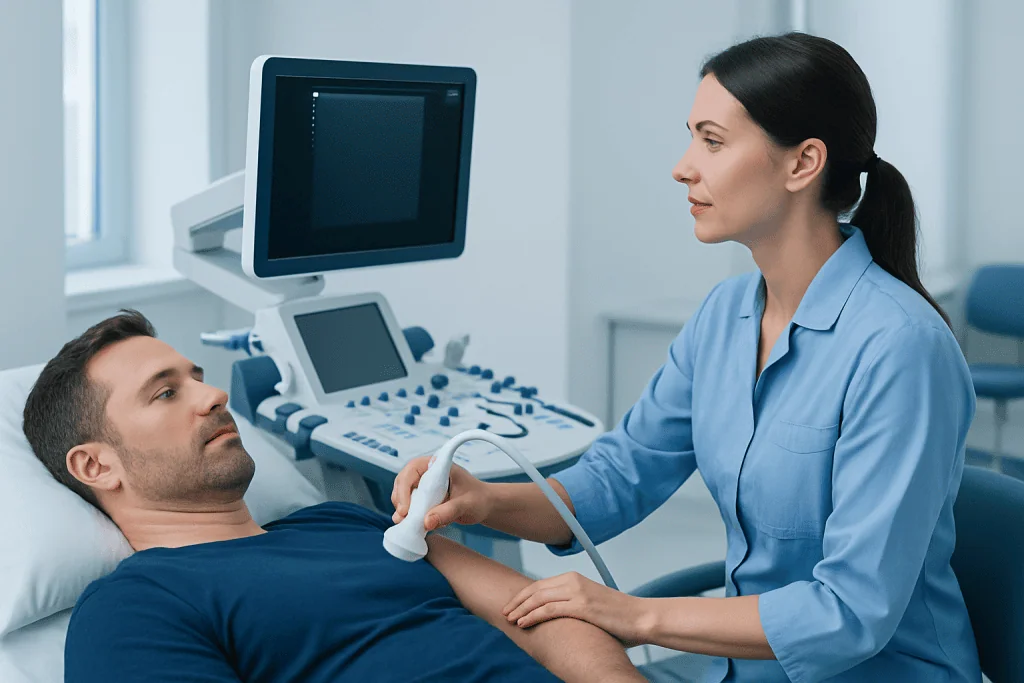
Not all changes in the biceps tendon cause symptoms, but when they do, pain is usually the main concern. Discomfort is often felt in the front of the shoulder and may worsen with lifting, overhead reaching, throwing, pulling, or repetitive arm use. Some people describe a deep ache, while others notice sharp pain with certain movements.
Symptoms can develop gradually from overuse and age-related degeneration, or they can begin after a fall, sudden pull, sports injury, or heavy lifting. Because the biceps tendon works closely with other shoulder structures, symptoms may overlap with rotator cuff tear or labral injury. This can make the source of pain difficult to identify without a medical evaluation.
Possible symptoms include:
- Pain in the front of the shoulder or upper arm
- Tenderness over the bicipital groove
- Clicking, catching, or a sense of tendon slipping
- Weakness with lifting or carrying
- Pain during sports or overhead activity
- Night pain or discomfort when lying on the affected side
If the tendon is significantly damaged, the person may also notice muscle cramping, reduced endurance, or a change in the contour of the upper arm. However, symptoms vary, and imaging findings do not always match how severe the pain feels.
Common causes and who may need surgery
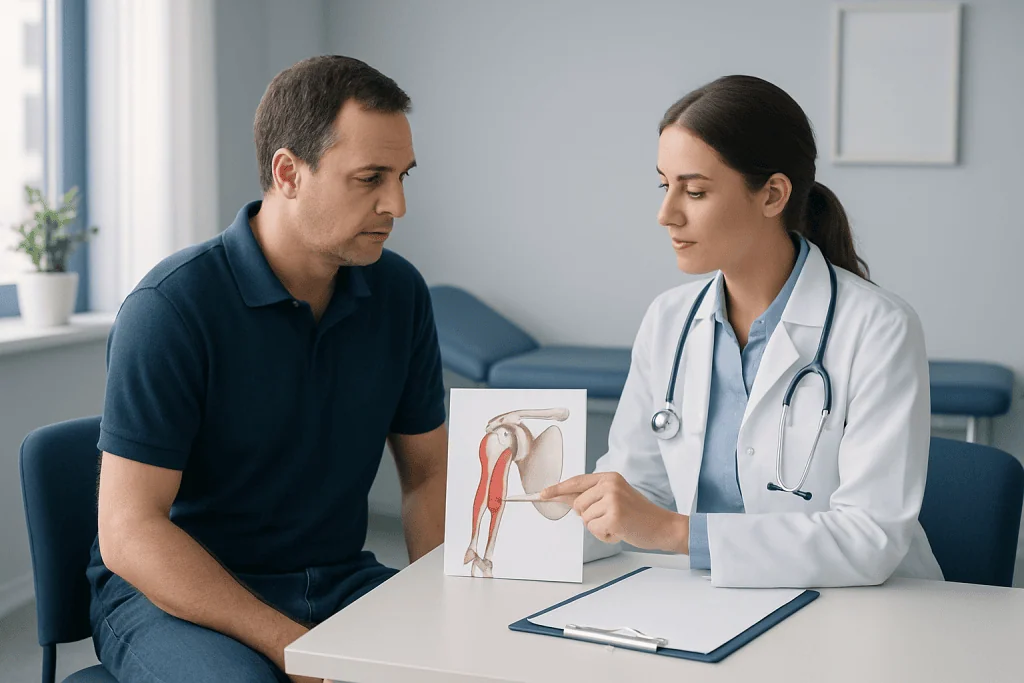
The long head of the biceps tendon can become painful for several reasons. Repetitive shoulder motion, especially overhead motion, may irritate the tendon over time. Age-related tendon degeneration can also make the tissue more vulnerable to fraying or partial tearing. In some cases, the tendon becomes unstable and slips from its normal groove, leading to pain and a snapping sensation.
Biceps tenodesis may be considered when non-surgical treatment has not relieved symptoms or when the tendon is too damaged to function well. It is often recommended for active adults, athletes, manual workers, or anyone who wants to reduce the chance of arm deformity or cramping after tendon treatment. It may also be selected when the tendon is being addressed during another shoulder procedure such as rotator cuff repair or shoulder arthroscopy.
Conditions that can lead to consideration of biceps tenodesis include:
- Biceps tendinitis or tenosynovitis
- Partial tearing of the long head of the biceps tendon
- Tendon instability or subluxation
- Superior labrum (SLAP) injury
- Associated shoulder impingement or rotator cuff disease
- Persistent pain after failed conservative management
Doctors usually weigh several factors before recommending surgery, including age, daily demands, sports participation, degree of tendon injury, and whether the shoulder has other structural problems that also need treatment.
How doctors diagnose the problem
Diagnosis begins with a medical history and physical examination. The doctor asks about where the pain is felt, what activities worsen it, whether there was an injury, and how symptoms affect sleep, work, sports, or daily life. During the examination, the shoulder is checked for tenderness, range of motion, strength, instability, and signs of other shoulder conditions.
Special physical tests may suggest involvement of the biceps tendon, but these tests are not always specific. Because shoulder pain can come from several structures at once, doctors often look for combined problems such as labral tears, impingement, and rotator cuff disease. That broader assessment helps guide treatment planning.
Imaging may be used to support the diagnosis. Ultrasound can sometimes evaluate the tendon dynamically, while MRI is commonly used to assess the biceps tendon, rotator cuff, labrum, and surrounding soft tissues. X-rays do not show the tendon itself, but they may help identify bone changes or other causes of shoulder pain.
Surgery is generally considered only after the symptoms, physical findings, and imaging results together suggest that the biceps tendon is a meaningful source of pain or dysfunction. In many cases, the decision depends not only on imaging but also on how long symptoms have lasted and whether guided rehabilitation has already been tried.
Treatment options before and including surgery
Many people with biceps tendon pain improve without surgery. Initial treatment often includes activity modification, rest from aggravating movements, anti-inflammatory medication when appropriate, ice, and physical therapy focused on shoulder mechanics, posture, and strengthening the rotator cuff and shoulder blade muscles. Some patients may also benefit from image-guided injections, depending on the diagnosis and clinical judgment.
If symptoms continue despite a reasonable course of non-surgical treatment, surgery may be discussed. Biceps tenodesis is one surgical option, especially when the tendon is torn, unstable, or significantly degenerated. Another option is tenotomy, which releases the tendon without reattaching it. Tenotomy can be appropriate for some patients, but tenodesis may be preferred when preserving muscle contour, minimizing cramping, or maintaining strength is an important goal.
During biceps tenodesis, the surgeon secures the tendon to the humerus using a technique suited to the patient’s anatomy and associated shoulder findings. If other problems are present, they may be treated in the same operation, such as labrum surgery or treatment of a rotator cuff tear. The exact plan is individualized after discussing symptoms, goals, risks, and expected recovery.
As with any surgery, possible risks include stiffness, infection, persistent pain, fixation failure, nerve injury, blood vessel injury, or incomplete symptom relief. These complications are uncommon but important to understand. A detailed conversation with an orthopedic surgeon helps clarify whether the expected benefits are likely to outweigh the risks in a particular case.
Recovery, rehabilitation, and return to activity
Recovery after biceps tenodesis is gradual and usually involves protection of the repair followed by progressive rehabilitation. A sling is commonly used in the early period, and patients are generally asked to avoid lifting, pulling, or active use of the biceps until the tendon has had time to heal in its new position. The exact restrictions vary depending on the surgical technique and whether other procedures were performed at the same time.
Physical therapy is a central part of recovery. Early therapy often focuses on pain control and gentle range-of-motion exercises. Later phases usually emphasize restoring shoulder movement, then rebuilding strength in the shoulder, arm, and shoulder blade muscles. Because healing takes time, returning too quickly to resistance training or sports may increase the risk of setbacks.
Recovery timelines differ from person to person. Desk work may be possible relatively early, while heavy labor, racket sports, swimming, weight training, or throwing activities usually require a longer progression. People who have combined surgery, such as repair of a significant rotator cuff tear, often need a longer rehabilitation period than those who had isolated biceps tenodesis.
Clear communication with the surgeon and therapist is important throughout recovery. Persistent swelling, severe pain, increasing stiffness, fever, wound problems, or sudden loss of function should be reported promptly. With an appropriate rehabilitation plan, many patients regain useful function and experience meaningful improvement in pain.
Self-care and when to seek medical care
Helpful self-care for suspected biceps tendon problems includes avoiding repetitive overhead activity for a period of time, applying ice after symptom-provoking activity, and working on posture and shoulder mechanics with professional guidance. It is usually best to avoid self-directed heavy strengthening during a painful flare, since this can worsen irritation. A clinician or physical therapist can help determine which exercises are safe.
Medical assessment is especially important if shoulder pain follows an injury, is severe, does not improve, or interferes with sleep, work, or sports. Evaluation is also advisable when there is weakness, a popping sensation, visible change in arm shape, recurrent catching, or symptoms that suggest a more complex shoulder problem. Early assessment can help identify whether the issue is related to the biceps tendon alone or part of a broader shoulder condition.
People should seek more urgent care if they develop intense pain after a sudden injury, inability to move the arm, numbness, significant swelling, or signs of infection after surgery such as fever, redness, or drainage. Although many shoulder problems are not emergencies, worsening symptoms deserve prompt attention from a qualified clinician.
For patients who need specialist evaluation, Acibadem International’s multidisciplinary teams in JCI-accredited hospitals diagnose and treat shoulder conditions, including biceps tendon disorders, for international patients. A careful diagnosis is the first step toward choosing between rehabilitation, injections, or procedures such as orthopedic rehabilitation and surgery when needed.
Frequently asked questions
What is the purpose of biceps tenodesis?
The purpose of biceps tenodesis is to treat pain and dysfunction caused by damage or irritation of the long head of the biceps tendon. By moving and securing the tendon to the upper arm bone, the procedure reduces stress on the tendon inside the shoulder joint.
Is biceps tenodesis the same as a biceps tendon repair?
Not exactly. Biceps tenodesis is a specific type of surgical treatment in which the tendon is reattached in a new location. It may be used when the tendon is inflamed, unstable, partially torn, or contributing to shoulder pain along with other injuries.
How long does recovery from biceps tenodesis take?
Recovery time varies based on the person, the surgical technique, and whether other shoulder procedures were done at the same time. Many patients need several months of rehabilitation before returning to full strength-based or overhead activities.
Will physical therapy be needed after surgery?
Yes, physical therapy is usually an important part of recovery after biceps tenodesis. Rehabilitation helps protect the healing tendon, restore range of motion, and gradually rebuild shoulder and arm strength.
Can biceps tendon problems heal without surgery?
In many cases, yes. Rest, activity modification, medication when appropriate, and targeted physical therapy can improve symptoms, especially when the tendon problem is mild or moderate. Surgery is generally considered when symptoms persist or the tendon is significantly damaged.
What is the difference between tenodesis and tenotomy?
In tenodesis, the tendon is detached and then fixed to the humerus. In tenotomy, the tendon is simply released. Tenodesis may be preferred for some active patients because it can reduce the risk of cramping or cosmetic changes in the arm.
This article is for general information only and is not a substitute for professional medical advice. Please consult a qualified doctor about your individual situation.
Joint and spine care in Turkey — expert assessment & treatment
JCI-accredited · board-certified surgeons · reply within 24h
Add us as a Preferred Source to see more of our trusted health content across Google Search, AI Overviews and Discover.

More from the Health Library

P E Y O T E — Explained by Medical Evidence, Not Myths

Simvastatin: What Patients Need to Know

Ams Medical Abbreviation: What Patients Need to Know

How does the circulatory system work with the respiratory? A Doctor-Reviewed Answer

Multivitamin — Explained by Medical Evidence, Not Myths