Reflex — Explained by Medical Evidence, Not Myths

A reflex happens automatically without conscious control. Reflexes help protect the body and support everyday functions.
Key Takeaways
- A reflex happens automatically without conscious control.
- Reflexes help protect the body and support everyday functions.
- Doctors test reflexes to learn how the nervous system is working.
- Reflex changes are not a diagnosis by themselves, but they can guide further evaluation.
- New weakness, numbness, severe pain, or sudden reflex changes should be assessed by a doctor.
A reflex is an automatic, fast body response to a stimulus, such as blinking, coughing, or pulling a hand away from heat. Most reflexes are protective and normal, while unusually weak, absent, or exaggerated reflexes can sometimes point to a problem in the nerves, spinal cord, or brain.
What is a reflex?
A reflex is the body’s automatic response to a stimulus. It happens quickly and does not require a person to think about it first. Common examples include blinking when something approaches the eye, coughing when the airway is irritated, and pulling a hand away from a hot surface.
Reflexes are an important part of normal human function. They help protect the body from harm and support basic activities such as swallowing, posture, balance, and breathing. Some reflexes are present from birth, while others develop as the nervous system matures.
In medical care, the word reflex often refers to the responses a clinician checks during a physical examination, such as the knee-jerk reaction. These tests are not about speed alone. They help show whether messages are traveling properly through nerves, the spinal cord, and the brain.
How reflexes work in the nervous system
A reflex usually travels through a pathway called a reflex arc. First, a receptor detects a stimulus, such as stretch, pain, or touch. A sensory nerve then carries that message toward the spinal cord or brainstem, where it is processed and quickly sent back through a motor nerve to produce a response.
Some reflexes are handled mainly at the spinal cord level, which is why they can happen very fast. Others involve the brainstem or higher brain pathways. Even when a reflex is automatic, the brain can still influence how strong or weak it appears.
This is why reflex testing matters in neurology. If a reflex is absent, reduced, or stronger than expected, it may suggest that part of the nervous system is not functioning normally. Doctors often combine reflex findings with symptoms, muscle strength, sensation, balance, and imaging or other tests if needed.
Types of reflexes and common examples

There are several ways to group reflexes. One simple distinction is between protective reflexes and deep tendon reflexes. Protective reflexes include blinking, gagging, sneezing, coughing, and withdrawing from pain. Deep tendon reflexes are the ones commonly checked with a reflex hammer, such as the knee and ankle reflexes.
Doctors may also describe reflexes as normal primitive reflexes in infants. These include the rooting and Moro reflexes, which help assess early neurological development. In adults, those infant reflexes normally disappear as the brain matures. If some primitive reflexes reappear later in life, they may suggest a neurological problem.
Common reflexes include:
- Patellar reflex: the knee-jerk response when the tendon below the kneecap is tapped
- Achilles reflex: foot movement after the Achilles tendon is tapped
- Plantar response: the way the toes respond when the sole of the foot is stroked
- Pupillary reflex: the pupils constricting in response to light
- Withdrawal reflex: pulling away from pain or extreme heat
Not every reflex is visible in everyday life, and not every unusual response is serious. Age, medications, anxiety, muscle tension, temperature, and individual variation can all affect what a clinician sees during an examination.
What abnormal reflexes can mean
Abnormal reflexes generally fall into a few broad patterns: reduced reflexes, absent reflexes, or exaggerated reflexes. Reduced or absent reflexes can happen when there is a problem with the peripheral nerves, the nerve roots, the muscles, or the connections involved in the reflex arc. Exaggerated reflexes may suggest changes affecting the brain or spinal cord pathways that normally regulate reflex activity.
These findings do not point to only one condition. For example, low reflexes may be seen with peripheral nerve disorders, some metabolic problems, or local nerve compression. Brisk reflexes may occur with spinal cord disease, certain brain disorders, or sometimes simply as a normal variant in a healthy person.
Doctors also look for specific abnormal patterns, such as an unusual plantar response, asymmetry between the two sides of the body, or reflexes that are accompanied by weakness, numbness, stiffness, or changes in walking. In some cases, reflex changes may be part of the evaluation for conditions such as multiple sclerosis, Parkinson's disease, or other neurological disorders.
Because reflexes are only one piece of the picture, they are interpreted carefully. A single unusual reflex test result does not necessarily mean a serious illness is present. The result becomes more meaningful when it is considered together with a person’s symptoms, medical history, and full neurological examination.
How doctors test reflexes
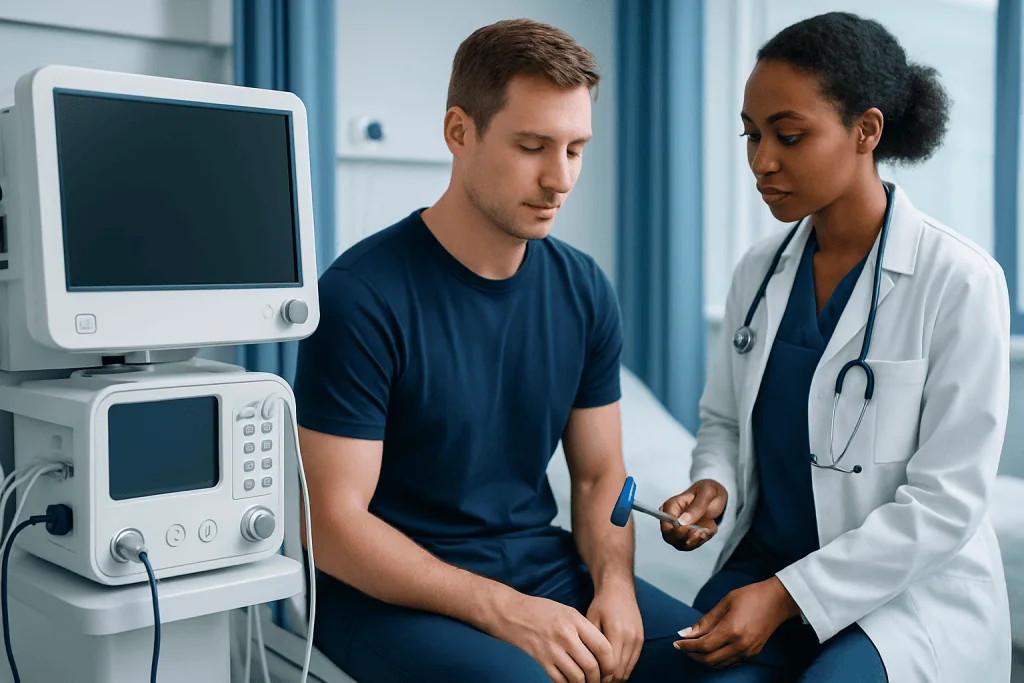
Reflex testing is a routine part of many physical and neurological exams. A clinician may use a small reflex hammer to tap specific tendons at the knee, ankle, elbow, or wrist. The response is observed and often compared on both sides of the body. The test is brief and usually not painful.
Other reflexes may be checked in different ways. For example, the doctor may shine a light into the eyes to assess the pupillary reflex, stroke the sole of the foot to evaluate the plantar response, or test gag and swallowing reflexes if there are concerns about the brainstem or cranial nerves.
If reflex findings raise questions, further evaluation may be recommended. Depending on the situation, this can include a detailed neurology evaluation, blood tests, nerve conduction studies, electromyography, or MRI of the brain or spine. These tests help clarify whether symptoms are related to the peripheral nerves, muscles, spinal cord, or brain.
In some people, especially children or older adults, clinicians may adapt the examination to the person’s age, comfort, and cooperation. The goal is not only to find abnormalities, but also to understand whether the nervous system is functioning in a coordinated and expected way.
Causes and factors that can affect reflexes
Reflexes can be influenced by many medical and non-medical factors. Temporary changes may occur with fatigue, anxiety, cold temperature, or difficulty relaxing during the exam. Certain medicines can also affect reflexes, including some sedatives, muscle relaxants, or drugs that act on the nervous system.
Medical causes vary widely. Peripheral nerve injury, a pinched nerve, diabetes-related nerve damage, vitamin deficiencies, thyroid disease, spinal cord compression, stroke, and other neurological conditions can all change reflex responses. Muscle disorders may also affect the visible response even if the nerves themselves are partly intact.
In some cases, reflex changes are assessed alongside symptoms such as back pain, limb weakness, tremor, poor balance, numbness, or changes in coordination. If there are signs suggesting spinal pressure or a structural issue, doctors may recommend neurosurgical assessment or other specialist care. The cause is not determined by the reflex test alone, but the pattern can help guide the next step.
When to seek medical care
Medical advice is appropriate if a person notices new weakness, numbness, tingling, difficulty walking, loss of balance, muscle wasting, tremor, or sudden changes in body control. These symptoms may or may not be related to reflexes, but they deserve proper evaluation, especially if they are getting worse.
Urgent assessment is important if symptoms appear suddenly, especially after a head or spine injury, or if they are accompanied by severe headache, facial drooping, confusion, speech trouble, loss of bladder or bowel control, or sudden inability to move part of the body. These can be warning signs of a serious neurological problem.
It is also reasonable to seek care when a clinician has noted abnormal reflexes and further explanation is needed. For international patients who require coordinated evaluation, Acibadem International’s multidisciplinary specialists and JCI-accredited hospitals diagnose and treat neurological conditions using a team-based approach.
Treatment, self-care, and what to expect
There is no single treatment for an abnormal reflex because the reflex itself is a sign, not a disease. Treatment depends on the underlying cause. For example, management may involve controlling diabetes, correcting a nutritional deficiency, adjusting a medication, treating inflammation, relieving nerve compression, or addressing a brain or spinal disorder.
Some people may benefit from rehabilitation to improve strength, mobility, balance, and daily function. Depending on the diagnosis, a doctor may recommend physical therapy and rehabilitation as part of recovery or long-term care. Follow-up is often important to monitor whether symptoms are stable, improving, or progressing.
At home, the safest approach is to note any symptom changes and follow the clinician’s advice. General self-care may include managing chronic conditions, avoiding injuries, staying physically active within safe limits, eating a balanced diet, and reporting new neurological symptoms promptly. People should avoid self-diagnosing based on reflex findings alone, since interpretation requires clinical context.
Many reflex changes turn out to have manageable explanations, and some are not harmful. A careful medical assessment can help clarify what is normal for the individual, what needs monitoring, and whether any treatment is necessary.
Frequently asked questions
What is the simple meaning of reflex?
A reflex is an automatic response the body makes to a stimulus. It happens without a person needing to think about it first, which helps the body react quickly and protect itself.
Is the knee-jerk response a reflex?
Yes. The knee-jerk response, also called the patellar reflex, is one of the most common reflexes checked during a physical exam. It helps doctors assess how well certain nerves and spinal cord pathways are working.
Are abnormal reflexes always a sign of serious disease?
No. Reflexes can vary from person to person, and temporary factors such as anxiety, muscle tension, cold, or medication may affect the test. However, clearly abnormal or uneven reflexes may need medical evaluation, especially if symptoms like weakness or numbness are also present.
Why do doctors test reflexes during a neurological exam?
Doctors test reflexes to gather information about the nervous system. Reflex patterns can help show whether a problem may involve the peripheral nerves, spinal cord, brain, or muscles.
Can reflexes change with age?
Yes. Some reflexes are especially important in infants and normally fade as the brain develops. In adults and older people, reflexes may be somewhat less brisk or may change due to normal aging, medications, or medical conditions.
What symptoms with reflex changes should prompt urgent care?
Urgent care is important if reflex changes come with sudden weakness, facial drooping, speech difficulty, severe headache, confusion, loss of bladder or bowel control, or trouble walking after an injury. These symptoms can suggest a serious problem affecting the brain or spinal cord.
References
- National Institute of Neurological Disorders and Stroke
- Merck Manual Professional Edition
- MSD Manual Consumer Version
- Mayo Clinic
- Cleveland Clinic
This article is for general information only and is not a substitute for professional medical advice. Please consult a qualified doctor about your individual situation.
Joint and spine care in Turkey — expert assessment & treatment
JCI-accredited · board-certified surgeons · reply within 24h
Add us as a Preferred Source to see more of our trusted health content across Google Search, AI Overviews and Discover.