

Big Breasts Explained: Causes, Management, and When to See a Doctor

Big breasts are common and are often related to genetics, hormones, and overall body composition. Large breast size can sometimes contribute to neck, shoulder, and back discomfort, skin irritation, and limits on exercise.
Key Takeaways
- Big breasts are common and are often related to genetics, hormones, and overall body composition.
- Large breast size can sometimes contribute to neck, shoulder, and back discomfort, skin irritation, and limits on exercise.
- A doctor can assess whether symptoms are due to breast size alone or another breast-related condition.
- Supportive bras, skin care, posture strategies, weight management, and physical therapy may help relieve symptoms.
- For persistent symptoms, breast reduction surgery may be an option after specialist evaluation.
Big breasts are usually a normal body variation, influenced by genetics, hormones, body weight, and life stages such as puberty or pregnancy. When breast size leads to pain, skin problems, posture strain, or emotional distress, medical evaluation can help identify practical treatment options.
Overview: what big breasts can mean
Big breasts usually refer to breasts that are larger than expected for a person’s frame, comfort, or daily function. In many cases, this is simply a normal body trait. Breast size varies widely from person to person, and differences in size do not by themselves mean there is a disease.
Breast tissue is made up of glandular tissue, fat, connective tissue, blood vessels, and nerves. The amount of fatty and glandular tissue can differ greatly, which is why two people with similar body size may still have very different breast sizes. Breasts can also change over time because of puberty, menstrual cycles, pregnancy, breastfeeding, weight changes, and aging.
For some people, big breasts do not cause any health concerns. For others, larger breast size may lead to physical symptoms such as shoulder grooves from bra straps, upper back pain, skin irritation under the breasts, or difficulty finding comfortable clothing and support. Emotional and social effects can also be important and deserve the same respectful attention as physical symptoms.
Common symptoms and everyday effects
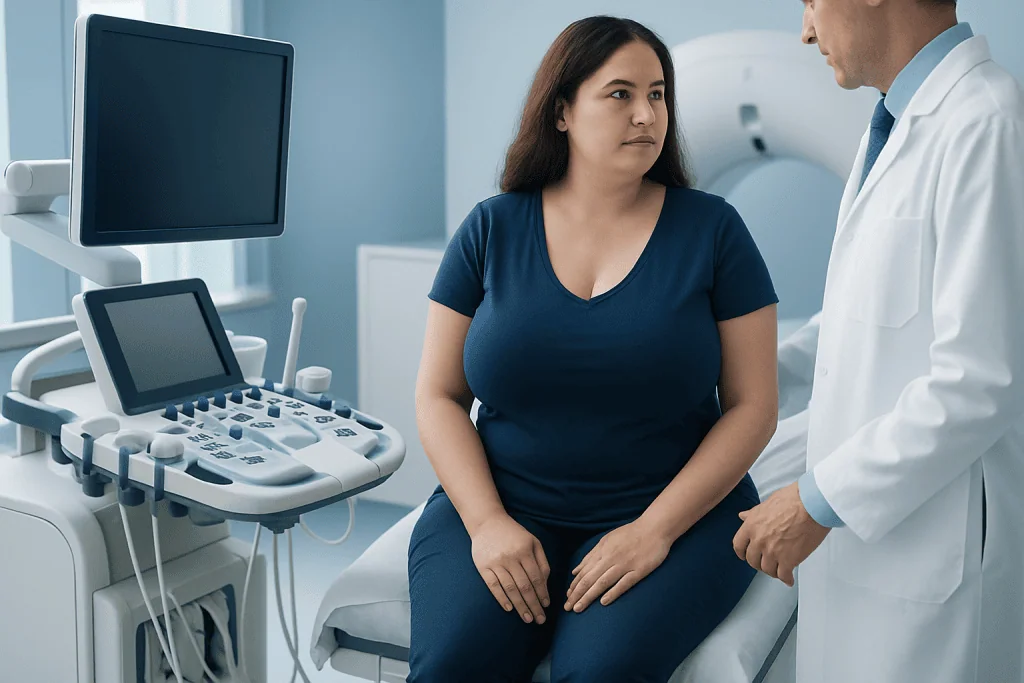
The impact of big breasts can range from mild inconvenience to ongoing discomfort. Some people mainly notice practical issues, such as trouble with exercise, sleep position, or finding well-fitting bras and clothing. Others develop symptoms related to the extra weight and pull on the chest, neck, and shoulders.
Common symptoms may include:
- Neck, shoulder, or upper back pain
- Deep grooves in the shoulders from bra straps
- Skin irritation, rash, moisture, or chafing under the breasts
- Poor posture or feeling pulled forward
- Breast tenderness or heaviness
- Difficulty with running, jumping, or high-impact activities
- Numbness or tingling in the shoulder or arm area in some cases
- Self-consciousness or emotional distress related to body image
These symptoms do not automatically mean a serious problem is present, but they can affect quality of life. If symptoms are frequent or interfere with work, sleep, exercise, or mood, it is reasonable to discuss them with a doctor. A clinician can also make sure the discomfort is not being caused by another condition, such as breast cancer or a non-breast musculoskeletal problem.
Causes and factors that affect breast size

Genetics is one of the main reasons some people have big breasts. Breast size often runs in families, just as height or body shape does. Hormones also play a major role, especially estrogen and progesterone, which influence breast development during puberty and other reproductive stages.
Body weight can affect breast size because breasts contain fatty tissue. Weight gain may increase breast volume, while weight loss may reduce it, although this varies from person to person. Pregnancy and breastfeeding can also enlarge the breasts, sometimes temporarily and sometimes with longer-lasting changes. Menstrual cycle-related hormonal shifts may cause short-term swelling or tenderness.
In some people, breast tissue becomes unusually large compared with overall body proportions. Doctors may use terms such as macromastia or gigantomastia when breast enlargement is excessive and causes major symptoms. Certain medicines and hormone-related conditions can also contribute to breast changes, so a medical history is an important part of evaluation.
It is also important to remember that a sudden change in breast size, new asymmetry, or a new lump should not be assumed to be a normal variation. Those changes need medical review to rule out conditions such as breast cancer or benign breast disorders.
How doctors evaluate big breasts
Medical evaluation focuses on both comfort and safety. A doctor will usually ask when the breasts became larger, whether the change happened gradually or suddenly, what symptoms are present, and how daily life is affected. They may ask about menstruation, pregnancy, breastfeeding, weight changes, family history, medications, and any breast symptoms such as a lump, nipple discharge, or localized pain.
A physical examination may include checking breast size, symmetry, skin condition, shoulder grooves, posture, and areas of tenderness. The doctor may also examine the neck, shoulders, and back because pain is not always caused by breast size alone. In some cases, imaging such as mammography or breast ultrasound may be advised based on age, symptoms, or screening needs.
If the main concern is pain, a clinician may look for other causes including muscle strain, spinal issues, or inflammatory skin conditions. When surgery is being considered, the evaluation often includes discussion of symptom history, previous treatments tried, general health, and expectations about results. This helps guide a plan that is both safe and realistic.
Management without surgery
Many people with big breasts find meaningful relief with non-surgical measures. A well-fitted, supportive bra is often one of the most helpful steps. Professional bra fitting can improve weight distribution, reduce strap pressure, and make daily movement more comfortable. Sports bras designed for higher support may help during exercise.
Skin care can also matter. Keeping the area under the breasts clean and dry may reduce friction, rash, and discomfort. Soft, breathable fabrics may help, and a doctor can advise on treatment if there is recurrent irritation or fungal infection. Posture awareness, gentle strengthening, and stretching may relieve strain across the upper back and shoulders.
Weight management may help some people if overall body weight is contributing to breast size, although the amount of change differs between individuals. Physical therapy can be useful when posture problems, shoulder tightness, or back pain are part of the picture. In selected cases, pain management and exercise modification may also be discussed.
These strategies do not change breast tissue itself in a predictable way, but they can reduce the burden of symptoms. If symptoms continue despite conservative care, a referral to a breast specialist, plastic surgeon, or other appropriate clinician may be considered.
When breast reduction may be considered
When big breasts cause persistent pain, repeated skin problems, difficulty exercising, or a significant impact on quality of life, breast reduction surgery may be an option. The goal of surgery is to remove excess breast tissue and skin, improve shape and proportion, and reduce strain on the neck, shoulders, and back. For appropriately selected patients, this can provide long-term relief.
A surgeon will discuss possible benefits, limitations, recovery, scars, and potential effects on nipple sensation or future breastfeeding. Not everyone is an ideal candidate at the same time; age, breast development, smoking status, body weight stability, and overall health may affect timing and planning. A careful consultation is important so that decisions are based on symptoms, anatomy, and personal goals rather than appearance alone.
Patients exploring treatment may be advised to learn more about breast reduction and, if there is notable asymmetry, about breast lift in selected situations. Near the end of the care journey, some international patients choose centers such as Acibadem International, where multidisciplinary specialists in JCI-accredited hospitals evaluate and treat breast-related conditions in a coordinated way.
When to seek medical care
Medical advice is appropriate any time breast size is causing ongoing pain, skin breakdown, numbness, exercise limitation, or emotional distress. A doctor can help confirm whether symptoms are related to breast size, recommend practical relief measures, and decide whether specialist referral is needed.
More urgent assessment is important if there is a new breast lump, visible skin dimpling, nipple discharge that is bloody, sudden one-sided enlargement, redness with fever, or persistent focal pain in one area. These symptoms do not always mean something serious, but they should not be ignored. Routine age-appropriate breast screening should also continue even if large breast size seems to explain discomfort.
For adolescents, medical review may be helpful when very rapid breast growth causes pain, posture changes, social withdrawal, or trouble with school and physical activity. Reassuringly, many concerns can be managed step by step, and treatment plans can be tailored to the person’s age, symptoms, and long-term needs.
Frequently asked questions
Are big breasts always caused by weight gain?
No. Big breasts are often influenced by genetics and hormones, and many people naturally have larger breasts regardless of weight. Weight changes can affect breast size because breasts contain fat, but they are only one part of the picture.
Can big breasts cause back and shoulder pain?
Yes, they can contribute to neck, shoulder, and upper back discomfort in some people. The extra weight may change posture, increase strap pressure, and place strain on muscles and soft tissues.
Is it normal for breast size to change over time?
Yes. Breast size commonly changes with puberty, the menstrual cycle, pregnancy, breastfeeding, aging, and weight fluctuation. Gradual changes are often normal, but sudden or one-sided changes should be checked by a doctor.
Will exercise make big breasts smaller?
Exercise cannot directly remove breast gland tissue, but it may reduce overall body fat in some people and improve posture and muscle support. This can sometimes lessen discomfort even if breast size changes only a little.
When is breast reduction surgery considered?
Breast reduction is usually considered when large breasts cause ongoing pain, skin problems, movement limits, or a major effect on quality of life despite supportive measures. A specialist can explain whether surgery is suitable and what recovery may involve.
Do big breasts increase the risk of breast cancer?
Large breast size itself is not considered a direct cause of breast cancer. However, any new lump, skin change, nipple discharge, or unusual one-sided change still needs medical assessment and age-appropriate screening remains important.
References
- American College of Obstetricians and Gynecologists
- National Institutes of Health
- American Society of Plastic Surgeons
- Mayo Clinic
- National Health Service
This article is for general information only and is not a substitute for professional medical advice. Please consult a qualified doctor about your individual situation.
Joint and spine care in Turkey — expert assessment & treatment
JCI-accredited · board-certified surgeons · reply within 24h
Add us as a Preferred Source to see more of our trusted health content across Google Search, AI Overviews and Discover.

More from the Health Library



Related Specialists

Prof. Dr. Mustafa Çorum
Manual Therapy
Dt. Gülçin Doğusal İşgüder
Dentistry
Prof. Dr. Abdullah Zorluoğlu
General Surgery
Fzt. Osman Karaoğlan
Physical Medicine & Rehabilitation