Bilateral Knee Pain Explained: Common Triggers and Red Flags
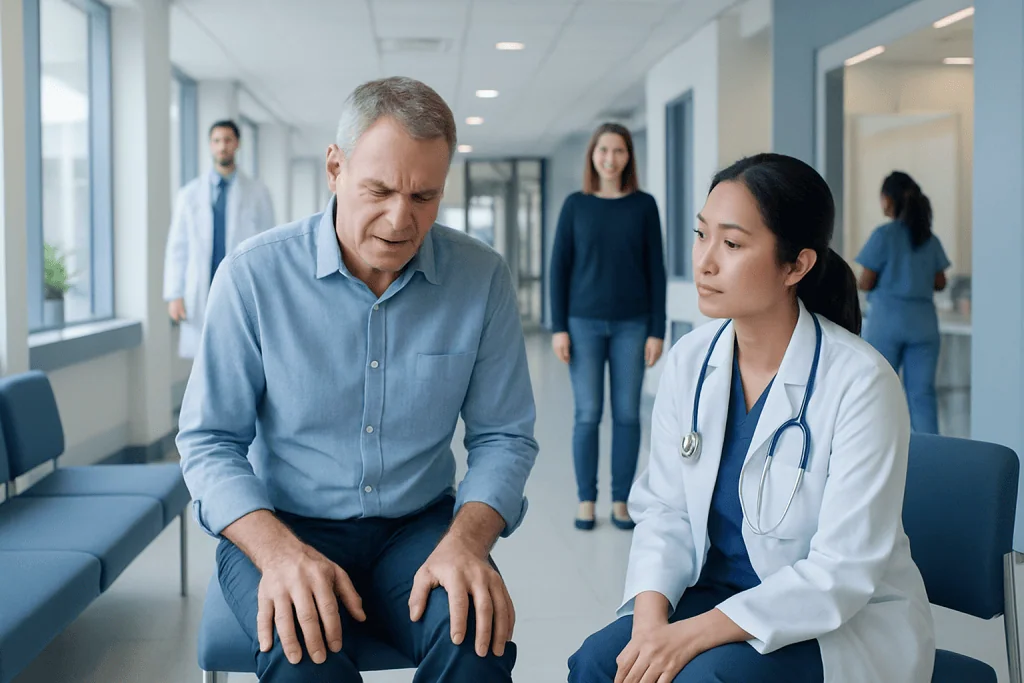
Bilateral knee pain can arise from mechanical strain, osteoarthritis, inflammatory arthritis, injury, or pain referred from the hips or lower back. The location, timing, stiffness pattern, swelling, and effect of movement all help identify the likely cause.
Key Takeaways
- Bilateral knee pain can arise from mechanical strain, osteoarthritis, inflammatory arthritis, injury, or pain referred from the hips or lower back.
- The location, timing, stiffness pattern, swelling, and effect of movement all help identify the likely cause.
- Pain in both knees after an increase in activity may improve with appropriate rest, gradual strengthening, and medical guidance.
- Persistent symptoms, joint swelling, warmth, instability, or reduced mobility should be evaluated by a qualified clinician.
- Urgent care is important for a hot, swollen knee with fever, a major injury, or an inability to put weight through the legs.
Bilateral knee pain means pain affecting both knees at the same time or within a similar period. It is often related to joint wear, activity changes, muscle weakness, or inflammatory conditions, but sudden severe pain, swelling, fever, or inability to bear weight needs prompt medical assessment.
Overview: What Does Bilateral Knee Pain Mean?
Bilateral knee pain is discomfort, aching, stiffness, or swelling involving both knees. It may develop gradually or begin after a particular event, such as a change in exercise, a long period of standing, an injury, or an illness. Because both knees work together during walking, climbing stairs, and rising from a chair, a problem in one area of the body can sometimes place extra stress on both joints.
In many people, pain in both knees is linked to common, non-emergency issues such as overuse, age-related joint changes, reduced muscle support, or body-weight-related loading. However, the pattern of symptoms matters. Morning stiffness lasting a long time, repeated swelling, warmth, pain at rest, or symptoms in other joints can suggest inflammation and deserve a medical review.
The knee is a complex joint made up of bone, cartilage, ligaments, tendons, muscles, and the lining of the joint. Pain can come from any of these structures. A clinician considers where the pain is felt, what movements trigger it, whether the knees look swollen, and whether there are symptoms elsewhere in the body before recommending treatment.
Patterns of Pain That Can Offer Clues
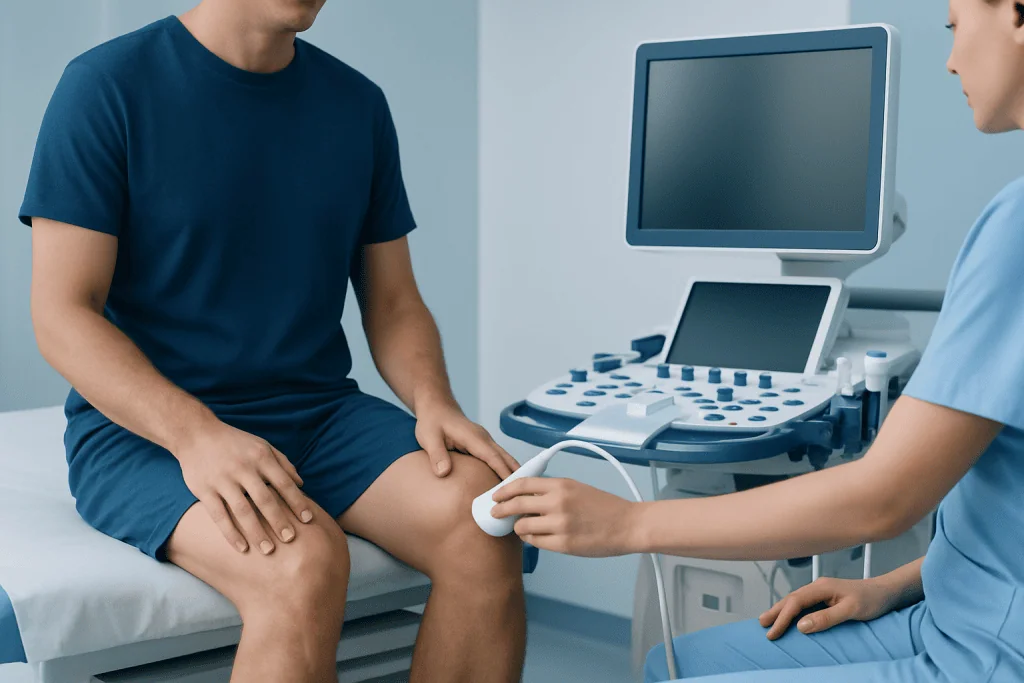
The timing and location of bilateral knee pain can provide useful clues, although they cannot confirm a diagnosis on their own. Pain at the front of both knees, particularly when climbing stairs, squatting, running, or sitting for a long time with bent knees, may be related to the kneecap and the tissues around it. This pattern is often associated with changes in training, muscle weakness, or altered movement mechanics.
Aching that worsens after walking, standing, or other weight-bearing activity and improves with rest can occur with osteoarthritis. Stiffness after inactivity is also common. In contrast, stiffness that is most noticeable in the morning and lasts longer than about 30 minutes, especially with swelling or fatigue, may point toward an inflammatory joint condition.
Pain at the inner or outer side of the knee may arise from joint structures, tendons, or ligaments. Pain behind both knees can occasionally be related to joint swelling, tendon issues, or less commonly circulation concerns. Symptoms that begin in the lower back, buttock, or hip and travel toward the knees may be referred pain rather than a problem starting within the knee joint itself.
- Mechanical symptoms: catching, clicking, giving way, or pain with certain movements may indicate a structural issue.
- Inflammatory symptoms: warmth, visible swelling, prolonged morning stiffness, or pain at rest need assessment.
- Systemic symptoms: fever, rash, unexplained weight loss, eye inflammation, or bowel symptoms should be reported to a doctor.
Common Causes and Triggers
Osteoarthritis is a frequent cause of pain in both knees, especially later in adulthood. It involves changes in joint cartilage and surrounding bone over time. Previous knee injuries, repetitive heavy loading, family history, and excess body weight can increase the likelihood of osteoarthritis, but it can affect people with different activity levels and body types. Information about osteoarthritis may help people understand this common joint condition.
Overuse is another common trigger. A sudden increase in walking distance, running, cycling resistance, stair climbing, squatting, or physically demanding work can irritate tissues around both knees. Poorly fitted footwear, hard or uneven surfaces, inadequate recovery time, and abrupt changes in exercise technique may contribute. This does not mean activity should be avoided permanently; rather, it often needs to be adjusted and built up gradually.
Inflammatory arthritis, including rheumatoid arthritis and some arthritis linked with psoriasis, bowel disease, or infection, can affect both knees. These conditions occur when the immune system causes inflammation in the joints. They may also affect the hands, feet, wrists, ankles, spine, skin, or eyes. Early evaluation is important because appropriate treatment can reduce inflammation and protect joint function.
Other possible contributors include tendon irritation, bursitis, kneecap tracking problems, ligament or meniscal injuries affecting both knees at different times, and reduced strength in the hip or thigh muscles. Hip arthritis, foot alignment issues, and lower-back conditions can change how a person walks and increase stress on both knees. Less commonly, infection, crystal arthritis such as gout, or a circulation problem may be involved.
How Bilateral Knee Pain Is Assessed
A medical assessment usually begins with a detailed history. The clinician may ask when the pain started, whether it followed trauma or a change in activity, which movements worsen it, and whether there is stiffness, swelling, locking, instability, numbness, fever, or symptoms in other joints. Information about medical conditions, medications, prior injuries, work demands, and exercise habits is also relevant.
During the examination, a clinician checks the knee alignment, range of movement, tenderness, swelling, warmth, stability, strength, and walking pattern. They may also examine the hips, feet, lower back, and other joints. This broader assessment is useful because pain felt in the knees can sometimes be influenced by another part of the musculoskeletal system.
Imaging is not always needed for recent mild pain that has a clear overuse pattern and is improving. When symptoms persist, an X-ray may show changes associated with osteoarthritis or bone problems. Ultrasound or magnetic resonance imaging may be considered in selected cases to evaluate soft tissues, fluid, cartilage, or internal joint structures. Blood tests can help assess suspected inflammation, infection, or metabolic causes, but no single test explains every type of knee pain.
Treatment Options and Recovery Planning
Treatment depends on the cause, severity, and effect on daily life. For many mechanical or overuse-related problems, the first steps include temporarily reducing activities that clearly aggravate pain while maintaining gentle, comfortable movement. Complete inactivity can lead to stiffness and weakness, so a clinician or physiotherapist can help identify safe alternatives such as low-impact exercise, mobility work, or a gradual return-to-activity plan.
Targeted exercise is often central to recovery. Strengthening the thigh, hip, and core muscles can improve support and movement control around the knees. Flexibility, balance, walking mechanics, footwear, and training technique may also be addressed. Physical therapy and rehabilitation can provide an individualized program when pain persists, movement feels difficult, or a person is returning to sport or physically demanding work.
Clinicians may recommend pain-relief measures suited to the individual, which can include cold or heat approaches, topical treatments, or medicines when appropriate. Medicines should be selected with a doctor or pharmacist, particularly for people with kidney disease, stomach ulcers, heart disease, blood-thinning medication, pregnancy, or other health conditions. Knee braces, walking aids, or supportive footwear may be useful for certain people, but they should not replace addressing the underlying cause.
For significant osteoarthritis or selected structural conditions that do not improve with comprehensive non-surgical care, specialist treatments may be discussed. These can range from injections for carefully selected patients to surgery when there is substantial joint damage and daily function is severely affected. Knee replacement surgery is generally considered only after a thorough evaluation and when other appropriate options have not provided enough relief.
Self-Care and Prevention for Both Knees
Many episodes of bilateral knee pain can be managed more comfortably by pacing activity. Rather than stopping all movement, it can help to reduce the intensity, duration, or frequency of the activity that triggers symptoms, then increase it slowly as tolerated. Alternating high-impact activities with lower-impact options such as swimming, water exercise, or cycling may reduce repeated joint loading for some people.
Regular strengthening and flexibility work can support knee function. Exercises should be comfortable and progressed gradually; pain that is sharp, causes swelling, or remains worse the next day is a sign to reduce the level and seek advice. Maintaining a body weight that is appropriate for the individual can also reduce load through the knees, but weight management should be approached sensitively and with professional support where needed.
Supportive, well-fitting shoes and attention to workplace or exercise ergonomics may help. People who kneel, squat, lift, or stand for long periods may benefit from breaks, changes in technique, and appropriate protective equipment. Adequate sleep and recovery also matter, as fatigue can affect muscle control and pain sensitivity.
Self-care is not a substitute for assessment when pain is persistent or worsening. Keeping a brief symptom record, including the activities that trigger pain, duration of morning stiffness, visible swelling, and treatments tried, can make a medical consultation more productive.
When to Seek Medical Care
A person should arrange a medical appointment if bilateral knee pain lasts more than a few weeks, keeps returning, limits work, sleep, exercise, or everyday activities, or does not improve with sensible activity modification. Assessment is also appropriate when there is repeated swelling, the knees feel unstable or locked, movement is progressively reduced, or the pain began after an injury.
Prompt medical care is important if a knee becomes suddenly very swollen, red, hot, or extremely painful, particularly if fever, chills, or feeling unwell is present. Urgent assessment is also needed after a significant fall or twist when a person cannot bear weight, the knee looks deformed, or there is new numbness, weakness, or a cold or pale foot.
People with pain in both knees plus prolonged morning stiffness, swelling in other joints, rashes, unexplained fatigue, eye pain or redness, or changes in bowel symptoms should discuss these features with a doctor. These findings do not always indicate a serious condition, but they can help identify inflammatory disease early.
Acibadem International’s multidisciplinary specialists and JCI-accredited hospitals assess and treat knee conditions for international patients, with care plans based on the individual diagnosis, mobility needs, and overall health.
Frequently asked questions
Why do both of my knees hurt at the same time?
Pain in both knees can occur when both joints are exposed to similar strain, such as increased walking, running, stair climbing, standing, or squatting. Osteoarthritis, muscle weakness, inflammatory arthritis, and changes in walking mechanics can also affect both knees. A clinical assessment can clarify the cause when symptoms persist or interfere with daily activities.
Can bilateral knee pain be caused by arthritis?
Yes. Osteoarthritis commonly affects both knees, although symptoms may be worse on one side. Inflammatory forms of arthritis can also involve both knees and may cause warmth, swelling, and prolonged stiffness, especially in the morning. A doctor can use the symptom pattern, examination, and sometimes tests to distinguish between possible causes.
Is it safe to exercise with pain in both knees?
Gentle movement is often helpful, but the right activity depends on the cause and severity of pain. It is usually sensible to avoid exercises that cause sharp pain, substantial swelling, or worsening symptoms the following day. A physiotherapist or doctor can recommend lower-impact options and a gradual strengthening plan.
What is the difference between knee pain from overuse and inflammatory arthritis?
Overuse pain often follows an increase in activity and tends to worsen during or after loading the knees. Inflammatory arthritis may cause persistent swelling, warmth, pain at rest, and stiffness that lasts longer after waking. These patterns can overlap, so a medical evaluation is important when symptoms are ongoing or unclear.
Should both knees be scanned if they hurt?
Not necessarily. Many people do not need imaging immediately, particularly if symptoms are mild, have a clear activity-related trigger, and are improving. A clinician may recommend an X-ray, ultrasound, or MRI when symptoms persist, there has been significant injury, or the examination suggests a specific structural or inflammatory problem.
When is bilateral knee pain an emergency?
Urgent care is needed for severe pain after a major injury, inability to bear weight, a visibly deformed knee, or a foot that becomes numb, cold, or pale. A hot, red, very swollen knee with fever or feeling unwell also requires prompt assessment because infection must be ruled out. These symptoms are uncommon, but they should not be managed at home.
References
- American Academy of Orthopaedic Surgeons
- National Institute of Arthritis and Musculoskeletal and Skin Diseases
- National Health Service
- Arthritis Foundation
This article is for general information only and is not a substitute for professional medical advice. Please consult a qualified doctor about your individual situation.
Joint and spine care in Turkey — expert assessment & treatment
JCI-accredited · board-certified surgeons · reply within 24h
Add us as a Preferred Source to see more of our trusted health content across Google Search, AI Overviews and Discover.

More from the Health Library



Related Specialists

Dr. Göker Utku Değer
Orthopedic Surgery & Traumatology
Dr. Zeynep Ezgi Akan
Oral & Dental Health
Dr. Tuğçe Baykara
Gynecology & Obstetrics
Ody. Buse Nur Akbulak
Audiology