Biopsies: A Complete Medical Overview
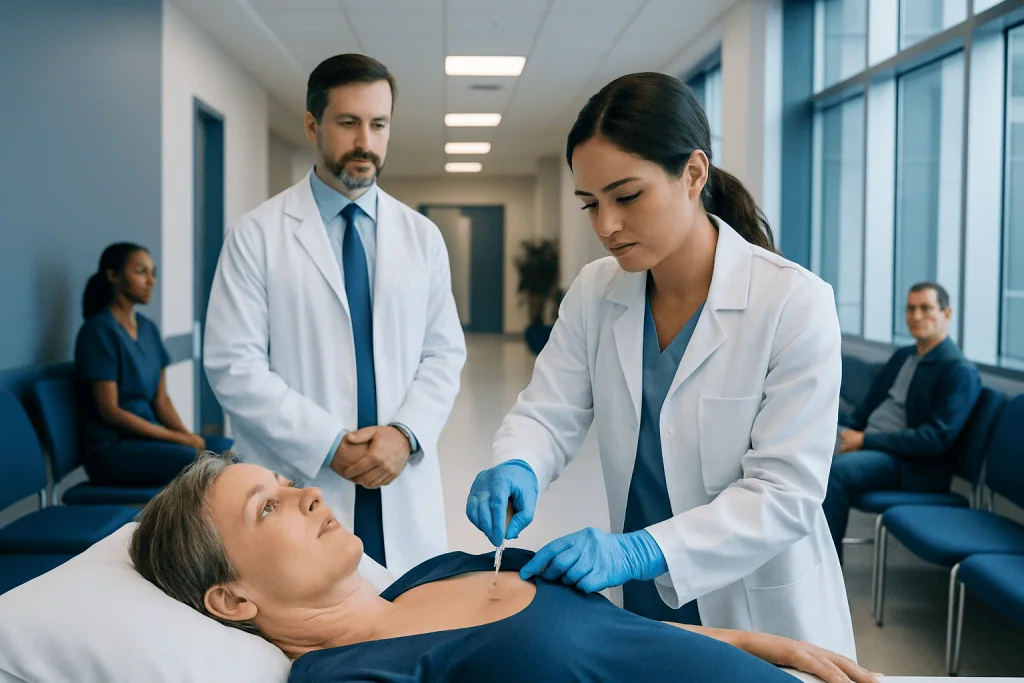
Biopsies are used to diagnose many conditions, not only cancer. The type of biopsy depends on the body area, the suspected condition, and imaging findings.
Key Takeaways
- Biopsies are used to diagnose many conditions, not only cancer.
- The type of biopsy depends on the body area, the suspected condition, and imaging findings.
- Most biopsies are minimally invasive and done with local anesthesia, imaging guidance, or endoscopy.
- Results often include whether tissue is normal or abnormal and may guide further testing or treatment.
- Mild soreness or bruising is common after a biopsy, but severe pain, heavy bleeding, or fever should be assessed by a doctor.
Biopsies are medical tests that remove a small sample of tissue or cells so it can be examined closely, usually under a microscope. They help doctors confirm or rule out conditions, understand abnormal findings on scans or blood tests, and choose the most appropriate treatment.
What biopsies are and why doctors use them
Biopsies are procedures in which a doctor removes a small sample of tissue, cells, or fluid for laboratory analysis. In most cases, the sample is examined by a pathologist, a specialist who studies body tissues to identify normal changes, inflammation, infection, precancerous changes, or cancer. This makes biopsies one of the most reliable ways to clarify what is happening inside the body.
People often associate biopsies only with cancer, but biopsies are used much more broadly. They may help explain a lump, unusual bleeding, a skin change, abnormal blood test results, or a finding seen on ultrasound, CT, MRI, or mammography. In some cases, a biopsy also helps doctors understand how advanced a disease is or which treatment is most likely to work.
Biopsies can be performed on many parts of the body, including the skin, breast, thyroid, liver, kidney, bone marrow, lymph nodes, digestive tract, lungs, prostate, and cervix. The approach varies from a quick office-based procedure to a sample taken during endoscopy or surgery. Even when the word sounds intimidating, many biopsies are routine and completed safely in a short time.
Common types of biopsies
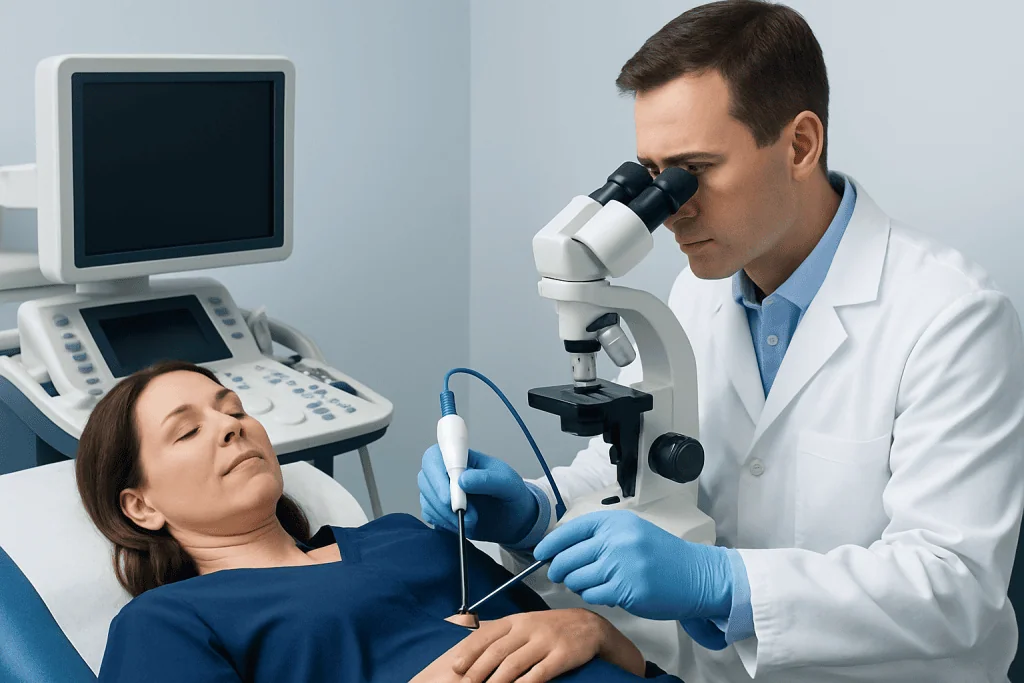
There is no single biopsy procedure that fits every situation. Doctors choose the method based on the location of the tissue, how deep it is, the size of the abnormal area, and what question the laboratory needs to answer. Some biopsies collect only a few cells, while others remove a larger piece of tissue so the architecture of the tissue can be assessed.
Common biopsy types include:
- Needle biopsy: A thin or hollow needle removes cells or tissue from a lump or organ. This is often used for the breast, thyroid, liver, or lymph nodes.
- Skin biopsy: A small piece of skin is removed using a blade, punch tool, or excision technique to assess rashes, moles, or suspicious lesions.
- Endoscopic biopsy: A sample is taken through a flexible scope during procedures such as gastroscopy, colonoscopy, or bronchoscopy.
- Bone marrow biopsy: A sample of bone marrow is taken, usually from the hip bone, to evaluate blood and marrow disorders.
- Surgical biopsy: Part or all of an abnormal area is removed through an operation when a larger sample is needed.
Some biopsies are guided by imaging, such as ultrasound, mammography, CT, or MRI, to help the doctor reach a small or deep area precisely. For example, a suspicious breast finding may be evaluated with breast biopsy, while tissue from the digestive tract may be collected during endoscopy if symptoms or imaging suggest a problem in the esophagus, stomach, or intestines.
When biopsies may be recommended

A doctor may recommend a biopsy when another test shows an abnormality that cannot be fully explained without examining tissue directly. This may include a lump felt during an examination, an area seen on imaging, a chronic skin lesion, an ulcer that does not heal, unexplained organ enlargement, or persistent abnormal cells on screening tests. In other cases, biopsies are used to monitor a known condition or evaluate whether treatment has been effective.
Biopsies may also help investigate noncancerous conditions. They can identify inflammation, autoimmune disease, infection, scarring, organ damage, or benign growths. For example, tissue samples can help distinguish between inflammatory bowel disease and other causes of digestive symptoms, or between benign skin changes and more serious lesions.
Sometimes the biopsy is part of evaluating a disease that has already been suspected from symptoms or scans. A doctor may use tissue testing to confirm or better classify conditions such as breast cancer or colon cancer, because treatment decisions often depend on the exact type of cells present and how they behave under the microscope.
How to prepare and what happens during the procedure
Preparation depends on the type of biopsy. Before the procedure, the medical team usually reviews symptoms, medications, allergies, bleeding risk, and previous test results. People may be asked to stop certain blood-thinning medicines temporarily, avoid eating or drinking for a few hours, or arrange for someone to drive them home if sedation will be used. It is important to follow the care team’s instructions closely and mention any pregnancy, implanted devices, or history of reactions to anesthesia.
During the biopsy, the area is cleaned and numbed if local anesthesia is used. Some procedures require only a few minutes, while others involve sedation, endoscopy, or minor surgery. Imaging guidance may be used to place the needle accurately, especially for deeper organs. The goal is to obtain enough tissue for accurate testing while keeping the procedure as safe and comfortable as possible.
After the sample is taken, it is sent to a pathology laboratory. The pathologist may perform routine microscopic examination and, when needed, specialized tests such as staining, molecular analysis, or receptor testing. These added tests can provide more detail about the nature of the tissue and may be especially useful when planning cancer treatment or investigating complex diseases.
Understanding biopsy results
Biopsy results do more than label tissue as normal or abnormal. A pathology report may describe the type of cells present, whether inflammation or infection is seen, whether a growth is benign or malignant, and whether there are specific features that affect treatment planning. In some situations, the report may also comment on how aggressive a tumor appears or whether the edges of a removed sample are clear of abnormal cells.
Results may take a few days or longer depending on the complexity of the analysis. Straightforward samples may be processed quickly, but special stains, cultures, second opinions, or molecular tests can extend the timeline. Waiting can be stressful, but it is often necessary to allow the laboratory to provide the most accurate information possible.
If the result is unclear, the doctor may recommend repeat sampling, additional imaging, or referral to another specialist. This does not always mean something serious was found. Sometimes the sample is too small, the tissue changes are subtle, or the finding needs to be interpreted alongside scans and blood tests to reach the clearest diagnosis.
Recovery, risks, and aftercare
Recovery after a biopsy varies with the technique used. Many people return to normal daily activities within a day after a needle or skin biopsy, although mild soreness, bruising, or a small amount of bleeding at the site can occur. Surgical or internal biopsies may require a longer recovery period, temporary activity limits, or observation for a few hours after the procedure.
Doctors usually provide aftercare instructions about wound care, bathing, exercise, pain relief, and signs to watch for. It is generally advised to keep the area clean and dry, avoid strenuous activity if recommended, and take medicines only as directed. Following these instructions helps reduce the chance of complications and supports healing.
Biopsies are usually safe, but every procedure has some risk. Possible complications include bleeding, infection, pain, bruising, or injury to nearby structures. The exact risk depends on the site being sampled and the technique used. In experienced hands, serious complications are uncommon, and the medical team takes steps to minimize risk through careful planning and monitoring.
Near the end of the care pathway, some patients benefit from multidisciplinary review, especially if a biopsy identifies a complex or serious condition. Acibadem International’s multidisciplinary specialists and JCI-accredited hospitals diagnose and treat a wide range of conditions for international patients, including cases that may need imaging-guided biopsy, endoscopic assessment, or coordinated follow-up.
When to seek medical care
Medical advice should be sought if symptoms suggest a condition that may need tissue evaluation. Examples include a new or enlarging lump, unexplained weight loss, persistent swollen lymph nodes, ongoing bleeding, a skin lesion that changes in color or shape, trouble swallowing, or abnormal imaging that requires clarification. A doctor can assess whether observation, more imaging, or a biopsy is the most appropriate next step.
After a biopsy, prompt medical care is important if there is heavy bleeding, increasing redness or swelling, pus, fever, worsening pain, shortness of breath, chest pain, or fainting. These symptoms do not always mean a serious problem, but they should be assessed without delay. People should also contact their doctor if they are unsure how to care for the biopsy site or if the dressing becomes soaked with blood.
Regular follow-up matters just as much as the procedure itself. Discussing the result with a qualified doctor helps place the pathology report in context and ensures that any next steps, such as surveillance, treatment, or referral, are clearly understood.
Frequently asked questions
Are biopsies only done to check for cancer?
No. Biopsies are used to investigate many conditions, including infections, inflammation, autoimmune disorders, organ damage, and benign growths. They are valuable whenever a tissue sample is needed to make a more accurate diagnosis.
Do biopsies hurt?
Many biopsies cause only brief discomfort because local anesthesia is commonly used to numb the area. Some people feel pressure, stinging, or soreness afterward, but the experience depends on the biopsy type and the body area involved.
How long does it take to get biopsy results?
Results may take a few days, but some take longer if special stains, molecular tests, or second review are needed. The treating doctor can explain the expected timeline based on the specific sample and laboratory process.
Can a biopsy spread cancer?
Biopsies are standard diagnostic tools, and the risk of spreading cancer from a properly performed biopsy is considered very low. Doctors choose biopsy methods carefully to obtain needed information while minimizing risks.
What should a person avoid after a biopsy?
That depends on the procedure, but common advice includes avoiding strenuous exercise, keeping the site clean, and following instructions about bathing and medicines. The medical team will explain when usual activities can be resumed safely.
What if the biopsy result is inconclusive?
An inconclusive result means the sample did not fully answer the clinical question. The doctor may recommend another biopsy, additional imaging, or follow-up testing to gather enough information for a clear diagnosis.
References
This article is for general information only and is not a substitute for professional medical advice. Please consult a qualified doctor about your individual situation.
Oncology care in Turkey — second opinion and treatment plan
JCI-accredited · board-certified surgeons · reply within 24h
Add us as a Preferred Source to see more of our trusted health content across Google Search, AI Overviews and Discover.