Birth Order Theory: What Patients Need to Know

Birth order theory is a psychological idea, not a medical diagnosis. Family position may influence experiences and roles, but personality develops from many factors.
Key Takeaways
- Birth order theory is a psychological idea, not a medical diagnosis.
- Family position may influence experiences and roles, but personality develops from many factors.
- Research findings are mixed, and any birth-order effects are usually small.
- Stress, anxiety, depression, and relationship difficulties should be assessed on their own merits.
- Professional support can help when emotional or behavioral concerns affect daily life.
Birth order theory is the idea that a person’s place in the family—such as oldest, middle, youngest, or only child—may influence personality and behavior. Modern research suggests birth order can shape some family experiences, but it does not determine mental health, intelligence, or life outcomes on its own.
Overview: what birth order theory means
Birth order theory proposes that the order in which children are born into a family may influence how they see themselves, relate to others, and respond to expectations. People often describe oldest children as responsible, middle children as adaptable, youngest children as social or rebellious, and only children as mature or perfectionistic. These descriptions are common in popular culture, but they are broad generalizations rather than firm rules.
The theory is most often linked to the work of Alfred Adler, who suggested that family roles and sibling relationships can shape a child’s sense of identity. In this view, children adapt to the emotional environment around them. For example, one child may become organized to meet high expectations, while another may become easygoing to reduce conflict or stand out in a different way.
Today, clinicians and researchers generally view birth order as one possible influence among many. Parenting style, temperament, culture, family stress, age gaps, socioeconomic factors, and life events often have a stronger impact than birth order alone. For patients and families, the most helpful approach is to use birth order theory as a way to reflect on family dynamics, not as a label that defines a person.
How birth order may affect behavior and relationships
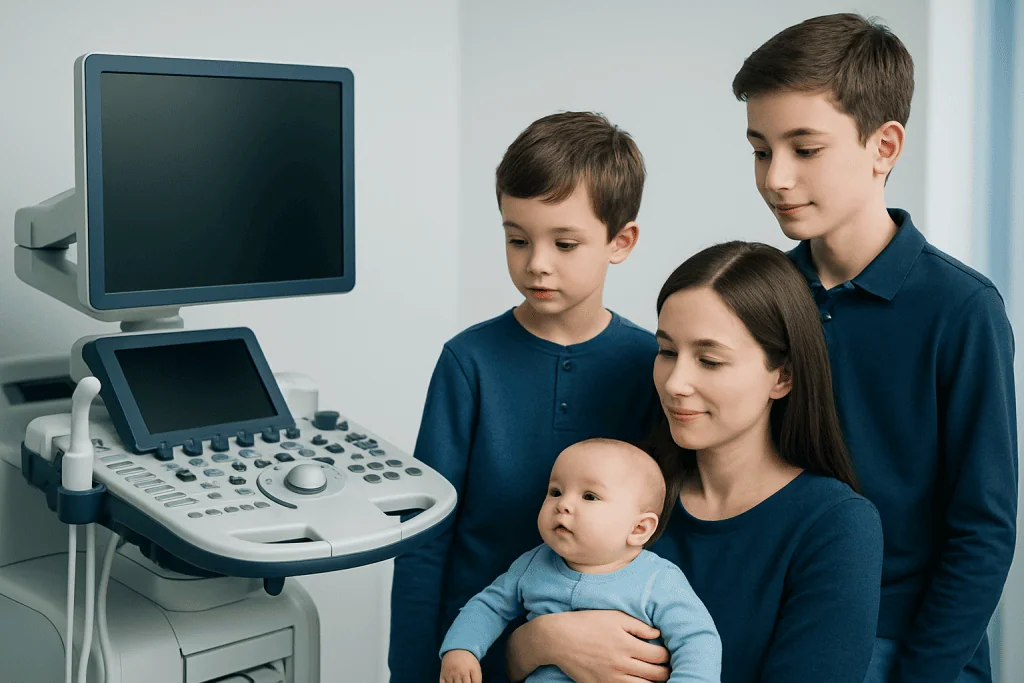
Birth order can shape day-to-day experiences in a household. An oldest child may spend more time with adults and may be given more responsibility. A younger child may observe older siblings and develop social skills in a different way. A middle child may learn negotiation skills within a busy family system. These patterns can influence communication style, confidence, independence, or comfort with leadership.
At the same time, these experiences vary widely. A firstborn with a large age gap from younger siblings may have a different experience from a firstborn in a closely spaced family. A youngest child in one home may be highly independent, while a youngest child in another may feel overprotected. Family structure, divorce, bereavement, blended families, adoption, and caregiving responsibilities can all change the meaning of birth order.
For this reason, birth order is best understood as a context rather than a prediction. It may offer clues about family expectations and roles, but it cannot explain a person’s entire personality or relationship pattern. If recurring conflict, stress, or communication problems are present, structured support such as psychological counseling may be more useful than relying on birth-order assumptions alone.
What research says about birth order theory

Research on birth order has produced mixed results. Some studies have found small associations between family position and certain traits, such as conscientiousness or openness to experience. Other studies have found little or no meaningful effect once factors like family size, parental education, income, and cultural background are considered. This means that birth order may matter in some settings, but usually not in a simple or universal way.
One reason the evidence is mixed is that families are complex. Siblings do not only differ by birth order; they also differ by age gap, gender, health, life events, and how parents respond to each child’s unique temperament. In addition, many people recognize themselves in broad birth-order descriptions because such descriptions are flexible and familiar, not necessarily because they are scientifically precise.
From a health perspective, it is important not to overinterpret birth order. It does not diagnose anxiety, depression, attention difficulties, or personality disorders. Symptoms such as low mood, panic, poor concentration, irritability, or social withdrawal should be evaluated based on current functioning and history, not on whether someone is the oldest or youngest sibling.
Common myths and practical limits
A common myth is that birth order determines success, intelligence, or emotional stability. In reality, no single family position guarantees better academic performance, stronger leadership, or better mental health. A person’s development reflects a combination of genetics, early attachment, relationships, education, stress exposure, physical health, and life opportunities.
Another myth is that birth order explains every family conflict. While sibling roles can contribute to misunderstandings, conflict may also relate to communication habits, unresolved stress, caregiving burdens, marital strain, or mental health conditions. For example, irritability and withdrawal may look like a “middle-child problem,” but they may actually reflect anxiety, burnout, grief, or depression.
There is also a risk in using birth order labels too rigidly. Calling one child “the responsible one” or another “the difficult one” can reinforce unhelpful expectations. Families often benefit more from noticing each person’s strengths, stressors, and needs in the present. When emotional symptoms are persistent or severe, assessment for depression or other mental health concerns may be appropriate.
Birth order and mental health: what patients should know
Birth order itself does not cause a mental health condition. However, family roles sometimes affect how distress is expressed or managed. A child seen as highly responsible may hide stress and seek help late. A sibling viewed as “the easygoing one” may have their concerns overlooked. In adulthood, these patterns can continue in relationships, work, or caregiving.
Patients may notice that family expectations shape perfectionism, people-pleasing, competitiveness, conflict avoidance, or fear of disappointing others. These patterns do not automatically indicate illness, but they can contribute to stress if they become rigid or interfere with daily life. When mood, sleep, concentration, or relationships are suffering, a mental health evaluation can clarify what is happening.
Symptoms that deserve attention include persistent sadness, anxiety, panic episodes, loss of interest, major sleep changes, emotional numbness, or feeling overwhelmed by family roles. In some cases, clinicians may evaluate for conditions such as anxiety disorders or depression rather than focusing on birth order as the explanation. If needed, support may include lifestyle strategies, psychotherapy, or psychiatric assessment and care.
Using birth order theory in a healthy way
Birth order theory can be helpful when used as a conversation tool rather than a fixed identity. It may encourage family members to reflect on how responsibilities were shared, how attention was given, and how certain roles developed over time. This kind of reflection can improve empathy, especially when siblings had different experiences in the same household.
Healthy use of the theory involves asking open questions instead of making assumptions. For example: Was the oldest child expected to care for others early? Did the youngest feel underestimated? Did an only child feel pressure to meet adult expectations? Questions like these can support better understanding without assigning blame.
Families may also benefit from practical steps such as setting clearer boundaries, sharing responsibilities more evenly, and allowing people to grow beyond old roles. If long-standing patterns are causing distress, conflict, or emotional exhaustion, options such as family therapy can help identify communication habits and support healthier relationships.
When to seek medical care
It is reasonable to seek medical or mental health support when emotional or behavioral concerns are affecting daily life, regardless of birth order. Warning signs include persistent low mood, severe anxiety, panic, major sleep problems, difficulties at school or work, social withdrawal, intense family conflict, or feeling unable to cope. A qualified clinician can help determine whether symptoms reflect stress, a mental health condition, or another medical issue.
Urgent help is needed if a person talks about self-harm, suicide, harming others, or seems disconnected from reality. These situations should never be explained away as a personality trait or sibling role. Immediate local emergency support is important.
For non-urgent concerns, a primary care doctor, psychologist, or psychiatrist can offer an assessment and next steps. Near the end of the care pathway, some patients may also wish to explore multidisciplinary evaluation; Acibadem International’s specialists in JCI-accredited hospitals diagnose and treat mental and behavioral health concerns for international patients.
Frequently asked questions
Is birth order theory scientifically proven?
Birth order theory is a well-known psychological idea, but it is not proven in a simple, universal way. Research suggests that any effects of birth order on personality are usually small and can be influenced by many other family and social factors.
Does birth order affect personality?
It may influence some experiences within a family, which can shape behavior or self-image over time. However, personality develops through many factors, including temperament, parenting, culture, life events, and health.
Can birth order cause anxiety or depression?
No, birth order does not directly cause anxiety or depression. Mental health conditions are complex and may involve genetic, biological, psychological, and environmental factors.
Why do siblings from the same family seem so different?
Siblings often have different temperaments, peer groups, stressors, and relationships with parents. Even within one household, children may experience different expectations and life events depending on timing and family circumstances.
Is it harmful to label children by birth order?
It can be unhelpful if labels become rigid or limit how a child is seen. Describing one child as always responsible or another as always rebellious may reinforce patterns that no longer fit and can affect self-esteem.
When should someone talk to a professional?
Professional advice is a good idea when stress, mood changes, anxiety, conflict, or behavior problems are persistent or interfere with daily life. A clinician can look beyond family labels and assess the person’s overall mental and physical health.
References
- American Psychological Association
- National Institute of Mental Health
- American Academy of Child and Adolescent Psychiatry
- Mayo Clinic
- World Health Organization
This article is for general information only and is not a substitute for professional medical advice. Please consult a qualified doctor about your individual situation.
Explore treatments in Turkey — costs, top hospitals & a free quote
JCI-accredited · board-certified surgeons · reply within 24h
Add us as a Preferred Source to see more of our trusted health content across Google Search, AI Overviews and Discover.

More from the Health Library

Circumcision: An Evidence-Based Guide for Patients

Pomelo: An Evidence-Based Guide for Patients

Cgrp Inhibitors: An Evidence-Based Guide for Patients

Chewing Gum — Explained by Medical Evidence, Not Myths

Brewers Yeast Benefits: What Patients Need to Know