Pupils — Explained by Medical Evidence, Not Myths

Pupils control how much light enters the eye and normally get smaller in bright light and larger in dim light. Pupils are usually similar in size, but a small difference can be normal in some people.
Key Takeaways
- Pupils control how much light enters the eye and normally get smaller in bright light and larger in dim light.
- Pupils are usually similar in size, but a small difference can be normal in some people.
- Sudden unequal pupils, severe eye pain, vision loss, head injury, or new neurological symptoms need urgent medical assessment.
- Medications, eye drops, stress, and some recreational substances can affect pupil size.
- Doctors evaluate pupil changes with an eye exam, medical history, and sometimes imaging or neurological testing.
Pupils are the black-looking centers of the eyes that adjust to light and help support clear vision. Most pupil changes are normal and temporary, but some patterns can point to eye disease, medication effects, or a problem involving the brain or nerves.
Overview: what pupils are and why they matter
Pupils are the dark openings in the center of the iris, the colored part of the eye. Their job is to regulate how much light enters the eye, much like the aperture of a camera. In bright surroundings, pupils become smaller to limit light. In dim light, they widen to allow more light in.
Healthy pupils also react as part of a complex connection between the eyes, optic nerves, brain, and the autonomic nervous system. Because of this, doctors often examine pupils during both eye and neurological assessments. The way pupils look and respond can offer useful clues about vision, eye function, and overall health.
Many day-to-day changes in pupils are harmless. A person may notice larger pupils in low light, smaller pupils outdoors, or temporary changes after certain medications or eye drops. However, pupils that do not react normally, become suddenly unequal, or change along with pain, drooping eyelids, double vision, or headache deserve medical attention.
How pupils normally work
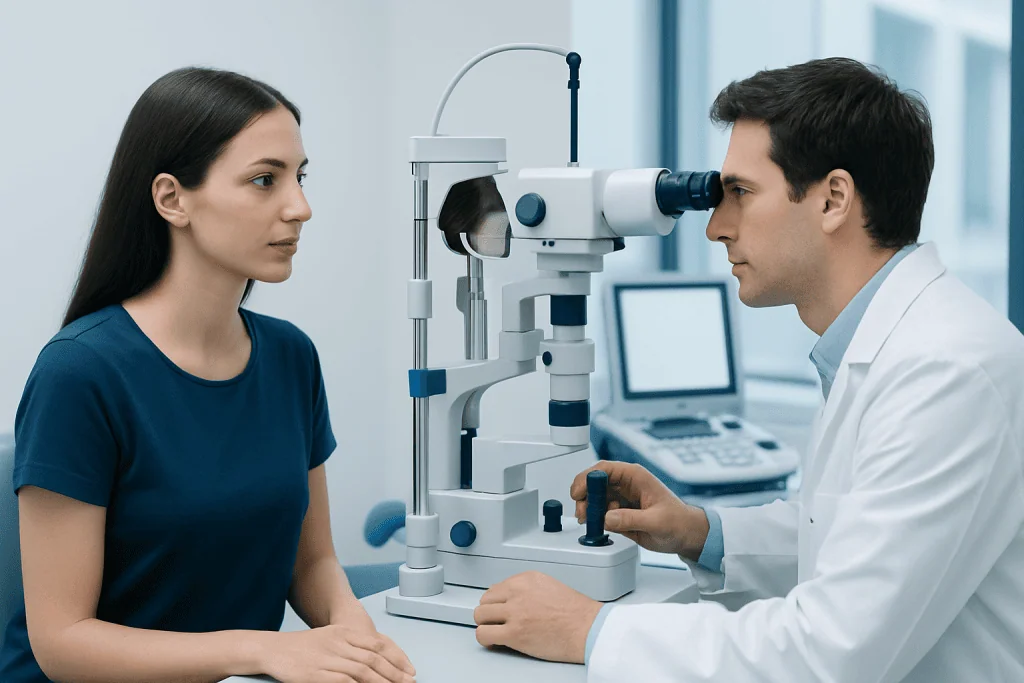
Pupil size is controlled by small muscles in the iris. One set of muscles narrows the pupil, while another set widens it. These muscles respond automatically to light and are also influenced by emotional state, focus on near objects, and signals from the brain.
When a bright light shines into one eye, that pupil should constrict quickly. The other pupil usually constricts at the same time because the reflex pathways are linked. This is why doctors compare both pupils during an examination, checking size, symmetry, shape, and reaction to light.
Pupils also change during near focus. For example, when a person looks from a distant object to something close, the pupils usually become smaller. This helps sharpen visual focus. A normal pupil response depends on healthy eye structures, intact nerves, and normal brain signaling.
It is also worth knowing that some people naturally have a small difference in pupil size. This is called physiologic anisocoria and is often harmless if it has been stable over time and there are no other symptoms. An eye specialist can help distinguish a normal variation from a sign of disease.
Common pupil changes and what they may mean

Pupils can appear larger than usual, smaller than usual, unequal, oddly shaped, or slow to react. Large pupils are called dilated pupils. Small pupils are sometimes described as constricted or pinpoint pupils. Unequal pupils are known as anisocoria. These findings are not diagnoses on their own, but they can help guide evaluation.
Temporary dilation may happen in dim lighting, during stress, or after the use of certain eye drops or medications. Constricted pupils can occur in bright light and may also be linked to some medications. In some situations, a fixed large pupil or a pupil that does not react normally may signal an urgent eye or neurological issue.
Unequal pupils can have many explanations. A mild long-standing difference may be normal. A new difference, especially if paired with eyelid drooping, facial sweating changes, headache, neck pain, double vision, or blurred vision, should be assessed promptly. Doctors may look for eye causes as well as nerve-related causes involving the brain or neck.
Abnormal pupils can also accompany other conditions. Depending on the person’s symptoms, clinicians may investigate disorders such as glaucoma or a brain tumor, among many other possibilities. These links do not mean pupil changes usually point to serious disease, but they show why the full clinical picture matters.
Causes and risk factors behind pupil changes
Pupil changes can be caused by eye conditions, nerve disorders, medications, trauma, or environmental factors. Common eye-related causes include inflammation inside the eye, injury to the iris, prior eye surgery, and pressure-related problems. Nerve-related causes may involve the optic pathways, cranial nerves, the brainstem, or the sympathetic nerve chain.
Medications are a frequent reason for noticeable changes. Prescription eye drops used during examinations can dilate pupils for hours. Some allergy medicines, antidepressants, motion sickness medicines, and other drugs may also affect pupil size or reactivity. Recreational substances and toxin exposure can produce marked dilation or constriction as well.
Head or eye injury is another important cause. Trauma can damage the iris muscles, affect the nerves that control the pupil, or raise concern about brain injury. Infections, severe migraine, diabetes-related nerve damage, and vascular conditions can sometimes alter pupil function too.
Risk is higher when pupil changes occur with certain warning features. These include sudden onset, one-sided eyelid drooping, severe headache, eye redness, painful vision changes, weakness, confusion, or recent trauma. In these situations, a doctor may recommend urgent assessment and imaging to rule out sight-threatening or neurologic emergencies.
How doctors diagnose abnormal pupils
Diagnosis starts with a careful history. A doctor may ask when the change began, whether it is constant or intermittent, what medications are being used, and whether there has been eye pain, blurred vision, headache, head injury, or double vision. Old photographs can sometimes help show whether unequal pupils have been present for years.
The physical examination usually includes checking visual acuity, eye movements, eyelid position, pupil size in bright and dim light, and the pupils’ response to light and near focus. The doctor may also examine the cornea, iris, lens, retina, and optic nerve. This can help separate a local eye problem from a neurological one.
If the cause is not clear, additional tests may be needed. These can include a full ophthalmic evaluation, neurological examination, imaging such as MRI or CT, and sometimes blood tests depending on the suspected cause. When pressure inside the eye is a concern, doctors may perform tests used in the assessment of glaucoma treatment.
Some patients may also need specialist evaluation. Depending on the findings, care may involve ophthalmology, neuro-ophthalmology, neurology, or emergency medicine. At centers such as Acibadem International, multidisciplinary specialists in JCI-accredited hospitals evaluate eye and nerve-related causes of pupil changes for international patients when this is appropriate.
Treatment options depend on the cause
There is no single treatment for abnormal pupils because the best approach depends entirely on the underlying reason. If a medication or eye drop is responsible, the effect may wear off on its own or the prescribing doctor may adjust the treatment plan. If a long-standing small pupil difference is determined to be benign, no treatment may be needed at all.
Eye-related causes are treated according to the diagnosis. Inflammation may require prescription drops, pressure-related eye disease may need medicines or procedures, and trauma may call for monitoring or surgery. When doctors identify pressure damage or a structural eye problem, they may discuss options that range from medical management to procedures such as eye surgery.
Neurological causes are managed by treating the underlying disorder rather than the pupil itself. This may include urgent treatment for stroke-like symptoms, care after head injury, or further evaluation of nerve palsy. If imaging reveals a mass or another structural issue, treatment could involve highly specialized care such as brain tumor surgery in selected cases.
Because causes vary so widely, self-diagnosis is not reliable. A pupil change that seems minor may be harmless, but it can also be an early sign of a problem that needs professional assessment. Prompt evaluation helps protect both vision and general health.
Prevention and self-care
Not all pupil changes can be prevented, but several simple steps support eye health and reduce avoidable problems. Wearing protective eyewear during sports, home repairs, and hazardous work can lower the risk of eye injuries. Regular eye examinations are especially important for people with diabetes, a history of eye disease, or a family history of vision problems.
Medication safety also matters. People should use eye drops exactly as directed and let their doctor know about all prescription medicines, over-the-counter products, and supplements they take. If a new medicine seems to change pupil size or causes blurry vision, it is sensible to ask a clinician or pharmacist for advice rather than stopping treatment abruptly.
General health habits help as well. Good blood sugar control, blood pressure management, not smoking, and prompt treatment of infections can support nerve and eye health. Anyone with migraines or recurrent visual symptoms may benefit from medical review to understand their pattern and warning signs.
- Protect the eyes from injury and chemical exposure.
- Attend routine eye checks, especially if there is diabetes or known eye disease.
- Review medication side effects with a healthcare professional.
- Seek urgent care for sudden pupil changes with pain, vision loss, or neurological symptoms.
When to seek medical care
A routine appointment is appropriate if a person notices a stable, mild pupil difference without pain or vision change, especially if it may have been present for a long time. An eye doctor can confirm whether it appears benign and decide if any follow-up is needed.
Prompt or urgent care is important if pupil changes are new, sudden, or linked to other symptoms. These include eye pain, redness, blurred vision, double vision, drooping eyelid, severe headache, confusion, weakness, numbness, fainting, or recent head or eye injury. Sudden vision loss or a painful red eye with abnormal pupils should never be ignored.
Emergency assessment is especially important after trauma or when symptoms suggest a neurological event. When in doubt, it is safer to seek medical advice quickly. Early evaluation can rule out serious causes and provide reassurance when the change turns out to be harmless.
Frequently asked questions
What are pupils?
Pupils are the openings in the center of the iris that control how much light enters the eye. They normally get smaller in bright light and larger in dim light.
Is it normal for one pupil to be slightly bigger than the other?
A small, stable difference in pupil size can be normal in some people. If the difference is new, noticeable, or comes with other symptoms such as drooping eyelid, pain, or vision changes, it should be checked by a doctor.
What causes dilated pupils?
Dilated pupils can happen normally in low light or during emotional arousal. They can also result from eye drops, medications, recreational substances, nerve problems, or eye and brain conditions.
Can medications affect pupils?
Yes. Some eye drops, allergy medicines, antidepressants, and other drugs can make pupils larger, smaller, or less reactive. A person should discuss any concerning changes with the prescribing clinician rather than stopping medication without advice.
When are pupil changes an emergency?
Emergency care is needed if a pupil change is sudden or follows head or eye injury, especially when it occurs with severe headache, eye pain, confusion, weakness, double vision, or vision loss. These symptoms can signal a serious eye or neurological problem.
How do doctors test pupil problems?
Doctors examine pupil size and shape in bright and dim light and check how each pupil reacts to light and near focus. They may also test vision, eye movements, eyelids, eye pressure, and sometimes order imaging or neurological evaluation.
References
- American Academy of Ophthalmology
- National Eye Institute
- Merck Manual Professional Edition
- Mayo Clinic
- MedlinePlus
This article is for general information only and is not a substitute for professional medical advice. Please consult a qualified doctor about your individual situation.
Explore treatments in Turkey — costs, top hospitals & a free quote
JCI-accredited · board-certified surgeons · reply within 24h
Add us as a Preferred Source to see more of our trusted health content across Google Search, AI Overviews and Discover.