Bisacodyl: An Evidence-Based Guide for Patients

Bisacodyl is commonly used for short-term constipation relief and bowel preparation before procedures. It works by stimulating the bowel and increasing movement through the intestines.
Key Takeaways
- Bisacodyl is commonly used for short-term constipation relief and bowel preparation before procedures.
- It works by stimulating the bowel and increasing movement through the intestines.
- Common side effects can include cramping, diarrhea, nausea, or an urgent need to have a bowel movement.
- It should not be used for long periods without medical advice, as ongoing constipation may need further evaluation.
- People with severe abdominal pain, rectal bleeding, dehydration, or sudden changes in bowel habits should seek medical care.
Bisacodyl is a stimulant laxative that helps relieve short-term constipation and may also be used to empty the bowel before certain medical tests or procedures. When used correctly, it can be effective, but it works best as a temporary aid rather than a long-term solution.
Overview: what bisacodyl is and what it does
Bisacodyl is a medicine used to treat occasional constipation. It belongs to a group of medicines called stimulant laxatives, which help the bowel move stool along more effectively. For many people, it provides short-term relief when bowel movements have become difficult, infrequent, or uncomfortable.
It is also used before some tests or procedures that require the bowel to be emptied. In this setting, a doctor may recommend it as part of a bowel preparation plan. Because bisacodyl affects bowel activity directly, it is usually intended for temporary use rather than daily, long-term symptom control.
Constipation can happen for many reasons, including low fiber intake, not drinking enough fluids, reduced physical activity, travel, temporary changes in routine, or certain medicines. If constipation becomes frequent or persistent, it may be helpful to discuss broader digestive evaluation with a doctor, especially if there are warning signs or concern for an underlying problem such as constipation that needs medical assessment.
How bisacodyl works and when it may be used
Bisacodyl works by stimulating the muscles of the intestines and helping more water stay in the bowel. This combination can soften stool movement and encourage a bowel movement. Because of this mechanism, it often acts more directly than some gentler laxatives that mainly draw water into the stool or add bulk.
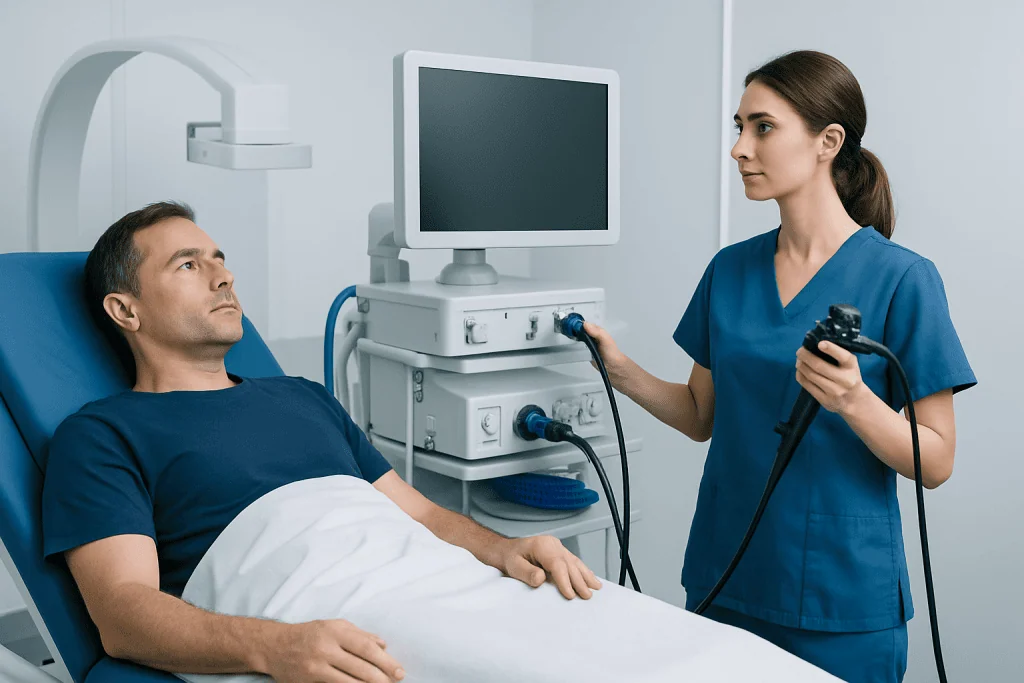
It may be used for short-term constipation relief, especially when a person has not responded enough to diet changes alone or needs prompt relief. It can also be part of a clinician-guided bowel-cleansing plan before procedures such as colon examinations. In some cases, bowel preparation is linked with specialized care in colonoscopy evaluation or other digestive testing.
Different forms may work at different speeds. Tablets and suppositories do not act in exactly the same way or timeframe, so people should follow the instructions given by their pharmacist or doctor. It is important not to assume that taking more will work better, because excessive use may increase cramping, diarrhea, or dehydration.
What to expect: onset, effects, and common side effects

After taking bisacodyl, many people notice a bowel movement within hours, although timing can vary depending on the form used and individual bowel habits. Some people feel cramping or a sense of urgency before the bowel movement happens. This can be expected, since the medicine is designed to stimulate bowel activity.
Common side effects include abdominal cramping, loose stools, diarrhea, nausea, and temporary discomfort around the rectum if a suppository is used. Mild bloating may also occur. These effects are often temporary, but if they are severe or do not settle, medical advice is appropriate.
Less commonly, overuse may lead to dehydration or changes in body salts, especially if diarrhea is significant. Warning signs can include weakness, unusual thirst, dizziness, or feeling faint. People who already have digestive symptoms such as ongoing pain, vomiting, or significant bloating should be cautious and may need evaluation before using stimulant laxatives, particularly if a bowel blockage is a concern.
- Often used for occasional constipation
- May cause cramping or urgent bowel movements
- Should be used carefully in older adults or people at risk of dehydration
- Not meant to replace long-term bowel health measures
Who should use caution
Bisacodyl is not suitable for every situation. A person should speak with a doctor or pharmacist before using it if they have severe stomach pain, nausea with vomiting, intestinal blockage, sudden unexplained changes in bowel habits, rectal bleeding, or symptoms of dehydration. These may point to a condition that needs medical assessment rather than self-treatment.
It is also sensible to review bisacodyl use if constipation is frequent, lasts longer than expected, or repeatedly returns after treatment. Ongoing constipation may relate to diet, medication side effects, pelvic floor problems, hormonal conditions, neurological disease, or structural disorders of the digestive tract. In some people, symptoms may overlap with broader gastrointestinal concerns that are assessed through gastroenterology care.
Pregnant or breastfeeding individuals, children, and people with chronic health conditions should use any laxative with professional guidance. The same applies to people taking medicines that may affect fluid balance or electrolytes. A clinician can help choose the most appropriate option and identify whether another cause needs attention.
Safe use and practical tips for patients
The safest way to use bisacodyl is to follow the directions on the product label or the advice given by a healthcare professional. It should be used for short-term relief unless a clinician recommends otherwise. Using stimulant laxatives too often may lead to dependency on them for bowel movements or may delay finding the real cause of symptoms.
Good bowel habits remain important even when medicine is used. Many people benefit from increasing fiber gradually, drinking enough fluids, staying physically active, and allowing time for unhurried bowel movements. Responding to the urge to have a bowel movement, rather than delaying it, can also help support regular bowel function.
If constipation keeps returning, a doctor may review diet, medicines, and other health conditions. Sometimes a different type of laxative or further testing is more appropriate than repeated stimulant use. For selected patients, evaluation may include imaging, endoscopy, or laboratory testing to understand why symptoms persist.
When bisacodyl may be part of medical care
Bisacodyl is not only a self-care medicine; it can also be used under medical supervision as part of bowel preparation before certain procedures. Adequate bowel cleansing helps doctors see the lining of the bowel clearly and can improve the accuracy of testing. Instructions for bowel prep vary, so patients should follow the exact plan provided by their care team.
Doctors may also review constipation if it occurs alongside abdominal pain, unexplained weight loss, anemia, blood in the stool, or new bowel changes in older adults. In these situations, treatment focuses not just on symptom relief but on identifying the cause. Some people may need structured assessment for conditions such as irritable bowel syndrome or other digestive disorders.
For international patients who need evaluation or procedure-based care, Acibadem International’s multidisciplinary specialists and JCI-accredited hospitals diagnose and treat digestive conditions, including those that may contribute to persistent constipation. When appropriate, care may involve endoscopic assessment or other guided investigations.
When to seek medical care
Medical advice is important if constipation lasts longer than expected, keeps returning, or does not improve with simple measures. A person should also seek care if they need laxatives often, because repeated use may hide an underlying condition that should be evaluated properly.
Urgent medical attention is recommended for severe or worsening abdominal pain, vomiting, swelling of the abdomen, rectal bleeding, black stools, fever, or inability to pass stool or gas. These symptoms can suggest a more serious problem and should not be managed with self-treatment alone.
It is also wise to contact a healthcare professional if bisacodyl causes severe diarrhea, dizziness, weakness, or signs of dehydration. A doctor can advise whether the medicine should be stopped and whether testing or another treatment approach is needed.
Frequently asked questions
What is bisacodyl used for?
Bisacodyl is mainly used for short-term relief of occasional constipation. It may also be used as part of bowel preparation before certain medical tests or procedures.
How does bisacodyl work?
Bisacodyl is a stimulant laxative, which means it helps trigger bowel movements by increasing activity in the intestines. It also helps move water into the bowel, making stool easier to pass.
Is bisacodyl safe for everyday use?
Bisacodyl is generally intended for short-term use rather than daily long-term use. If someone needs it often, they should speak with a doctor to look for the cause of ongoing constipation and choose the safest treatment plan.
What side effects can bisacodyl cause?
Common side effects include stomach cramps, diarrhea, nausea, and an urgent need to have a bowel movement. If symptoms are severe, or if there is dizziness, weakness, or signs of dehydration, medical advice is important.
Who should avoid bisacodyl unless a doctor advises it?
People with severe abdominal pain, bowel obstruction, vomiting, rectal bleeding, or sudden unexplained bowel changes should seek medical advice before using bisacodyl. Pregnant people, children, and those with chronic health conditions should also check with a healthcare professional first.
When should a person see a doctor for constipation instead of taking a laxative?
A doctor should be consulted if constipation persists, returns often, or is associated with blood in the stool, weight loss, fever, or significant abdominal pain. These symptoms may need medical evaluation rather than self-treatment.
References
- National Institute of Diabetes and Digestive and Kidney Diseases
- MedlinePlus
- National Health Service
- Mayo Clinic
- U.S. Food and Drug Administration
This article is for general information only and is not a substitute for professional medical advice. Please consult a qualified doctor about your individual situation.
Persistent digestive symptoms? Get evaluated in Turkey
JCI-accredited · board-certified surgeons · reply within 24h
Add us as a Preferred Source to see more of our trusted health content across Google Search, AI Overviews and Discover.

More from the Health Library

Standing Ab Exercises: What Patients Need to Know

Sneeze Sneeze Sneeze: An Evidence-Based Guide for Patients

Raw Pumpkin Seeds: An Evidence-Based Guide for Patients

Gram Negative Bacteria: A Complete Medical Overview

Cullen’s Sign: What Patients Need to Know